
You’re going about your day — maybe sitting at your desk, driving, or even relaxing on the couch — and suddenly, a headache hits out of nowhere. No warning, no slow build-up, just pain. For many people here in McKees Rocks, PA, that kind of experience is alarming, and honestly, it should get your attention. Sudden headaches are one of the most common complaints people bring to Family Chiropractic Center, and while many of them have straightforward, treatable causes, they should never simply be brushed off. Understanding what’s behind your headaches — and what your body might be trying to tell you — is the first step toward feeling better and staying healthy.
What Are Sudden Headaches?
Sudden headaches are episodes of head pain that appear quickly, without a clear or predictable trigger, and may feel different from typical tension headaches. They can range from a sharp, fleeting sensation to a severe, debilitating pain that lingers for hours. Some sudden headaches are benign and linked to muscle tension or spinal issues, while others can signal something that requires prompt medical attention.
- Why Sudden Headaches Happen
- Common Causes You Shouldn’t Ignore
- The Cervicogenic Connection: Your Neck and Your Head
- How Chiropractic Care Fits Into the Picture
- Practical Tips for Managing and Preventing Headaches
- When to See a Chiropractor
- Headache Types at a Glance
- Myths vs. Facts About Sudden Headaches
- Final Thoughts From Family Chiropractic Center
- Frequently Asked Questions
- TL;DR Summary
Why Sudden Headaches Happen
The head, neck, and upper spine are deeply interconnected. Nerves, muscles, blood vessels, and joints in this region work together constantly, and when something goes wrong in any one of those structures, the result can be a headache that seems to come out of nowhere. That’s part of what makes sudden headaches so confusing — the pain is in your head, but the source might be somewhere else entirely.
In many cases, sudden headaches are the result of accumulated tension that finally reaches a tipping point. Poor posture over weeks or months, sitting at a computer for long hours, or carrying stress in your shoulders and neck can gradually compress and irritate nerves and joints. Then, one small movement or moment of stress pushes things over the edge — and a headache appears in what feels like an instant.
Other times, the cause is more physiological. Dehydration, blood pressure changes, hormonal fluctuations, or sleep disruption can all trigger a sudden onset of head pain. Dr. Kevin Hartung at Family Chiropractic Center often explains to patients that sudden headaches are rarely random — they usually have a story behind them, even when that story isn’t immediately obvious.
Common Causes You Shouldn’t Ignore
Not all headaches are the same, and the cause of yours matters a great deal when it comes to finding lasting relief. Here are some of the most common reasons headaches can strike suddenly and without warning.
Cervicogenic Headaches (Neck-Driven Head Pain)
Cervicogenic headaches originate in the cervical spine — the vertebrae in your neck — and are felt as pain in the head. They’re often one-sided and may radiate from the back of the skull toward the forehead or behind the eyes. Misalignments in the cervical vertebrae, muscle tension, and joint dysfunction are frequent culprits. This type of headache is extremely common among people who spend long hours at a desk or staring at screens, and it’s one area where chiropractic care has shown real promise.
Tension-Type Headaches
Tension headaches are the most frequently experienced type of headache worldwide. They typically feel like a tight band or pressure wrapping around the head. While they often build gradually, they can also appear with surprising speed when you’re under significant stress, haven’t slept well, or have been holding a forward-head posture for too long. Many patients at Family Chiropractic Center in McKees Rocks, PA first come in seeking help for recurring tension headaches and find that spinal care makes a meaningful difference in their frequency and intensity.
Dehydration and Nutritional Factors
The brain is highly sensitive to fluid balance. Even mild dehydration can trigger a sudden headache, especially if you’ve been active, consumed caffeine, or spent time in the heat. Skipping meals and blood sugar dips are also known to provoke sudden head pain. These causes are simple to address, but they’re easy to overlook — particularly when the headache feels severe.
High Blood Pressure (Hypertension)
In some cases, sudden headaches — particularly those felt at the back of the head and occurring in the morning — can be a sign of elevated blood pressure. Hypertensive headaches are not something to take lightly. If you frequently experience sudden headaches and have not had your blood pressure checked recently, that’s worth discussing with your primary care provider. Dr. Kevin Hartung always emphasizes that chiropractic care works best as part of a broader, collaborative approach to health.
Thunderclap Headaches
A thunderclap headache is a severe headache that reaches its peak intensity within 60 seconds of onset. It’s often described as the worst headache of a person’s life. This type of headache is a medical emergency. While it can sometimes be caused by benign vascular spasms, it can also signal a serious neurological event such as a subarachnoid hemorrhage. If you ever experience this kind of headache, seek emergency medical care immediately — do not wait.
The Cervicogenic Connection: Your Neck and Your Head
One of the most important things Dr. Kevin Hartung helps patients understand is the powerful relationship between the cervical spine and headaches. The top three vertebrae in your neck — C1, C2, and C3 — sit at the base of the skull and directly interact with nerve roots that travel into the head, face, and scalp. When these vertebrae are misaligned, compressed, or irritated, pain signals can be transmitted all the way into the head, mimicking a headache that has nothing to do with the brain itself.
This is what makes cervicogenic headaches so frequently misunderstood. People treat them with pain medication, which may provide temporary relief, but if the underlying spinal dysfunction isn’t addressed, the headaches keep returning. The same applies to the suboccipital muscles — a group of small, deep muscles at the base of the skull. When these muscles are chronically tight, they can compress the greater occipital nerve, leading to pain that radiates from the neck into the back of the head and beyond.
Posture plays a massive role here. Forward head posture — where the head sits in front of the shoulders rather than balanced above them — increases the effective load on the cervical spine significantly. Over time, this added strain wears down joints and muscles, making sudden headaches far more likely. Here in McKees Rocks and the surrounding communities, this is an increasingly common issue given how much time most people spend on phones, tablets, and computers each day.
How Chiropractic Care Fits Into the Picture
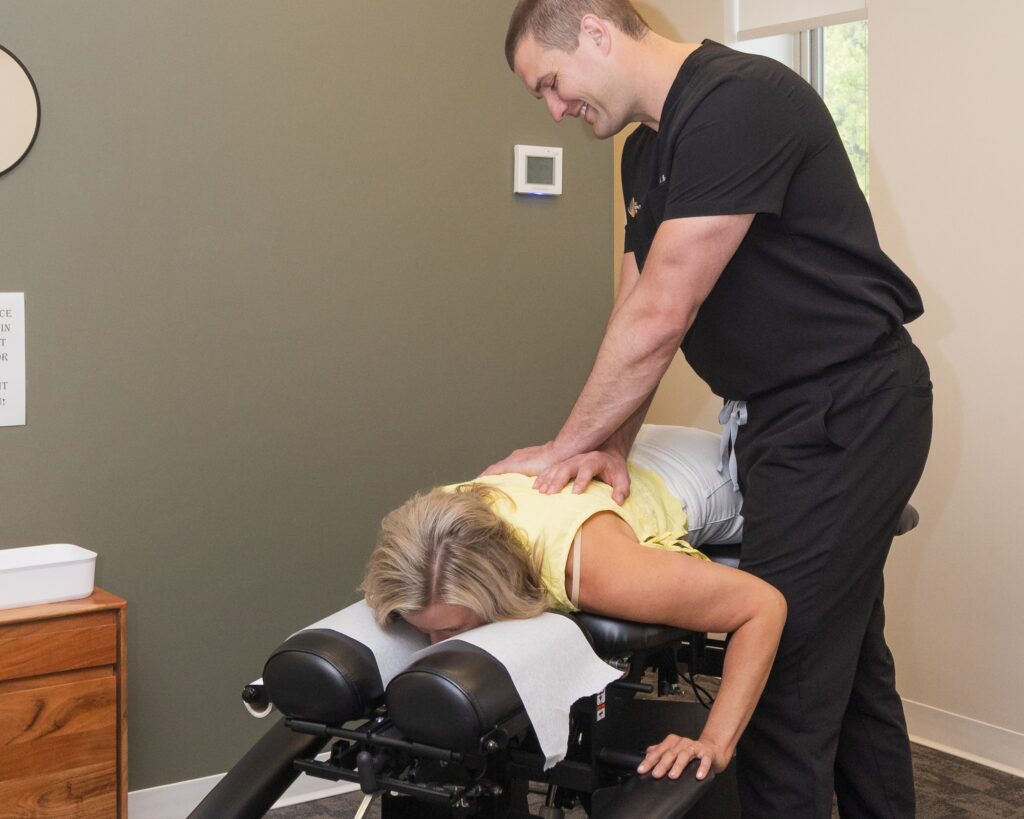
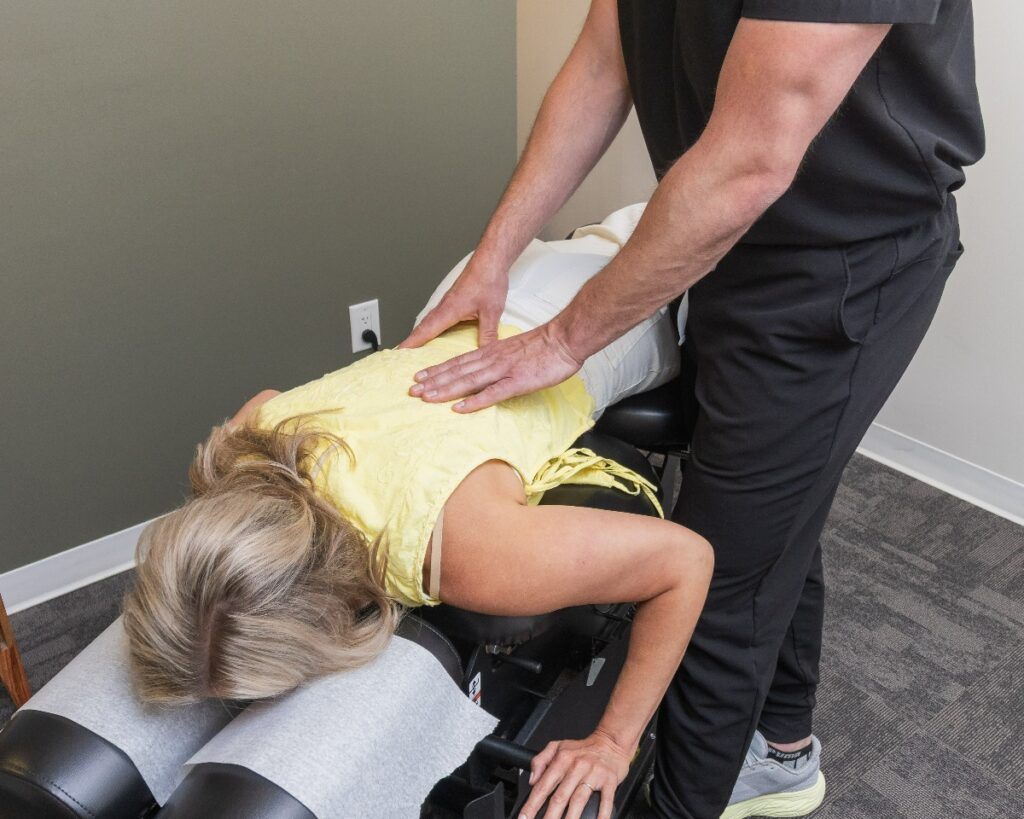
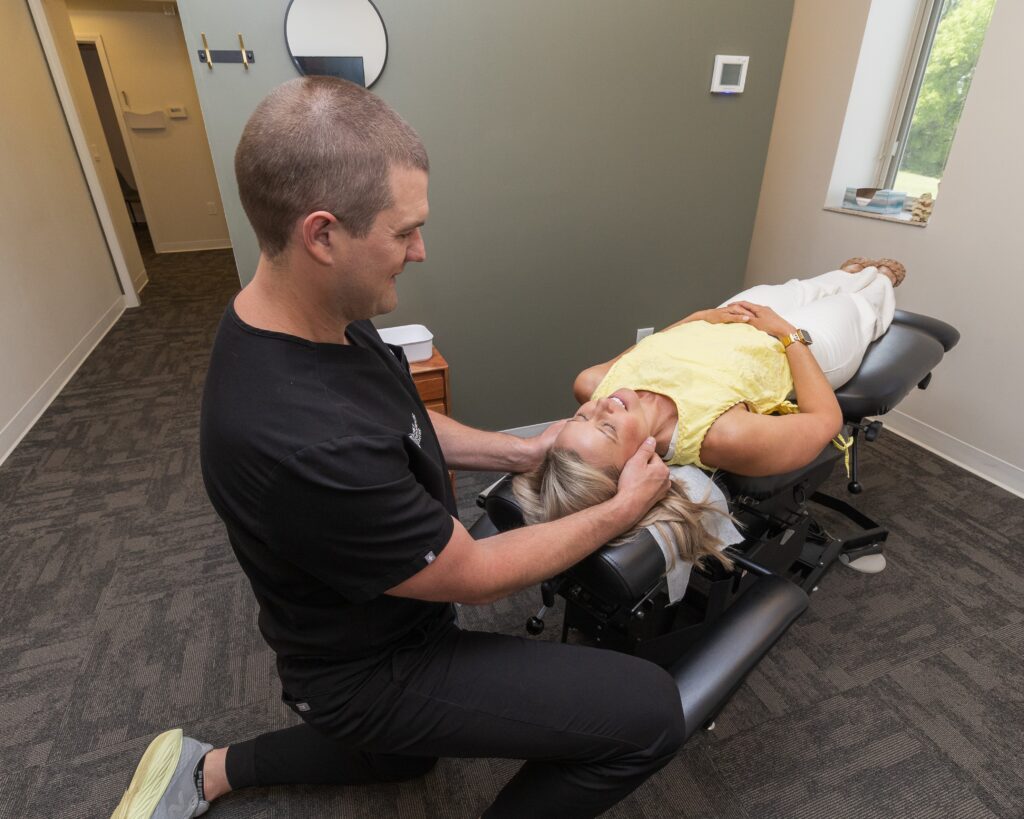
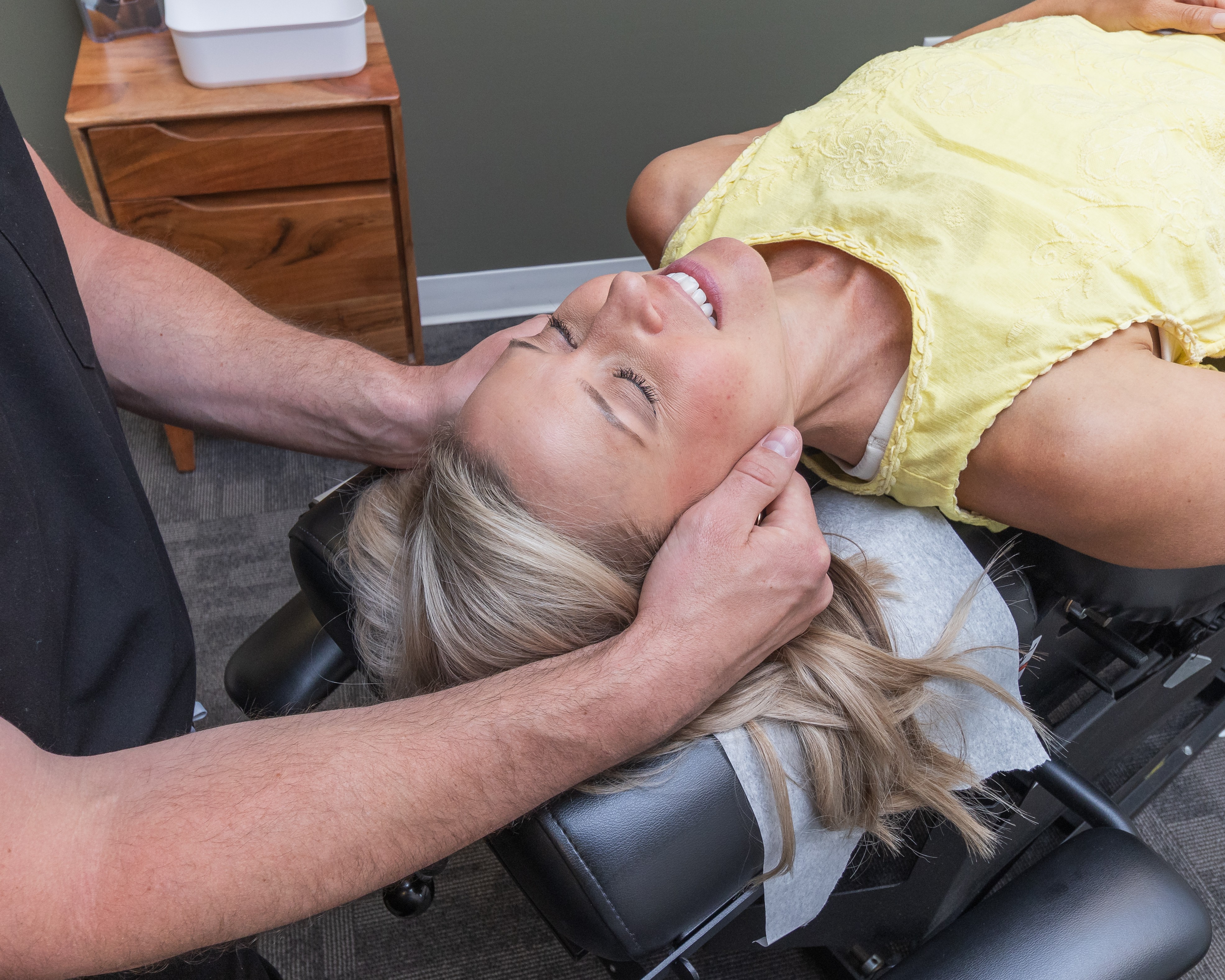
Chiropractic care takes a non-surgical, drug-free approach to addressing the structural causes of headaches. Rather than simply managing symptoms, the goal is to identify and correct the underlying dysfunction that’s contributing to your pain. At Family Chiropractic Center, Dr. Kevin Hartung begins with a thorough evaluation to understand your posture, spinal alignment, range of motion, and the specific nature of your headaches.
Spinal adjustments — also called spinal manipulation — involve gentle, targeted movements applied to specific vertebrae to restore normal joint motion and reduce nerve irritation. For cervicogenic and tension headaches in particular, research published in journals like the Cochrane Library and BMJ suggests that spinal manipulation may help reduce both the frequency and intensity of headaches. The evidence frames chiropractic care as a safe, conservative option worth considering for recurring head pain related to spinal or muscular dysfunction.
Beyond adjustments, care at Family Chiropractic Center may also include soft tissue therapy to address tight muscles in the neck and shoulders, postural correction guidance, and personalized recommendations for your daily habits and workspace setup. The aim is always to help your body function better from the inside out — and to reduce the conditions that allow sudden headaches to keep occurring.
Practical Tips for Managing and Preventing Headaches
While professional care is often necessary for lasting results, there are things you can do day-to-day to reduce your risk of sudden headaches. These tips are simple, safe, and consistent with good spinal health principles.
Hydration is one of the most overlooked headache prevention tools available. Aim to drink water consistently throughout the day rather than catching up all at once. If you notice headaches tend to occur on days when you’ve had less water or more caffeine, that’s a strong clue to address your fluid intake first.
Ergonomics matter more than most people realize. If you work at a desk, your monitor should be at eye level, your chair should support your lower back, and your screen should be at a comfortable distance — not so close that your head leans forward. Dr. Kevin Hartung regularly helps patients at Family Chiropractic Center in McKees Rocks, PA redesign their workspace setup to reduce the postural strain that contributes to headaches.
Taking movement breaks is also essential. The human body wasn’t designed to remain in one position for hours at a time. Setting a reminder to stand, stretch your neck gently, and roll your shoulders every 45-60 minutes can significantly reduce accumulated tension. Even a short walk does wonders for resetting posture and relieving muscle tightness.
Sleep quality and consistency play a role as well. Going to bed at erratic hours or sleeping in positions that strain the neck — like on your stomach — can prime your body for morning headaches. A supportive pillow that keeps your neck in a neutral position is a small but meaningful investment.
When to See a Chiropractor
You should consider scheduling an evaluation with a chiropractor if your headaches are recurring — meaning they happen more than a few times per month — or if they seem tied to neck stiffness, posture, or sitting for long periods. Headaches that consistently appear after time at a computer, after sleeping, or after prolonged driving are particularly good candidates for chiropractic evaluation.
You should also consider chiropractic care if you’ve been relying on over-the-counter pain medications regularly to manage headaches. Frequent use of these medications can actually lead to what’s known as medication overuse headache — a rebound cycle that makes things worse over time. Getting to the structural root of the problem is a more sustainable path.
There are, however, important red flags that require immediate medical attention rather than chiropractic care. These include a sudden, explosive headache described as the worst of your life, headaches accompanied by confusion, vision changes, weakness on one side of the body, difficulty speaking, fever, or a stiff neck with sensitivity to light. These symptoms could indicate a neurological emergency, and 911 or an emergency room visit is the right first step — not a chiropractic appointment. Dr. Kevin Hartung and the team at Family Chiropractic Center will always refer patients to the appropriate medical provider when their symptoms go beyond the scope of conservative chiropractic care.
Headache Types at a Glance
| Headache Type | Common Triggers | Key Characteristics | Chiropractic Relevance |
|---|---|---|---|
| Cervicogenic | Neck misalignment, poor posture, prolonged sitting | One-sided, starts at neck, radiates to head | High — directly related to spinal dysfunction |
| Tension-Type | Stress, muscle tightness, forward head posture | Band-like pressure around the head | High — often responds well to spinal and soft tissue care |
| Dehydration | Low fluid intake, caffeine, heat, exercise | Throbbing, often behind the eyes | Low — managed primarily through hydration |
| Hypertensive | High blood pressure | Back of head, often worse in the morning | Low — requires medical evaluation and management |
| Thunderclap | Vascular events, unknown | Sudden, severe, peaks within 60 seconds | None — this is a medical emergency |
Myths vs. Facts About Sudden Headaches
Myth: All sudden headaches are dangerous emergencies.
Fact: While some sudden headaches do require urgent medical care — particularly thunderclap headaches — the majority of sudden headaches have benign causes such as tension, dehydration, or spinal dysfunction. The key is understanding the difference between alarming red flag symptoms and more common, treatable causes. A proper evaluation helps sort this out.
Myth: If your headache goes away on its own, there’s nothing to worry about.
Fact: Recurring headaches that come and go are still worth investigating, even if they resolve on their own. The absence of constant pain doesn’t mean the underlying cause has been addressed. Patterns of repeated sudden headaches often point to a structural or lifestyle issue that will keep triggering episodes until it’s properly managed.
Myth: Chiropractic care is only for back pain — it has nothing to do with headaches.
Fact: This is one of the most common misconceptions Dr. Kevin Hartung encounters at Family Chiropractic Center. The cervical spine plays a direct role in many types of headaches, and chiropractic care has a well-established place in the conservative management of cervicogenic and tension-type headaches. Evidence from organizations like the American Chiropractic Association and systematic reviews supports its use for these conditions.
Myth: You just need to take more ibuprofen — that’s the easiest fix.
Fact: While pain relievers can provide temporary relief, relying on them frequently can lead to medication overuse headache — a condition where the medication itself becomes part of the cycle of head pain. Addressing the root mechanical or lifestyle cause is a more effective and sustainable long-term approach.
Myth: Headaches are just a normal part of getting older.
Fact: Headaches are common, but they are not simply an inevitable part of aging. Many people experience fewer headaches as they improve their posture, spinal health, hydration, and stress management. Normalizing chronic head pain often leads people to suffer unnecessarily for years when effective, conservative options are available.
Final Thoughts From Family Chiropractic Center
Sudden headaches can be unsettling — and they deserve to be taken seriously. The good news is that many of the most common causes of unexpected head pain are very much addressable, especially when you have the right support and guidance. Whether it’s a cervical spine issue, postural strain from long hours at work, or muscle tension that’s been building for weeks, there’s usually something meaningful that can be done to help.
Here in McKees Rocks, PA, the team at Family Chiropractic Center is committed to helping community members understand what’s happening in their bodies and empowering them to make informed decisions about their health. Dr. Kevin Hartung approaches each patient as an individual — because no two headaches are exactly alike, and no two people respond to the same thing in exactly the same way.
If you’ve been dealing with recurring sudden headaches and you haven’t yet explored what’s going on with your spine and posture, it may be time to take that step. You don’t have to live with unexplained head pain. And you don’t have to figure it out alone. Family Chiropractic Center is here to help the McKees Rocks community move forward — with less pain and more clarity about how to take care of themselves for the long haul.
Frequently Asked Questions
Can a misaligned spine really cause headaches?
Yes, spinal misalignment — particularly in the cervical spine — is a well-recognized contributor to headaches. Nerve irritation, muscle tension, and joint dysfunction in the neck can all refer pain into the head. This type of headache is called a cervicogenic headache and is a legitimate area of focus in chiropractic care.
How do I know if my sudden headache is a medical emergency?
Seek emergency care immediately if your headache is the most severe you’ve ever experienced, came on in 60 seconds or less, or is accompanied by confusion, vision changes, weakness, difficulty speaking, fever, or a stiff neck. These are red flag symptoms that require urgent evaluation, not a chiropractic visit.
How many chiropractic visits does it take to help with headaches?
This varies significantly from person to person depending on the cause, severity, and how long the issue has been present. Dr. Kevin Hartung at Family Chiropractic Center will evaluate your specific situation and discuss realistic expectations before beginning any care plan. There is no universal timeline that applies to everyone.
Are headaches behind the eyes related to the neck?
They can be. Cervicogenic headaches and tension headaches both commonly produce pain that radiates behind one or both eyes. Dysfunction in the upper cervical vertebrae and tightness in the suboccipital muscles are frequent contributors. A spinal evaluation can help determine whether that’s what’s happening in your case.
Is it safe to receive chiropractic adjustments for headaches?
For the vast majority of people with headaches related to cervical dysfunction or muscle tension, chiropractic care is considered safe and appropriate. Your chiropractor will conduct a thorough intake and evaluation to confirm that spinal care is suitable for your specific situation before proceeding.
What lifestyle changes can reduce the frequency of sudden headaches?
Staying consistently hydrated, improving your posture and workstation setup, taking regular movement breaks, getting adequate sleep, and managing stress are all evidence-supported strategies for reducing headache frequency. Combining these habits with appropriate professional care tends to produce the best outcomes.
TL;DR Summary
- Sudden headaches are often linked to cervical spine dysfunction, muscle tension, dehydration, or blood pressure changes — not random bad luck.
- Cervicogenic headaches originate in the neck and are a common, treatable cause of head pain that responds well to chiropractic care.
- Thunderclap headaches — sudden, severe, and peaking within 60 seconds — are a medical emergency and require immediate attention.
- Dr. Kevin Hartung at Family Chiropractic Center in McKees Rocks, PA takes a thorough, individualized approach to identifying the structural and lifestyle contributors to headaches.
- Practical steps like better hydration, ergonomic adjustments, movement breaks, and spinal care can significantly reduce how often sudden headaches occur.