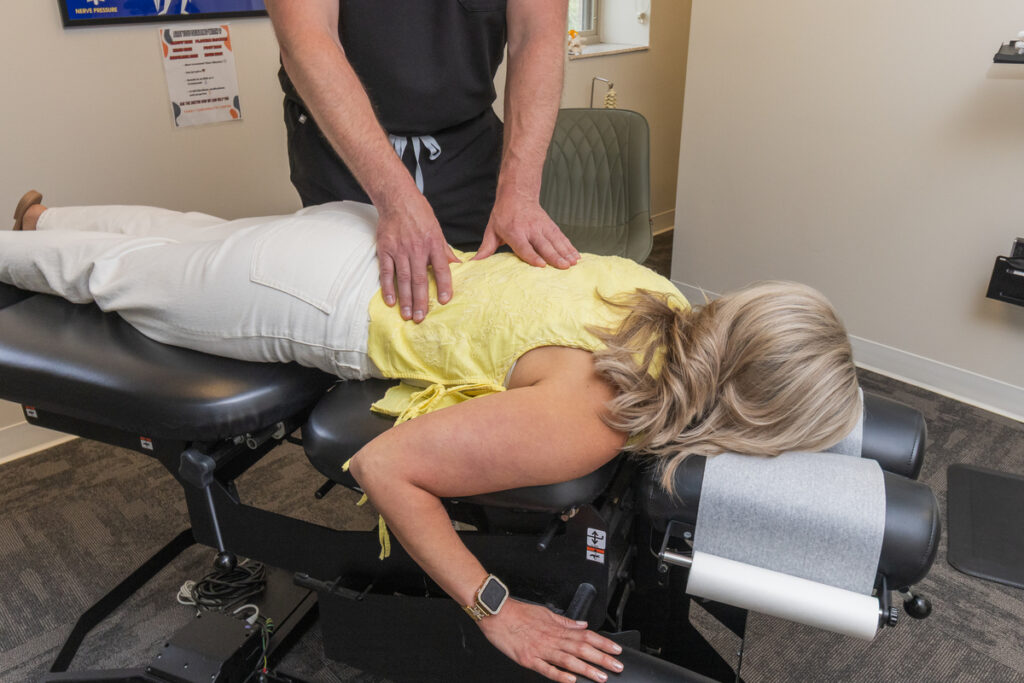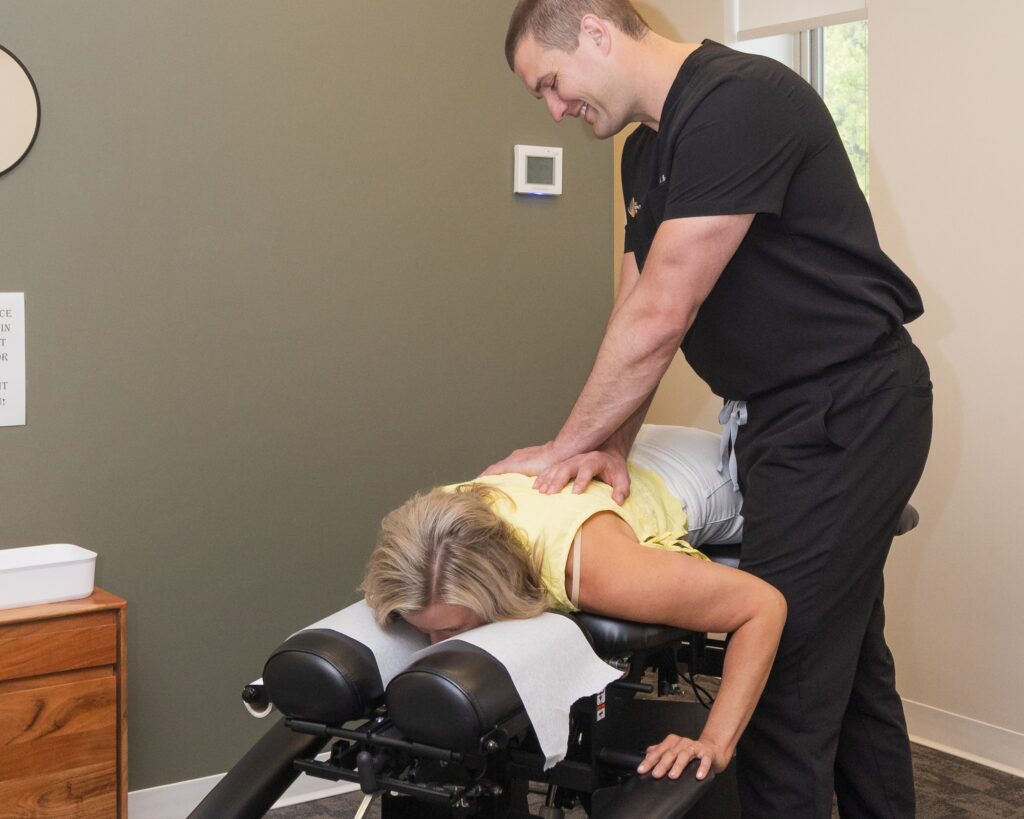
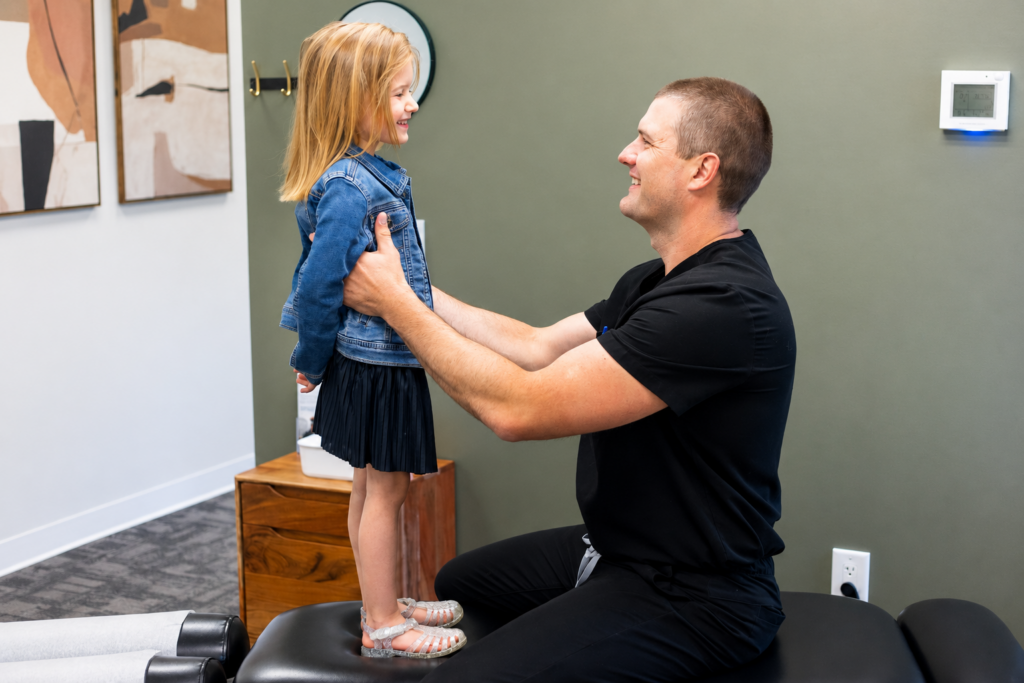

As parents, we want nothing but the best for our children’s health and development. From their first steps to their growth spurts, every stage of childhood brings new physical demands and challenges. While many families think of chiropractic care as something only for adults with back pain, the truth is that children can benefit tremendously from gentle, age-appropriate chiropractic adjustments. Here in McKees Rocks, PA, more and more parents are discovering how chiropractic care supports their children’s overall wellness, helping young bodies grow strong, balanced, and healthy.
This article explores the many benefits of pediatric chiropractic care, addresses common concerns parents have, and explains how safe, gentle adjustments can support your child’s development from infancy through adolescence.
What is Pediatric Chiropractic Care?
Pediatric chiropractic care involves gentle, non-invasive adjustments specifically adapted for children’s developing bodies. These adjustments use light pressure—often no more than the weight of a fingertip—to address spinal misalignments and support proper nervous system function. The techniques used for children are completely different from those used on adults, with chiropractors specially trained to work with young, growing bodies safely and effectively.
Table of Contents
- Why Children Need Chiropractic Care
- Supporting Healthy Growth and Development
- Common Childhood Conditions That May Benefit
- Safety and Gentle Techniques for Young Bodies
- Addressing Modern Childhood Challenges
- What to Expect During a Pediatric Visit
- Supporting Your Child’s Spinal Health at Home
- When to Bring Your Child to a Chiropractor
- Myths vs. Facts About Pediatric Chiropractic
Why Children Need Chiropractic Care
Children’s bodies are constantly growing, changing, and adapting. From the moment of birth through adolescence, their spines and nervous systems are developing rapidly. During this critical time, even minor spinal misalignments can potentially affect how their bodies function and grow.
The birth process itself can be physically demanding on a newborn. Whether through natural delivery or cesarean section, babies experience significant pressure on their delicate spines and nervous systems. Research suggests that the birth process can sometimes result in subtle spinal stress that may benefit from gentle chiropractic assessment.
As children grow, they experience countless physical stresses. Learning to hold their head up, rolling over, crawling, and taking those first wobbly steps all require tremendous coordination and can create minor misalignments. Add in the inevitable tumbles, playground falls, heavy backpacks, and hours spent hunched over tablets or video games, and you can see why many children develop spinal stress patterns early in life.
The nervous system controls every function in the body. When the spine is properly aligned, nerve communication flows freely between the brain and body. Even small misalignments can potentially interfere with this communication. Chiropractic care aims to remove this interference, allowing children’s bodies to function at their best during these crucial growing years.
Supporting Healthy Growth and Development
Chiropractic care during childhood isn’t about treating disease—it’s about supporting the body’s natural ability to grow, develop, and function optimally. When the spine and nervous system are working properly, children often experience improvements in multiple areas of health and wellness.
One of the most significant benefits involves supporting proper biomechanics during growth spurts. Children don’t grow evenly or steadily. They experience periods of rapid growth where bones, muscles, and soft tissues all develop at different rates. This can create temporary imbalances and discomfort. Regular chiropractic check-ups can help ensure that the spine remains balanced and aligned during these critical periods.
Many parents report that their children sleep better after starting chiropractic care. While we can’t promise specific outcomes, proper spinal alignment may help reduce physical discomfort that interferes with restful sleep. Better sleep means better mood, improved focus, and enhanced physical recovery—all essential for growing children.
Posture development is another crucial area where chiropractic care plays a supporting role. Good posture habits formed in childhood often carry into adulthood. When children have proper spinal alignment, they naturally find it easier to maintain healthy posture. This becomes increasingly important as children spend more time sitting in classrooms and using electronic devices.
The immune system connection is particularly interesting to many parents. While chiropractic care doesn’t treat infections or boost immunity directly, evidence indicates that proper nervous system function may support overall wellness. The nervous system and immune system communicate constantly, and removing interference to that communication may help children’s bodies respond more effectively to everyday health challenges.
Common Childhood Conditions That May Benefit
Parents often bring their children to Family Chiropractic Center in McKees Rocks for a variety of reasons. While chiropractic care doesn’t cure diseases or medical conditions, many families report improvements in their children’s comfort and function when certain issues are present.
Colic and infant fussiness frequently prompt parents to seek chiropractic evaluation. Some research suggests that gentle chiropractic adjustments may help reduce crying time in colicky infants, though more research is needed. The theory is that spinal stress from birth may contribute to discomfort, and addressing this stress through gentle adjustments may provide relief.
Ear infections are another common childhood complaint. While chiropractors don’t treat infections directly, some evidence suggests that adjustments may help improve drainage from the ear canal by reducing tension in the surrounding structures. This doesn’t replace medical care when needed, but many parents include chiropractic as part of a comprehensive approach to supporting their child’s ear health.
Growing pains affect many children, particularly in the legs and during growth spurts. These mysterious aches often occur at night and can be distressing for both children and parents. Chiropractic care may help by ensuring proper biomechanics and reducing stress on growing joints and soft tissues.
Sports injuries and athletic performance are significant concerns for active children. Young athletes put tremendous stress on their developing bodies through repetitive motions, impacts, and intense training. Regular chiropractic care may help maintain proper alignment, support recovery, and potentially reduce injury risk. Many youth sports teams now include chiropractic care as part of their health and performance programs.
Headaches in children are more common than many people realize. While some headaches require medical evaluation, tension-type headaches often respond well to chiropractic care. Addressing neck tension and spinal misalignment may reduce the frequency and intensity of these headaches.
Scoliosis screening and management is another area where chiropractic care plays an important role. Early detection of spinal curves allows for proactive care during growth years when the spine is most responsive to conservative approaches. While chiropractic care doesn’t reverse established scoliosis curves, it may help manage symptoms and support overall spinal health.
Safety and Gentle Techniques for Young Bodies
The most common concern parents express is whether chiropractic care is safe for children. The answer is a resounding yes—when performed by a trained professional using age-appropriate techniques.
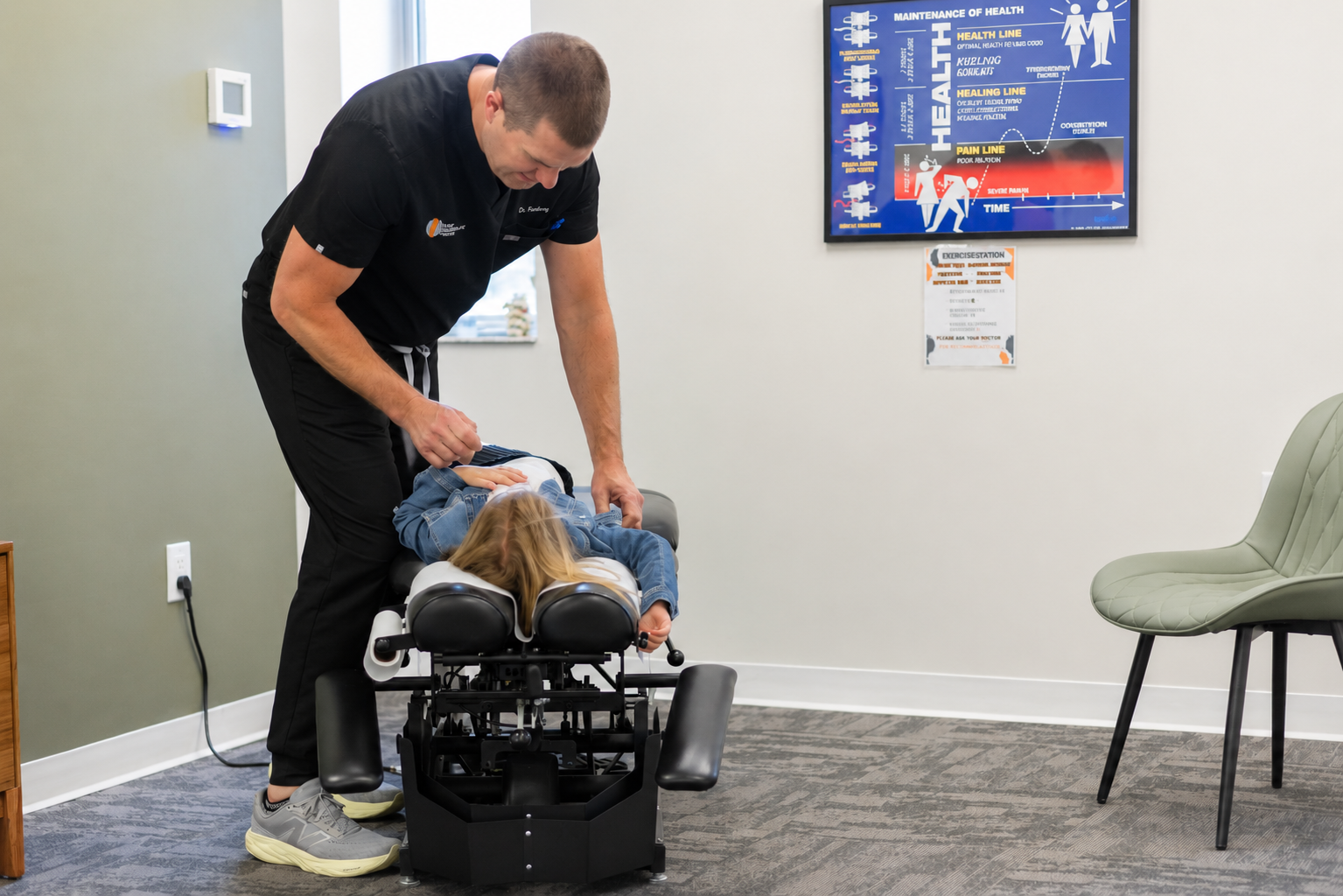
Pediatric chiropractic adjustments look nothing like adult adjustments. Dr. Kevin Hartung uses extremely gentle techniques specifically designed for children’s developing spines. For infants, the pressure used is often no more than you would use to test the ripeness of a tomato. There are no forceful manipulations or concerning “cracking” sounds.
The techniques used vary by age. For newborns and infants, chiropractors typically use fingertip pressure and hold techniques. These gentle contacts encourage the body to release tension and restore proper alignment without any force. For toddlers and young children, techniques remain gentle but may include slightly more specific contacts as their spines develop. By the time children reach their teenage years, techniques begin to resemble those used for adults, though they’re still modified for developing bodies.
Safety research on pediatric chiropractic care is reassuring. Multiple studies have found serious adverse events to be extremely rare, with minor soreness being the most commonly reported side effect. The International Chiropractic Pediatric Association maintains strict standards for training and practice, ensuring that chiropractors who work with children have specialized knowledge and skills.
Every child receives an individualized assessment before any care begins. Dr. Kevin Hartung thoroughly evaluates each child’s health history, current concerns, and developmental stage. This ensures that care is not only safe but specifically tailored to that child’s needs. Parents are always present during adjustments and encouraged to ask questions throughout the process.
Addressing Modern Childhood Challenges
Today’s children face unique physical challenges that previous generations never encountered. The digital age has transformed how children play, learn, and interact—often at the expense of their spinal health.
Text neck has become epidemic among young people. Children as young as elementary school age now spend hours daily with their heads tilted forward, eyes glued to tablets, smartphones, and gaming devices. This position places enormous stress on the developing cervical spine—up to 60 pounds of pressure when the head is tilted forward at 60 degrees. Over time, this can lead to postural changes, neck pain, and headaches.
Here in McKees Rocks and throughout Western Pennsylvania, we see more children complaining of neck and upper back discomfort than ever before. These aren’t normal childhood complaints—they’re the result of sustained poor posture during critical developmental years. Chiropractic care helps address the spinal stress created by technology use while education helps families implement healthier habits.
Backpack weight is another significant concern. Students often carry bags weighing 15-20% of their body weight or more, far exceeding recommended limits. This excessive weight, combined with poor carrying technique, can create spinal misalignments and muscular imbalances. Regular chiropractic check-ups help identify and address these issues before they become chronic problems.
Sedentary lifestyles compound these challenges. Children today spend less time in active, varied movement and more time sitting or in static positions. This lack of movement affects spinal health, core strength, and overall physical development. Chiropractic care combined with movement recommendations helps children develop stronger, more resilient bodies.
What to Expect During a Pediatric Visit
Understanding what happens during a pediatric chiropractic visit helps reduce anxiety for both parents and children. The experience at Family Chiropractic Center is designed to be comfortable, educational, and child-friendly.
The first visit begins with a thorough consultation. Dr. Kevin Hartung takes time to understand your child’s health history, current concerns, and developmental milestones. Parents are encouraged to share any observations about their child’s movement patterns, sleep quality, behavior, or physical complaints. This comprehensive history helps create a complete picture of your child’s health.
The examination is gentle and age-appropriate. For infants, this might involve observing how they move, checking for muscle tension, and gently palpating the spine. For older children, the exam may include posture analysis, range of motion testing, and specific spinal palpation. Throughout the exam, the chiropractor explains each step and ensures your child feels comfortable.
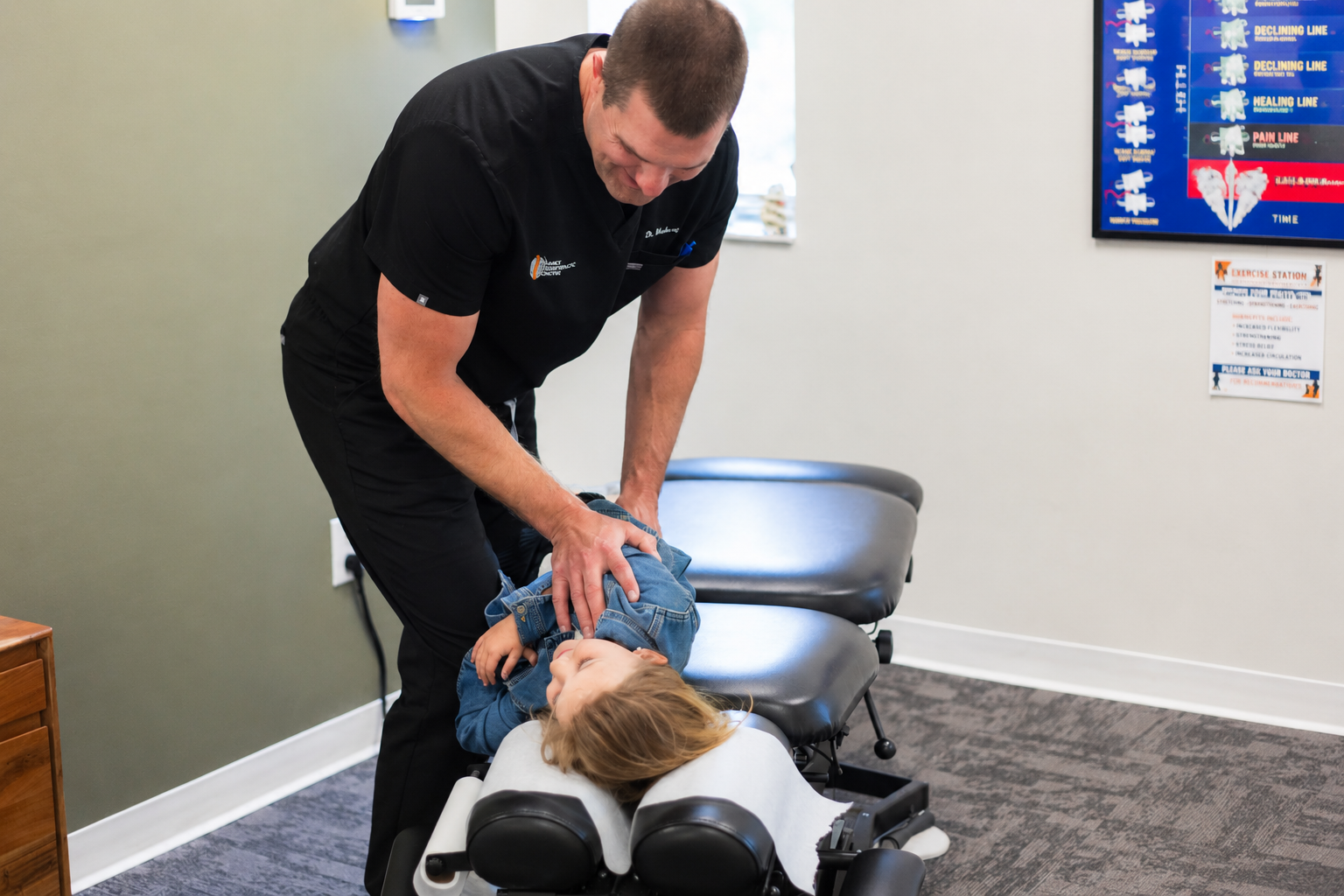
If adjustments are recommended, parents receive a clear explanation of what will be done and why. For nervous children, Dr. Kevin Hartung often demonstrates techniques on the parent first, allowing the child to see that the process is gentle and comfortable. Many children actually enjoy their adjustments and look forward to visits.
The adjustment itself takes only minutes. Depending on your child’s age and needs, techniques may include gentle fingertip pressure, light instrument-assisted adjustments, or soft tissue work. Most children remain completely relaxed during adjustments, with infants often falling asleep.
After care recommendations are provided, these might include simple stretches, posture tips, or activity modifications. The goal is to support the adjustments and promote lasting improvements in your child’s spinal health. Follow-up visits are scheduled based on your child’s specific needs and response to care.
Supporting Your Child’s Spinal Health at Home
Chiropractic care is most effective when combined with healthy habits at home. Parents can take several simple steps to protect and support their children’s developing spines.
Start with proper ergonomics for study and screen time. Ensure that your child’s desk and chair are appropriately sized so feet rest flat on the floor and screens sit at eye level. Encourage frequent breaks—the 20-20-20 rule works well: every 20 minutes, look at something 20 feet away for 20 seconds, and stand up to move around.
Backpack safety makes a tremendous difference. Choose backpacks with wide, padded straps and encourage your child to use both straps. The pack should sit evenly on the back with the bottom resting in the curve of the lower back. Regularly clean out unnecessary items, and consider a locker or second set of books if your child’s school allows it.
Encourage varied, active play. Children need to move in multiple directions and positions throughout the day. Climbing, crawling, running, jumping, and tumbling all contribute to healthy spinal development and core strength. Balance screen time with outdoor play and physical activity.
Pay attention to sleep positions and mattress quality. Young children should have a supportive mattress appropriate for their size and weight. Stomach sleeping is generally discouraged as it stresses the neck and lower back. Side or back sleeping with proper pillow support is preferable.
Model good posture yourself. Children learn by watching their parents. When you demonstrate healthy posture and movement habits, your children are more likely to develop these patterns themselves. Make spinal health a family priority rather than something that only concerns the kids.
Stay hydrated and eat nutritious foods. Proper hydration helps maintain the health of spinal discs, which are largely composed of water. A balanced diet rich in calcium, vitamin D, and other nutrients supports bone and muscle development.
When to Bring Your Child to a Chiropractor
Many parents wonder when chiropractic care becomes appropriate or necessary for their child. The truth is that children can benefit from chiropractic evaluation at any age, but certain situations particularly warrant assessment.
Consider bringing your newborn for a gentle check-up after birth, especially if the delivery was difficult, prolonged, or involved intervention such as vacuum extraction or forceps. Even straightforward births place stress on an infant’s delicate spine and nervous system. Early assessment can identify areas of tension that may benefit from gentle release.
Developmental delays or difficulties may indicate a need for evaluation. If your child is slow to reach milestones like rolling over, sitting up, crawling, or walking, subtle spinal or neurological issues could be contributing. While chiropractic care doesn’t replace appropriate medical evaluation, it can be a valuable part of a comprehensive approach.
Persistent discomfort, fussiness, or difficulty nursing in infants sometimes indicates physical stress that chiropractic care may help address. If your baby consistently tilts their head to one side, resists turning in a particular direction, or seems uncomfortable despite medical evaluation showing no clear cause, gentle chiropractic assessment may provide insights.
Obvious injuries from falls, sports, or accidents warrant evaluation even when no immediate pain is present. Children are remarkably resilient and may not complain about discomfort, but impacts can create misalignments that affect function over time. A post-injury check-up helps ensure proper healing and alignment.
Chronic complaints like recurring headaches, neck pain, or back discomfort in school-age children should never be dismissed as normal. These symptoms often indicate underlying postural or alignment issues that respond well to chiropractic care when addressed early.
Preventive wellness visits make sense for many families here in McKees Rocks. Just as you take your child for regular dental check-ups and well-child visits, periodic spinal check-ups help identify minor issues before they become major problems. This proactive approach supports optimal growth and development.
Red flags that require immediate medical attention include severe pain, weakness, numbness, fever accompanying neck stiffness, or any symptoms following significant trauma. In these situations, seek emergency medical care first. Dr. Kevin Hartung will always refer to appropriate medical specialists when conditions fall outside the scope of chiropractic care.
| Age Group | Common Reasons for Care | Typical Adjustment Technique |
|---|---|---|
| Newborns (0-3 months) | Post-birth assessment, colic, feeding difficulties, torticollis | Fingertip pressure, hold techniques, cranial work |
| Infants (3-12 months) | Developmental support, ear infections, sleep issues | Gentle fingertip contacts, soft tissue release |
| Toddlers (1-3 years) | Fall injuries, gait concerns, growing pains | Light pressure adjustments, activator tool |
| Children (4-10 years) | Posture problems, sports injuries, headaches, backpack stress | Modified manual adjustments, instrument-assisted |
| Adolescents (11-18 years) | Tech neck, athletic performance, scoliosis management, chronic pain | Standard techniques modified for developing bodies |
Myths vs. Facts About Pediatric Chiropractic
Despite growing acceptance of pediatric chiropractic care, several persistent myths continue to cause unnecessary concern among parents. Let’s address the most common misconceptions with evidence-based facts.
Myth: Chiropractic adjustments are too forceful for children
Fact: Pediatric chiropractic techniques are specifically designed for children and are extremely gentle. The amount of pressure used on an infant is roughly equivalent to the pressure you’d use to test fruit ripeness—typically less than the weight of a dime. Techniques are progressively modified as children grow, always remaining appropriate for their developmental stage.
Myth: Children don’t need chiropractic care because their spines are fine
Fact: Children experience tremendous physical stress during growth and development. The birth process, learning to walk, playground falls, sports activities, heavy backpacks, and technology use all create potential for spinal misalignment. Research indicates that spinal problems often begin in childhood, making early assessment and care valuable for long-term spinal health.
Myth: Chiropractic care is only for back pain
Fact: While chiropractors certainly help with back pain, pediatric chiropractic care focuses primarily on supporting proper nervous system function and healthy development. Parents bring children for a wide variety of reasons including colic, ear infections, sleep issues, growing pains, posture problems, and general wellness support. The goal is optimal function, not just pain relief.
Myth: There’s no research supporting pediatric chiropractic care
Fact: A growing body of research supports the safety and potential benefits of pediatric chiropractic care. Multiple studies published in peer-reviewed journals have examined pediatric chiropractic for various conditions, consistently showing high safety profiles and patient satisfaction. While more research is always valuable, existing evidence provides reasonable support for appropriate pediatric chiropractic care.
Myth: Once you start chiropractic care, you have to continue forever
Fact: Chiropractic care plans are individualized based on each child’s needs and goals. Some families choose periodic wellness visits to support healthy development, similar to regular dental check-ups. Others seek care for specific concerns and discontinue once their goals are met. The decision about ongoing care is always made collaboratively between the chiropractor and parents based on what’s best for that particular child.
Supporting Your Child’s Health Journey in McKees Rocks
Every child deserves the opportunity to grow up strong, healthy, and free from unnecessary physical limitations. Chiropractic care offers a safe, gentle, non-invasive approach to supporting your child’s developing spine and nervous system during these critical growing years.
At Family Chiropractic Center here in McKees Rocks, PA, we understand that your children are your most precious priority. Dr. Kevin Hartung takes time with each young patient, ensuring they feel comfortable, safe, and cared for throughout their visit. We believe that educating families about spinal health creates positive changes that extend far beyond our office, influencing daily habits and long-term wellness.
Whether you’re concerned about a specific issue or simply want to support your child’s optimal development, we welcome you to explore how pediatric chiropractic care might benefit your family. Many parents in our McKees Rocks community have discovered that investing in their children’s spinal health early pays dividends throughout their lives—better posture, improved function, and the foundation for lifelong wellness.
Your child’s health journey is unique, and we’re here to support it with evidence-informed, compassionate, family-centered care. Because when children thrive, families thrive—and that’s what we’re all about at Family Chiropractic Center.
Frequently Asked Questions
At what age can a child start receiving chiropractic care?
Children can be evaluated by a chiropractor at any age, including as newborns just days old. Techniques are specifically adapted for each developmental stage, with newborn adjustments being extremely gentle—often using no more pressure than you’d use to test the ripeness of fruit. Many parents choose to have their infants assessed shortly after birth, particularly if delivery was difficult or involved intervention.
How often should my child see a chiropractor?
The frequency of visits depends entirely on your child’s individual needs and care goals. Some children benefit from a series of visits to address specific concerns, then transition to periodic wellness check-ups. Others may only need occasional visits when issues arise. Dr. Kevin Hartung will recommend a care plan based on your child’s assessment, but the decision is always made collaboratively with parents.
Will chiropractic adjustments hurt my child?
Pediatric chiropractic adjustments should not cause pain. Most children find adjustments comfortable and relaxing—many infants fall asleep during treatment. Some children may experience mild soreness similar to what you might feel after exercise, but significant pain is not normal and should be reported to your chiropractor immediately.
Can chiropractic care help with my child’s ear infections?
While chiropractic care doesn’t treat infections directly, some evidence suggests that adjustments may help improve drainage from the Eustachian tubes by reducing tension in surrounding structures. Many parents include chiropractic care as part of a comprehensive approach to supporting their child’s ear health, though it should not replace appropriate medical care when needed.
Is pediatric chiropractic care covered by insurance?
Insurance coverage for pediatric chiropractic varies significantly by plan. Some insurance companies cover pediatric chiropractic just as they would adult care, while others have restrictions. We recommend contacting your insurance provider directly to understand your specific coverage, and our office is happy to help you navigate insurance questions.
What if my child is scared or won’t sit still?
Working with apprehensive or active children is something Dr. Kevin Hartung handles regularly. We take time to build trust, often demonstrating techniques on parents first so children can see the process is gentle. For very young or active children, adjustments can sometimes be performed while they’re held by a parent, playing, or even nursing. There’s no pressure or force involved in making children comply—we work with their comfort level.
TL;DR — Key Takeaways
- Pediatric chiropractic care uses extremely gentle, age-appropriate techniques specifically designed for children’s developing bodies—nothing like the adjustments used on adults.
- Children can benefit from chiropractic care at any age, from newborns through adolescence, with care supporting healthy development, proper biomechanics, and nervous system function.
- Modern childhood challenges like technology use, heavy backpacks, and sedentary lifestyles create unique spinal stress that chiropractic care may help address.
- Research consistently shows pediatric chiropractic to be safe when performed by trained professionals, with serious adverse events being extremely rare.
- Family Chiropractic Center in McKees Rocks, PA provides compassionate, evidence-informed pediatric chiropractic care with Dr. Kevin Hartung, supporting children’s health throughout their growing years.