
Balance problems are easy to brush off. Maybe you stumbled getting out of bed this morning, or you grabbed the wall when you stood up too quickly. It happens, right? For many people here in McKees Rocks, PA, these little moments feel like minor inconveniences, not warning signs. But what if those small wobbles are telling you something much bigger about what’s happening inside your body? The truth is, declining balance is one of the clearest indicators that your body is aging faster than it should. And the good news? It doesn’t have to stay that way.
What do balance problems have to do with aging?
Balance is controlled by a complex system involving your inner ear, eyes, joints, muscles, and nervous system. When any part of that system breaks down, your body starts compensating — and those compensations quietly accelerate physical decline. Understanding the signs early gives you the best chance to slow that process down.
Sign #1: Your Posture Is Shifting Without You Noticing
One of the earliest and most overlooked signs that balance problems are aging your body faster is a gradual change in posture. When your balance system is compromised, your brain quietly adjusts the way you hold your body to keep you from falling. Over time, this leads to a forward head posture, rounded shoulders, or an exaggerated curve in the lower back. None of these shifts happen overnight, and most people don’t notice them until someone points them out or a photo surprises them.
The problem is that poor posture puts enormous strain on your spine. Each inch your head moves forward from its neutral position can add significant stress to the cervical spine and surrounding muscles. That compounding pressure accelerates wear and tear on your discs, joints, and nerves, which are all systems that take much longer to recover as you age. What starts as a balance issue can very quickly become a chronic pain pattern.
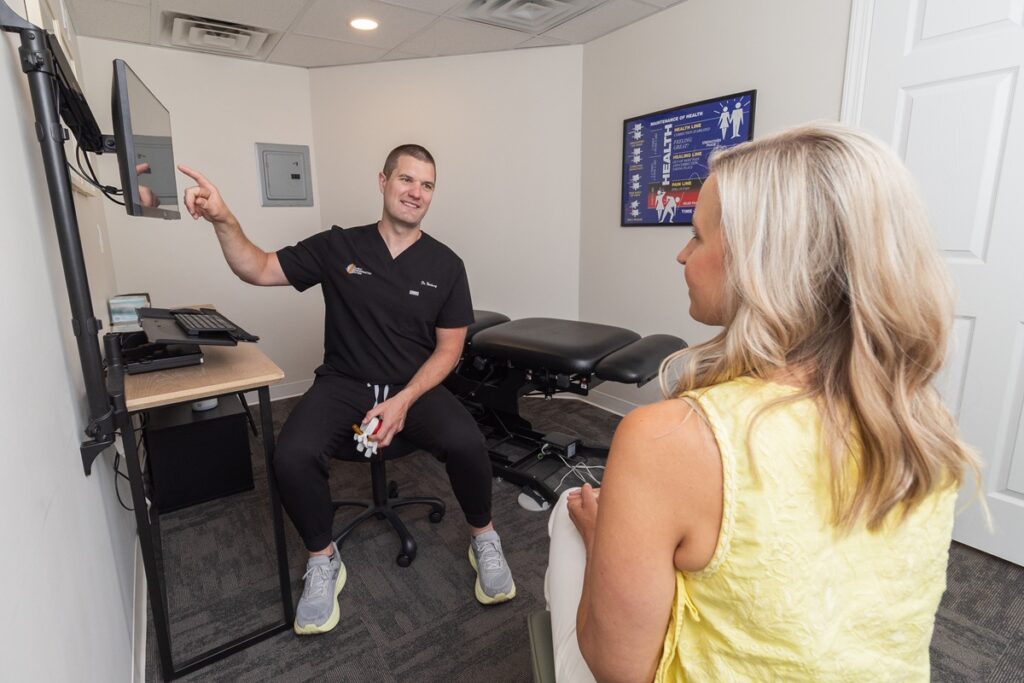
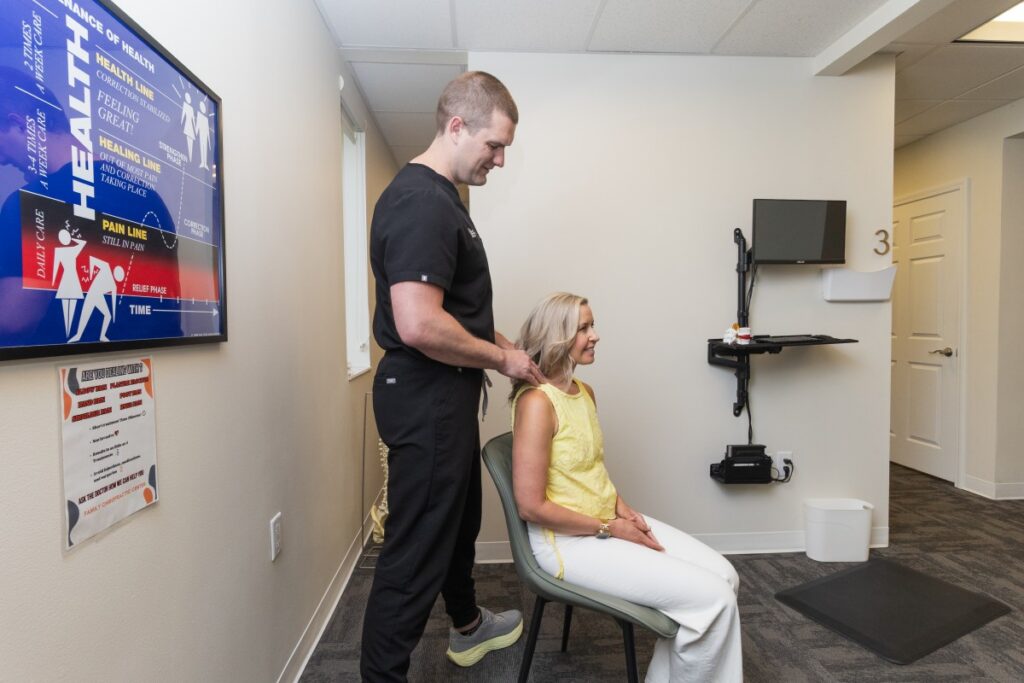
Dr. Kevin Hartung at Family Chiropractic Center in McKees Rocks, PA regularly sees patients who come in for neck or back pain, only to discover that postural drift driven by balance dysfunction is a major contributing factor. When the root cause isn’t addressed, posture continues to deteriorate — and so does overall physical resilience.
Sign #2: You’ve Become Afraid to Move Freely
There’s a phenomenon that researchers in the field of aging and rehabilitation call “fear of falling.” It might sound simple, but its impact on the body is profound. When people feel unsteady on their feet, they naturally start to limit their movement. They take smaller steps, avoid uneven ground, skip the stairs, or reduce physical activity altogether. Each of these decisions feels protective in the moment, but together they create a cascade of physical decline.
Reduced movement leads to muscle weakening, joint stiffness, and decreased cardiovascular health — all of which accelerate the physical aging process significantly. The less you move, the less your body is able to maintain the systems that keep you strong and coordinated. It’s a cycle that feeds itself, and it often moves faster than people expect.
Here in McKees Rocks, PA, many patients who visit Family Chiropractic Center describe avoiding activities they used to love, like hiking local trails, playing with grandchildren, or simply walking to the store, because they don’t feel steady enough. That loss of confidence is a sign that balance problems are already affecting quality of life in ways that go well beyond a simple stumble.
Sign #3: Your Muscles Are Working Overtime Just to Keep You Upright
Healthy balance is an efficient process. When your neuromuscular system is working well, maintaining an upright posture requires relatively little conscious effort. But when balance is off, your muscles have to compensate constantly. Deep stabilizing muscles in the core, hips, and spine are recruited at inappropriate times and in inefficient patterns, essentially working harder than they should just to perform basic tasks like standing or walking.
Over time, this chronic muscle overactivation leads to fatigue, soreness, and eventually injury. You might notice that your lower back feels tight by the end of the day, that your hips ache after standing in line, or that your legs feel unusually tired even after light activity. These are classic signs that your musculature is picking up the slack for a balance system that isn’t functioning optimally.
What makes this particularly aging is the wear it places on connective tissue. Tendons, ligaments, and joint cartilage are not designed to absorb the kind of repetitive compensatory stress that comes from an inefficient movement system. Evidence from biomechanical research indicates that prolonged compensatory muscle patterns can accelerate joint degeneration and increase the risk of soft tissue injuries — injuries that become harder to recover from as the years go on.
Sign #4: Your Joints Are Taking the Blame for Your Balance
Your joints, particularly the ankles, knees, and hips, are packed with sensory receptors called proprioceptors. These tiny sensors constantly send messages to your brain about where your body is in space, how fast you’re moving, and how much weight you’re bearing. This feedback system is a critical component of balance, and when joint health deteriorates, so does this sensory input.
Here’s where it becomes a two-way problem. Poor balance increases the physical load placed on joints unevenly, leading to accelerated wear in certain areas. And as those joints wear down, they send less reliable proprioceptive feedback to the brain, making balance even worse. This loop between joint dysfunction and balance impairment is a significant driver of accelerated physical aging.
Dr. Kevin Hartung emphasizes the importance of joint mobility and spinal alignment in maintaining this proprioceptive feedback system. When spinal joints are restricted or misaligned, the sensory signals that travel through the nervous system can be disrupted, affecting not just local joint function, but whole-body balance and coordination. Chiropractic care that addresses spinal joint function can play an important supportive role in maintaining this feedback loop as the body ages.
Sign #5: Your Nervous System Is Losing Its Edge
Your nervous system is the command center behind all of your balance functions. It receives input from your eyes, your inner ear, and the proprioceptors in your joints and muscles, then integrates all of that information in real time to keep you upright and coordinated. This process is called sensorimotor integration, and like any complex system, it can become less efficient when it isn’t being properly supported.
One major factor that degrades nervous system performance is spinal dysfunction. When vertebrae are restricted or joints are not moving through their full range of motion, nerve communication can be impaired. This doesn’t always cause pain. In fact, one of the more frustrating aspects of nervous system dysfunction is that it can exist without obvious symptoms until it becomes a bigger problem. Sluggish reaction time, reduced coordination, and delayed balance correction after a stumble are all signs that your nervous system may not be operating at its best.
Research suggests that maintaining spinal health and joint mobility is one way to support ongoing nervous system function. The chiropractors at Family Chiropractic Center in McKees Rocks, PA take a whole-body approach to nervous system wellness, looking at how spinal alignment, movement patterns, and lifestyle factors all interact to keep the body performing well over time.
How Chiropractic Care at Family Chiropractic Center Fits In
Chiropractic care is often thought of purely in terms of back pain relief, and while it certainly excels in that area, the scope of its benefits extends much further. At Family Chiropractic Center in McKees Rocks, PA, Dr. Kevin Hartung approaches patient care with the understanding that the spine and nervous system are foundational to everything the body does — including balance and coordination.
A chiropractic evaluation for balance concerns typically involves a thorough assessment of spinal alignment, joint mobility, posture, and neurological reflexes. From there, care is individualized. Spinal adjustments help restore normal joint motion, which in turn supports better proprioceptive feedback and nerve communication. Soft tissue work may address tight muscles contributing to postural imbalances. Postural coaching and movement guidance help patients build better habits between visits.
This approach is non-surgical, drug-free, and designed to work with the body’s natural healing processes. It’s not about replacing medical care where medical care is needed; it’s about providing conservative, supportive care that helps the body function more efficiently. For many patients dealing with balance concerns, this kind of approach can make a meaningful difference in how they feel and how they move day to day.
Practical Tips to Support Better Balance
While professional evaluation is always the recommended starting point, there are meaningful things you can do between chiropractic visits to support your balance and slow the physical aging process. These are general wellness strategies, not medical prescriptions, but they’re grounded in solid biomechanical and movement science.
Single-leg standing exercises, even for just 30 seconds at a time, are one of the simplest ways to challenge and strengthen your proprioceptive system. Try standing on one foot while brushing your teeth or waiting for coffee to brew. Over time, this gentle challenge encourages your nervous system to sharpen its balance-correction responses. If it feels too difficult at first, holding lightly onto a counter is perfectly fine.
Paying attention to footwear matters more than most people realize. Shoes with thick, cushioned soles can reduce the sensory feedback your feet receive from the ground, which actually impairs proprioception. Look for footwear with a relatively flat, firm sole that lets you feel the ground more naturally. This small change can improve sensory input and balance confidence over time.
Finally, keep your spine moving. Gentle stretching, yoga, tai chi, and regular walking are all evidence-supported activities that help maintain spinal mobility, muscle strength, and nervous system coordination. The NCCIH has recognized practices like tai chi as beneficial for balance in older adults, and their low-impact nature makes them accessible for most fitness levels. The key is consistency — a little movement done regularly outperforms an intense routine done occasionally.
When to See a Chiropractor for Balance Issues
It’s worth scheduling a chiropractic evaluation if you’ve noticed any of the signs described in this article, especially if they’ve been building gradually over time. Postural changes, muscle fatigue, joint discomfort, and reduced coordination are all meaningful signals worth investigating. You don’t need to be in severe pain or have a formal diagnosis to benefit from a chiropractic assessment.
There are, however, some signs that should prompt you to seek immediate medical attention rather than starting with chiropractic care. Sudden onset of balance loss, especially when accompanied by dizziness, vision changes, difficulty speaking, weakness on one side of the body, or severe headache, can indicate a neurological emergency. These symptoms require urgent medical evaluation. Dr. Kevin Hartung and the team at Family Chiropractic Center will always refer patients to the appropriate medical provider when a situation is outside the scope of chiropractic care. Patient safety is always the first priority.
For gradual, long-standing balance concerns without those red-flag symptoms, chiropractic care is a reasonable, conservative first step. Many patients find that addressing spinal and joint health early leads to meaningful improvements in how steady and confident they feel — and in the overall physical resilience of their body.
Balance Problems: What’s Happening vs. What You Can Do
Sign You’re Experiencing |
What’s Likely Happening in the Body |
Supportive Strategy |
|---|---|---|
|
Gradual postural shift |
Brain compensating for balance deficit, loading the spine unevenly |
Chiropractic postural assessment, movement coaching |
|
Avoiding physical activity |
Fear of falling reducing movement, causing muscle and joint deconditioning |
Gentle progressive movement, professional guidance on safe activity |
|
Chronic muscle soreness/fatigue |
Compensatory muscle overactivation from inefficient balance patterns |
Spinal alignment care, soft tissue therapy, core strengthening |
|
Aching joints (knees, hips, ankles) |
Disrupted proprioceptive feedback loop, uneven joint loading |
Joint mobility work, chiropractic adjustments, footwear evaluation |
|
Slow reaction time, poor coordination |
Impaired sensorimotor integration, possible spinal nerve interference |
Spinal health optimization, balance training, regular movement |
Myths vs. Facts About Balance and Aging
Myth: Balance problems are just a normal part of getting older and can’t be changed.
Fact: While some changes in balance function do occur with age, research consistently shows that targeted movement, exercise, and musculoskeletal care can meaningfully improve balance function at nearly any age. Decline is not inevitable, and intervention at any stage can make a positive difference.
Myth: You only need to worry about balance if you’ve already fallen.
Fact: By the time a fall occurs, the underlying decline has often been building for years. Addressing balance concerns proactively is far more effective than waiting for an injury to prompt action. Early signs like postural drift and muscle fatigue are worth taking seriously.
Myth: Chiropractic care is only for back and neck pain.
Fact: Chiropractic care addresses the spine and nervous system, which are foundational to whole-body function — including balance, coordination, and proprioception. While pain relief is a common reason people seek care, the benefits often extend well beyond it.
Myth: Balance exercises are too risky for older adults.
Fact: When performed appropriately and with proper guidance, balance exercises are not only safe for older adults; they’re one of the most recommended strategies for reducing fall risk. Starting with simple, supported exercises and progressing gradually is a well-established and safe approach.
Myth: If your balance is bad, it means there’s something seriously wrong that requires surgery or medication.
Fact: Most cases of age-related balance decline are linked to musculoskeletal and nervous system factors that respond well to conservative care, including chiropractic treatment, physical activity, and lifestyle modifications. Surgical or pharmaceutical interventions are typically reserved for specific underlying conditions diagnosed by a physician.
Final Thoughts From Our Team in McKees Rocks
Balance is one of those things we take for granted until it starts to slip, and by then, it’s already been quietly shaping how our body ages. Here at Family Chiropractic Center in McKees Rocks, PA, Dr. Kevin Hartung and the rest of our care team believe that understanding your body is the first step toward taking better care of it. That’s why we want the people in our community to know: balance problems aren’t just an inconvenience. They’re a signal worth listening to.
The five signs we’ve walked through in this article — shifting posture, reduced activity, muscle overwork, joint stress, and nervous system slowdown — aren’t isolated issues. They’re all connected to the same underlying reality: your body is working harder than it should to keep you upright, and that extra effort is costing you in ways that show up as accelerated aging. The encouraging news is that these patterns are not locked in. With the right support, the right movement habits, and care that addresses the root causes, your body can respond and recover in meaningful ways.
If anything in this article resonated with you and if you’ve been noticing changes in how you move, how steady you feel, or how your body has been holding up over time, we’d encourage you to come in and have a conversation. Our team at Family Chiropractic Center is here to listen, to evaluate, and to help you understand what your body is telling you. We’re proud to serve the McKees Rocks, PA community with honest, compassionate, and evidence-informed chiropractic care.
Frequently Asked Questions
Can a chiropractor actually help with balance problems?
Chiropractic care can be a helpful part of addressing balance issues that are related to spinal joint function, nerve communication, and proprioceptive feedback. While it isn’t a treatment for all causes of balance problems, improving spinal alignment and joint mobility has been shown to support the neurological systems involved in balance and coordination. Dr. Kevin Hartung can evaluate whether chiropractic care is appropriate for your specific situation.
How do I know if my balance issues are serious enough to see a professional?
If balance problems are affecting your daily activities, causing you to limit movement, or if you’ve noticed gradual changes in posture or coordination, it’s worth getting a professional evaluation. Any sudden or severe balance changes accompanied by dizziness, vision changes, or one-sided weakness should be evaluated by a physician right away as they may indicate a medical emergency.
What causes balance to decline as we age?
Balance naturally becomes more challenging with age due to changes in inner ear function, reduced muscle strength, decreased joint mobility, and slower nervous system processing. However, many of these changes can be slowed or partially reversed with appropriate physical activity, musculoskeletal care, and healthy lifestyle habits.
Is there a connection between spinal health and balance?
Yes — the spine houses and protects the spinal cord, which is the main communication highway between your body and brain. When spinal joints are restricted or misaligned, they can interfere with the sensory signals that contribute to balance and coordination. Maintaining spinal health is one important way to support the nervous system’s role in balance.
How quickly can balance improve with chiropractic care?
Every patient is different, and there are no guaranteed timelines. Some people notice improvements in how they feel and move within a few visits, while others may need more time depending on the underlying causes and how long the problem has been present. Dr. Kevin Hartung will provide an honest, individualized assessment of what to expect based on your specific condition.
Are balance exercises safe to do at home?
For most people, gentle balance exercises like single-leg standing near a counter or slow, controlled walking are safe to do at home. It’s always a good idea to get clearance from a healthcare provider before starting any new exercise routine, especially if you have existing health conditions or a history of falls. Your chiropractor can recommend appropriate starting points.
TL;DR Summary
-
Balance problems are often early warning signs that the body is aging faster than it should, not just minor inconveniences to ignore.
-
The five key signs include postural drift, fear-driven inactivity, chronic muscle fatigue, joint stress from poor proprioception, and slowed nervous system response.
-
These signs are interconnected — they all reflect a body working harder than necessary to stay upright, which accelerates wear over time.
-
Chiropractic care, like that offered by Dr. Kevin Hartung at Family Chiropractic Center in McKees Rocks, PA, can support balance by improving spinal alignment, joint mobility, and nervous system communication.
-
Proactive steps, including gentle balance exercises, mindful movement, and regular chiropractic evaluation, can help slow decline and improve quality of life at any age.