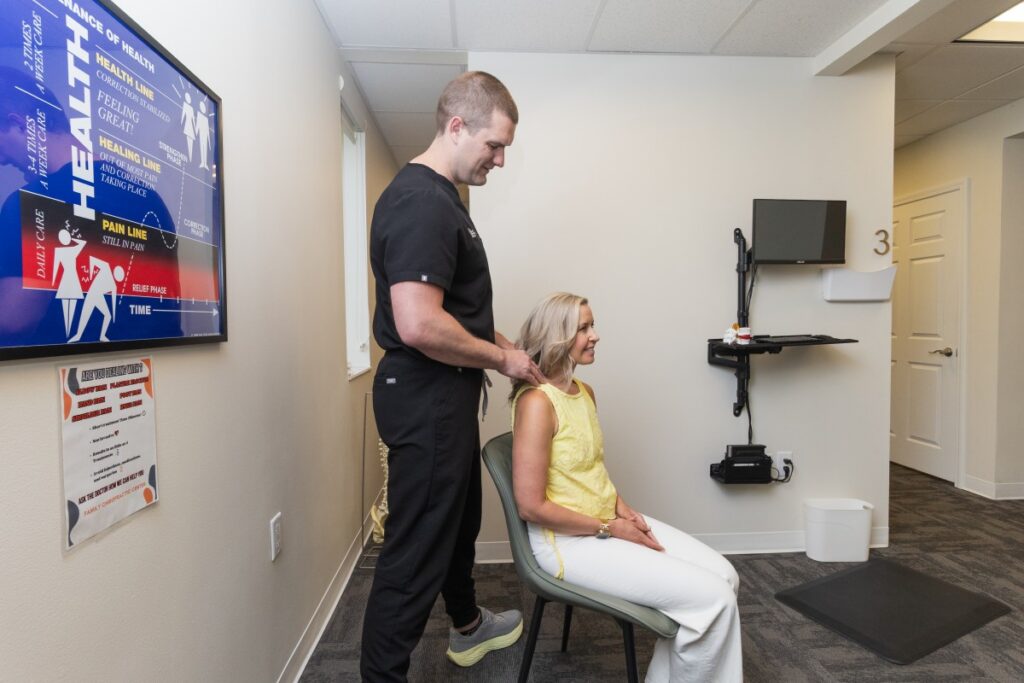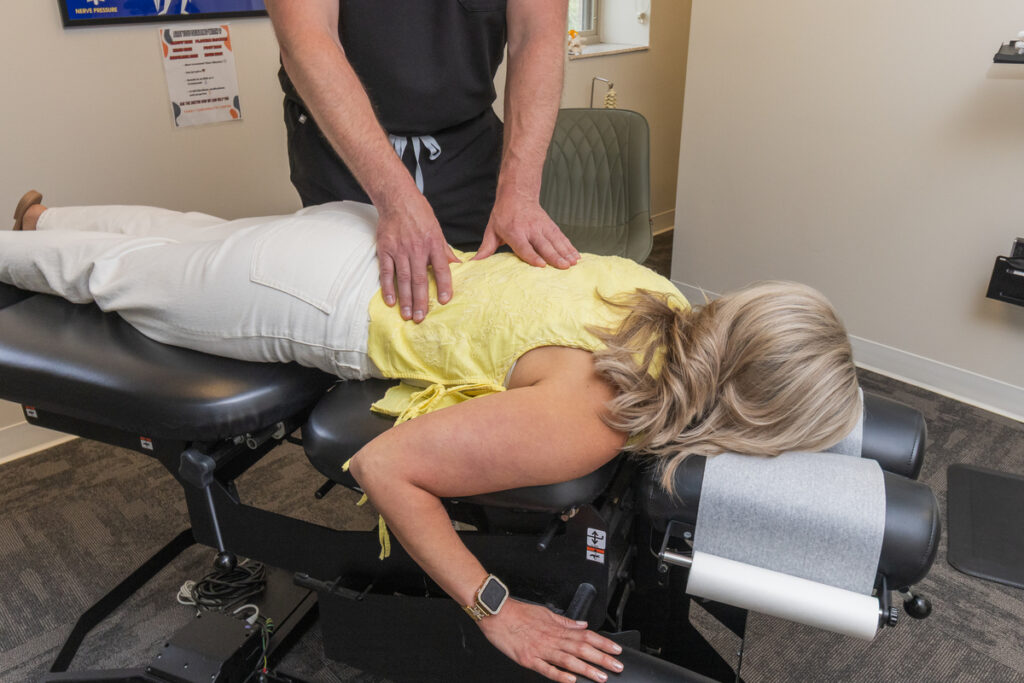


Athletes are built with a certain kind of mental toughness. The ability to push through discomfort, to keep going when your body is begging you to stop — that mindset is often what separates good athletes from great ones. But there’s a critical difference between healthy exertion and ignoring early warning signs that your body is sending you. Here in McKees Rocks, PA, Dr. Kevin Hartung at Family Chiropractic Center sees this pattern regularly: athletes of all ages and skill levels who waited too long before addressing pain, and who ended up dealing with far more serious injuries as a result. If you’re an athlete — weekend warrior, high school competitor, or seasoned pro — this article is for you.
What Are “Early Warning Signs” in Athletes?
Early warning signs are your body’s initial signals that something isn’t quite right in the muscles, joints, nerves, or connective tissues. They often appear as mild discomfort, stiffness, reduced range of motion, or subtle performance changes — long before a full-blown injury occurs. Recognizing and responding to these signals early can be the difference between a minor setback and months on the sidelines.
The Culture of “Playing Through Pain”
In almost every sport, there exists an unspoken code: real athletes don’t complain about pain. Coaches shout it from the sidelines. Teammates reinforce it in the locker room. Media celebrates athletes who heroically return from injury ahead of schedule. It’s deeply embedded in sports culture, and to some degree, it has value. Mental resilience matters. Discomfort during conditioning is normal. Not every ache signals danger.
But this culture also has a dark side. It teaches athletes — especially young ones — to dismiss signals their bodies are desperately trying to communicate. The result is often a minor strain that becomes a tear, or a manageable joint issue that progresses into a chronic, debilitating condition. At Family Chiropractic Center in McKees Rocks, PA, Dr. Kevin Hartung works with athletes who have fallen into this exact trap. The conversation almost always starts the same way: “I thought it would just go away on its own.”
The truth is, some discomfort does resolve on its own. But certain types of pain are your nervous system waving a red flag. Learning to tell the difference is one of the most important skills an athlete can develop — and it’s something that proper evaluation and education can genuinely help with.
Common Early Warning Signs Athletes Ignore
Early warning signs don’t always feel dramatic. That’s exactly why they’re so easy to brush off. But these subtle symptoms are often the body’s first attempt to get your attention before a more serious problem develops.
One of the most commonly dismissed signs is persistent stiffness — particularly in the neck, lower back, or hips — that doesn’t resolve after warming up. Most athletes expect some stiffness before activity. But when that stiffness lingers into and after a workout, or starts showing up even on rest days, it’s telling you something. Similarly, joint pain that has changed in character — from occasional to frequent, or from mild to moderate — deserves attention rather than another round of ice and anti-inflammatories.
Sharp, shooting, or radiating pain is another warning sign that shouldn’t be ignored. When pain travels down the arm or leg, it may indicate nerve involvement — something that, if left unaddressed, can become significantly more complex to manage. Numbness, tingling, or a “pins and needles” sensation in the extremities falls into this same category.
Athletes also commonly overlook changes in their movement patterns. If you find yourself unconsciously favoring one side, adjusting your stride, or modifying your throwing or swinging mechanics to avoid discomfort, your body is compensating. Compensation patterns protect in the short term but place abnormal stress on surrounding joints and tissues — setting the stage for secondary injuries down the road.
What Happens When You Ignore the Signals
The musculoskeletal system is remarkably interconnected. When one area is under stress or not functioning properly, neighboring structures pick up the slack. This is a beautiful adaptation in the short term, but over time, it creates a cascade of problems. A hip that isn’t moving correctly places extra demand on the lumbar spine. A shoulder that lacks proper mobility shifts stress to the neck and upper back. These downstream effects are a major reason why “a little knee pain” can eventually show up as hip or low back pain if left unaddressed.
Inflammation is another important piece of this puzzle. Minor tissue irritation and inflammation are normal responses to athletic training. But when inflammation becomes chronic — because the underlying cause hasn’t been addressed — it breaks down tissue over time and impairs the body’s natural healing process. Research published through organizations like the National Institutes of Health has consistently highlighted the importance of early intervention in musculoskeletal conditions to prevent progression to chronic pain states.
There’s also the issue of movement quality. Athletes who train through pain often develop poor biomechanics without realizing it. These faulty patterns can become deeply ingrained, making them harder to correct later — even after the original pain source is resolved. This is particularly relevant for young athletes in McKees Rocks, PA and surrounding areas, whose movement habits are still forming during critical developmental stages.
How Chiropractic Care Fits Into Athletic Health
Chiropractic care has a well-established role in supporting athletic performance and recovery. It’s non-invasive, drug-free, and focused on restoring proper function to the spine, joints, and nervous system — all of which are foundational to how the body moves and performs under stress.
At Family Chiropractic Center in McKees Rocks, Dr. Kevin Hartung takes a thorough, individualized approach to each athlete. Rather than simply treating the site of pain, the focus is on understanding why the pain is occurring — what’s happening in the spine, the surrounding soft tissues, and the overall movement pattern that may be contributing to the problem. This root-cause perspective is especially valuable for athletes, because surface-level symptom management rarely leads to lasting results.
Chiropractic adjustments help restore proper joint mobility and alignment, which can reduce pain, decrease muscle tension, and improve the nervous system’s ability to coordinate movement efficiently. Evidence from the American Chiropractic Association and multiple peer-reviewed sources indicates that spinal manipulation can be an effective component of care for common athletic complaints including low back pain, neck pain, and extremity joint dysfunction. When combined with soft tissue therapy, rehabilitative guidance, and ergonomic coaching, the overall approach becomes a powerful tool for keeping athletes healthy and performing well.
Many professional and collegiate sports teams now have chiropractors on staff — and that trend has filtered down to local communities like McKees Rocks, PA, where athletes at every level are beginning to recognize that proactive chiropractic care isn’t just for when things go wrong. It’s a regular part of staying in top condition.
Practical Tips for Athletes
Protecting your body as an athlete isn’t just about training hard — it’s about training smart. One of the most impactful things you can do is develop an honest relationship with the signals your body sends. Take note when something feels “off,” even if it doesn’t yet feel serious. Journaling your symptoms briefly after workouts can help you identify patterns that might otherwise go unnoticed.
Prioritizing warm-up and cool-down routines is not optional — it’s essential maintenance. A proper warm-up increases blood flow to the muscles and prepares the nervous system for the demands of your sport. A thorough cool-down helps transition the body back to a resting state and supports the removal of metabolic byproducts from working muscles. Skipping these steps consistently creates an environment where minor tissue stress accumulates into injury.
Sleep and recovery are often the most undervalued performance tools an athlete has. The body repairs tissue, consolidates movement patterns, and restores hormonal balance during sleep. Chronic sleep deprivation doesn’t just make you tired — it compromises your tissues’ ability to heal and increases your overall injury risk. Aim to make recovery as intentional as your training.
Finally, don’t wait until pain is severe before seeking evaluation. Getting checked out when something feels slightly wrong — rather than waiting until you can’t train at all — is almost always the wiser, faster path back to full performance.
When to See a Chiropractor
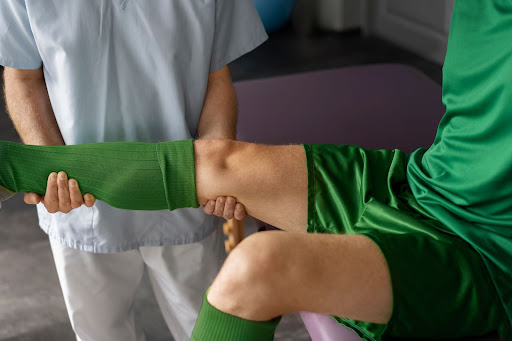
If you’re an athlete experiencing any of the early warning signs described above, a chiropractic evaluation is a sensible and proactive first step. You don’t need to be in severe pain to benefit from an assessment. In fact, the earlier a biomechanical issue is identified, the simpler and faster the path to resolution tends to be.
Consider reaching out to Dr. Kevin Hartung at Family Chiropractic Center if you’re dealing with recurring stiffness or soreness that isn’t resolving with rest, pain that’s changing in intensity or frequency, discomfort that’s affecting your mechanics or performance, or radiating, sharp, or nerve-like pain in the arms or legs.
There are, however, situations that require immediate medical attention rather than chiropractic care. These include acute trauma with visible deformity, suspected fractures, loss of bladder or bowel control, sudden severe headache following a head injury, or any neurological symptoms that appear suddenly and progress rapidly. In these cases, go directly to an emergency room or urgent care facility. A good chiropractor will always refer you appropriately when necessary — and Dr. Kevin Hartung at Family Chiropractic Center takes that responsibility seriously.
Muscle Soreness vs. Injury Warning Signs
Characteristic |
Normal Muscle Soreness |
Potential Injury Warning Sign |
|---|---|---|
Onset |
Gradual, typically 24–48 hours post-exercise |
During activity or immediately after |
Location |
Diffuse, across the muscle belly |
Localized, sharp, or at a specific point |
Duration |
Resolves within 3–5 days with rest |
Persists beyond a week or worsens over time |
Character |
Dull ache, tenderness to touch |
Sharp, burning, stabbing, or radiating |
Effect on Movement |
Mild stiffness but full range of motion |
Restricted motion, compensatory patterns |
Response to Warm-Up |
Improves significantly with movement |
Persists or worsens during activity |
Myths vs. Facts About Athletes and Pain
Myth: If you can still perform, the pain isn’t serious.
Fact: Many significant injuries — including stress fractures, labral tears, and nerve entrapments — can be “played through” in the early stages. The ability to continue performing does not mean the underlying problem is minor. In fact, continuing to train through these conditions often accelerates the damage and extends recovery time significantly.
Myth: Chiropractic care is only for back pain.
Fact: While chiropractic care is well known for addressing back and neck pain, its scope in athletic care extends to shoulder, elbow, hip, knee, and ankle complaints as well. Chiropractic evaluation looks at the entire kinetic chain — how all the moving parts of the body interact — making it a genuinely whole-body approach to athlete care.
Myth: Rest is always the best cure for athletic pain.
Fact: Rest can be an important part of recovery, but it isn’t always sufficient on its own. If the underlying cause of pain — such as a joint alignment issue, movement dysfunction, or muscle imbalance — isn’t addressed, pain often returns as soon as training resumes. Active, guided care tends to produce more durable outcomes than passive rest alone.
Myth: You should wait until the season is over to address injuries.
Fact: Delaying care almost always makes injuries more complex to treat. What might resolve in a few visits early in the season can evolve into a chronic condition requiring months of rehabilitation if ignored. Many chiropractic care plans are designed to work around an active training and competition schedule.
Myth: Young athletes bounce back on their own and don’t need professional evaluation.
Fact: Young athletes are not invincible. Growing bodies are actually particularly vulnerable to certain types of overuse injuries, and movement habits established during youth can affect long-term musculoskeletal health. Early evaluation and education for young athletes in McKees Rocks, PA is one of the most impactful investments a family can make in a child’s athletic future.
Final Thoughts
Being a dedicated athlete means honoring both the demands of your sport and the needs of your body. Those two things don’t have to be in conflict. The ability to push hard and the wisdom to listen to early warning signs can absolutely coexist — and that combination is what produces long, sustainable athletic careers rather than ones cut short by preventable injury.
At Family Chiropractic Center in McKees Rocks, PA, Dr. Kevin Hartung genuinely enjoys working with athletes at every level — from youth sports to adult recreational leagues to competitive athletes who take their training seriously. The goal isn’t just to get you out of pain. It’s to help you understand your body better, move more efficiently, and stay in the game longer. If you’ve been brushing off an ache or telling yourself it’ll go away, consider this your sign to get it checked out. Your future self — and your performance — will thank you.
Frequently Asked Questions
Can chiropractic care help prevent sports injuries?
Chiropractic care can play a role in injury prevention by identifying and addressing movement dysfunction, joint restrictions, and muscle imbalances before they progress into injuries. Regular chiropractic check-ins are increasingly recognized as part of a proactive athletic health strategy. While no approach can guarantee prevention of all injuries, maintaining proper biomechanical function significantly reduces risk.
How soon after a sports injury should I see a chiropractor?
In most cases, the sooner the better — as long as a serious injury such as a fracture has been ruled out. Early evaluation allows for faster identification of the problem and a more targeted care plan. If you’re unsure whether your injury warrants chiropractic or medical care first, a brief call to Family Chiropractic Center in McKees Rocks, PA can help point you in the right direction.
Is chiropractic care safe for young and teenage athletes?
Yes, chiropractic care is generally considered safe and appropriate for young athletes when delivered by a qualified chiropractor. Techniques are always adapted to suit the patient’s age, size, and condition. Dr. Kevin Hartung has experience working with patients across a wide range of ages, including adolescents involved in competitive sports.
What’s the difference between a sports medicine doctor and a chiropractor?
Sports medicine physicians typically focus on diagnosing injuries, managing medications, and coordinating surgical referrals when needed. Chiropractors focus on non-invasive, hands-on care to restore joint function, reduce pain, and support recovery through musculoskeletal and nervous system assessment. The two approaches can complement each other well in a comprehensive care plan.
Do I need a referral to see a chiropractor for a sports injury?
In most cases, you do not need a physician referral to schedule a chiropractic evaluation. You can contact Family Chiropractic Center in McKees Rocks, PA directly to set up an initial consultation. It’s always a good idea to bring any relevant imaging or medical records from prior evaluations if you have them.
Will chiropractic treatment interfere with my training schedule?
In most cases, chiropractic care is designed to work alongside your training — not replace it. Dr. Kevin Hartung can work with you to develop a care approach that supports your performance goals while addressing underlying issues. Recommendations will always be tailored to your individual situation and competitive timeline.
TL;DR Summary
-
Early warning signs like persistent stiffness, radiating pain, and movement compensation deserve attention — not dismissal.
-
Ignoring these signals often turns minor issues into more complex, longer-lasting injuries.
-
Chiropractic care offers a non-invasive, drug-free approach to identifying and addressing the root causes of athletic pain and dysfunction.
-
Dr. Kevin Hartung at Family Chiropractic Center in McKees Rocks, PA works with athletes of all levels to support performance, recovery, and long-term musculoskeletal health.
-
The smartest play an athlete can make is getting evaluated early — before pain becomes a serious problem.