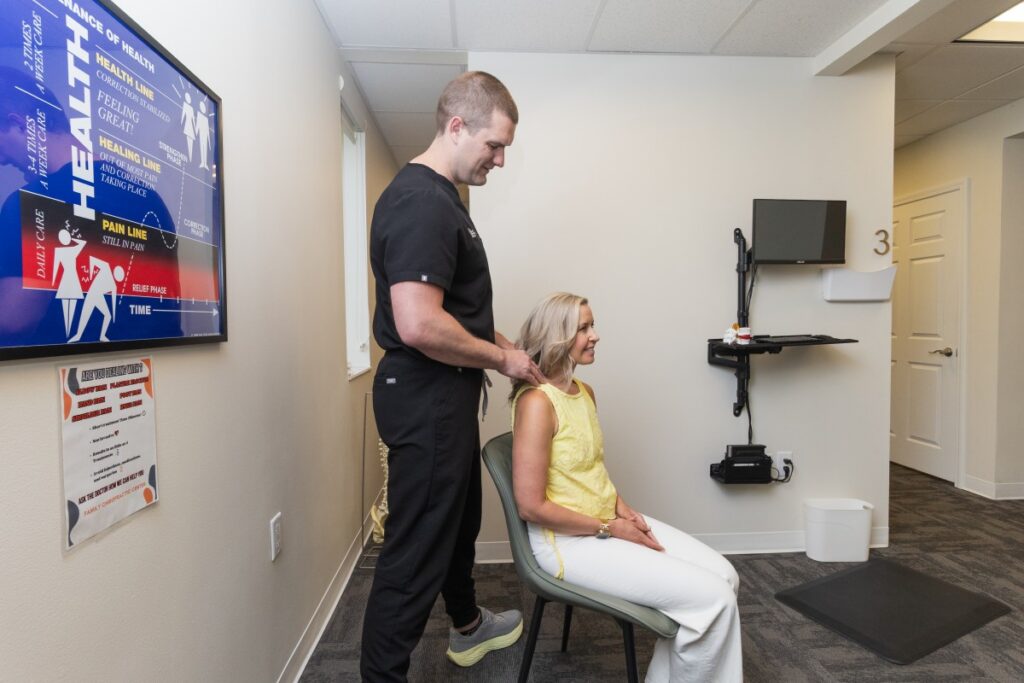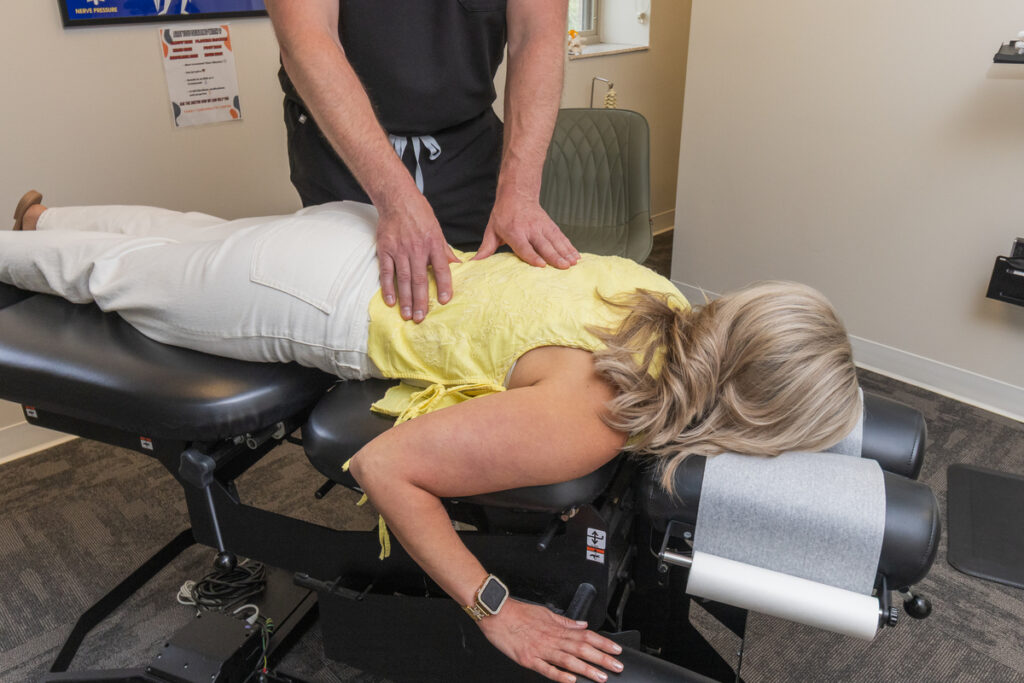
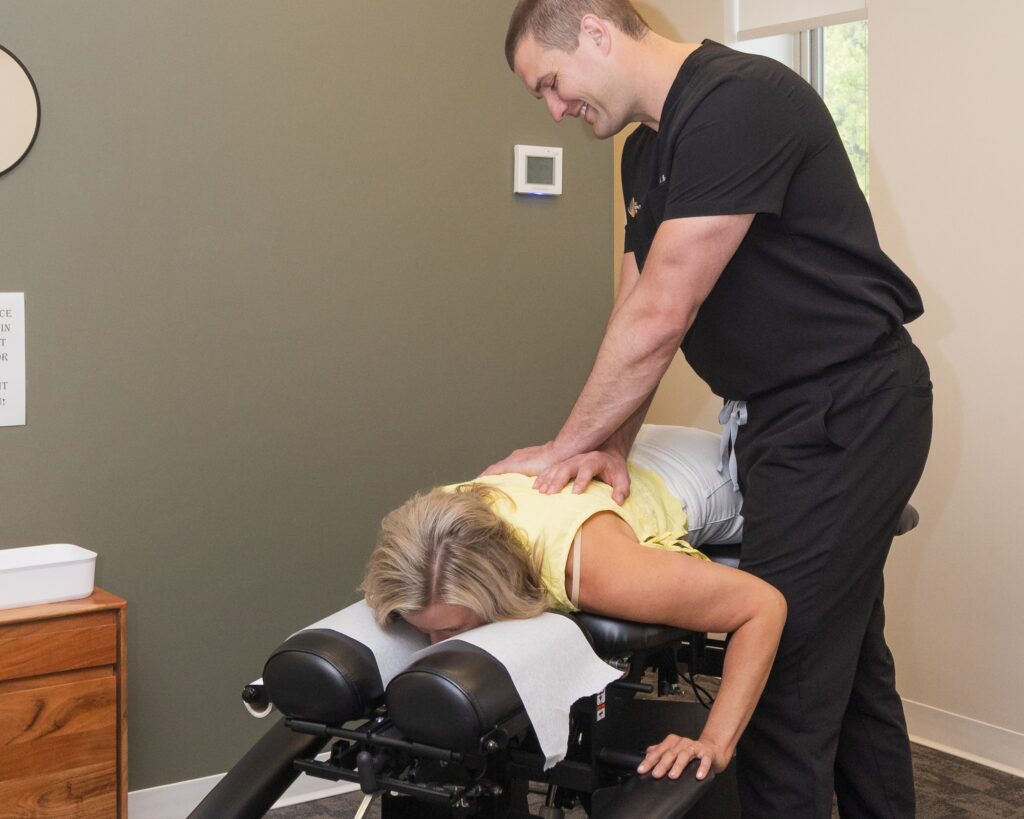

If you’ve been living with persistent back pain, radiating leg pain, or that deep, nagging ache that just won’t quit no matter what you try, you’ve probably searched for answers. Maybe a friend mentioned spinal decompression, or your own research brought you here. Whatever path led you to this article, you’re in the right place. Spinal decompression is one of the most misunderstood — yet genuinely helpful — approaches in conservative spine care, and understanding what it actually is can make a real difference in the decisions you make about your health. Here at Family Chiropractic Center in McKees Rocks, PA, Dr. Kevin Hartung works with patients every day who are looking for non-surgical, drug-free options for their back and neck pain. This article will walk you through everything you need to know.
What Is Spinal Decompression?
Spinal decompression is a non-invasive therapy designed to gently stretch the spine, reducing pressure on compressed discs and nerves. It can be performed manually by a chiropractor or with the help of a motorized traction table. The goal is to create negative pressure within the disc, which may help retract bulging or herniated disc material, promote nutrient flow, and relieve nerve irritation. It is not a surgical procedure and does not require anesthesia or recovery time.
-
How Chiropractic Care and Spinal Decompression Work Together
-
Comparison: Spinal Decompression vs. Other Common Approaches
How Spinal Decompression Works
To understand why spinal decompression can be so effective, it helps to think about what’s actually happening inside your spine. Your spinal discs are soft, gel-like cushions that sit between each of your vertebrae. They absorb shock, allow movement, and protect the nerves that run through and alongside your spinal column. Over time — due to age, poor posture, repetitive stress, or injury — these discs can become compressed, dehydrated, or displaced.
When a disc bulges or herniates, it can press on nearby nerve roots, creating pain that radiates down your arm or leg. That burning, tingling sensation that shoots into your leg? That’s often a compressed nerve root at work. Spinal decompression therapy addresses this by applying a gentle, controlled distraction force to specific segments of the spine. This creates a subtle negative pressure within the disc space, which may draw the displaced disc material back toward its natural position and allow the disc to absorb water, oxygen, and nutrients it may have been lacking.
During a typical decompression session, you lie fully clothed on a specialized table. A harness is fitted around your pelvis or your neck depending on whether the treatment targets the lower or upper spine. The table then gently and rhythmically stretches and relaxes the spine in a controlled pattern. Most patients describe the experience as mild and comfortable — many even fall asleep. Sessions typically last between 15 and 30 minutes, and a full course of care usually involves multiple visits over several weeks.
Conditions That May Benefit from Spinal Decompression
Spinal decompression therapy is not a one-size-fits-all treatment, and it isn’t appropriate for every type of back pain. However, evidence suggests it may be particularly helpful for a number of specific conditions affecting the spine’s discs and nerves.
Disc herniation is one of the most common reasons patients seek out spinal decompression. When the inner gel of a disc pushes through the outer wall, it can irritate or compress nearby nerve roots. Decompression therapy attempts to reduce that pressure and encourage the disc to return to a healthier position. Degenerative disc disease — a condition where the discs between vertebrae gradually lose height and hydration — is another area where decompression may offer relief by restoring some of that lost disc space and improving fluid movement within the disc.
Sciatica, which refers to pain that travels along the sciatic nerve from the lower back down through the buttock and into the leg, is a condition that brings many patients to Family Chiropractic Center in McKees Rocks. When sciatica is caused by disc compression or herniation, spinal decompression may help reduce that irritation at the source. Facet syndrome, spinal stenosis in its milder forms, and posterior facet syndrome are also conditions that some patients find respond well to decompression therapy.
It’s important to note that spinal decompression is not recommended for everyone. Patients with fractures, tumors, advanced osteoporosis, certain spinal implants, or those who are pregnant should not undergo this therapy. This is exactly why a thorough evaluation by a qualified chiropractor like Dr. Kevin Hartung is essential before beginning any course of care.
How Chiropractic Care and Spinal Decompression Work Together
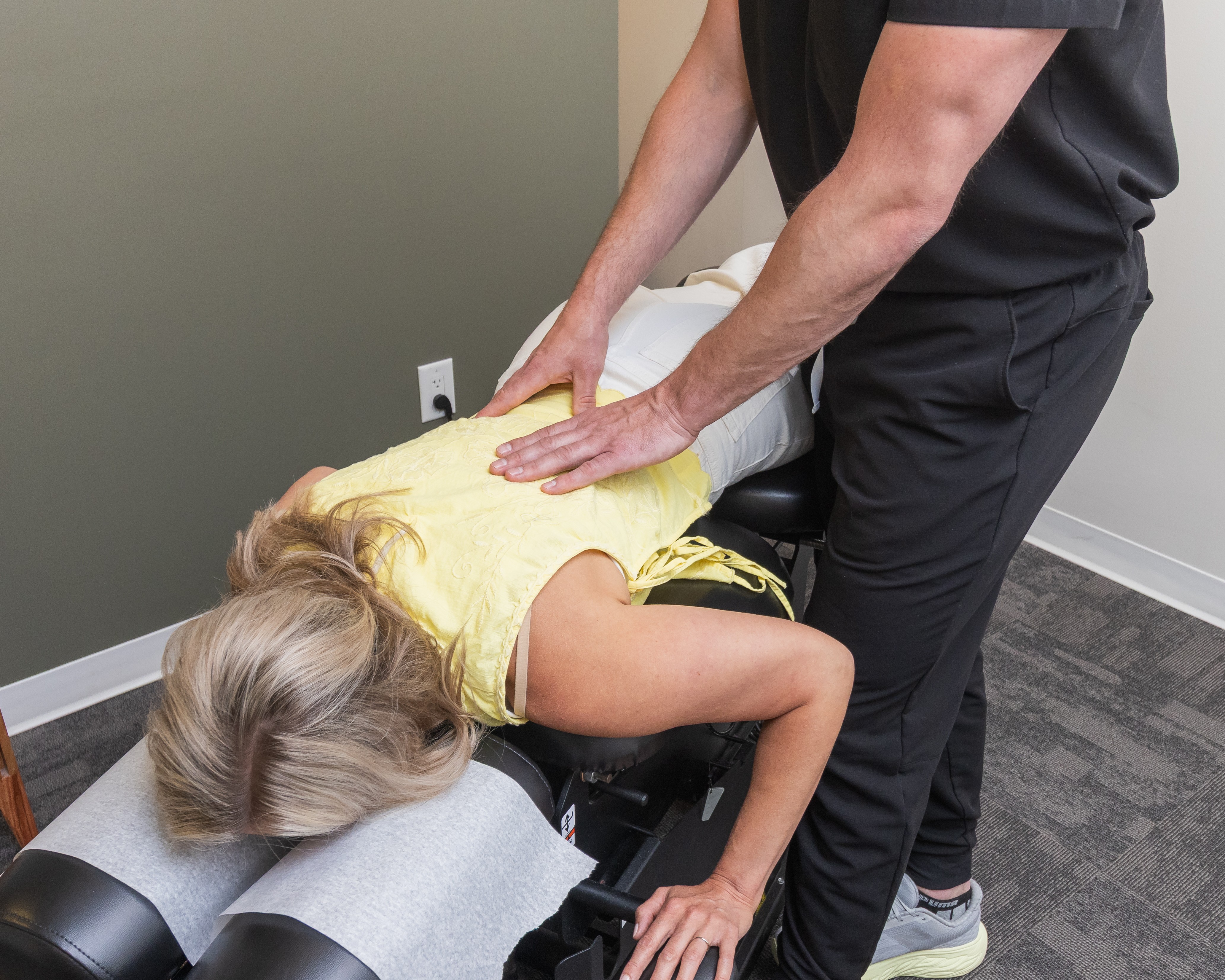
Spinal decompression rarely works best in isolation. At Family Chiropractic Center in McKees Rocks, PA, Dr. Kevin Hartung takes an integrated approach to spinal health. Decompression therapy is most effective when paired with chiropractic adjustments, rehabilitative exercises, and lifestyle guidance tailored to each patient’s unique situation.
Chiropractic adjustments help restore proper motion and alignment to the vertebral joints. When a joint is restricted or misaligned, it places extra stress on surrounding structures, including the discs. By improving joint mobility through targeted adjustments, chiropractic care creates a better foundation for the decompression therapy to work within. Think of it this way: decompression works on the disc itself, while chiropractic care addresses the joint mechanics and surrounding muscle tension that may have contributed to the disc problem in the first place.
Beyond hands-on care, Dr. Kevin Hartung also focuses on helping patients understand the movement patterns, postural habits, and daily behaviors that may be putting their spine at risk. Education is a cornerstone of care at Family Chiropractic Center. When patients understand how their spine works and what stresses it, they become active participants in their own recovery — and that makes all the difference in long-term outcomes.
Research published in sources like the Journal of the American Medical Association and reviewed by organizations such as the American College of Physicians has increasingly supported conservative, non-surgical care as a first-line approach for most types of back pain. Spinal decompression, delivered within a thoughtful chiropractic care plan, fits squarely within that evidence-informed framework.
Practical Tips to Support Your Spine
Whether you’re currently undergoing spinal decompression therapy or just beginning to explore your options, there are meaningful steps you can take every single day to support your spinal health. These aren’t complicated or expensive — they’re simple habits that can add up to significant protection over time.
Pay close attention to how you sit. Poor seated posture is one of the most consistent contributors to disc stress that Dr. Kevin Hartung sees in patients at Family Chiropractic Center. When you sit for long periods, especially hunched over a screen, the discs in your lower back bear an enormous amount of compressive load. Sitting upright with your feet flat on the floor, your knees roughly level with your hips, and a small arch maintained in your lower back significantly reduces that load. If you work at a desk here in McKees Rocks or anywhere else, try to get up and move for a couple of minutes at least once every hour.
Staying hydrated matters more than most people realize. Your spinal discs are largely made of water. When you’re chronically dehydrated, your discs lose their ability to cushion the vertebrae above and below them effectively. Drinking adequate water throughout the day is one of the simplest things you can do for disc health.
Gentle movement is generally better than complete rest for most back conditions. Light walking, gentle stretching, and low-impact activities help maintain blood flow to the spine, keep muscles activated, and prevent the stiffness that often makes pain worse. Always consult with your chiropractor before starting any new exercise routine, especially if you have an active disc condition.
When to See a Chiropractor About Spinal Decompression
If you’ve been dealing with back or neck pain for more than a few weeks and it hasn’t improved with rest or basic self-care, that’s a reasonable signal to get a professional evaluation. Pain that radiates down your arm or leg, numbness, tingling, or weakness in a limb, or pain that is consistently worse in the morning or after prolonged sitting are all signs that your spine deserves a closer look.
Spinal decompression may be worth discussing with Dr. Kevin Hartung if you’ve already tried other conservative measures — pain relievers, rest, or basic stretching — and haven’t found lasting relief. It’s also worth exploring if you’ve been told you may need surgery but want to try every non-invasive option first. Many patients find that a well-structured course of chiropractic care that includes decompression therapy allows them to avoid surgery entirely, though outcomes vary from person to person and no guarantees can be made.
On the other hand, there are situations where immediate medical attention is warranted rather than chiropractic care. If your back pain is accompanied by loss of bladder or bowel control, numbness in the groin or inner thighs, severe and sudden onset of weakness, unexplained weight loss, or pain following a significant trauma, please seek emergency medical care right away. These symptoms can indicate serious conditions that require urgent evaluation beyond the scope of conservative chiropractic treatment.
Comparison: Spinal Decompression vs. Other Common Approaches
|
Approach |
Invasiveness |
Target |
Recovery Time |
Best For |
|---|---|---|---|---|
|
Spinal Decompression Therapy |
Non-invasive |
Disc pressure, nerve compression |
None required |
Disc herniation, sciatica, DDD |
|
Chiropractic Adjustments |
Non-invasive |
Joint mobility, spinal alignment |
None required |
Joint restriction, muscle tension, posture |
|
Pain Medication |
Non-invasive (systemic) |
Pain signal management |
None required |
Short-term symptom relief |
|
Epidural Steroid Injection |
Minimally invasive |
Nerve inflammation |
Brief (hours to days) |
Acute nerve inflammation, temporary relief |
|
Spinal Surgery (e.g., Discectomy) |
Invasive |
Structural disc or nerve problem |
Weeks to months |
Severe structural damage, failed conservative care |
Myths vs. Facts About Spinal Decompression
Myth: Spinal Decompression Is Just Fancy Traction
Fact: While both involve stretching the spine, modern spinal decompression differs from traditional traction in meaningful ways. Decompression tables use computer-controlled, variable tension that is carefully calibrated to avoid muscle guarding — the reflex contraction that can occur with older traction methods. This allows for more targeted, therapeutic negative pressure within the disc itself rather than a generalized stretch of the spine.
Myth: Spinal Decompression Is Painful
Fact: Most patients find spinal decompression therapy to be quite comfortable and relaxing. The gentle, rhythmic nature of the distraction force is designed to avoid triggering pain or muscle spasm. Some patients feel mild soreness in the first few sessions as their body adjusts, similar to how muscles might feel after beginning a new exercise routine, but sharp pain is not a normal part of the experience.
Myth: If It Helps Once, You’ll Need It Forever
Fact: A well-designed care plan aims to help patients reach a point where they are managing their spinal health independently. While some patients with degenerative conditions do benefit from periodic maintenance visits, the goal is never indefinite dependence on in-office treatment. Dr. Kevin Hartung at Family Chiropractic Center emphasizes home exercise guidance, lifestyle modification, and education so that patients can maintain the gains they achieve through care.
Myth: Surgery Is Always More Effective Than Decompression
Fact: For many patients, conservative care — including spinal decompression — produces outcomes comparable to surgical intervention for specific conditions like disc herniation and sciatica. Guidelines from organizations like the American College of Physicians recommend exhausting conservative care options before considering surgery for most cases of non-emergency back pain. Surgery carries real risks and a significant recovery burden, which is why evidence-based providers recommend trying conservative approaches first.
Myth: Spinal Decompression Works for Any Type of Back Pain
Fact: Spinal decompression is a targeted therapy best suited for disc-related conditions and nerve compression. It is not the right tool for every back pain diagnosis. Muscle strains, sacroiliac joint dysfunction, and certain types of spinal stenosis may respond better to other approaches. A proper examination and diagnosis is essential to determining whether decompression is appropriate for your specific situation.
Final Thoughts from Family Chiropractic Center
Living with back pain is exhausting — physically, emotionally, and in every other way. If you’ve been searching for a path forward that doesn’t start with surgery or long-term medication use, spinal decompression therapy may be a valuable option worth exploring. Like any treatment, it isn’t magic, and it isn’t right for everyone. But for the right candidate, it can provide meaningful, lasting relief as part of a comprehensive, conservative care plan.
Here in McKees Rocks, PA, our community deserves access to thoughtful, patient-centered spinal care that takes the time to actually understand what’s going on before recommending a course of action. That’s exactly what Dr. Kevin Hartung and the team at Family Chiropractic Center are committed to providing. Whether you’re a long-time patient or someone who has never set foot in a chiropractic office before, you’ll be treated with respect, honesty, and genuine care.
If spinal decompression sounds like something that might help you, or if you simply want to better understand your options, we encourage you to reach out to Family Chiropractic Center. A thorough evaluation is the best first step — and it just might be the step that changes everything for your spinal health.
Frequently Asked Questions
How many spinal decompression sessions will I need?
The number of sessions varies depending on your specific condition, how long you’ve had it, and how your body responds to care. Many patients begin to notice improvement within the first several sessions, though a typical course of care often spans several weeks. Dr. Kevin Hartung will evaluate your progress and adjust your plan accordingly.
Is spinal decompression covered by insurance?
Coverage for spinal decompression therapy varies widely between insurance plans. Some plans cover it under chiropractic or physical therapy benefits, while others may classify it differently. It’s best to contact Family Chiropractic Center directly and check with your insurance provider to understand your specific coverage.
Can spinal decompression make my condition worse?
When properly indicated and performed by a qualified provider, spinal decompression is generally considered safe. However, this is exactly why a thorough intake evaluation and patient history review is conducted before starting care. Patients with certain contraindications — such as fractures, advanced osteoporosis, or specific implants — should not undergo this therapy, which is why professional screening matters.
Is there an age limit for spinal decompression therapy?
There is no strict age cutoff for spinal decompression. Patients of various ages have been treated with this therapy, from active adults in their thirties to older patients managing degenerative disc changes. What matters most is your overall health, the nature of your condition, and whether decompression is clinically appropriate — something Dr. Kevin Hartung assesses individually.
How is spinal decompression different from a regular chiropractic adjustment?
A chiropractic adjustment addresses the mobility and alignment of spinal joints through a controlled, targeted force. Spinal decompression, on the other hand, uses a sustained and rhythmic distraction force applied along the length of the spine to reduce disc pressure and promote disc health. Both can be used together as complementary tools within a broader care plan.
Do I need an MRI before starting spinal decompression therapy?
Not always, but imaging can be very helpful in guiding care decisions — especially if disc herniation or nerve compression is suspected. Dr. Kevin Hartung will review your history, perform a physical and chiropractic examination, and determine whether additional imaging is needed before recommending any course of care.
TL;DR Summary
-
Spinal decompression is a non-invasive therapy that gently stretches the spine to relieve pressure on discs and nerves — no surgery required.
-
It may be most helpful for disc herniation, sciatica, degenerative disc disease, and related nerve compression conditions.
-
It works best as part of a comprehensive chiropractic care plan that includes adjustments, rehabilitation, and lifestyle guidance.
-
Not everyone is a candidate — a thorough evaluation by a qualified chiropractor like Dr. Kevin Hartung at Family Chiropractic Center in McKees Rocks, PA is essential before starting.
-
Red flags like loss of bladder or bowel control, severe sudden weakness, or pain after trauma require immediate medical attention, not chiropractic care.