
If you’ve ever felt a sharp, burning sensation shooting down the back of your leg, you already know how completely sciatica can take over your life. Simple things — sitting at your desk, getting out of bed, walking to your car — suddenly become a real challenge. Here in McKees Rocks, PA, many patients come through the doors of Family Chiropractic Center describing exactly this kind of pain, often unsure what’s causing it or whether anything can help. The good news is that sciatica is one of the most well-studied conditions in conservative care, and chiropractic adjustments have emerged as a meaningful, drug-free approach for managing sciatic pain and helping people get back to doing the things they love.
What is sciatic pain? Sciatic pain — or sciatica — refers to pain that travels along the sciatic nerve, which runs from the lower back through the hips and buttocks, down each leg. It most often affects one side of the body and can range from a mild ache to an intense, debilitating jolt of pain. It is typically a symptom of an underlying issue in the spine rather than a condition on its own.
Understanding Sciatica: More Than Just Back Pain
Sciatica gets its name from the sciatic nerve, the longest and widest nerve in the human body. It originates in the lower lumbar spine (around the L4 and L5 vertebrae) and the sacrum, and it branches out through the buttocks and down the back of each leg, all the way to the feet. When this nerve becomes compressed, irritated, or inflamed at any point along its path, it sends pain signals through the entire region it serves.
What makes sciatica so disruptive is that it rarely stays in one spot. The pain can radiate far from its source, sometimes appearing more intensely in the calf or foot than in the lower back itself. This is called referred pain, and it is a hallmark of nerve-related discomfort. Many people in the McKees Rocks area initially think they’ve strained a leg muscle, not realizing the actual problem originates in their spine.
It’s important to understand that sciatica is not a diagnosis in itself — it is a symptom. Something in the lower spine or pelvis is placing pressure on the sciatic nerve root. Identifying the root cause is the first and most important step in finding effective relief. That is exactly where a thorough chiropractic evaluation becomes so valuable.
Common Causes of Sciatic Nerve Irritation
Several underlying conditions can lead to sciatic pain, and understanding them helps explain why chiropractic care can be such an effective part of the solution. The most frequently seen cause is a herniated or bulging disc. The discs that sit between your vertebrae act as cushions, and when the soft inner material pushes outward, it can press directly on a nearby nerve root, including the sciatic nerve.
Spinal stenosis is another common culprit. This refers to a narrowing of the spinal canal that can put pressure on the nerves traveling through it. It is more common in older adults and tends to cause sciatic-like symptoms that worsen with walking or standing. Degenerative disc disease, where the discs gradually lose height and hydration over time, can also reduce the space available for nerve roots and contribute to compression.
Subluxations — misalignments in the vertebrae — are a central concept in chiropractic care. Even subtle shifts in spinal alignment can affect the surrounding tissues and nerve pathways. Piriformis syndrome is another less commonly discussed but important cause. The piriformis muscle sits deep in the buttock, and when it becomes tight or inflamed, it can compress the sciatic nerve directly. Poor posture, prolonged sitting, and muscle imbalances are contributing factors that many of the patients Dr. Kevin Hartung sees at Family Chiropractic Center can relate to in their daily lives.
Recognizing the Signs and Symptoms
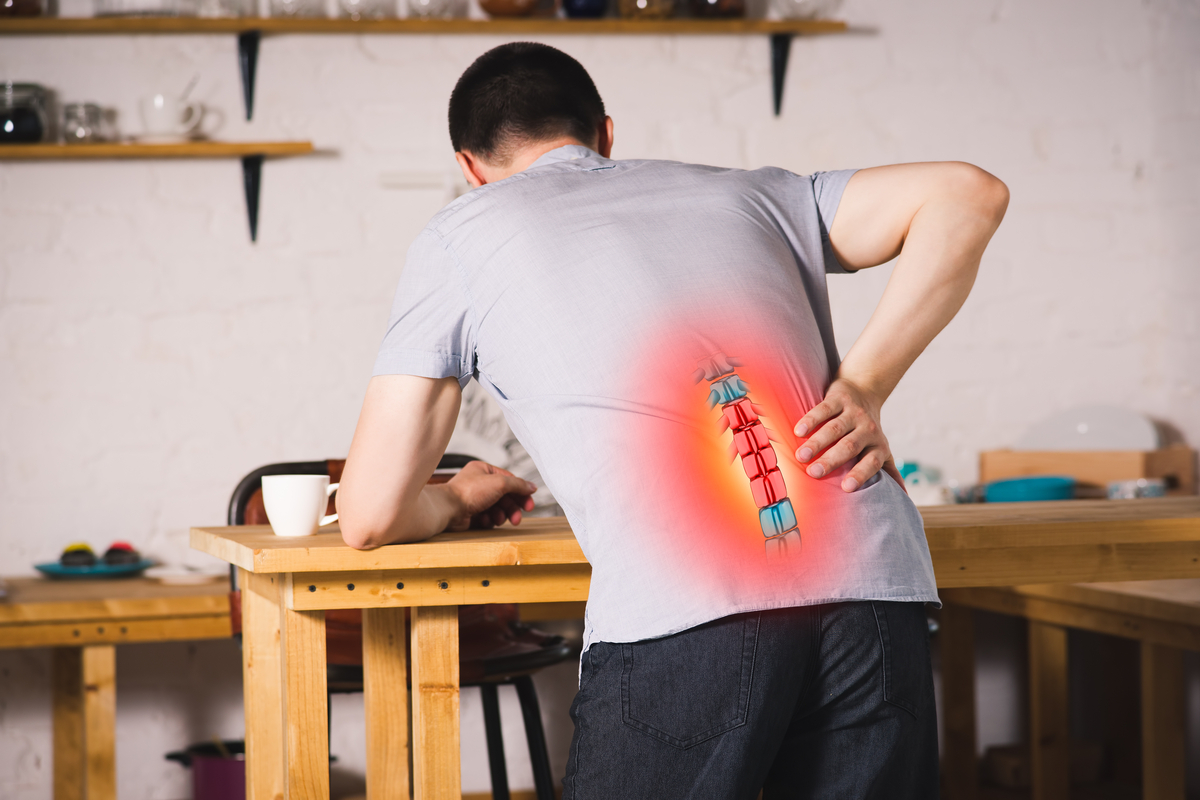
The classic sign of sciatica is a pain that starts in the lower back or buttock and radiates down one leg, sometimes all the way to the foot. But sciatic pain can feel different from person to person. Some people describe it as a sharp, stabbing sensation. Others say it feels more like a deep ache, a burning, or even an electric shock. Tingling and numbness along the back of the leg or into the toes are also common.
The pain often worsens with certain movements or positions. Sitting for long periods — especially in a car or at a desk — tends to aggravate it. Bending forward, coughing, or sneezing can trigger sudden flare-ups. Conversely, lying down or gently walking can sometimes provide temporary relief. Muscle weakness in the affected leg is a more serious sign that the nerve is significantly compressed and should prompt a prompt evaluation.
One thing Dr. Kevin Hartung consistently emphasizes to patients at Family Chiropractic Center is that no two sciatica cases are exactly alike. The location of the nerve compression, the underlying cause, and each person’s physical condition all shape how their symptoms present. That individual variability is one of the reasons a personalized assessment is so essential before beginning any course of care.
How Chiropractic Adjustments Help with Sciatic Pain
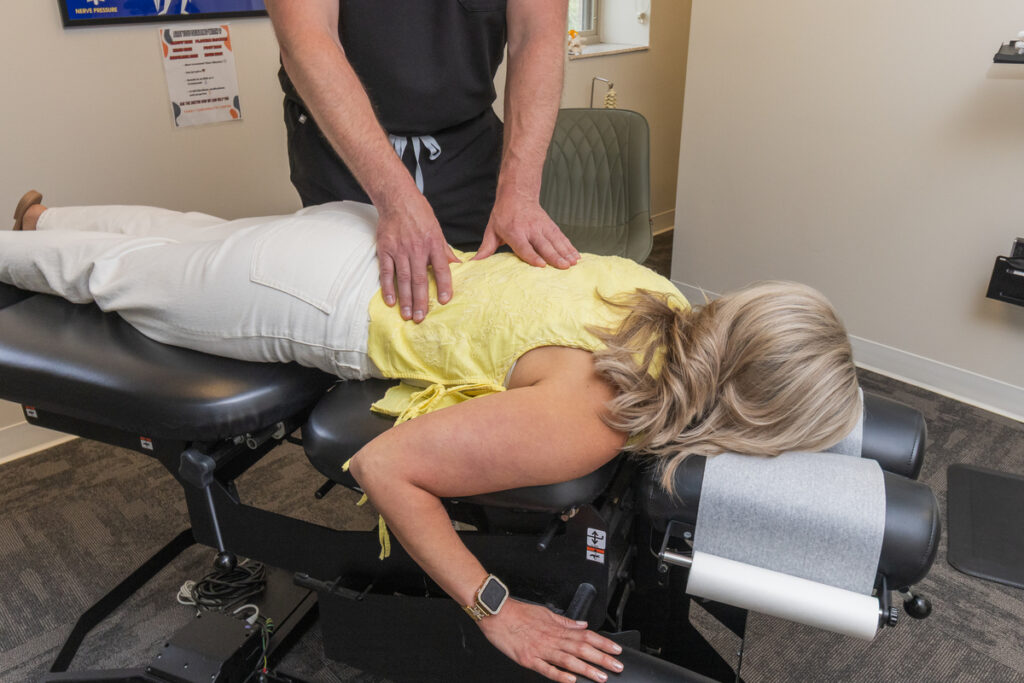
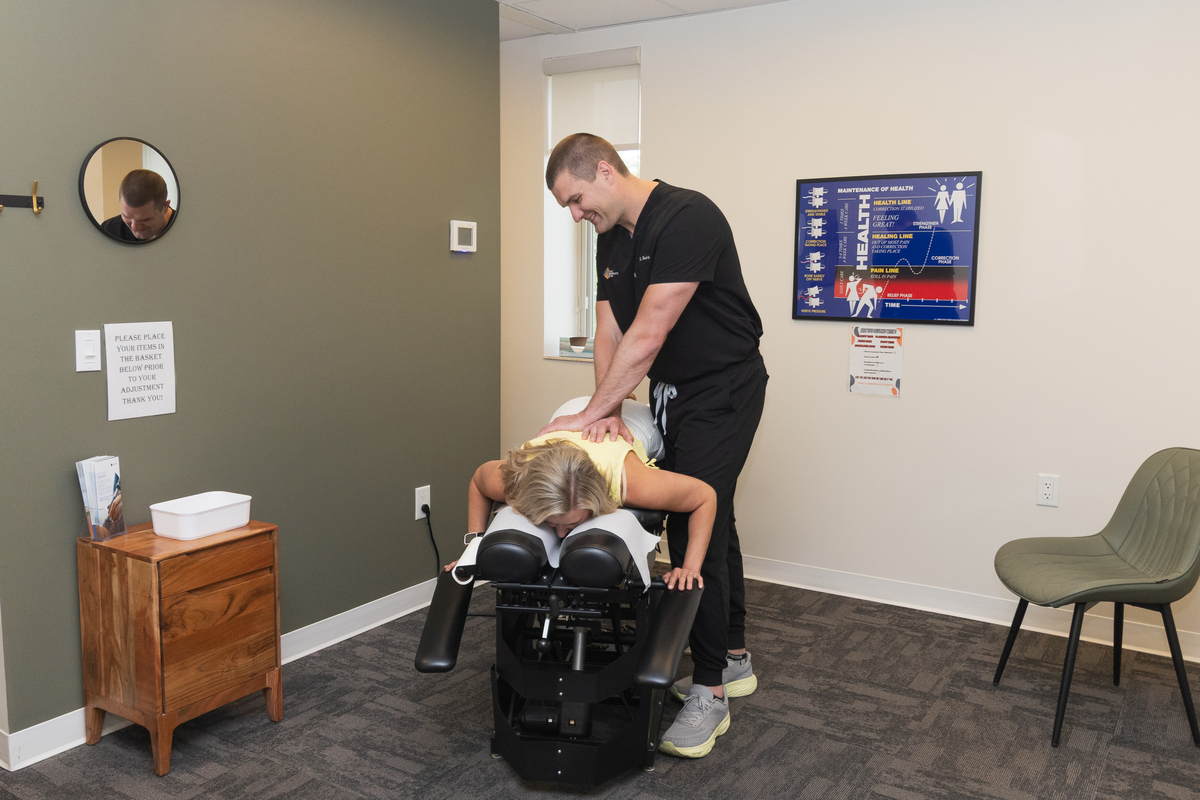
Chiropractic adjustments — also called spinal manipulations — involve applying controlled, gentle force to specific joints of the spine. The goal is to restore proper alignment, improve joint mobility, and reduce the mechanical stress being placed on the surrounding nerves and soft tissues. When it comes to sciatic pain, this approach directly addresses many of the underlying contributors to nerve compression.
Research published in organizations like the National Center for Complementary and Integrative Health (NCCIH) and evidence reviewed by the American Chiropractic Association suggests that spinal manipulation can be an effective, conservative option for managing lower back pain and associated nerve symptoms like sciatica. The evidence indicates that chiropractic care may help reduce the intensity of sciatic pain, improve function, and decrease the need for pain medications in some patients.
When a spinal adjustment restores proper positioning to a misaligned vertebra, it can relieve pressure on the nerve root and allow the surrounding tissues to begin healing. Reducing joint restriction also promotes better circulation and decreases local inflammation. Many patients report noticeable improvement in leg pain and mobility after a series of adjustments, though results vary depending on the cause and severity of the condition.
Beyond spinal adjustments, chiropractic care for sciatica often incorporates soft tissue therapies to address tight muscles like the piriformis, along with specific rehabilitative exercises designed to strengthen the core and support the lumbar spine. This well-rounded approach treats not just the symptom but the underlying biomechanical issues contributing to it.
What to Expect at Family Chiropractic Center
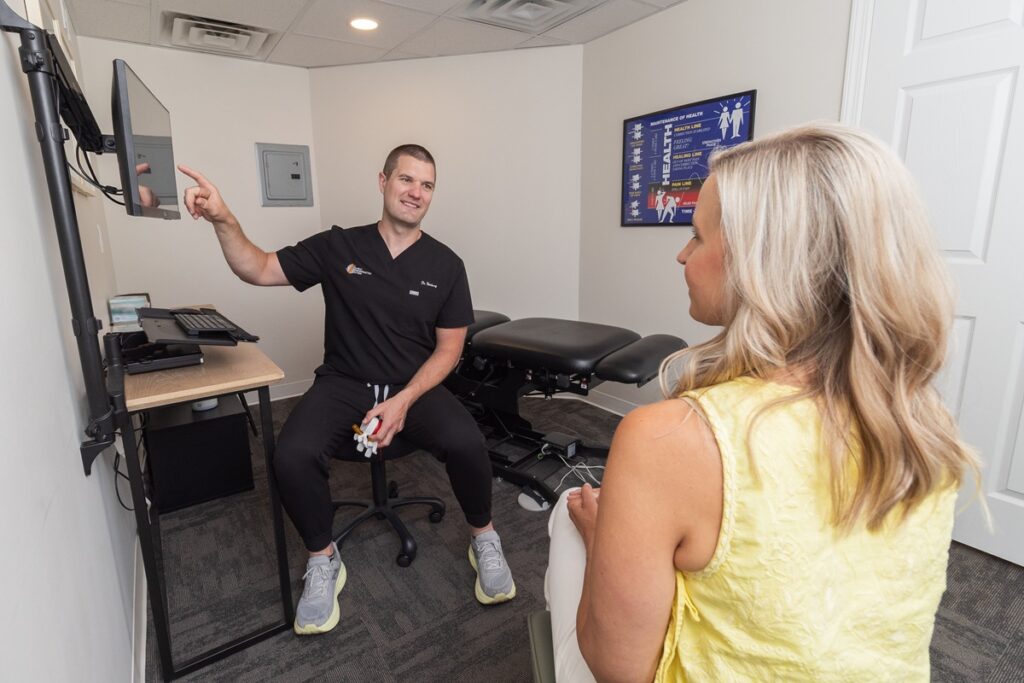
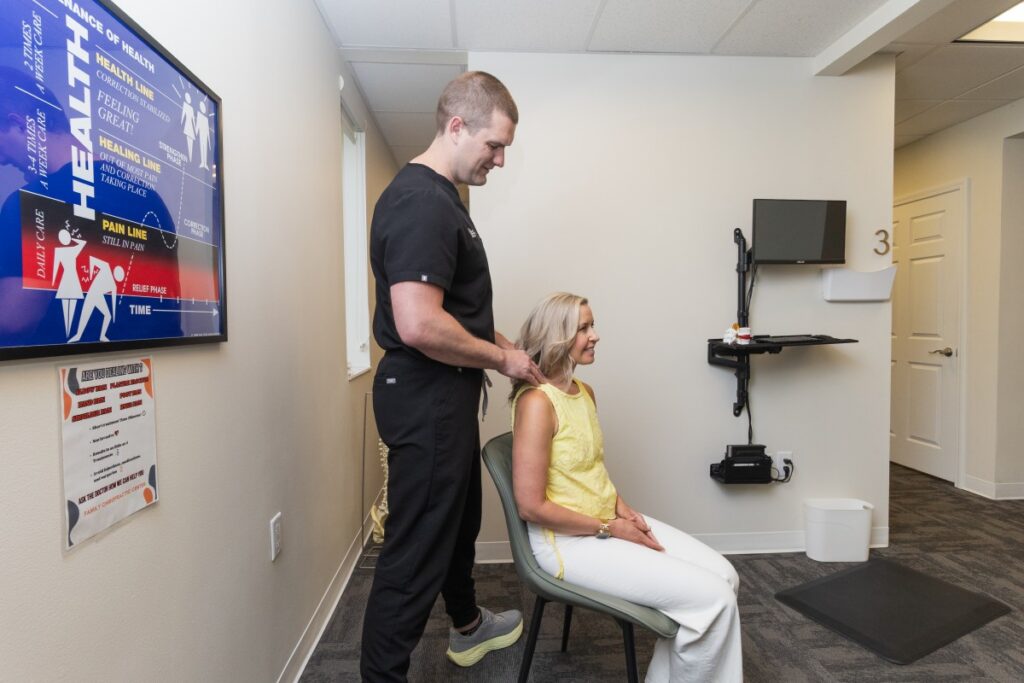
When you come to Family Chiropractic Center in McKees Rocks, PA with sciatic pain, Dr. Kevin Hartung begins with a comprehensive evaluation. This includes a detailed health history, a postural assessment, and a physical examination of the spine, hips, and lower extremities. When appropriate, imaging may be recommended to get a clearer picture of what’s happening inside the spine.
Based on that evaluation, Dr. Hartung develops a care plan tailored specifically to your condition and your goals. This is not a one-size-fits-all approach. Some patients respond well to gentle mobilization techniques, while others benefit from more direct spinal adjustments. Adjunct therapies like therapeutic ultrasound, soft tissue work, or corrective stretching exercises may also be incorporated depending on your needs.
Patients at Family Chiropractic Center are also educated about posture, movement habits, and ergonomics — because understanding why sciatica developed in the first place is just as important as treating it. The goal is not simply to reduce pain in the short term, but to help patients in the McKees Rocks community build a foundation for long-term spinal health.
Practical Tips for Managing Sciatica at Home
While professional care is essential for addressing the root cause of sciatic pain, there are several things you can do at home to support your recovery and reduce flare-ups. Staying gently active is one of the most important. Complete bed rest tends to worsen sciatica over time. Light walking and gentle movement help keep the spine mobile and encourage blood flow to irritated tissues.
Pay close attention to how you sit. Sitting on soft, deep-cushioned chairs or crossing your legs can aggravate the sciatic nerve. A firm chair that supports your lower back and keeps your hips level is much better. If you work at a desk, make sure your computer screen is at eye level and your feet are flat on the floor. Taking short movement breaks every 30-45 minutes can make a significant difference.
Applying ice to the lower back during the first 48-72 hours of an acute flare can help manage inflammation. After the initial phase, gentle heat may help relax tight muscles in the lower back and hips. Sleeping on your side with a pillow between your knees is another simple modification that can reduce pressure on the lumbar spine overnight. These small adjustments, combined with professional chiropractic care, can meaningfully improve your daily comfort.
When to See a Chiropractor for Sciatic Pain
You don’t have to be in severe, constant pain to benefit from chiropractic care. If you’ve been experiencing lower back discomfort combined with any leg pain, tingling, or numbness for more than a week or two, it’s worth getting evaluated. Early intervention often leads to faster resolution and helps prevent the condition from becoming chronic.
If your sciatic pain is mild to moderate and has a known or suspected mechanical cause — like poor posture, prolonged sitting, or a recent strain — chiropractic care is often a very appropriate first step. Patients who are looking for a non-surgical, drug-free approach to managing their symptoms are often excellent candidates for conservative chiropractic treatment.
There are, however, some red flags that require immediate medical attention rather than chiropractic care alone. These include loss of bladder or bowel control, sudden and severe weakness in both legs, numbness in the groin or inner thighs (called saddle anesthesia), or sciatic pain following a significant trauma like a fall or car accident. These symptoms can indicate a serious condition called cauda equina syndrome and warrant emergency evaluation. Dr. Kevin Hartung and the team at Family Chiropractic Center take these warning signs seriously and will always refer patients to the appropriate level of care when needed.
|
Situation |
Recommended Action |
|---|---|
|
Mild to moderate sciatic pain lasting more than 1-2 weeks |
Schedule a chiropractic evaluation |
|
Pain that worsens with prolonged sitting or standing |
Chiropractic care may help; address posture and ergonomics |
|
Numbness or tingling down one leg |
Chiropractic evaluation to assess nerve involvement |
|
Sciatic pain with significant muscle weakness in the leg |
Prompt evaluation; may require co-management with a physician |
|
Loss of bladder or bowel control with sciatic pain |
Emergency medical evaluation immediately — possible cauda equina syndrome |
|
Sciatica following major trauma (fall, car accident) |
Seek medical evaluation before chiropractic care begins |
Myths vs. Facts About Sciatica and Chiropractic Care
Myth: Sciatica always requires surgery to fix.
Fact: The vast majority of sciatica cases resolve with conservative, non-surgical care. Evidence consistently supports chiropractic adjustments, physical therapy, and lifestyle modifications as effective first-line options. Surgery is typically reserved for cases that do not respond to conservative care or involve severe neurological compromise.
Myth: You should rest completely when sciatica flares up.
Fact: While it’s important to avoid aggravating activities during a flare, complete bed rest has actually been shown to slow recovery. Gentle, controlled movement helps maintain joint mobility, supports disc nutrition, and prevents the surrounding muscles from weakening. Staying lightly active — with guidance from your chiropractor — is almost always a better approach.
Myth: Chiropractic adjustments are dangerous for sciatica.
Fact: When performed by a licensed chiropractor after a proper evaluation, spinal adjustments are considered a safe and well-tolerated approach for managing sciatic pain caused by mechanical issues in the spine. Dr. Kevin Hartung conducts a thorough assessment before any treatment to ensure adjustments are appropriate and tailored to each patient’s condition.
Myth: Sciatica only affects older people.
Fact: While degenerative changes in the spine become more common with age, sciatica can affect people of any age. Younger adults who sit for long hours at work, athletes with muscle imbalances, and individuals with physically demanding jobs are all at risk. Family Chiropractic Center regularly sees patients of all ages dealing with sciatic pain right here in McKees Rocks.
Myth: If the pain goes away on its own, there’s nothing to worry about.
Fact: Sciatica symptoms can ease temporarily even when the underlying issue hasn’t been resolved. Without addressing the root cause — whether it’s a disc problem, a spinal misalignment, or muscle tightness — the pain is very likely to return, often more severely. A chiropractic evaluation can help identify and address what’s actually driving your symptoms.
Final Thoughts from Family Chiropractic Center in McKees Rocks, PA
Living with sciatic pain is exhausting, frustrating, and — most importantly — not something you simply have to endure. Understanding what’s driving your symptoms and taking a thoughtful, conservative approach to care can make an enormous difference in your quality of life. Chiropractic adjustments, when applied appropriately, offer a meaningful way to address the mechanical contributors to sciatica without reaching for medications or jumping to invasive procedures.
At Family Chiropractic Center in McKees Rocks, PA, Dr. Kevin Hartung is committed to helping the members of this community understand their bodies, feel empowered in their health decisions, and find lasting relief. Whether you’ve been dealing with sciatica for years or just started noticing symptoms, a thorough evaluation is always the right first step. You deserve to feel like yourself again — and that kind of care starts right here in your own community.
Frequently Asked Questions About Sciatica and Chiropractic Care
How many chiropractic visits does it take to see improvement with sciatica?
The number of visits varies depending on the severity of the condition, how long you’ve had symptoms, and the underlying cause. Some patients notice meaningful improvement within a few visits, while others with more chronic or complex cases may need a longer course of care. Dr. Kevin Hartung reassesses your progress regularly to make sure your care plan is working effectively.
Can chiropractic care make sciatica worse?
When performed after a proper evaluation by a licensed chiropractor, adjustments are generally safe for sciatica. Some patients may experience mild soreness after their first few visits, which is a normal short-term response. If any technique consistently causes increased pain, it will be modified or discontinued. Safety and comfort are always the priority at Family Chiropractic Center.
Is sciatica the same as lower back pain?
Not exactly. Lower back pain refers to discomfort localized in the lumbar region, while sciatica specifically involves irritation of the sciatic nerve, which causes pain to radiate into the buttock and down the leg. Many people experience both together, but the presence of leg pain, tingling, or numbness is what distinguishes sciatica from general lower back pain.
Can I continue exercising while dealing with sciatic pain?
In most cases, yes — but with modifications. High-impact activities, heavy lifting, and exercises that require deep forward bending may aggravate the sciatic nerve and should be approached carefully. Gentle walking, swimming, and specific stretches or exercises recommended by your chiropractor are often beneficial. Always check with Dr. Hartung before starting or continuing an exercise program during a sciatica flare.
What’s the difference between sciatica caused by a herniated disc versus piriformis syndrome?
Both can cause very similar symptoms, which is why a thorough evaluation is important. Disc-related sciatica typically involves nerve compression within the spine and may produce symptoms that worsen with forward bending or prolonged sitting. Piriformis syndrome involves compression of the sciatic nerve by the piriformis muscle deep in the buttock, and is often aggravated more by direct pressure on the buttock or hip rotation. Treatment approaches differ between the two, which is another reason proper diagnosis matters.
Does sciatica ever go away completely?
For many people, yes. When the underlying cause is identified and properly addressed — through chiropractic care, corrective exercises, and lifestyle changes — sciatic symptoms often resolve significantly or completely. Outcomes depend on the root cause, how long symptoms have been present, and how consistently a person follows through with care and home recommendations.
TL;DR — Key Takeaways
-
Sciatica is pain caused by irritation or compression of the sciatic nerve, and it typically produces pain, tingling, or numbness that radiates from the lower back down one leg.
-
Common causes include herniated discs, spinal misalignments, piriformis muscle tightness, and spinal stenosis — all of which chiropractic care can help address.
-
Chiropractic adjustments aim to restore proper spinal alignment, relieve nerve pressure, and improve mobility without surgery or medication.
-
Staying gently active, maintaining good posture, and making ergonomic adjustments at work and home support recovery alongside professional care.
-
At Family Chiropractic Center in McKees Rocks, PA, Dr. Kevin Hartung provides personalized, thorough evaluations and individualized care plans to help patients find real relief from sciatic pain.