
Take a moment and notice how you’re reading this right now. Are you hunched over your phone? Slouched in a chair with your shoulders rolled forward? Neck craned down at an uncomfortable angle? If so, you’re not alone. Millions of people across the country—and right here in McKees Rocks, PA—are experiencing mysterious aches, pains, and tension that seem to come out of nowhere. But here’s the truth: these problems aren’t random. They’re the direct result of how we live, work, and move in our modern world. The good news? Once you understand what’s happening, you can start making changes that really matter.
What is “The Modern Body Problem”? The Modern Body Problem refers to the collection of musculoskeletal issues—chronic neck pain, shoulder tension, lower back discomfort, headaches, and postural dysfunction—that result from prolonged sitting, repetitive technology use, decreased physical activity, and movement patterns that conflict with how our bodies are designed to function.
Table of Contents
- Why Modern Life Conflicts With Our Biology
- The Sitting Epidemic: More Harmful Than We Realized
- Tech Neck and Forward Head Posture
- Repetitive Strain and Overuse Injuries
- How Poor Movement Patterns Create Pain
- How Chiropractic Care Addresses Modern Body Problems
- Practical Changes You Can Make Today
- When to See a Chiropractor
- Traditional vs. Modern Movement Patterns
- Myths vs. Facts About Modern Body Pain
- Final Thoughts
- Frequently Asked Questions
- TL;DR: Key Takeaways
Why Modern Life Conflicts With Our Biology
Our bodies evolved over hundreds of thousands of years to move, hunt, gather, and stay active throughout the day. We were designed to walk long distances, squat to rest, reach overhead, carry loads, and change positions frequently. Our spines, muscles, and joints thrive on variety and movement.
Fast forward to today. Most of us spend the majority of our waking hours in static positions. We sit at desks for eight-plus hours. We stare at screens with our heads tilted forward. We drive in cars with seats that don’t support proper spinal alignment. We come home and collapse on couches, often in the same forward-flexed position we maintained all day at work.
This creates what researchers call “postural debt”—a cumulative effect where your body adapts to poor positions over time. Your muscles shorten in some areas and weaken in others. Your joints become stiff. Your nervous system registers these changes as stress signals, which can manifest as pain, tension, reduced range of motion, and even mood changes.
Here in McKees Rocks and throughout the Pittsburgh area, I see patients every single day who are dealing with exactly this pattern. They tell me they can’t pinpoint a specific injury or accident. The pain just gradually appeared and got worse over time. That’s the hallmark of the Modern Body Problem.
The Sitting Epidemic: More Harmful Than We Realized
Sitting has been called “the new smoking,” and while that might sound dramatic, research suggests prolonged sitting has serious consequences for musculoskeletal health. When you sit for extended periods, several problematic things happen simultaneously.
First, your hip flexor muscles—the muscles at the front of your hips—remain in a shortened position for hours. Over time, they tighten and pull your pelvis forward, which changes the natural curve of your lower back. This can lead to chronic lower back pain and hip discomfort.
Second, your glute muscles essentially “turn off.” These large, powerful muscles are designed to stabilize your pelvis and support your spine during movement. When you sit all day, they weaken from disuse. This creates instability and forces other muscles to compensate, often leading to overuse injuries.
Third, sitting compresses the discs in your spine—the shock-absorbing cushions between your vertebrae. Discs need movement and position changes to stay healthy and hydrated. Prolonged compression can contribute to disc degeneration, bulging, and herniation over time.
Evidence from large population studies indicates that people who sit for more than six hours per day have significantly higher rates of lower back pain compared to those who move regularly throughout the day. The WHO has identified physical inactivity as a major risk factor for global mortality, partly because of its musculoskeletal consequences.
At Family Chiropractic Center, we frequently work with office workers, drivers, and anyone with a desk-based job who’s experiencing the effects of too much sitting. The solution isn’t to quit your job, but rather to introduce strategic movement breaks and positional awareness throughout your day.
Tech Neck and Forward Head Posture
Look around any coffee shop, bus stop, or waiting room, and you’ll see the same sight: people with their heads tilted down, necks flexed forward, staring at their phones. This position, commonly called “tech neck” or “text neck,” has become one of the most common postural problems of our generation.
Here’s why it matters. Your head weighs approximately 10-12 pounds when held in a neutral position directly over your shoulders. For every inch your head moves forward, the effective weight on your neck and upper back increases dramatically. At a 15-degree forward tilt, your neck is supporting roughly 27 pounds. At 30 degrees, it’s 40 pounds. At 60 degrees—the typical angle when looking down at a phone—your neck is effectively supporting 60 pounds of force.
This constant forward head position creates a cascade of problems. The muscles at the back of your neck and upper shoulders must work overtime to hold your head up, leading to chronic tension, trigger points, and often headaches. The muscles at the front of your neck weaken and stretch. Your shoulder blades roll forward, contributing to rounded shoulders and thoracic spine stiffness.
Research published in journals focused on spine health has shown that forward head posture is strongly associated with neck pain, tension headaches, reduced lung capacity, and even changes in mood and stress levels. When your head is positioned incorrectly, it can affect how your nervous system functions and how efficiently you breathe.
Many patients at our McKees Rocks office report that their neck pain, shoulder tension, and headaches have worsened significantly over the past five to ten years—exactly the time period during which smartphone use has exploded. The correlation is hard to ignore.
Repetitive Strain and Overuse Injuries
Modern life isn’t just about sitting still—it’s also about doing the same movements over and over again, often in positions that stress your body. This is called repetitive strain, and it affects workers across all industries.
Office workers develop wrist pain and carpal tunnel syndrome from constant keyboard and mouse use. Warehouse employees experience shoulder and lower back problems from repetitive lifting and reaching. Healthcare workers strain their backs from patient transfers. Even parents and caregivers develop chronic pain from repeatedly lifting children, bending over cribs, and carrying car seats.
Repetitive strain injuries develop when you perform the same motion repeatedly without adequate rest or recovery. The affected tissues—muscles, tendons, ligaments—develop micro-damage that accumulates over time. Without proper intervention, this can progress to chronic inflammation, scarring, and persistent pain.
What makes this worse is that most people continue the problematic activity even after symptoms begin. You might notice a dull ache in your wrist or shoulder, but you push through because you have deadlines to meet or responsibilities to fulfill. This “work through the pain” mentality often transforms a minor issue into a chronic problem.
Chiropractic care, combined with ergonomic modifications and movement education, can be highly effective for addressing repetitive strain issues before they become debilitating. At Family Chiropractic Center, we help patients identify the specific movements and positions that are contributing to their symptoms, and we develop strategies to modify or counterbalance those stressors.
How Poor Movement Patterns Create Pain
Your body is an interconnected system. When one area isn’t functioning properly, other areas compensate. Over time, these compensation patterns become your new “normal,” even though they’re dysfunctional and pain-producing.
Let’s walk through a common example. Suppose you sit all day with poor posture—rounded shoulders, forward head, collapsed lower back. Your hip flexors tighten, your glutes weaken, and your thoracic spine becomes stiff. Now you go home and try to exercise or play with your kids. When you bend down to pick something up, your body can’t move the way it’s designed to. Your lower back has to compensate for your stiff mid-back and tight hips. Your weak glutes can’t stabilize your pelvis properly. The result? Lower back strain and pain.
This is called a kinetic chain dysfunction. One weak or restricted link in the chain forces other areas to work harder than they should. Eventually, those overworked areas break down.
Another common pattern involves the shoulders and neck. If your shoulders are chronically rolled forward from desk work and phone use, your shoulder blades can’t move properly. This restricts overhead reaching and lifting. When you try to reach up—maybe to grab something from a high shelf—your body compensates by overextending your lower back or elevating your shoulders excessively. This can lead to shoulder impingement, rotator cuff issues, or neck strain.
Understanding these patterns is crucial because it explains why pain often shows up in places that seem unrelated to the actual problem. Your headaches might be caused by your mid-back stiffness. Your knee pain might stem from hip weakness. Your shoulder pain might be related to neck dysfunction.
Evidence from biomechanical research consistently shows that addressing movement dysfunction and restoring proper joint mechanics can significantly reduce pain and improve function. That’s exactly what chiropractic care aims to do.
How Chiropractic Care Addresses Modern Body Problems
Chiropractic care offers a conservative, non-invasive approach to addressing the musculoskeletal problems created by modern lifestyle factors. Rather than simply masking symptoms with medication, chiropractic focuses on identifying and correcting the underlying mechanical dysfunctions that produce pain.
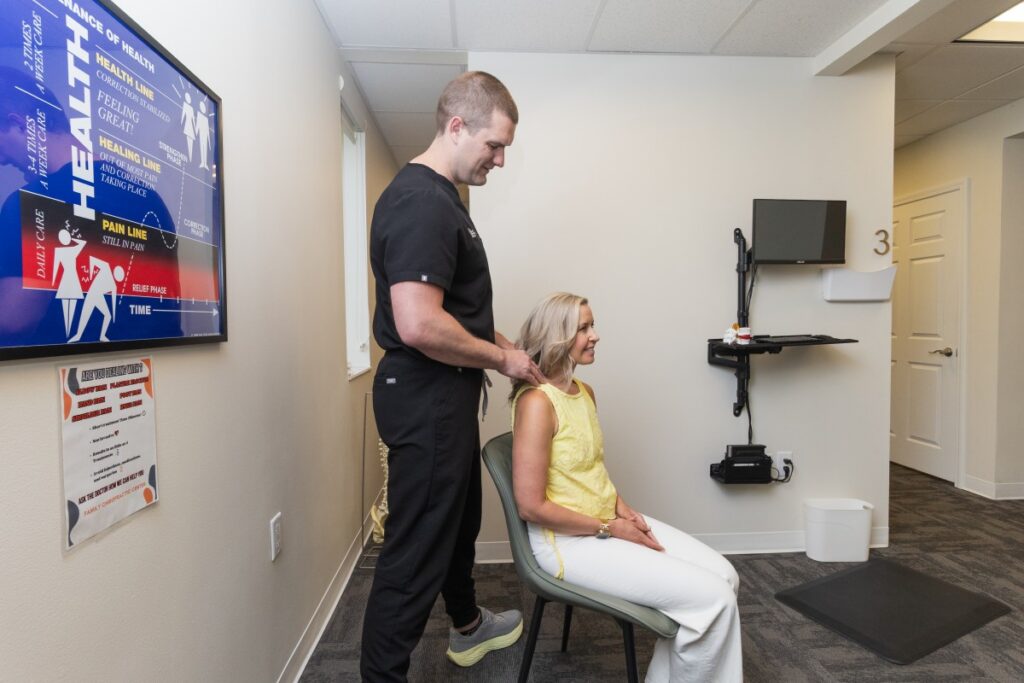
When you visit Family Chiropractic Center in McKees Rocks, PA, we start with a thorough evaluation of your spine, posture, movement patterns, and areas of restriction or discomfort. We look at how you stand, sit, walk, and bend. We assess which areas of your spine and joints aren’t moving properly. We identify muscle imbalances and postural deviations.
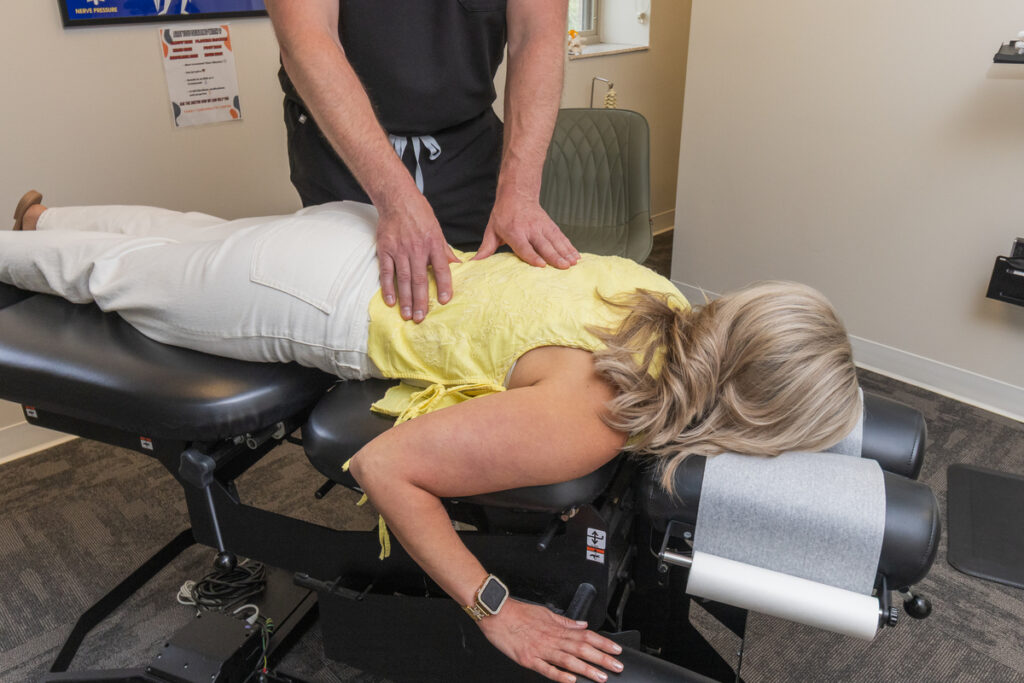
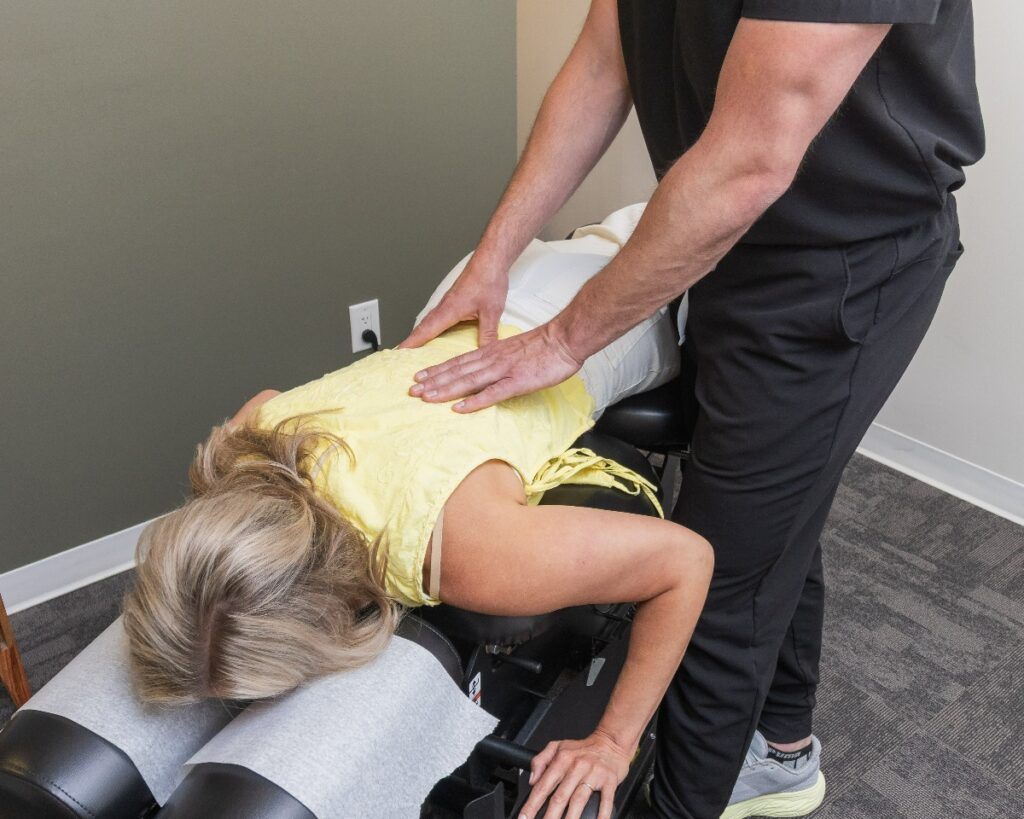
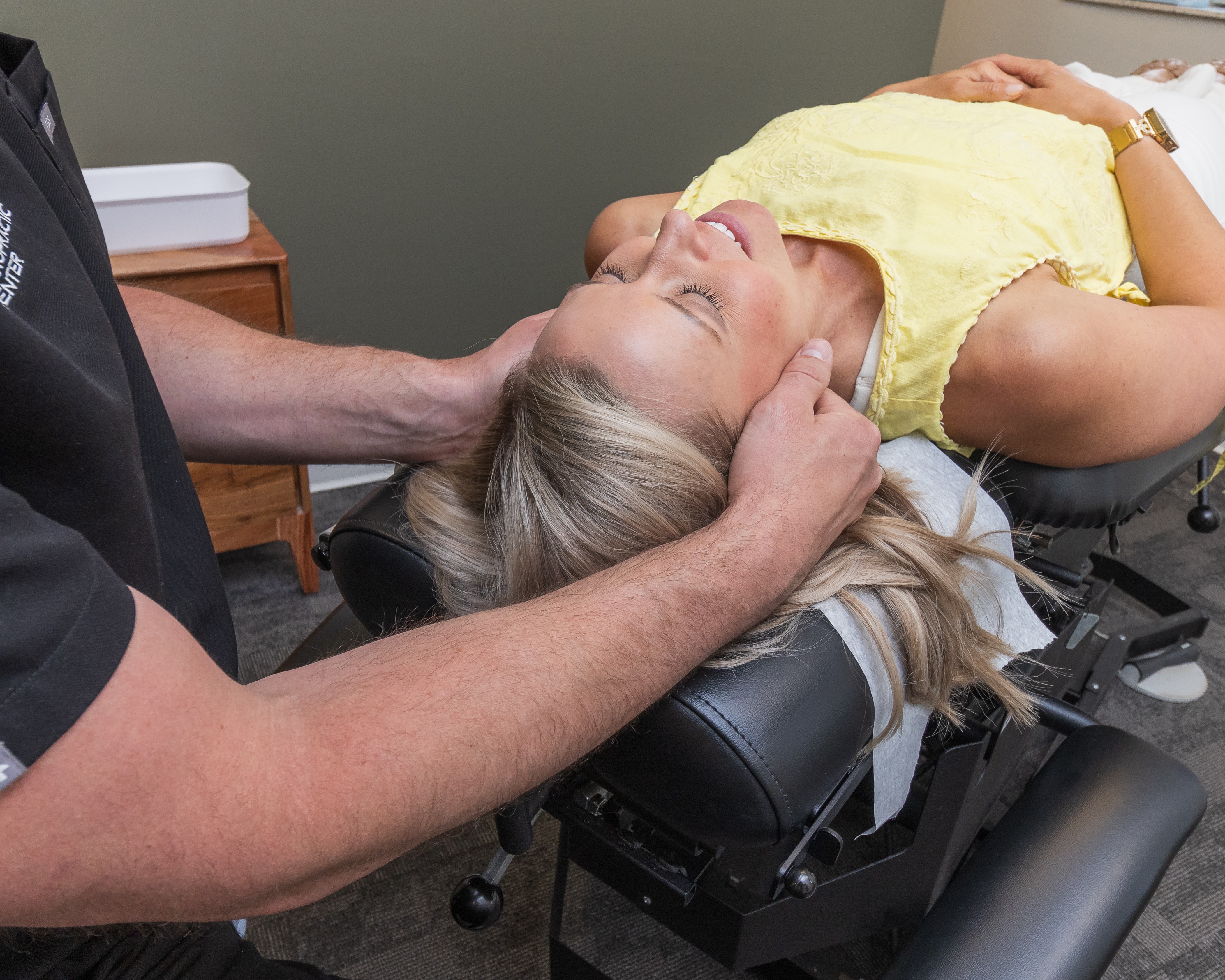
Based on this assessment, we develop an individualized care plan that typically includes several components. Spinal adjustments help restore proper motion to restricted joints, reducing nerve irritation and improving overall function. Soft tissue techniques address tight, overworked muscles and fascia. Postural and movement education helps you understand what you’re doing throughout your day that contributes to your symptoms.
Many patients notice improvements within the first few visits, but sustainable change requires consistency. Your body has adapted to poor positions and movement patterns over months or years. Correcting those patterns takes time and repetition. We work with you to not only reduce your immediate pain but also build lasting changes in how your body functions.
Research published by organizations like the American Chiropractic Association indicates that chiropractic care can be effective for managing neck pain, lower back pain, headaches, and other musculoskeletal conditions, particularly when combined with patient education and lifestyle modifications. Clinical guidelines from groups like the American College of Physicians now recommend conservative approaches like chiropractic before pursuing more invasive interventions.
What makes chiropractic particularly relevant for modern body problems is that it addresses the root cause—joint dysfunction, muscle imbalance, and poor movement patterns—rather than just treating symptoms. It empowers you to take an active role in your own health and recovery.
Practical Changes You Can Make Today
While professional chiropractic care is valuable, there’s also plenty you can do on your own to counteract the negative effects of modern life. Here are evidence-based, practical strategies you can start implementing immediately.
Move More, Sit Less: Set a timer to stand up and move every 30-45 minutes. Even just standing, walking around your office, or doing a few gentle stretches can interrupt the sitting cycle and keep your muscles and joints active. Research suggests that frequent movement breaks are more beneficial than one longer exercise session if you’re otherwise sedentary all day.
Optimize Your Workspace: Adjust your computer monitor so the top of the screen is at or slightly below eye level. This helps maintain a neutral neck position. Position your keyboard and mouse so your elbows are at 90 degrees and your wrists are straight. Use a chair that supports the natural curve of your lower back, or add a small lumbar support pillow.
Practice Phone Awareness: Bring your phone up to eye level rather than looking down at it. Yes, you might look a bit silly, but your neck will thank you. If you’re going to spend significant time on your phone, consider propping it on a stand or holding it higher.
Strengthen Your Posterior Chain: Focus on exercises that target the muscles along the back of your body—your glutes, hamstrings, mid-back, and rear shoulders. These are the muscles that counter the forward-flexed positions of modern life. Simple exercises like bridges, rows, and reverse flies can be incredibly helpful.
Stretch What’s Tight: Regularly stretch your hip flexors, chest muscles, and neck. These areas tend to tighten from prolonged sitting and forward posture. Hold stretches for at least 30 seconds and breathe deeply to encourage muscle relaxation.
Practice Diaphragmatic Breathing: Chronic poor posture can restrict your breathing and keep your nervous system in a stressed state. Practice taking slow, deep breaths where your belly expands rather than just your chest. This activates your diaphragm and can help reduce tension.
Vary Your Positions: Don’t stay in any one position for too long, even if it’s a “good” position. Your body craves movement and variety. If you use a standing desk, alternate between sitting and standing. Change your sitting position regularly.
Create Movement Rituals: Tie movement to activities you already do regularly. Every time you finish a conference call, stand up and stretch. Every time you use the bathroom, take the long route back to your desk. Every evening, spend five minutes doing gentle mobility work before bed.
These changes might seem small, but they add up significantly over time. Patients at our McKees Rocks practice who commit to these kinds of modifications consistently report feeling better and experiencing fewer flare-ups of pain.
When to See a Chiropractor
How do you know when your aches and pains warrant professional attention? While some discomfort is normal after a long day or an unusual activity, certain signs indicate that you should seek chiropractic evaluation sooner rather than later.
Consider scheduling a visit to Family Chiropractic Center if your pain has lasted more than a few days despite rest and home care. Persistent pain often indicates an underlying mechanical problem that won’t resolve on its own. Early intervention typically leads to faster and more complete recovery.
You should also seek care if your pain is progressively getting worse over time, if it’s interfering with your daily activities or sleep, or if you’re relying on pain medication regularly just to get through your day. These are signs that the problem needs to be addressed at its source.
If you’re experiencing numbness, tingling, or weakness in your arms or legs, seek evaluation promptly. While these symptoms can sometimes result from nerve irritation that responds well to conservative care, they can also indicate more serious issues that need immediate attention.
Frequent headaches—especially tension headaches or those that seem to start in your neck—are another reason to consider chiropractic care. Research indicates that chiropractic adjustments and soft tissue work can be helpful for certain types of headaches, particularly those related to neck dysfunction.
Don’t wait for red flags like severe pain, loss of bowel or bladder control, unexplained weight loss, fever, or pain that follows significant trauma. These symptoms require immediate medical evaluation and are outside the scope of chiropractic care.
Remember that chiropractic care isn’t just for pain relief. Many patients in McKees Rocks visit us proactively to maintain good spinal health and prevent problems from developing. Regular chiropractic check-ups can identify and address small dysfunctions before they become major issues.
Traditional vs. Modern Movement Patterns
| Aspect | Traditional Lifestyle | Modern Lifestyle |
|---|---|---|
| Daily Movement | Walking, squatting, lifting, varied physical activities throughout the day | Prolonged sitting, minimal position changes, sedentary work environments |
| Head Position | Eyes forward, head balanced over shoulders, natural neck curve maintained | Head tilted forward and down (phones, computers), increased neck flexion |
| Hip Mobility | Regular squatting and floor sitting, full range of motion maintained | Prolonged chair sitting, hip flexors shortened, reduced range of motion |
| Shoulder Position | Varied reaching, overhead activities, shoulders naturally retracted | Forward-rounded shoulders, limited overhead reaching, keyboard posture |
| Core Engagement | Constant low-level activation during varied daily activities | Reduced activation due to sitting and static postures, core weakness |
| Breathing Patterns | Deep diaphragmatic breathing, full rib cage expansion | Shallow chest breathing due to poor posture, restricted diaphragm movement |
Myths vs. Facts About Modern Body Pain
Myth: Pain is just a normal part of aging
Fact: While some changes occur naturally with age, the chronic pain many people experience is more often due to accumulated poor posture, movement patterns, and lifestyle factors than aging itself. Many older adults who stay active and maintain good spinal health experience minimal pain. Conversely, many younger people develop significant pain from modern lifestyle factors.
Myth: You need to “just stand more” and your problems will go away
Fact: Simply replacing sitting with prolonged standing isn’t the answer. Standing in one position for hours can create its own problems, including lower back pain, leg fatigue, and foot discomfort. The key is movement and position variety, not just standing. Alternating between sitting, standing, and walking throughout your day is the ideal approach.
Myth: If there’s no specific injury, the pain isn’t real or serious
Fact: Many of the most significant and limiting pain conditions develop gradually over time without a single traumatic event. Cumulative postural stress, repetitive strain, and chronic poor movement patterns can absolutely cause real, serious pain that impacts your quality of life. These conditions deserve attention and professional care.
Myth: Good posture means sitting up perfectly straight all the time
Fact: There’s no single “perfect” posture that you should maintain constantly. Your body needs to move and change positions regularly. What matters more than any specific static position is avoiding extreme or prolonged positions and incorporating regular movement throughout your day. “Good posture” is really about postural variety and awareness.
Myth: Once you have chronic pain, you just have to live with it
Fact: Many people with chronic musculoskeletal pain can experience significant improvement through conservative approaches like chiropractic care, physical rehabilitation, movement education, and lifestyle modifications. While some conditions require ongoing management, improvement and even resolution are often possible with the right approach and consistency.
Final Thoughts
The Modern Body Problem is real, widespread, and growing. As our lives become increasingly sedentary and technology-dependent, more and more people are experiencing the musculoskeletal consequences. But here’s what I want you to remember: you’re not powerless in this situation.
Understanding how your daily habits affect your body is the first step toward making meaningful change. Small adjustments—taking movement breaks, improving your workspace setup, being mindful of your phone use, and strengthening key muscle groups—can have a significant impact over time.
And when you need professional support, conservative care approaches like chiropractic can help identify and address the underlying mechanical dysfunctions that produce pain. At Family Chiropractic Center here in McKees Rocks, PA, we’re committed to helping our community members understand what’s happening in their bodies and empowering them with the tools and knowledge they need to feel better and move better.
Your body is remarkably adaptable. Just as it has adapted to modern life in ways that create problems, it can also adapt in positive directions when given the right input. Whether you’re dealing with chronic neck pain, lower back discomfort, tension headaches, or just a general sense that your body doesn’t feel right anymore, know that help is available and improvement is possible.
Frequently Asked Questions
Can chiropractic care really help with pain caused by sitting at a desk all day?
Yes, chiropractic care can be very helpful for addressing the musculoskeletal issues caused by prolonged sitting and desk work. Chiropractic adjustments help restore proper joint motion, particularly in the spine, while soft tissue techniques address the muscle tension and imbalances that develop from static postures. Combined with ergonomic modifications and movement education, many patients experience significant relief.
How long does it take to see improvements in posture-related pain?
The timeline varies depending on how long you’ve had the problem and how severe it is. Some patients notice improvements after just a few visits, while others require several weeks of consistent care to see significant change. Remember that your body has adapted to poor positions over time, so correcting those patterns requires patience and consistency. Most patients notice meaningful improvement within 4-6 weeks when they’re actively participating in their care.
Is it too late to fix my posture if I’ve had poor posture for years?
It’s never too late to make improvements. While long-standing postural problems may take longer to address, positive changes are still possible at any age. Your nervous system and musculoskeletal system retain the ability to adapt and improve throughout your life. The key is starting where you are now and committing to consistent, gradual improvement.
Should I be concerned about the cracking or popping sounds during a chiropractic adjustment?
The cracking or popping sound during an adjustment is simply gas bubbles releasing from the joint fluid—a process called cavitation. It’s not bones rubbing together or anything being damaged. The sound itself isn’t necessary for the adjustment to be effective, and experiencing that sound doesn’t indicate whether the adjustment was successful. Many effective chiropractic techniques produce little to no sound at all.
How often should I see a chiropractor for maintenance care?
Maintenance or wellness care frequency varies by individual. Some patients benefit from monthly visits to maintain spinal health and prevent problems from developing. Others may need more or less frequent care depending on their lifestyle, work demands, and health goals. At Family Chiropractic Center, we work with each patient to determine a schedule that makes sense for their specific situation and goals.
Can chiropractic care prevent future problems from developing?
While no healthcare approach can guarantee prevention of all problems, regular chiropractic care can help identify and address small dysfunctions before they become major issues. Think of it like maintaining your car—regular tune-ups help prevent breakdowns. Many patients find that proactive chiropractic care helps them maintain better function and experience fewer pain episodes over time.
TL;DR: Key Takeaways
- The Modern Body Problem refers to widespread musculoskeletal pain caused by prolonged sitting, technology use, poor posture, and repetitive movements that conflict with how our bodies are designed to function.
- Forward head posture from phone and computer use dramatically increases stress on your neck and upper back, often leading to chronic pain, tension, and headaches.
- Small daily habits—like taking movement breaks, optimizing your workspace, and strengthening key muscle groups—can significantly reduce pain and prevent future problems.
- Chiropractic care offers a conservative, drug-free approach to addressing the underlying mechanical dysfunctions that produce modern body pain, focusing on restoring proper joint function and movement patterns.
- It’s never too late to make positive changes—your body retains the ability to adapt and improve regardless of how long you’ve experienced poor posture or pain.