
If you’ve ever reached for something on a high shelf and felt a sudden twinge in your shoulder, or woken up with a dull ache that just won’t quit, you’re not alone. Shoulder pain is one of the most common complaints we see here at Family Chiropractic Center in McKees Rocks, PA. Your shoulder is an incredibly mobile joint—in fact, it’s the most mobile joint in your entire body—which makes it vulnerable to a wide range of problems. From simple muscle strains caused by repetitive motions at work to more complex conditions involving the rotator cuff or nerve irritation, understanding what’s causing your shoulder pain is the first step toward getting relief. In this article, we’ll walk through the different types of shoulder pain, explore their common causes, and help you understand when it’s time to seek professional care right here in your community.
What exactly is shoulder pain? Shoulder pain refers to any discomfort, aching, stiffness, or sharp sensation felt in or around the shoulder joint, which can originate from muscles, tendons, ligaments, bones, nerves, or other soft tissues. It can range from mild and temporary to severe and chronic, affecting your ability to lift, reach, sleep, or perform daily activities.
Table of Contents
- Understanding Your Shoulder Anatomy
- Common Types of Shoulder Pain
- Everyday Causes of Shoulder Strain
- More Serious Shoulder Conditions
- How Chiropractic Care Can Help
- Practical Prevention Tips
- When to See a Chiropractor
- Myths vs. Facts About Shoulder Pain
- Final Thoughts
- Frequently Asked Questions
- TL;DR Summary
Understanding Your Shoulder Anatomy
Before we dive into the types and causes of shoulder pain, it helps to understand what makes your shoulder work. Your shoulder is actually a complex system made up of several joints, bones, muscles, and connective tissues all working together. The main shoulder joint—called the glenohumeral joint—is where your upper arm bone (humerus) fits into a shallow socket in your shoulder blade (scapula). Think of it like a golf ball sitting on a tee. This design gives you incredible range of motion but also makes the joint inherently unstable.
Surrounding this joint is a group of four muscles and their tendons known as the rotator cuff. These muscles work together to keep your arm bone centered in the socket and allow you to lift and rotate your arm. You also have your collarbone (clavicle), which connects your shoulder to your chest, and the acromioclavicular (AC) joint where your collarbone meets the top of your shoulder blade. Add in numerous ligaments, bursae (fluid-filled sacs that reduce friction), and the nerves that control everything, and you can see why shoulder problems can develop in many different ways.
Here in McKees Rocks, many of our patients work in physically demanding jobs or spend hours at desks, and both scenarios can put stress on these shoulder structures in different ways. Understanding this anatomy helps us identify exactly where your pain is coming from and how to address it effectively.
Common Types of Shoulder Pain
Shoulder pain isn’t one-size-fits-all. The location, quality, and timing of your pain can tell us a lot about what’s happening. Some people experience a deep, achy pain that’s worse at night. Others feel sharp, stabbing sensations with certain movements. Some notice stiffness and reduced range of motion, while others deal with weakness or a grinding sensation.
Localized pain stays right in one spot—perhaps at the front of your shoulder or deep inside the joint. This often points to a specific structure like a tendon or bursa. Referred pain might start in your shoulder but travel down your arm or up into your neck, which can indicate nerve involvement or problems originating from your cervical spine. Radiating pain that shoots down your arm could suggest nerve compression or irritation.
The timing matters too. Pain that’s worse with overhead activities might indicate rotator cuff issues or impingement. Pain that intensifies at night and disrupts your sleep often suggests inflammation or certain rotator cuff conditions. Pain that improves with rest but returns with activity typically involves mechanical problems or overuse patterns.
At Family Chiropractic Center, we take time to understand not just where your shoulder hurts, but when it hurts, what makes it better or worse, and how it affects your daily life. This detailed picture helps us determine what type of shoulder problem you’re dealing with.
Everyday Causes of Shoulder Strain
Most shoulder pain doesn’t come from a dramatic injury or serious disease. Instead, it develops gradually from everyday activities and habits that put repetitive stress on your shoulder structures. If you work a desk job, hours of hunching over a computer can cause your shoulders to roll forward, creating muscle imbalances and tension in the upper trapezius and neck muscles. Your shoulder blade muscles weaken while the chest muscles tighten, pulling your shoulders out of proper alignment.
For those in manual labor or physically demanding jobs—which we see plenty of here in McKees Rocks—repetitive overhead reaching, lifting without proper technique, or sustained awkward positions can strain the rotator cuff muscles and tendons over time. Even seemingly harmless activities like painting a ceiling, throwing a ball with your kids, or carrying heavy bags on one shoulder can trigger pain if done repeatedly or with poor mechanics.
Poor posture is perhaps the most common culprit. When your head juts forward and your shoulders round, it changes the mechanics of your shoulder blade, creating what we call scapular dyskinesis—abnormal movement of the shoulder blade. This altered movement pattern puts extra stress on the rotator cuff and can lead to impingement, where tendons get pinched between bones during arm movements.
Muscle imbalances develop when certain muscles become overdeveloped or tight while their opposing muscles weaken. This is especially common in people who do a lot of pushing movements (like bench pressing) without balancing it with pulling exercises. The result is tight chest muscles and weak upper back muscles, which pulls your shoulders forward and creates dysfunction.
Even sleeping positions can contribute. Sleeping on your side with your arm overhead or using a pillow that’s too high can compress shoulder structures throughout the night, leading to morning pain and stiffness. These everyday factors often combine, creating a perfect storm for shoulder problems.
More Serious Shoulder Conditions
While many shoulder problems stem from everyday strains, some conditions are more complex and require careful evaluation and management. Understanding these conditions helps you recognize when your shoulder pain might be more than just a simple strain.
Rotator Cuff Injuries
Rotator cuff problems range from inflammation (tendinitis) to partial or complete tears of the tendons. These injuries can happen suddenly from a fall or lifting something too heavy, but more often they develop gradually from repetitive overhead activities or age-related degeneration. Research suggests that rotator cuff tears become more common after age 40, as tendons naturally lose some of their elasticity and blood supply. Symptoms typically include pain on the outside of the shoulder, weakness when lifting or rotating the arm, and difficulty sleeping on the affected side.
Frozen Shoulder (Adhesive Capsulitis)
Frozen shoulder is a condition where the capsule surrounding your shoulder joint becomes thick and tight, severely limiting movement. It often develops in stages—first increasing pain, then progressive stiffness, and eventually gradual thawing. Women between ages 40 and 60 are more commonly affected, and it’s more prevalent in people with diabetes, thyroid disorders, or a history of shoulder immobilization. The exact cause isn’t fully understood, but inflammation and scar tissue formation play key roles.
Shoulder Impingement Syndrome
This occurs when the rotator cuff tendons get pinched between the bones of your shoulder during arm movements, particularly overhead activities. Over time, this repeated compression leads to inflammation, irritation, and potentially tendon damage. Evidence indicates that impingement is often related to poor shoulder blade mechanics, muscle imbalances, and postural dysfunction rather than just the bone structure itself.
Bursitis
The bursa is a small fluid-filled sac that cushions the space between your rotator cuff and the bone above it. When inflamed, it causes pain similar to rotator cuff tendinitis. Bursitis often develops from repetitive overhead activities, direct trauma, or as a secondary problem when other shoulder issues are present.
Arthritis
Both osteoarthritis (wear-and-tear) and rheumatoid arthritis can affect the shoulder, though it’s less common than in hips or knees. Osteoarthritis typically develops gradually, causing deep, aching pain, stiffness, and a grinding sensation with movement. Previous shoulder injuries increase the risk of developing arthritis later in life.
Nerve-Related Problems
Sometimes shoulder pain originates from nerve irritation in the neck. Cervical spine issues can cause referred pain into the shoulder, often accompanied by numbness, tingling, or weakness that travels down the arm. Thoracic outlet syndrome, where nerves or blood vessels get compressed between the collarbone and first rib, can also cause shoulder and arm symptoms.
| Condition | Primary Symptoms | Common Triggers |
|---|---|---|
| Rotator Cuff Tendinitis | Pain with overhead reaching, weakness, night pain | Repetitive overhead work, throwing, swimming |
| Frozen Shoulder | Severe stiffness, progressive loss of motion | Previous injury, prolonged immobilization, diabetes |
| Impingement Syndrome | Pain when lifting arm to side, painful arc of motion | Poor posture, muscle imbalances, overhead activities |
| Bursitis | Swelling, tenderness, pain with pressure | Direct trauma, repetitive motions, infections (rare) |
| Cervical Radiculopathy | Shoulder pain with arm numbness/tingling, neck pain | Herniated disc, bone spurs, degenerative changes |
How Chiropractic Care Can Help
Chiropractic care offers a conservative, non-invasive approach to addressing many types of shoulder pain. At Family Chiropractic Center in McKees Rocks, we focus on identifying the underlying mechanical and functional problems contributing to your shoulder pain, not just masking symptoms.
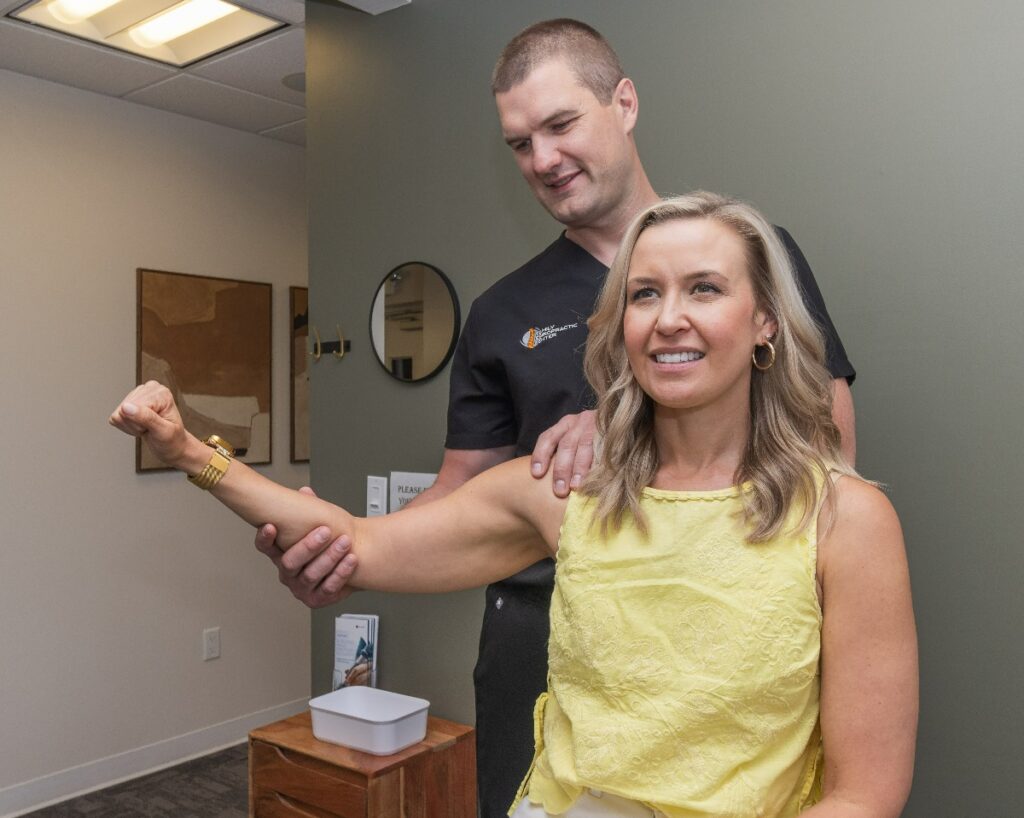
Our approach begins with a thorough evaluation. We assess your posture, shoulder mechanics, range of motion, and how your shoulder blade moves. We examine your cervical and thoracic spine because problems in these areas often contribute to shoulder dysfunction. We also look at muscle strength, flexibility, and any compensatory movement patterns you’ve developed.
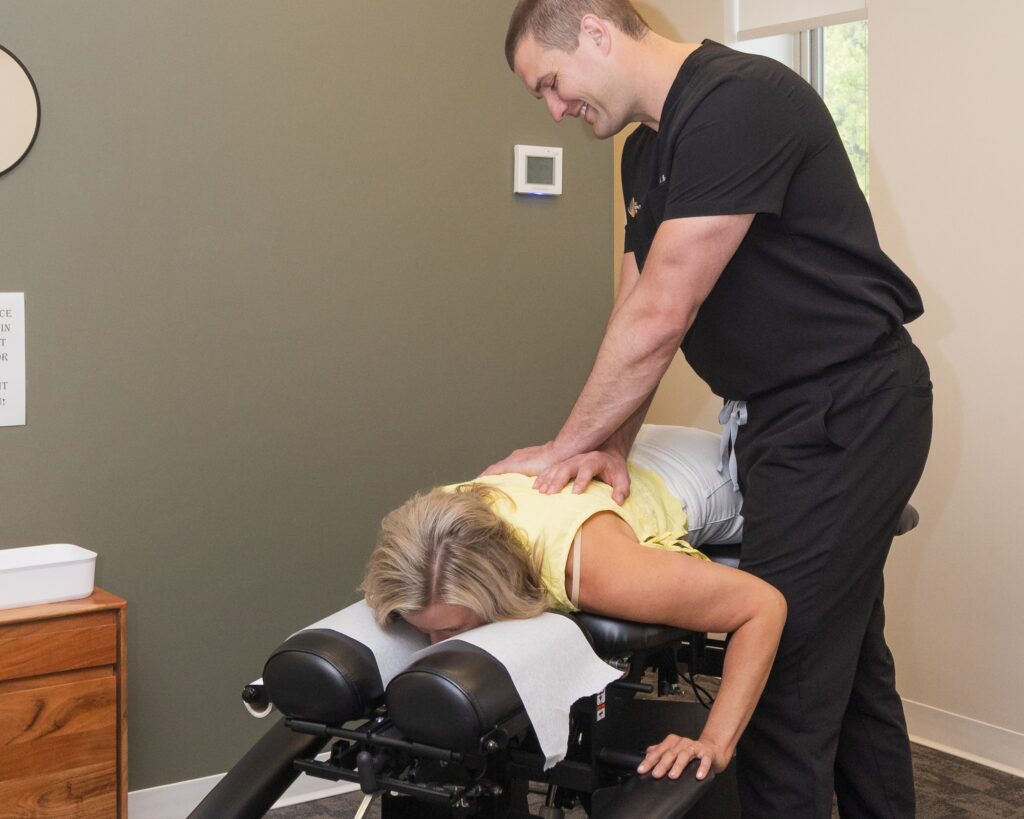
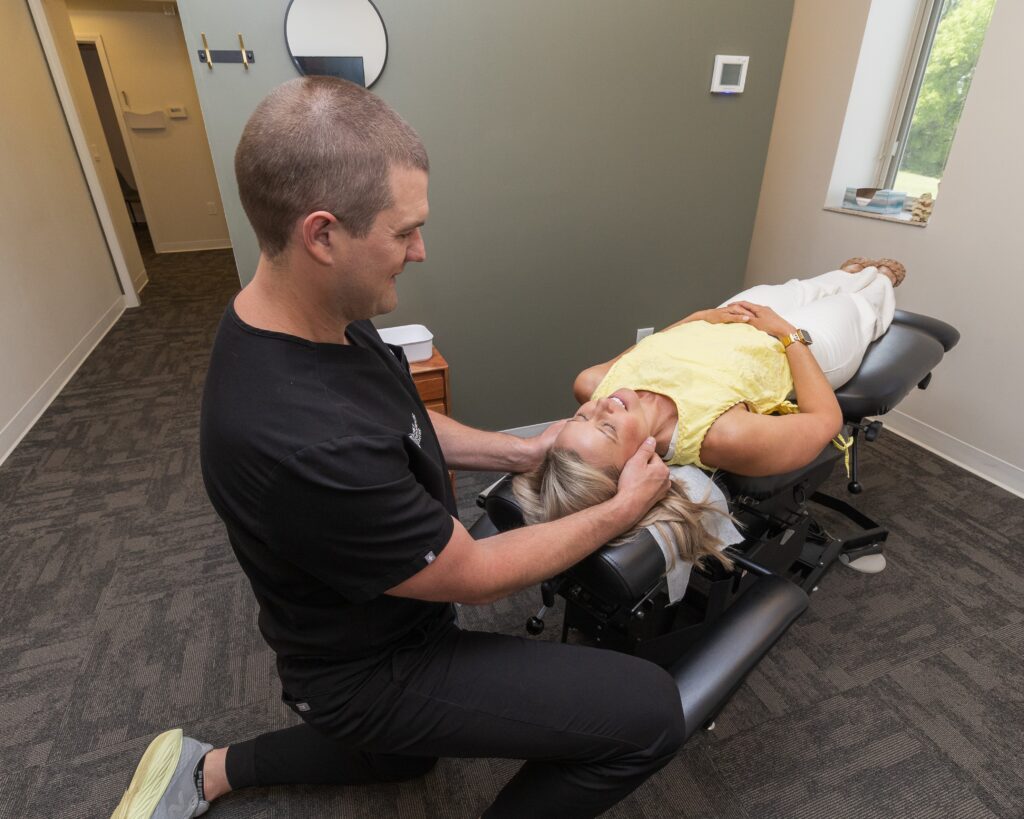
Chiropractic adjustments to the shoulder joint itself, as well as to the spine, can help restore proper joint mechanics and reduce irritation to surrounding tissues. When joints move properly, muscles work more efficiently, and inflammation often decreases. We may also address restrictions in your thoracic spine, ribs, or cervical spine, since these areas directly influence shoulder function.
Soft tissue techniques help release tight muscles, break up adhesions, and improve blood flow to injured areas. This might include trigger point therapy for those stubborn knots in your upper trapezius or shoulder muscles, or myofascial release to address restrictions in the connective tissue.
Rehabilitation exercises are a crucial component. We’ll teach you specific exercises to strengthen weak muscles—particularly the rotator cuff and shoulder blade stabilizers—and stretch tight areas. These exercises are individualized to your condition and progress as you improve. Evidence supports that active rehabilitation combined with manual therapy produces better long-term outcomes than passive treatments alone.
We also provide guidance on modifying activities that aggravate your shoulder, improving ergonomics at work or home, and developing better movement patterns. This education empowers you to take an active role in your recovery and helps prevent future problems.
For many patients here in McKees Rocks, this multi-faceted approach helps them avoid more aggressive interventions like injections or surgery. While chiropractic care isn’t appropriate for every shoulder condition—such as complete rotator cuff tears that require surgical repair—it can be highly effective for many common shoulder problems and can help optimize function even when surgery is eventually needed.
Practical Prevention Tips
Preventing shoulder pain is often easier than treating it. Here are practical strategies you can implement starting today to keep your shoulders healthy and functioning well.
Optimize Your Workspace
If you work at a desk, position your monitor at eye level so you’re not looking down, which pulls your shoulders forward. Keep your keyboard and mouse close enough that your elbows stay near your body. Your shoulders should be relaxed, not hunched up toward your ears. Take regular breaks—at least every 30 minutes—to stand up, roll your shoulders, and stretch.
Mind Your Sleeping Position
Avoid sleeping with your arm overhead, which can compress shoulder structures. If you sleep on your side, try hugging a pillow to prevent your upper shoulder from rolling forward. Make sure your pillow properly supports your neck without pushing your head too far up or letting it drop too low.
Practice Good Lifting Mechanics
When lifting objects overhead, keep them close to your body and avoid excessive reaching. Use a step stool instead of overreaching. When lifting from the ground, use your legs, not just your arms and shoulders. Avoid twisting while holding heavy objects.
Balance Your Exercises
If you exercise regularly, make sure you’re balancing pushing movements with pulling movements. For every chest exercise, include upper back work. Incorporate shoulder blade strengthening exercises like rows and face pulls. Don’t neglect rotator cuff strengthening—these small but crucial muscles need attention too.
Address Posture Throughout the Day
Set reminders to check your posture. Are your shoulders rolled forward? Is your head jutting out? Practice pulling your shoulder blades back and down, opening up your chest. Simple awareness goes a long way.
Warm Up Before Physical Activity
Before sports, yard work, or any physical activity involving your shoulders, take five minutes to warm up. Do arm circles, shoulder rolls, and gentle stretches. This prepares your muscles and joints for more demanding work.
Don’t Ignore Early Warning Signs
If you notice minor shoulder discomfort, don’t push through it hoping it’ll go away. Often, addressing problems early prevents them from becoming chronic. A little stiffness or occasional ache is your body’s way of saying something needs attention.
When to See a Chiropractor
How do you know when your shoulder pain warrants professional attention? While some minor aches resolve with rest and self-care, certain signs indicate it’s time to get evaluated.
Consider scheduling an appointment if your shoulder pain has lasted more than a week despite rest and home care. Persistent pain suggests something beyond a simple strain that will benefit from professional assessment and treatment. If your pain is progressively worsening rather than improving, that’s another clear sign that intervention is needed.
Functional limitations are important indicators. If you can’t perform normal activities—reaching into a cabinet, putting on a jacket, washing your hair—without significant pain, it’s time to seek help. Similarly, if your shoulder pain disrupts your sleep regularly, making it difficult to find a comfortable position, professional care can help identify and address the underlying problem.
Night pain that wakes you up or prevents you from falling asleep often indicates inflammation or rotator cuff issues that respond well to conservative care. At Family Chiropractic Center, we frequently see patients who’ve struggled with sleep disruption for weeks before seeking care, and they’re often surprised at how much better they feel once the problem is properly addressed.
If you notice weakness in your arm or shoulder—difficulty lifting objects you normally handle easily, or your arm feels like it might give out—this suggests muscle or tendon involvement that needs professional evaluation. Likewise, if you’re experiencing numbness, tingling, or unusual sensations traveling down your arm, this could indicate nerve involvement from either the shoulder or neck.
Reduced range of motion is another red flag. If you can’t lift your arm as high as you used to, or if certain movements feel blocked or extremely stiff, the joint or surrounding tissues may be affected in ways that benefit from specific treatment.
However, some symptoms require immediate medical attention rather than chiropractic care. Seek emergency care if you experience sudden, severe shoulder pain after trauma, obvious deformity of the shoulder, complete inability to move the shoulder, swelling and redness with fever (which could indicate infection), or chest pain accompanying your shoulder pain (which could be cardiac-related).
Here in McKees Rocks, PA, we’re always happy to evaluate your shoulder and determine whether chiropractic care is appropriate or whether you need referral to another specialist. Your health and safety are always our top priority.
Myths vs. Facts About Shoulder Pain
Myth: Shoulder Pain Always Means a Serious Injury
Fact: Most shoulder pain stems from muscle strain, poor posture, or minor soft tissue irritation that responds well to conservative care. While serious conditions do occur, the majority of shoulder problems are mechanical in nature and improve with proper treatment and lifestyle modifications.
Myth: You Should Rest Your Shoulder Completely Until the Pain Goes Away
Fact: While avoiding activities that aggravate your pain is important, complete immobilization can actually make shoulder problems worse, potentially leading to stiffness and frozen shoulder. Gentle, pain-free movement and appropriate exercises usually promote better healing than complete rest.
Myth: Cracking or Popping Sounds Mean Your Shoulder is Damaged
Fact: Many shoulder sounds are completely normal and harmless, caused by gas bubbles in the joint fluid, tendons moving over bones, or other benign sources. Pain-free clicking or popping typically isn’t concerning, though painful grinding or catching warrants evaluation.
Myth: Only Athletes and Manual Laborers Get Shoulder Problems
Fact: Shoulder pain affects people of all activity levels. In fact, desk workers often develop shoulder problems from poor posture and prolonged static positioning. Age-related changes, sleep positions, and everyday activities can all contribute to shoulder pain regardless of your occupation or athletic involvement.
Myth: If Chiropractic Care Doesn’t Help Immediately, It Won’t Work
Fact: Shoulder conditions that developed over time typically require time to resolve. While some patients experience relief quickly, others need consistent care over several weeks to see significant improvement. Healing is a process, and consistency with treatment and home exercises matters more than immediate results.
Final Thoughts
Your shoulders carry a lot of responsibility—literally and figuratively. They allow you to work, play, hug your loved ones, and perform countless daily tasks. When shoulder pain strikes, it can affect your quality of life in significant ways. The good news is that most shoulder problems respond well to conservative, non-invasive care when properly addressed.
Here at Family Chiropractic Center in McKees Rocks, Pennsylvania, we understand how frustrating shoulder pain can be. We’ve helped countless members of our community regain their shoulder function and get back to the activities they love. Whether your shoulder pain comes from everyday strain or a more complex condition, we’re here to provide thorough evaluation, evidence-based treatment, and the education you need to maintain healthy shoulders for years to come.
Remember, you don’t have to live with shoulder pain. If you’re experiencing persistent discomfort, limited motion, or any of the warning signs we’ve discussed, we encourage you to reach out. Let us help you understand what’s causing your pain and develop a personalized plan to address it. Your shoulders work hard for you every day—they deserve the care and attention that will keep them functioning at their best.
Frequently Asked Questions
Can shoulder pain be caused by problems in my neck?
Yes, absolutely. The nerves that supply sensation and control to your shoulder originate from your cervical spine. When these nerves become irritated or compressed by disc herniations, bone spurs, or other cervical spine issues, they can cause referred pain into the shoulder. This is why thorough evaluation of both the shoulder and neck is important when determining the source of shoulder pain.
How long does it typically take for shoulder pain to improve with chiropractic care?
Recovery time varies depending on the condition’s severity, how long it’s been present, and your overall health. Some patients notice improvement within a few visits, while others with chronic or more complex conditions may need several weeks of consistent care. Most people see meaningful progress within 4-6 weeks when they follow their treatment plan and home exercise recommendations.
Is it normal for my shoulder to hurt more at night?
Night pain is actually quite common with certain shoulder conditions, particularly rotator cuff problems and bursitis. When you lie down, fluid accumulation and changes in blood flow can increase inflammation, and pressure on the shoulder can compress already irritated tissues. This doesn’t necessarily mean the condition is severe, but persistent night pain should be evaluated professionally.
Can poor posture really cause shoulder pain?
Yes, poor posture is one of the most common contributors to shoulder pain. When your head juts forward and shoulders round, it changes the mechanics of your shoulder blade, alters muscle function, and can lead to impingement of tendons. Over time, these postural issues create muscle imbalances that perpetuate pain and dysfunction.
Should I use heat or ice for shoulder pain?
For acute injuries with swelling, ice is typically recommended for the first 48-72 hours to reduce inflammation. For chronic, achy pain without obvious swelling, heat often provides better relief by increasing blood flow and relaxing tight muscles. However, individual responses vary, so use whichever provides you with better comfort and relief.
Will I need surgery for my shoulder pain?
Most shoulder problems can be successfully managed with conservative care including chiropractic treatment, physical therapy, and lifestyle modifications. Surgery is typically reserved for specific conditions like complete rotator cuff tears, severe arthritis, or when conservative approaches haven’t provided adequate relief after appropriate trial periods. Many people avoid surgery entirely through proper conservative management.
TL;DR Summary
- Shoulder pain can stem from everyday strains like poor posture and repetitive motions, or from more serious conditions like rotator cuff injuries, frozen shoulder, and nerve problems originating from the neck.
- Understanding the type of pain you’re experiencing—its location, timing, and triggers—helps identify the underlying cause and appropriate treatment approach.
- Chiropractic care offers a conservative, non-invasive option for addressing many shoulder problems through joint adjustments, soft tissue work, rehabilitation exercises, and lifestyle guidance.
- Prevention strategies include optimizing workspace ergonomics, maintaining good posture, balancing strength training, proper sleep positioning, and addressing minor problems before they become chronic.
- Seek professional evaluation if pain persists beyond a week, worsens over time, disrupts sleep, limits function, or is accompanied by numbness, tingling, or significant weakness—these signs indicate the need for proper assessment and care.