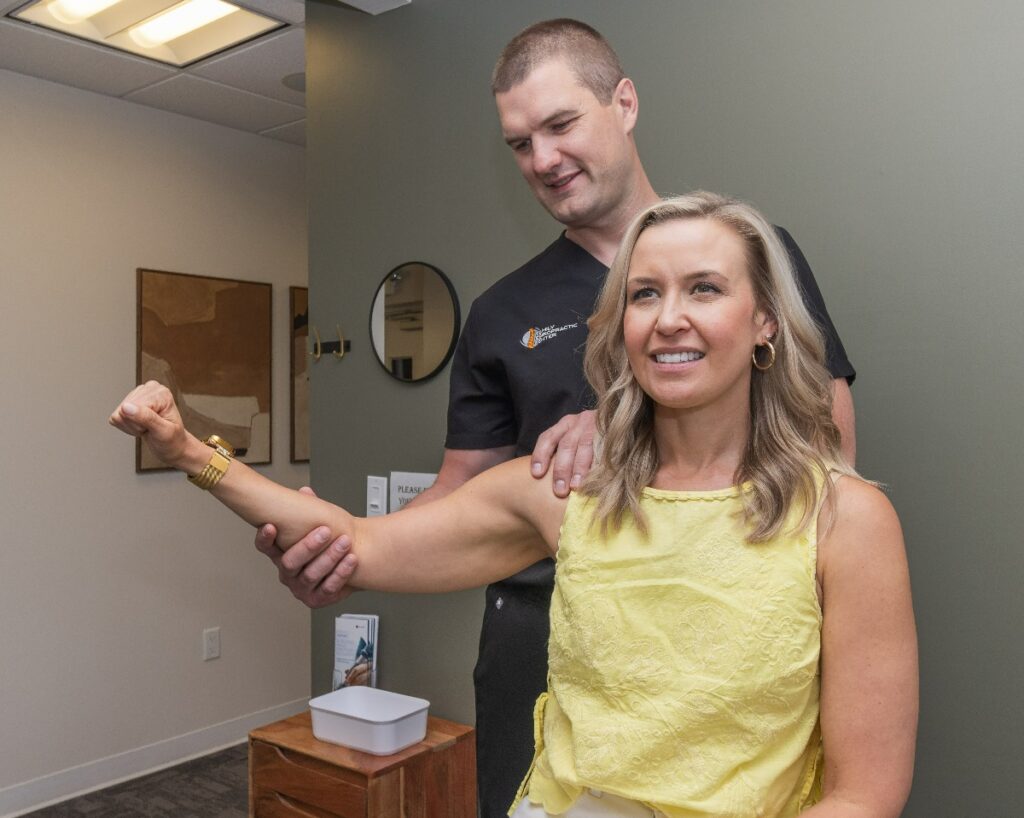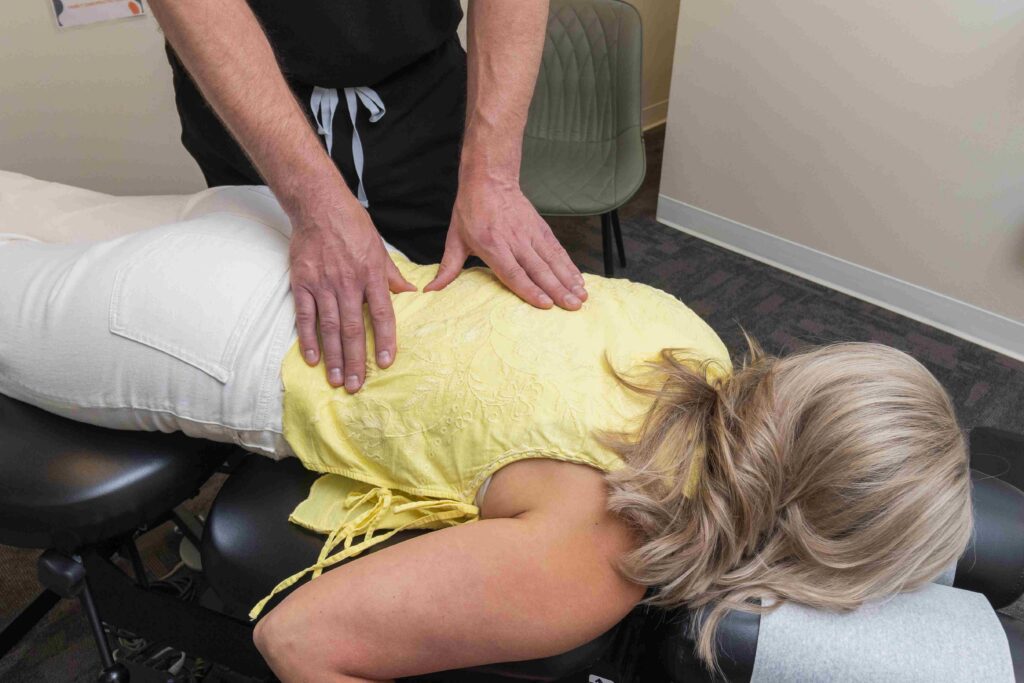

Are you aware of the incredible benefits that flexibility can bring to your daily life? Many individuals underestimate its importance, often overlooking the profound impact it has on posture, mobility, and overall comfort. As a chiropractor, I see firsthand how flexibility plays a crucial role in maintaining a healthy spine and preventing pain.
By taking our quiz, you can quickly assess your current flexibility level and identify areas that may need attention. This self-assessment is a valuable first step towards understanding your body better. Simple changes in your daily routine can lead to significant improvements in your flexibility and overall wellness.
Incorporating gentle stretching exercises into your day, maintaining good posture, and staying active can all enhance your flexibility. These practices not only help reduce tension in your muscles but also support your spinal health, making it easier for your body to function optimally.
Remember, chiropractic care is an excellent way to address any discomfort you may feel and promote natural healing. By working with a chiropractor, you can enhance your flexibility while also ensuring your spine is aligned, which is essential for a healthy and pain-free life.
Take the time to discover how improving your flexibility can unlock your body’s potential. You might be pleasantly surprised by the positive changes you experience!
Key Takeaways
- Start by assessing your current flexibility with simple tests like seated toe reaches and shoulder flexibility checks. These can help you identify specific areas where you may need improvement, which is essential for overall health and wellness.
- Based on your assessment results, set achievable flexibility goals. This will not only help keep you motivated but also provide a clear path to track your progress as you work toward optimal health.
- Incorporate a blend of static and dynamic stretching techniques into your routine. This approach enhances flexibility, supports spinal health, and reduces the risk of injury, which is crucial for maintaining a pain-free lifestyle.
- Keep a record of your stretching routine and celebrate small victories along the way. Documenting your progress can boost your motivation and accountability as you strive for better flexibility and overall wellness.
- Always remember to practice safe stretching principles. Warming up properly and listening to your body are key to avoiding injuries. Engaging in chiropractic care can also support your flexibility goals by ensuring your spine is aligned and functioning optimally, which is essential for your overall health and wellness journey.
Understanding Flexibility and Its Benefits
Flexibility is more than just the ability to touch your toes; it’s an essential aspect of your overall health and well-being.
As a chiropractor, I want to emphasize the importance of flexibility in maintaining a healthy spine and body.
When you work on improving your flexibility, you enhance your range of motion, making everyday tasks, like bending down to tie your shoes or reaching for items on a high shelf, much easier and more enjoyable.
Increased flexibility can significantly reduce the risk of injuries.
With greater flexibility, your muscles and joints move more freely, allowing your body to adapt to various movements without strain.
This is especially important for maintaining a healthy spine, as good flexibility supports proper alignment and function.
Additionally, improving your flexibility can lead to better posture.
Good posture not only helps prevent back pain and discomfort but also contributes to overall body alignment, which is essential for spinal health.
When your spine is aligned, it can function optimally, supporting your nervous system and enhancing your overall wellness.
You might also notice that greater flexibility can boost your athletic performance.
It allows you to perform movements with more efficiency and ease, whether you’re playing sports or simply enjoying recreational activities.
Don’t forget about the mental benefits!
Incorporating stretching and flexibility exercises into your routine can help reduce stress and promote relaxation, which is vital for both your mental and physical health.
As you embark on your journey to improved flexibility, consider these simple tips:
- Incorporate Daily Stretching: Spend a few minutes each day stretching different muscle groups. Focus on areas that feel tight or tense.
- Practice Mindfulness: Pay attention to your body as you stretch. Breathing deeply and being mindful can enhance relaxation and flexibility.
- Stay Consistent: Flexibility improves over time with regular practice. Aim for at least a few sessions a week.
- Consider Chiropractic Care: Regular chiropractic adjustments can enhance your flexibility by ensuring that your spine and joints are properly aligned, allowing for better movement.
Embracing flexibility is a key step toward achieving a healthier, happier you.
Remember, chiropractic care is a natural and effective way to support your journey towards optimal health and wellness.
Let’s work together to improve your flexibility and overall quality of life!
Assessing Your Current Flexibility Level
To enhance your flexibility, it’s essential to first assess your current level. Understanding where you stand can help you pinpoint areas for improvement and customize your flexibility routine effectively.
Here are some straightforward methods for evaluating your flexibility, all while keeping in mind the benefits of chiropractic care for overall wellness:
- Static Stretching Test: While seated, reach for your toes and see how far you can go. This simple test gives you insight into the flexibility of your hamstrings and lower back, areas that chiropractic care can help improve through spinal adjustments and targeted exercises.
- Shoulder Flexibility Check: Stand and try to clasp your hands behind your back. Take note of how far your hands can reach. Limited shoulder flexibility can often be addressed through chiropractic techniques that promote better joint function and mobility.
- Hip Opener Test: Sit on the floor and bring your feet together while allowing your knees to fall outward. Pay attention to how easily this motion feels. Hip flexibility is crucial for overall movement and can be enhanced through chiropractic adjustments that align the pelvis and spine.
- Dynamic Movement: Perform a deep lunge and assess your range of motion. If you experience discomfort, this could indicate areas that would benefit from the holistic approach of chiropractic care, which focuses on restoring balance and function to your body.
Common Flexibility Myths Debunked
When it comes to flexibility, many people mistakenly think it’s all about being able to touch your toes or perform fancy stretches. However, these common myths can actually hold you back from achieving a more flexible and healthier body.
First and foremost, flexibility isn’t just for athletes; everyone can gain from increasing their range of motion, no matter their fitness level. This is where chiropractic care can play a vital role. Regular adjustments can help improve spinal alignment and support your body’s natural ability to become more flexible.
Another misconception is the idea that stretching before a workout prevents injuries. In reality, static stretching can temporarily weaken your muscles. Instead, consider incorporating dynamic stretching into your warm-up routine. This type of stretching can enhance your mobility and prepare your muscles for action.
Many people also believe that flexibility is something set in stone. The truth is, with consistent effort and the right practices—like chiropractic adjustments—you can improve your flexibility over time.
Lastly, some think that age is a barrier to enhancing flexibility. The good news is, with dedication and the right approach, many older adults have successfully increased their flexibility and overall well-being through chiropractic care and simple stretching exercises tailored to their needs.
The Science of Stretching
Understanding the science behind stretching can significantly improve your approach to flexibility and overall well-being. Stretching isn’t just about reaching for your toes; it involves important changes in your muscles and connective tissues that can enhance your health. By incorporating stretching into your routine, you’re not only increasing blood flow and improving muscle elasticity but also promoting a strong foundation for your spine and overall body function.
Here are some key points to remember:
- Muscle Fibers: Regular stretching helps elongate muscle fibers, making them more pliable. This flexibility can support spinal alignment and reduce tension throughout your body.
- Nerve Responses: Your nervous system plays a crucial role in regulating muscle tension. By understanding how it works, you can learn to stretch more effectively and improve your range of motion, which can enhance your chiropractic care outcomes.
- Connective Tissues: Stretching positively impacts your tendons and ligaments, promoting joint mobility and stability. This is essential for maintaining a healthy spine and preventing injuries that could lead to discomfort or pain.
- Hormonal Impact: Engaging in regular stretching can boost the release of endorphins, which may help alleviate stress and improve your mood. This natural approach to wellness complements chiropractic care, providing a holistic method for achieving optimal health.
Tips for Effective Stretching:
- Incorporate stretching into your daily routine, especially after sitting for long periods or following physical activity.
- Focus on slow, controlled movements to avoid injury; never push yourself to the point of pain.
- Combine stretching with deep breathing to enhance relaxation and improve the benefits.
- Consider scheduling regular chiropractic adjustments to support your stretching routine and maintain spinal health.
Types of Stretching Techniques
When it comes to enhancing your flexibility and overall well-being, understanding different stretching techniques is essential. As a chiropractor, I believe that incorporating these methods into your routine can complement the benefits of chiropractic care and support a healthier lifestyle.
Static stretching is a fantastic way to increase your range of motion. By holding a stretch for a period of time, you allow your muscles to relax and lengthen, which can help alleviate tension and promote better alignment of your spine. This is particularly beneficial after a chiropractic adjustment, as it helps maintain the improvements in your flexibility and posture.
On the other hand, dynamic stretching involves moving parts of your body through a full range of motion. This technique can enhance your performance during workouts and daily activities by preparing your muscles and joints for movement. It’s a great way to warm up before exercising, and it helps reduce the risk of injury by keeping your body limber and ready for action.
Another effective method is proprioceptive neuromuscular facilitation (PNF), which is a more advanced stretching technique that combines stretching and contracting of the muscles. This can significantly boost your flexibility and is often used in rehabilitation settings. Working with a chiropractor can help you incorporate PNF techniques safely and effectively into your routine.
Remember, it’s crucial to listen to your body when stretching. Here are some general tips to keep in mind:
- Warm Up First: Always warm up your muscles before stretching to prevent injury. A few minutes of light activity can do wonders.
- Breathe Deeply: Focus on your breathing as you stretch. Deep breaths help relax your muscles and improve blood flow.
- Don’t Push It: Stretch until you feel a gentle pull, not pain. Overstretching can lead to injuries and setbacks.
- Consistency is Key: Regular stretching, along with chiropractic adjustments, can lead to lasting improvements in flexibility and pain relief.
Static Stretching Benefits
Static stretching is a valuable practice that can significantly enhance your overall flexibility and athletic performance, making it an excellent complement to chiropractic care.
By incorporating static stretches into your routine, you can experience improvements in several important areas that contribute to a healthier, pain-free life:
- Increased range of motion: Regular static stretching can help your joints move more freely, which is essential for overall mobility and spinal health. This can lead to a better quality of life and more enjoyable daily activities.
- Improved posture: Tight muscles can pull your spine out of alignment, leading to discomfort and pain. Static stretching works to lengthen these muscles, helping you maintain proper posture. This is crucial for reducing strain on your spine and preventing long-term issues.
- Reduced muscle soreness: After a workout, your muscles can feel tight and sore. Static stretching helps ease this tension, promoting recovery and allowing you to bounce back more quickly. Pairing this with regular chiropractic adjustments can further enhance your recovery process.
- Enhanced relaxation: Stretching has a calming effect on both your mind and body, which can help reduce stress levels. When combined with chiropractic care, you can achieve a greater sense of overall well-being.
As a local chiropractor, I encourage you to incorporate static stretching into your wellness routine.
Here are some simple tips to get you started:
- Start slow: Focus on the major muscle groups and hold each stretch for 15-30 seconds.
- Breathe deeply: Inhale and exhale slowly while stretching to enhance relaxation.
- Listen to your body: Stretch to a point of mild discomfort, but never to pain.
- Stay consistent: Aim to stretch at least a few times a week for the best results.
By embracing static stretching along with chiropractic care, you’re taking important steps toward achieving optimal health and a pain-free lifestyle.
Dynamic Stretching Techniques
Dynamic stretching techniques are often overlooked, but they can play a vital role in enhancing your flexibility and preparing your body for physical activity, especially when paired with chiropractic care. Unlike static stretching, dynamic stretches involve movement, which helps increase blood flow to your muscles and prepares your body for action. Think of exercises like leg swings, arm circles, and walking lunges. These movements not only warm up your muscles but also improve your range of motion, which is essential for maintaining a healthy spine and overall well-being.
As you perform these dynamic stretches, focus on controlled movements to activate your muscles effectively. This not only helps you feel more limber but also supports spinal health by promoting proper alignment and reducing tension in your back. Incorporating dynamic stretching into your routine can enhance your performance in daily activities and reduce the risk of injury, particularly in areas that chiropractic care addresses, such as the back, neck, and joints.
Aim to include 5-10 minutes of dynamic stretches before your workouts. This simple practice can help you prepare for any physical challenge that comes your way. Remember, chiropractic care complements these efforts by addressing any underlying issues in your spine or musculoskeletal system, ensuring you stay active and pain-free. By focusing on natural wellness and movement, you can take significant steps toward a healthier, more vibrant life.
Proprioceptive Neuromuscular Facilitation
Proprioceptive Neuromuscular Facilitation (PNF) stretching techniques can be valuable tools for enhancing flexibility and supporting overall muscle function, which is crucial for maintaining optimal spine health. These methods work by combining both stretching and contracting your muscles, helping to improve your range of motion and reduce discomfort. Here are a few straightforward PNF techniques you can easily add to your routine, all aimed at promoting natural healing and wellness:
- Hold-Relax: Start by gently stretching the muscle, then contract it against some resistance before relaxing and sinking deeper into the stretch. This helps to release tension and improve flexibility.
- Contract-Relax: Actively engage the muscle by contracting it, then allow it to relax. This phase encourages a greater stretch and can enhance mobility, which is essential for a healthy spine.
- Hold-Relax with Agonist Contraction: After contracting the target muscle, engage the opposite muscle. This technique not only deepens the stretch but also promotes balance in muscle function, which is key for spinal health.
- Rhythmic Initiation: Move your limb gently through its range of motion. This helps to improve flexibility and coordination, making daily movements smoother and less painful.
Incorporating PNF techniques into your routine can significantly boost your flexibility gains and support your overall well-being.
Personalized Tips for Improving Flexibility
To enhance your flexibility and support your overall health, it’s important to incorporate a variety of personalized strategies into your daily routine. Start by identifying your specific flexibility goals—are you aiming to improve your splits or simply want to reach for your toes? Knowing your targets will help tailor your approach.
Pay attention to your body’s unique needs. For instance, if you find that your hamstrings are tight, focus on gentle hamstring stretches like seated forward bends or standing stretches. These simple movements can help alleviate tension and improve your flexibility, promoting a healthier spine and reducing discomfort.
Incorporate dynamic stretching into your warm-up to prepare your muscles for activity. This not only enhances flexibility but also helps prevent injuries. After your workouts, dedicate time to static stretches, which can further increase your flexibility and promote recovery. Remember, consistency is key—aim for short daily sessions rather than infrequent longer ones, as regular practice can lead to significant improvements.
Always listen to your body; if a stretch feels uncomfortable, consider modifying it. It’s essential to work within your limits and avoid pushing yourself too hard. Additionally, don’t overlook the importance of hydration and proper nutrition. Staying hydrated and fueling your body with wholesome foods plays a crucial role in muscle recovery and overall flexibility.
Lastly, consider incorporating chiropractic care into your wellness routine. Regular chiropractic adjustments can help align your spine, improve mobility, and enhance your body’s natural ability to heal itself. By choosing chiropractic care as a part of your journey toward greater flexibility and health, you can achieve optimal wellness without the need for invasive procedures or medications. With these personalized tips, you’ll be well on your way to improving your flexibility and supporting your overall health.
Incorporating Flexibility Training Into Your Routine
Incorporating flexibility training into your routine is a fantastic way to support your spine health and overall wellness. As a chiropractor, I know that maintaining flexibility can significantly enhance your physical performance while also reducing the risk of injury.
By starting small and gradually increasing the intensity and duration of your flexibility sessions, you can make a positive impact on your body. Here are some effective and easy ways to weave flexibility training into your daily life:
- Schedule dedicated time: Carve out 10-15 minutes several times a week just for stretching. This small commitment can yield big results for your spine and joints.
- Warm up properly: Always include flexibility exercises after your warm-up. This not only enhances the effectiveness of your stretching but also helps prevent injuries, ensuring that your body is ready for movement.
- Use props: Consider incorporating tools like resistance bands or yoga blocks. These can assist you in achieving deeper stretches, promoting better flexibility while supporting your spine.
- Combine with other workouts: Integrate flexibility training into your cardio or strength sessions. This approach helps maximize benefits, allowing your muscles to recover and your spine to stay aligned.
Remember, flexibility training isn’t just about improving your range of motion; it’s also about supporting your overall health and wellness. Regular stretching can alleviate tension, promote relaxation, and complement the benefits of chiropractic care, helping you achieve optimal health naturally.
Always listen to your body and make adjustments as needed to ensure a safe and effective routine.
Tracking Your Progress and Staying Motivated
Regularly tracking your progress is essential for staying motivated on your journey to better flexibility and overall wellness. Consider keeping a journal or using an app to document your stretches, how long you hold them, and any improvements you notice. This practice not only allows you to recognize how far you’ve come but also helps you identify areas that may require a little extra attention.
Set specific, achievable goals to provide direction for your training. For instance, you might aim to reach a certain level of flexibility within a set timeframe. Celebrate those small victories along the way, such as finally touching your toes or being able to hold a stretch longer than you could before. These achievements can reinforce your commitment to your health.
Sharing your journey with friends or joining a supportive community can also enhance your motivation. Their encouragement can help keep you accountable and inspired. Remember, the focus should be on progress rather than perfection. If you find yourself hitting a plateau, don’t get discouraged—consider adjusting your routine or incorporating new stretches to reignite your enthusiasm.
Moreover, chiropractic care can play a vital role in enhancing your flexibility and overall physical health. Regular visits to your chiropractor can help ensure that your spine is properly aligned, which can improve your mobility and reduce any discomfort that may be hindering your progress. By combining chiropractic care with your flexibility training, you’re setting yourself up for optimal health and wellness. Stay committed, and you’ll continue to see positive results in both your flexibility and overall well-being!
Conclusion
Incorporating flexibility training into your routine can significantly enhance your overall well-being and spinal health. By understanding your current flexibility level and debunking common myths, you can make informed choices that support your body. As a chiropractor, I can assure you that improving your flexibility not only boosts your range of motion but also contributes to a pain-free lifestyle.
Chiropractic care plays a crucial role in achieving optimal flexibility. Regular adjustments can help align your spine, improve your posture, and reduce tension in your muscles, making it easier for you to stretch and move freely. Additionally, I encourage you to incorporate gentle stretching techniques into your daily routine to complement your chiropractic visits. Simple moves like neck rolls, shoulder stretches, and hamstring stretches can do wonders for your flexibility.
Remember, you don’t have to do it alone! Take our quiz today to assess your flexibility and receive personalized tips that fit your lifestyle. Embrace this journey toward a more flexible, healthier you, and let chiropractic care guide you every step of the way. Your body will thank you!