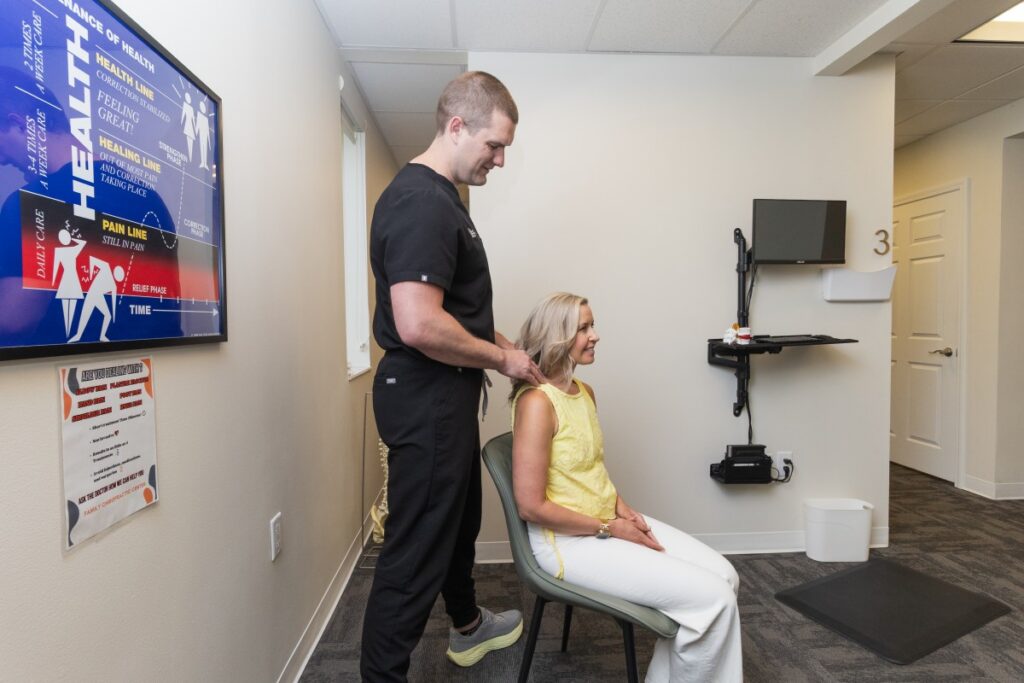

If you’ve ever struggled with lower back pain, you know how it can affect every part of your life—from getting out of bed in the morning to sitting through a workday or playing with your kids. Lower back pain is one of the most common reasons people seek healthcare, and here in McKees Rocks, we see patients dealing with this challenge every single day. The good news? Chiropractic adjustments offer a safe, effective, drug-free approach to addressing lower back pain at its source. In this article, we’ll explore how chiropractic care works, what the research says, and how it might help you find relief and get back to the activities you love.
What are chiropractic adjustments for lower back pain? Chiropractic adjustments, also called spinal manipulations, are controlled, precise movements applied to joints in the spine that have become restricted or misaligned. These adjustments help restore normal movement, reduce nerve irritation, improve function, and decrease pain in the lower back naturally—without drugs or surgery.
Table of Contents
- Understanding Lower Back Pain and Its Impact
- Common Causes of Lower Back Pain
- How Chiropractic Adjustments Work
- What the Research Says
- Key Benefits of Chiropractic Adjustments for Lower Back Pain
- What to Expect During Chiropractic Care
- Practical Tips for Managing Lower Back Pain
- When to See a Chiropractor
- Treatment Approaches Comparison
- Myths vs. Facts About Chiropractic Care
- Final Thoughts
Understanding Lower Back Pain and Its Impact
Lower back pain affects approximately 80% of adults at some point in their lives, making it one of the leading causes of disability worldwide. Whether it’s a dull ache that won’t go away or a sharp pain that shoots down your leg, lower back discomfort can significantly limit your quality of life.
The lower back, or lumbar spine, consists of five vertebrae stacked on top of each other with cushioning discs in between. This area supports the weight of your upper body and allows you to twist, bend, and move. Because of the stress it handles daily, the lower back is particularly vulnerable to injury and dysfunction.
Many patients we see at Family Chiropractic Center in McKees Rocks have tried various approaches before coming in—over-the-counter pain relievers, rest, ice and heat—but found only temporary relief. That’s because these methods often address symptoms rather than the underlying mechanical problems causing the pain.
The impact of chronic lower back pain extends beyond physical discomfort. It affects sleep quality, work productivity, mood, and relationships. People may avoid activities they once enjoyed, from gardening to hiking to simply playing on the floor with their grandchildren. Understanding that lower back pain is often a mechanical problem helps explain why mechanical solutions like chiropractic adjustments can be so effective.
Common Causes of Lower Back Pain
Lower back pain rarely appears without reason. Understanding what contributes to your discomfort is the first step toward finding lasting relief. At our McKees Rocks practice, we take time to identify the root causes specific to each patient.
Mechanical dysfunction and joint restrictions are among the most common culprits. When spinal joints don’t move properly—whether from injury, poor posture, or repetitive stress—surrounding muscles tighten, inflammation develops, and nerves can become irritated. This creates a cycle of pain and dysfunction.
Muscle strains and ligament sprains occur when the soft tissues supporting your spine are overstretched or torn. This might happen from lifting something heavy with poor form, a sudden twisting motion, or even something as simple as bending to tie your shoes when your body isn’t prepared.
Disc problems can develop over time or from acute injury. The cushioning discs between your vertebrae can bulge, herniate, or degenerate, potentially pressing on nearby nerves and causing pain that may radiate into the legs.
Poor posture and ergonomics contribute significantly to lower back pain. Many people in McKees Rocks work jobs that require prolonged sitting or repetitive movements. Hours spent hunched over a computer or standing on hard concrete floors place consistent stress on the lumbar spine.
Lifestyle factors including lack of regular movement, excess body weight, smoking, and high stress levels all increase vulnerability to lower back pain. These factors can reduce blood flow to spinal tissues, decrease flexibility, and impair the body’s natural healing processes.
Previous injuries that weren’t fully addressed can leave lasting weakness or instability in the lower back, making it more susceptible to re-injury or chronic pain.
How Chiropractic Adjustments Work
Chiropractic adjustments are based on a straightforward principle: when joints in your spine move properly, your body functions better and experiences less pain. But how exactly does this work?
During a chiropractic adjustment, your chiropractor applies a controlled, specific force to a joint that has restricted movement. This is typically done by hand, though sometimes specialized instruments are used. The adjustment is designed to restore normal motion to the joint, which has several important effects.
Restoring joint mobility is the primary mechanical goal. When a spinal joint becomes “stuck” or moves incorrectly, it alters the biomechanics of your entire spine. Nearby joints may compensate by moving too much, muscles become imbalanced, and the normal curves of your spine can shift. The adjustment helps reset this dysfunction.
Reducing nerve interference is another key mechanism. Your spinal cord runs through your vertebrae, with nerve roots branching out at each level. When joints are misaligned or not moving properly, these nerves can become irritated or compressed. Research suggests that adjustments may help reduce this mechanical irritation and improve nerve function.
Decreasing muscle tension occurs naturally when joint function improves. Muscles that have been working overtime to compensate for joint dysfunction can finally relax. This reduction in muscle spasm and tension contributes significantly to pain relief.
Stimulating natural pain relief mechanisms is an often-overlooked benefit. Evidence indicates that spinal manipulation may trigger the release of endorphins—your body’s natural pain relievers—and may influence pain processing in the nervous system itself.
Improving circulation and reducing inflammation in the affected area supports healing. Better movement means better blood flow, which delivers oxygen and nutrients while removing inflammatory waste products.
At Family Chiropractic Center, we explain these mechanisms to our patients because understanding how adjustments work helps build confidence in the care process and improves outcomes.
What the Research Says
You might wonder whether there’s real evidence supporting chiropractic care for lower back pain. The answer is a resounding yes. Multiple high-quality studies and clinical guidelines now recognize spinal manipulation as an effective, first-line treatment option.
The American College of Physicians published clinical practice guidelines recommending that patients with acute or chronic lower back pain should first try non-drug therapies—including spinal manipulation—before considering medication. This represents a significant shift in how mainstream medicine views conservative care options.
Research published in journals like Spine and reviewed by organizations like the Cochrane Library has shown that spinal manipulation can provide meaningful pain relief and functional improvement for many patients with lower back pain. While individual results vary, evidence indicates that chiropractic care often performs as well as or better than conventional medical treatments for certain types of back pain.
A large-scale review by the Agency for Healthcare Research and Quality found that manual therapies, including spinal manipulation, were associated with small to moderate benefits for chronic lower back pain. The research consistently shows that serious adverse events from chiropractic adjustments are extremely rare.
The National Institutes of Health’s National Center for Complementary and Integrative Health acknowledges that spinal manipulation may help with lower back pain and states that for acute low back pain, it appears to be as effective as conventional treatments.
What makes this evidence particularly compelling is that these benefits come without the side effects associated with long-term medication use or the risks and recovery time of surgery. For many patients here in McKees Rocks, PA, this makes chiropractic care an attractive first option when lower back pain strikes.
Key Benefits of Chiropractic Adjustments for Lower Back Pain
When patients come to Family Chiropractic Center seeking relief from lower back pain, they often ask what specific benefits they might experience. While everyone’s journey is different, chiropractic adjustments offer several distinct advantages.
Drug-free pain relief is perhaps the most obvious benefit. Many people prefer to avoid long-term medication use due to concerns about side effects or dependency. Chiropractic adjustments address pain by correcting mechanical problems rather than masking symptoms with drugs.
Improved mobility and range of motion make daily activities easier. When your lower back moves better, everything from bending to pick something up to reaching overhead becomes less challenging. Patients often tell us they notice they can move more freely within just a few visits.
Reduced muscle tension and spasms provide immediate comfort. That tight, knotted feeling in your lower back muscles often diminishes as joint function improves and your body no longer needs to guard against painful movements.
Enhanced function and quality of life mean getting back to the activities that matter most to you. Whether that’s working without constant discomfort, exercising again, or simply sleeping through the night, improved function translates directly to better daily living.
Avoiding or delaying surgery is a significant benefit for many patients. While surgery is sometimes necessary, many cases of lower back pain respond well to conservative chiropractic care. Starting with the least invasive approach makes sense for most people.
Shorter recovery times compared to invasive procedures mean less time away from work and normal activities. Chiropractic care allows you to continue your daily routine while addressing the problem.
Personalized, whole-person approach sets chiropractic care apart. Your treatment isn’t just about the adjustment itself—it includes education, exercise recommendations, ergonomic advice, and lifestyle guidance tailored to your specific situation and goals.
Prevention of future episodes is possible when you address underlying biomechanical issues and maintain proper spinal function. Many patients continue with periodic maintenance care to prevent problems from returning.
What to Expect During Chiropractic Care
If you’ve never visited a chiropractor before, knowing what to expect can ease any concerns and help you feel more comfortable with the process.
Your first visit to Family Chiropractic Center begins with a thorough consultation and examination. We’ll discuss your health history, current symptoms, what makes your pain better or worse, and your treatment goals. This conversation helps us understand not just your lower back pain, but you as a whole person.
The physical examination includes assessments of your posture, spinal alignment, range of motion, muscle strength, and neurological function. We may check your reflexes, perform orthopedic tests, and carefully palpate your spine to identify areas of restriction or tenderness. If necessary, we may recommend X-rays or refer you for additional imaging.
Once we’ve gathered this information, we’ll explain our findings in clear, understandable terms and discuss whether chiropractic care is appropriate for your condition. If you’re a good candidate, we’ll create a personalized care plan.
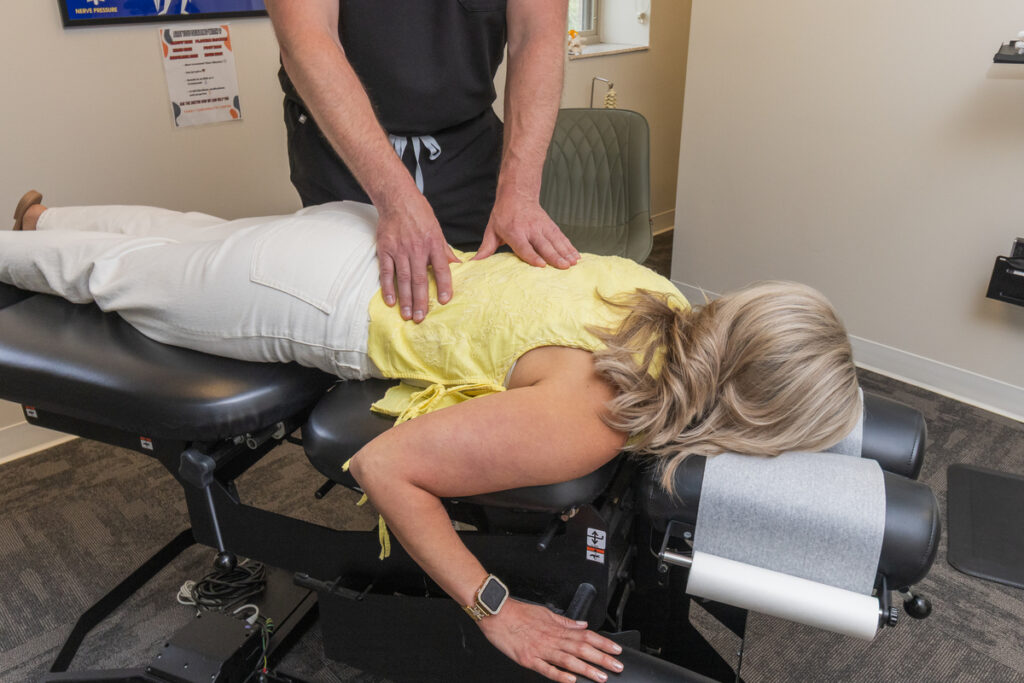
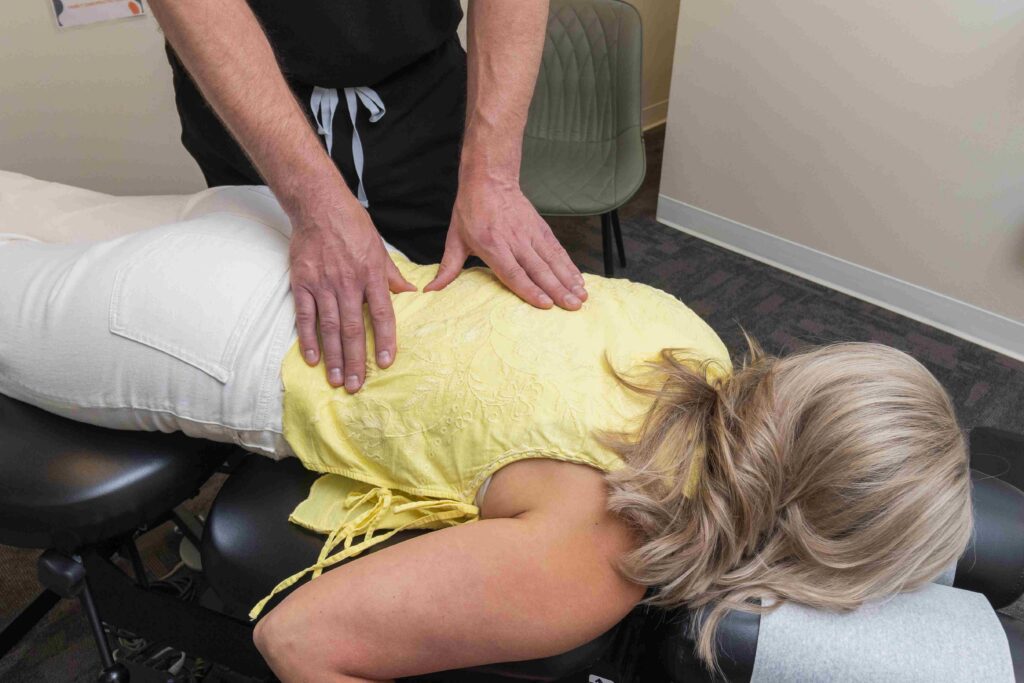
During the adjustment itself, you’ll typically lie on a specialized chiropractic table. Your chiropractor will position you carefully and then deliver a quick, controlled thrust to the specific joint that needs attention. You may hear a popping or cracking sound—this is simply gas bubbles releasing from the joint fluid and is completely normal. Most patients find adjustments comfortable and even relieving.
After the adjustment, we may apply other therapies such as ice, heat, soft tissue work, or recommend specific exercises. We’ll also provide guidance on what to do at home to support your recovery.
Initial care plans for lower back pain typically involve more frequent visits at first—perhaps two to three times per week—with visits spacing out as you improve. The total duration of care depends on factors like how long you’ve had the problem, its severity, and how your body responds.
Throughout your care at our McKees Rocks practice, we monitor your progress and adjust the treatment plan as needed. Communication is key—we want to hear about what’s working and what isn’t so we can optimize your results.
Practical Tips for Managing Lower Back Pain
While chiropractic adjustments address the structural aspects of lower back pain, what you do between visits matters enormously. Here are practical, evidence-based strategies to support your recovery and prevent future episodes.
Stay active with appropriate movement. Contrary to old advice about bed rest, research now shows that staying reasonably active (within pain tolerance) promotes faster recovery. Gentle walking, swimming, or stationary cycling can help maintain circulation and prevent stiffness without aggravating your condition. Avoid complete inactivity unless specifically instructed otherwise.
Practice proper lifting mechanics. Bend at your hips and knees rather than your waist. Keep the object close to your body. Tighten your core muscles before lifting. Never twist while holding something heavy. These simple techniques dramatically reduce stress on your lower back.
Optimize your workstation ergonomics. If you sit for work, ensure your chair supports your lower back’s natural curve. Your feet should rest flat on the floor, and your computer screen should be at eye level. Take brief standing and stretching breaks every 30-45 minutes. Many of our McKees Rocks patients have found that simple ergonomic changes make a significant difference.
Sleep in supportive positions. If you sleep on your back, place a pillow under your knees to reduce lower back strain. Side sleepers should place a pillow between their knees. Avoid sleeping on your stomach, which forces your lower back into excessive arch. A supportive mattress that’s not too soft or too saggy is important.
Strengthen your core muscles. Your abdominal and back muscles work together to support your spine. Gentle core strengthening exercises, once you’re past the acute pain phase, help stabilize your lower back and prevent re-injury. Ask us about appropriate exercises for your specific situation.
Maintain a healthy weight. Excess body weight, particularly around the midsection, places additional stress on your lower back. Even modest weight loss can reduce pain and improve function.
Manage stress effectively. Chronic stress causes muscle tension and can amplify pain perception. Techniques like deep breathing, meditation, or gentle yoga can help reduce stress and its physical effects on your body.
Stay hydrated. Your spinal discs need adequate hydration to maintain their cushioning properties. Drinking enough water throughout the day supports spinal health.
Apply ice or heat appropriately. For acute injuries or inflammation, ice for 15-20 minutes several times daily can reduce swelling. For chronic stiffness or muscle tension, heat may provide more relief. Listen to your body and use what feels helpful.
When to See a Chiropractor
Knowing when to seek professional care for lower back pain isn’t always straightforward. Some aches resolve on their own within a few days, while others signal the need for intervention.
Consider scheduling an appointment at Family Chiropractic Center if your lower back pain lasts more than a few days without improvement. While minor strains might resolve with rest and home care, pain that persists beyond three to five days often benefits from professional assessment and treatment.
You should seek care if your pain is severe enough to interfere with daily activities, work, or sleep. Pain that limits your ability to function normally deserves attention, not just endurance.
Recurrent episodes of lower back pain—even if they resolve each time—suggest an underlying mechanical problem that should be addressed. Treating the root cause can prevent future episodes and potentially more serious problems down the road.
Pain that radiates down one or both legs may indicate nerve involvement and warrants professional evaluation. This is especially true if you experience numbness, tingling, or weakness in your legs or feet.
If you’ve already tried self-care measures like rest, over-the-counter pain relievers, ice, and heat without adequate relief, it’s time to consider a different approach. Continuing to do the same things while expecting different results rarely works.
Red flags requiring immediate medical attention include: loss of bowel or bladder control, progressive leg weakness, numbness in the saddle area, pain following significant trauma, fever accompanying back pain, unexplained weight loss, or pain that’s worse at night and not relieved by rest. While these situations are uncommon, they require urgent medical evaluation to rule out serious conditions.
For most mechanical lower back pain, chiropractic care offers a safe, conservative starting point. We’re trained to recognize when your condition falls outside our scope of practice and will refer you appropriately if needed.
Here in McKees Rocks, PA, we encourage patients not to wait until pain becomes unbearable. Earlier intervention often means faster recovery and better outcomes.
Treatment Approaches Comparison
| Treatment Approach | How It Works | Typical Timeline | Considerations |
|---|---|---|---|
| Chiropractic Adjustments | Restores normal joint motion, reduces nerve interference, decreases muscle tension | Several weeks to months depending on severity; progressive improvement | Drug-free, non-invasive; addresses underlying mechanical dysfunction; minimal side effects |
| Medications (NSAIDs, Muscle Relaxants) | Reduces inflammation and pain perception; relaxes muscle spasms | Temporary relief while taking; doesn’t address cause | Potential side effects; doesn’t correct mechanical problems; symptom management only |
| Physical Therapy | Strengthens muscles, improves flexibility and movement patterns | Several weeks to months with consistent exercise compliance | Complementary to chiropractic; requires active patient participation; effective for rehabilitation |
| Surgery | Removes damaged tissue, decompresses nerves, fuses joints | Immediate intervention with months of recovery | Invasive; significant recovery time; risks and complications possible; usually last resort |
| Rest Alone | Allows natural healing of minor strains | Effective for very minor issues within days | Prolonged rest can worsen stiffness; doesn’t address mechanical dysfunction; limited effectiveness |
Myths vs. Facts About Chiropractic Care
Despite growing acceptance of chiropractic care, misconceptions still exist. Let’s address some common myths with evidence-based facts.
Myth: Once You Start Chiropractic Care, You Have to Keep Going Forever
Fact: While some patients choose ongoing wellness care because they feel better with it, you’re never obligated to continue indefinitely. Initial care addresses your current problem, and you decide whether periodic maintenance visits fit your health goals. The choice is always yours.
Myth: Chiropractic Adjustments Are Dangerous and Can Cause Strokes
Fact: Serious complications from chiropractic adjustments are extremely rare. Research shows that the risk of stroke following neck manipulation is comparable to the risk following a visit to a primary care physician, suggesting that people already experiencing symptoms seek care rather than the care causing the problem. Lower back adjustments carry even less risk.
Myth: Chiropractors Aren’t Real Doctors
Fact: Chiropractors complete extensive education including a four-year doctoral program after undergraduate studies. We’re trained in diagnosis, anatomy, physiology, radiology, and clinical assessment. Chiropractors are licensed healthcare professionals recognized by all 50 states and most insurance plans.
Myth: Chiropractic Adjustments Are Just About “Cracking Your Back”
Fact: While adjustments may produce audible sounds, that’s not the goal or the measure of success. The adjustment is a precise, controlled movement designed to restore proper joint function, reduce nerve interference, and improve overall biomechanics. The sound is simply a byproduct, not the treatment itself.
Myth: You Need X-rays or MRIs Before Starting Chiropractic Care
Fact: While imaging is valuable in certain situations, most cases of mechanical lower back pain can be assessed and treated effectively through clinical examination alone. We order imaging only when clinically necessary—to rule out fractures, significant disc problems, or other conditions that might change our approach to care.
Myth: Chiropractic Care Is Only for Back Pain
Fact: While we’re certainly known for helping with back pain, chiropractic care addresses a wide range of musculoskeletal conditions including neck pain, headaches, joint problems, and sports injuries. The principles of proper alignment and function apply throughout the body.
Final Thoughts
Lower back pain doesn’t have to control your life. Whether you’re dealing with a recent injury or chronic discomfort that’s lasted months or years, chiropractic adjustments offer a safe, effective, evidence-based approach to finding relief and restoring function.
Here at Family Chiropractic Center in McKees Rocks, PA, we’re committed to helping our community move better, feel better, and live better. We understand how frustrating lower back pain can be, and we’re here to provide compassionate, personalized care that addresses your specific needs and goals.
If you’re struggling with lower back pain, we encourage you to take that first step toward recovery. A thorough evaluation can identify what’s causing your discomfort and whether chiropractic care is right for you. You don’t have to live with pain, and you don’t have to jump straight to medications or surgery. Conservative, natural approaches often provide the relief you’re seeking.
We look forward to serving the McKees Rocks community and helping you get back to doing what you love, pain-free. Your journey to better spinal health starts with a single decision to seek care—and we’re here to support you every step of the way.
Frequently Asked Questions
How long does it take for chiropractic adjustments to relieve lower back pain?
The timeline varies based on how long you’ve had the problem and its severity. Many patients notice some improvement within the first few visits, but lasting relief typically develops over several weeks of care. Acute problems often respond faster than chronic conditions that have been present for months or years.
Are chiropractic adjustments painful?
Most patients find adjustments comfortable and even relieving. You may feel pressure or a stretching sensation, and some mild soreness afterward is possible (similar to post-exercise soreness). However, the adjustment itself should not be painful, and we always work within your comfort level.
Can chiropractic care help with sciatica?
Yes, chiropractic care can be very effective for sciatica caused by mechanical problems like joint dysfunction, muscle spasm, or mild disc bulges. By improving spinal alignment and reducing nerve irritation, adjustments often provide significant relief from sciatic leg pain. However, severe disc herniations may require additional interventions.
Will my insurance cover chiropractic care for lower back pain?
Most insurance plans, including Medicare, provide at least some coverage for chiropractic care, especially for conditions like lower back pain. Coverage details vary by plan, so we recommend contacting your insurance provider or our office to verify your specific benefits before your first visit.
Is chiropractic care safe for everyone with lower back pain?
Chiropractic care is safe for most people with lower back pain. However, certain conditions require modified techniques or preclude adjustments altogether. During your initial evaluation, we’ll review your complete health history and perform appropriate examinations to ensure chiropractic care is safe and appropriate for your specific situation.
Can I combine chiropractic care with other treatments?
Absolutely. Chiropractic care often works well alongside physical therapy, massage, appropriate exercise programs, and medical care when needed. We believe in collaborative, integrated approaches that serve your best interests. We’re happy to work with your other healthcare providers to coordinate your care effectively.
TL;DR – Key Takeaways
- Chiropractic adjustments provide drug-free, non-invasive relief for lower back pain by restoring proper joint motion, reducing nerve interference, and decreasing muscle tension
- Strong research evidence, including recommendations from the American College of Physicians, supports spinal manipulation as an effective first-line treatment for lower back pain
- Most patients experience improvement within several weeks, though timelines vary based on the duration and severity of the condition
- Combining chiropractic care with proper ergonomics, appropriate exercise, and healthy lifestyle habits optimizes results and helps prevent future episodes
- Serious side effects from chiropractic adjustments are extremely rare, making it one of the safest treatment options for mechanical lower back pain