
Enhancing your flexibility and mobility is crucial for overall health and wellness, particularly when it comes to maintaining a healthy spine and preventing injuries. By adopting simple yet effective strategies, you can boost your body’s range of motion and improve your overall performance. As a chiropractor, I believe that chiropractic care plays an essential role in achieving optimal health and natural healing. Let’s explore five key approaches that can significantly enhance your flexibility and mobility, all while promoting a pain-free lifestyle.
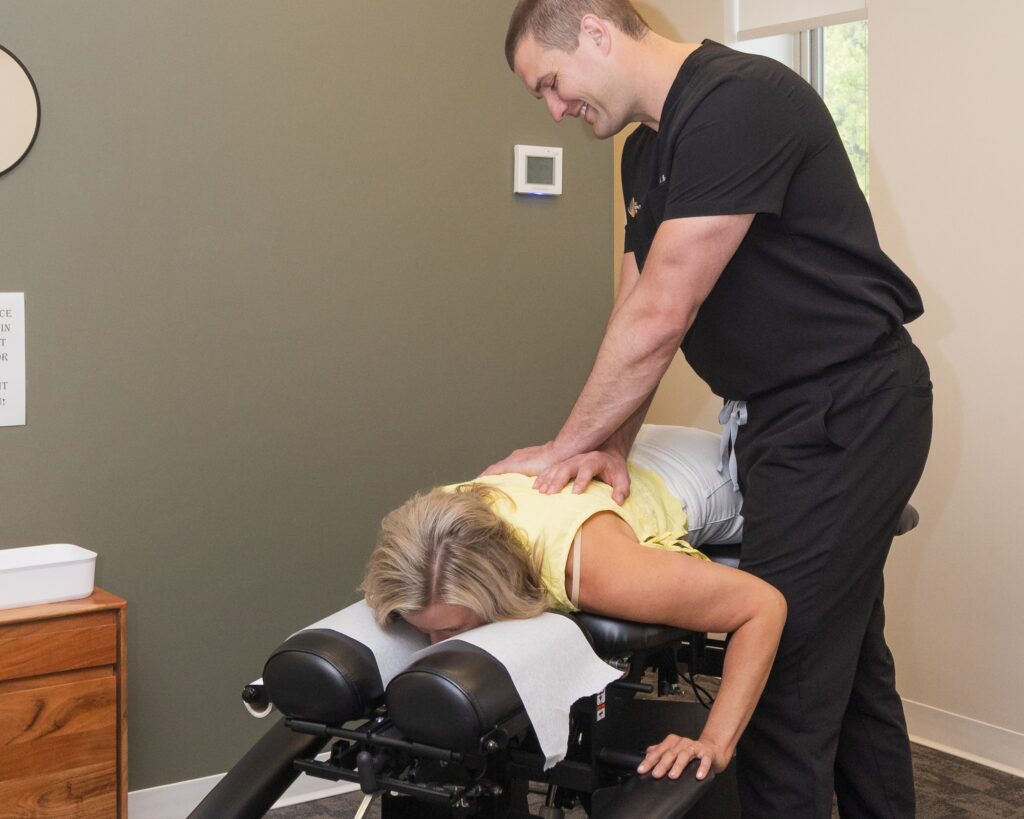
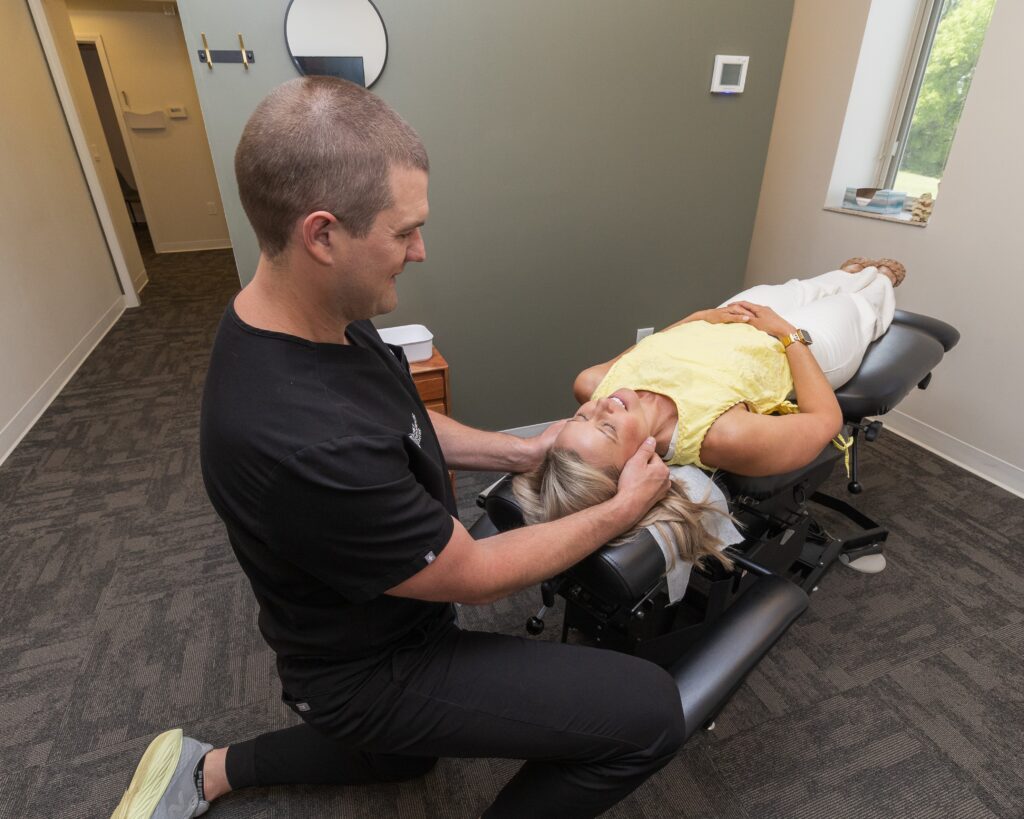
- Chiropractic Adjustments: Regular visits to your chiropractor can help align your spine and improve your body’s ability to move freely. Adjustments can relieve tension in your muscles and joints, making it easier to stretch and perform activities without discomfort.
- Dynamic Stretching: Incorporating dynamic stretching into your routine can warm up your muscles and joints, preparing them for action. This type of stretching involves moving parts of your body through their full range of motion, which can improve flexibility and reduce the risk of injury.
- Yoga: Practicing yoga is an excellent way to enhance flexibility and mobility while promoting relaxation and mindfulness. Many yoga poses can help open up tight areas in the body, especially the hips and spine, allowing for better overall movement.
- Strength Training: While it might seem counterintuitive, building strength can actually improve flexibility. Focus on exercises that engage multiple muscle groups and promote balanced strength throughout your body. This can help support your joints and enhance your range of motion.
- Consistent Routine: Establishing a routine that includes stretching, mobility exercises, and chiropractic care can provide long-lasting benefits. Consistency is key to seeing improvements in your flexibility and mobility over time.
By integrating these approaches into your daily life, you can enhance your flexibility and mobility naturally. Remember, chiropractic care is a powerful ally in your journey to better health, helping to relieve pain and promote wellness without the need for invasive procedures or medications. Prioritize your spine and overall well-being, and you’ll be well on your way to a healthier, more active life.
Key Takeaways
- Start your day with dynamic stretching for 5–10 minutes, which not only warms up your muscles but also promotes better blood flow, preparing your body for daily activities. This simple practice can set the stage for a more flexible and pain-free day.
- Regularly practicing yoga can be incredibly beneficial for enhancing mobility. Focus on foundational poses that not only improve flexibility but also help you reconnect with your body. This mindful practice complements chiropractic care by promoting a balanced alignment.
- Incorporate foam rolling techniques after your workouts. This self-care method helps relieve muscle tension, enhances circulation, and complements the benefits of chiropractic adjustments by keeping your muscles relaxed and ready for optimal alignment.
- Engage in strength training with compound movements to build functional strength. This approach not only strengthens your body but also supports the range of motion in your joints, working harmoniously with chiropractic care to keep your spine and body in peak condition.
- Remember to stay hydrated and prioritize balanced nutrition. Consuming lean proteins, healthy fats, and fresh produce is crucial for optimal muscle health. Proper nutrition supports your body’s natural healing processes, making chiropractic care even more effective in achieving overall wellness.
By incorporating these practices into your routine, you can enhance your flexibility and mobility while also supporting your journey toward natural wellness with chiropractic care.
Incorporate Dynamic Stretching Into Your Routine
To enhance your flexibility and mobility, it’s essential to incorporate dynamic stretching into your routine. Unlike static stretching, which involves holding a position, dynamic stretching involves movement, effectively preparing your muscles for activity. This process not only warms up your muscles but also boosts blood flow, making your workouts more effective.
Start with simple movements like arm circles and leg swings, gradually increasing the range of motion. Aim for 5 to 10 minutes of dynamic stretches before your main workout. You can include exercises such as lunges with a twist or high knees to engage multiple muscle groups. The key is to keep moving while stretching, allowing your body to adapt to the exercises you’ll perform.
Incorporating dynamic stretching into your routine can significantly improve your flexibility and reduce the risk of injury, which is particularly important for maintaining a healthy spine. As a chiropractor, I emphasize that a healthy spine is vital for overall wellness. By developing a habit of dynamic stretching, not only will you feel more limber, but you may also experience less discomfort and pain in your daily activities.
Practice Yoga for Improved Flexibility
Dynamic stretching is a great start to improving your flexibility, but adding yoga to your routine can enhance your overall mobility even further. As a chiropractor, I believe that incorporating yoga can’t only help you attain deeper stretches but also increase your body awareness, which is crucial for maintaining spinal health. Each yoga pose allows you to connect with your breath, helping to release tension and improve your range of motion while promoting a healthier spine.
Begin with foundational poses like Downward Dog or Cat-Cow. These positions gently stretch your spine and muscles, preparing your body for more advanced postures such as Pigeon or Warrior. Always listen to your body and respect its limits—this will help prevent injuries and ensure that you’re supporting your spinal health effectively.
Aim to practice yoga a few times each week. Consistency is key to seeing significant improvements in flexibility, strength, and balance. As you become more comfortable with different poses, you may notice your body becoming more agile and resilient. This increased mobility can greatly enhance your everyday activities and contribute to a pain-free lifestyle.
Utilize Foam Rolling Techniques
Incorporating foam rolling techniques into your wellness routine can significantly enhance your flexibility and support muscle recovery, complementing the benefits of chiropractic care.
This self-myofascial release method is a great way to relieve muscle tension and improve circulation, which are essential for overall health.
By using a foam roller, you can effectively target various muscle groups, promoting better mobility and reducing soreness, all of which contribute to your body’s natural healing process.
Here’s how to get started with foam rolling:
- Target Major Muscle Groups: Focus on areas such as your quads, hamstrings, back, and calves. These are key areas where tension often builds up.
- Apply Consistent Pressure: Spend about 30 seconds to 2 minutes on each muscle group. This duration allows your muscles to relax and respond to the pressure.
- Breathe Deeply: Remember to breathe deeply while rolling. This not only helps release tension but also enhances relaxation, making the process more effective.
- Incorporate Post-Workout: Using a foam roller after your workouts is an excellent way to aid recovery and improve flexibility, which aligns well with the holistic approach of chiropractic care.
- Explore Different Foam Rollers: There are various options available, including textured or vibrating foam rollers. Trying different types can help you find the right intensity that suits your needs.
Making foam rolling a regular part of your routine, alongside chiropractic adjustments, can lead to improved flexibility and reduced muscle tightness.
Both practices work together to support your body’s natural healing abilities, allowing you to feel your best.
Engage in Consistent Strength Training
Regularly engaging in consistent strength training can significantly improve your flexibility and overall mobility—key components for a healthy spine and body. By adding different resistance exercises to your routine, you’re not just building muscle; you’re also enhancing your range of motion, which is crucial for maintaining a healthy spine and preventing discomfort.
Focus on compound movements like squats, deadlifts, and bench presses. These exercises work multiple muscle groups at once, which can help you develop functional strength that supports your daily activities and spinal health.
As you progress, consider including exercises that challenge your stability, such as lunges or kettlebell swings. These movements improve coordination and balance, essential for maintaining mobility and reducing the risk of injuries that can affect your spine.
Bodyweight exercises are also highly effective for building strength while promoting natural movement patterns. Push-ups, pull-ups, and planks are great options that can be easily incorporated into your routine without the need for equipment.
Remember to adjust your training intensity and volume according to your fitness level. Consistency is crucial, so aim for at least two to three strength training sessions each week. By doing so, you’ll not only see improvements in your flexibility and mobility, but you’ll also be supporting your overall spinal health.
Incorporating chiropractic care into your wellness routine can further enhance your results. A chiropractor can help align your spine and ensure your body functions optimally, allowing you to perform strength training exercises with better form and less risk of injury.
Prioritizing both strength training and chiropractic care is a natural and effective way to achieve and maintain your health and wellness goals.
Maintain Hydration and Nutrition for Muscle Health
Building strength is just one aspect of improving your overall flexibility and mobility; your nutrition and hydration play a vital role in maintaining healthy muscles. As a chiropractor, I believe that proper nutrition and hydration are essential for your body’s well-being and can complement the benefits of chiropractic care.
Here are some practical tips to keep your muscles functioning optimally:
- Stay Hydrated: Aim for at least 8-10 cups of water daily. Staying hydrated helps your muscles work better and can reduce discomfort. Remember, hydration is key for overall health, especially when combined with chiropractic adjustments.
- Prioritize Protein: Incorporate lean proteins like chicken, fish, or plant-based options such as legumes into your meals. These nutrients are crucial for muscle repair and recovery, helping you feel your best after chiropractic treatments.
- Incorporate Healthy Fats: Foods like avocados, nuts, and olive oil not only provide energy but also help reduce inflammation. This can be especially beneficial for those managing pain or discomfort.
- Load Up on Vitamins: Fresh fruits and vegetables are packed with essential vitamins and minerals that support recovery and overall health. A diet rich in these foods can enhance the effectiveness of your chiropractic care.
- Balance Your Meals: Strive for a balanced plate that includes carbohydrates, proteins, and fats. This combination fuels your workouts and aids recovery. Think of it as nourishing your body to support the adjustments made during your chiropractic sessions.
Conclusion
By integrating these five strategies into your daily routine, you can significantly improve your flexibility and mobility, which are essential for overall health and wellness. Start with dynamic stretching to properly warm up your muscles and prepare your body for movement. Incorporating yoga into your routine will help you achieve deeper stretches, promoting a greater range of motion and relaxation.
Foam rolling is another fantastic tool to help relieve muscle tension and enhance your recovery. By loosening tight muscles, you’ll find that your body moves more freely. Additionally, engaging in strength training not only builds muscle but also supports functional mobility, allowing you to perform everyday activities with greater ease.
Don’t overlook the importance of hydration and proper nutrition, as these are key factors in maintaining healthy muscles and joints. Staying well-hydrated and fueling your body with nutritious foods will help your muscles recover and perform at their best.
As a chiropractor, I encourage you to embrace these practices alongside regular chiropractic care. Chiropractic adjustments can help align your spine, reduce pain, and enhance your overall mobility, making it easier to engage in these beneficial activities. By prioritizing these strategies, you will feel more agile and equipped to tackle any physical challenges that come your way while also promoting your natural healing process.