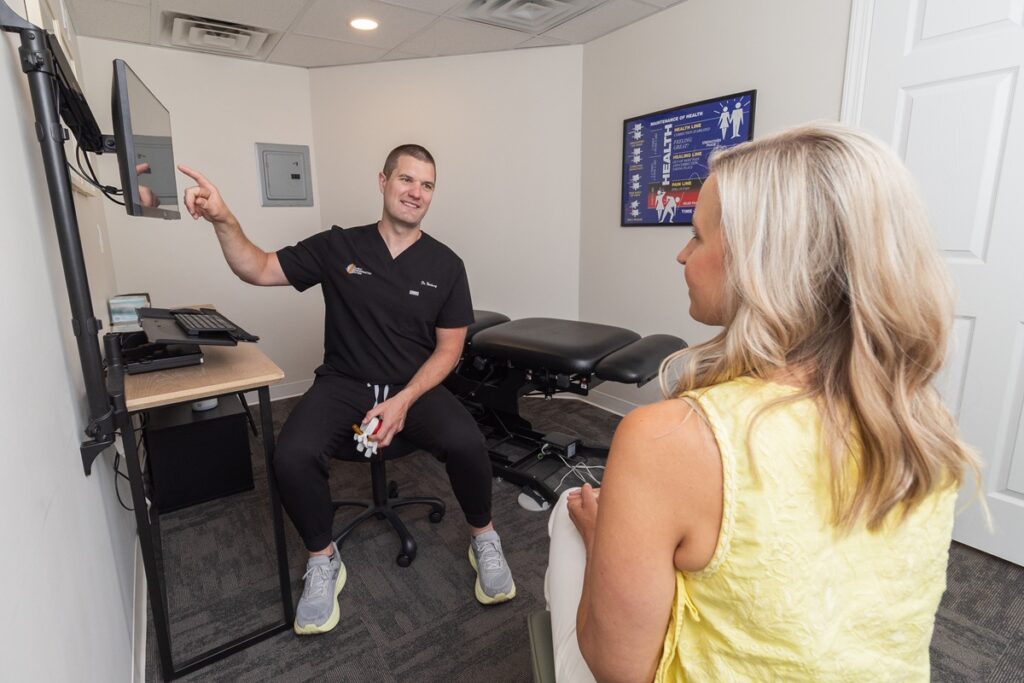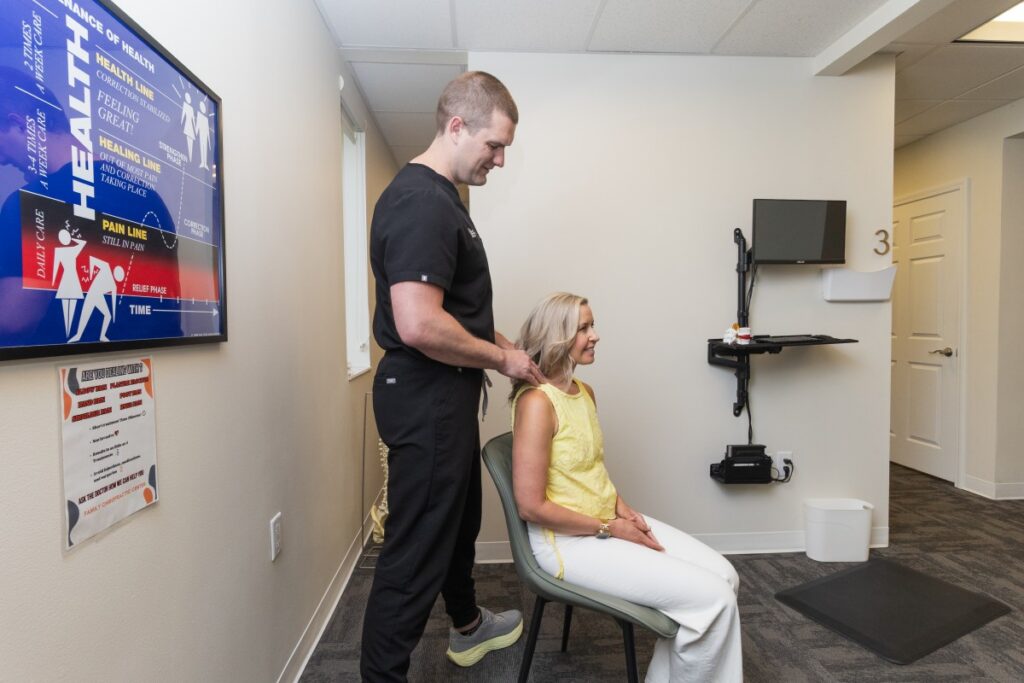

If you spend a good portion of your day sitting at a desk, looking down at your phone, or hunching over a laptop, you are not alone — and your neck probably knows it. Neck pain from poor ergonomics has become one of the most common complaints we see at Family Chiropractic Center in McKees Rocks, PA. The good news is that this type of pain is highly manageable, often preventable, and something Dr. Kevin Hartung and our team are passionate about helping patients understand and address. Whether your neck has been stiff for a few days or you have been dealing with chronic tension for months, this article will help you make sense of what is happening in your body and what you can do about it.
What Is Neck Pain from Poor Ergonomics?
Neck pain from poor ergonomics refers to discomfort, stiffness, or tension in the cervical spine and surrounding muscles that develops as a result of prolonged poor posture or an improperly set up workspace. When your body is repeatedly placed in positions that strain the muscles, joints, and nerves of the neck, that strain accumulates over time and eventually produces pain, restricted movement, and other symptoms.
Why Ergonomics Matter for Your Neck
The cervical spine — the seven vertebrae that make up your neck — is a remarkably complex structure. It supports the weight of your head, which typically weighs between ten and twelve pounds in a neutral position. That might not sound like much, but research suggests that for every inch your head shifts forward from its natural alignment, the effective load on your cervical spine can increase significantly. This concept is sometimes called “tech neck” or “forward head posture,” and it is one of the most widespread postural problems in modern life.
Ergonomics is the science of designing your environment — your chair, desk, monitor, keyboard, and even how you hold your phone — to support natural, efficient body mechanics. When your workstation or daily habits are not ergonomically sound, your muscles must work overtime to compensate. Over hours, days, and years, that compensation leads to muscle fatigue, joint stress, and eventually pain. Here in McKees Rocks and throughout the greater Pittsburgh area, we see patients from all walks of life dealing with these exact patterns: office workers, students, tradespeople who use phones and tablets on the job, and even retirees spending more time on screens than ever before.
The neck is especially vulnerable because it has the greatest range of motion of any part of the spine. That flexibility is a gift — but it also means the neck is less inherently stable than the thoracic or lumbar spine. When poor ergonomics pull the cervical spine out of its natural curve, that instability becomes a liability.
Common Causes of Ergonomic Neck Pain
Understanding what triggers ergonomic neck pain is the first step toward changing it. The causes are not always dramatic. In fact, most of them are ordinary, everyday habits that build up over time.
One of the most common culprits is monitor height. When your computer screen sits too low — as it often does with laptops placed flat on a desk — you are forced to look downward for hours at a time. This drops your chin toward your chest and rounds your upper back, placing sustained stress on the muscles and discs at the back of your neck. Conversely, a screen that is too high causes you to tilt your head back, compressing the posterior joints of the cervical spine.
Chair setup plays an equally important role. A seat that is too low or too high affects the angle of your hips and pelvis, which in turn influences the curve of your entire spine — including your neck. Without proper lumbar and thoracic support, the natural “S” curve of the spine collapses, and the head tends to drift forward to compensate.
Smartphone use deserves special mention. The average person checks their phone dozens of times a day, often tilting their head downward at a significant angle for prolonged periods. This repeated, sustained flexion of the cervical spine accumulates into what many clinicians now recognize as a distinct pattern of chronic neck strain. Tablet use while lying down or sitting in unsupported positions contributes in similar ways.
Finally, poor sleeping posture — particularly using too many pillows or sleeping on your stomach — can continue the strain that a poorly set-up workstation begins. The body does not entirely “reset” during sleep if the neck is held in a compromised position for hours at a time.
Signs and Symptoms to Watch For
Ergonomic neck pain does not always begin with an obvious injury. More often, it creeps up gradually. Patients at Family Chiropractic Center frequently describe a slow escalation from mild stiffness in the morning to persistent aching that lasts throughout the day.
Common symptoms include a dull, aching pain at the base of the skull or along the sides of the neck, tightness and tension in the upper trapezius muscles (the muscles that run from your neck to your shoulders), and reduced range of motion — particularly difficulty turning your head fully to one side. Headaches originating from the neck, known as cervicogenic headaches, are also a frequent companion to poor ergonomic posture. These headaches typically start at the base of the skull and radiate forward toward the temples or behind the eyes.
In some cases, ergonomic neck strain can contribute to referred pain, tingling, or numbness that travels into the shoulder, arm, or hand. This occurs when irritated structures in the cervical spine begin to affect the nerve roots that exit the spine and travel down the arm. If you are experiencing any of these radiating symptoms, it is important to have them properly evaluated rather than simply waiting them out.
Other signs worth noting include difficulty holding your head upright during prolonged tasks, fatigue in the neck and shoulder muscles after minimal activity, and a tendency to unconsciously roll or crack your own neck seeking relief. That last habit, while understandable, can sometimes indicate underlying joint restriction that would benefit from professional assessment.
How Chiropractic Care Can Help
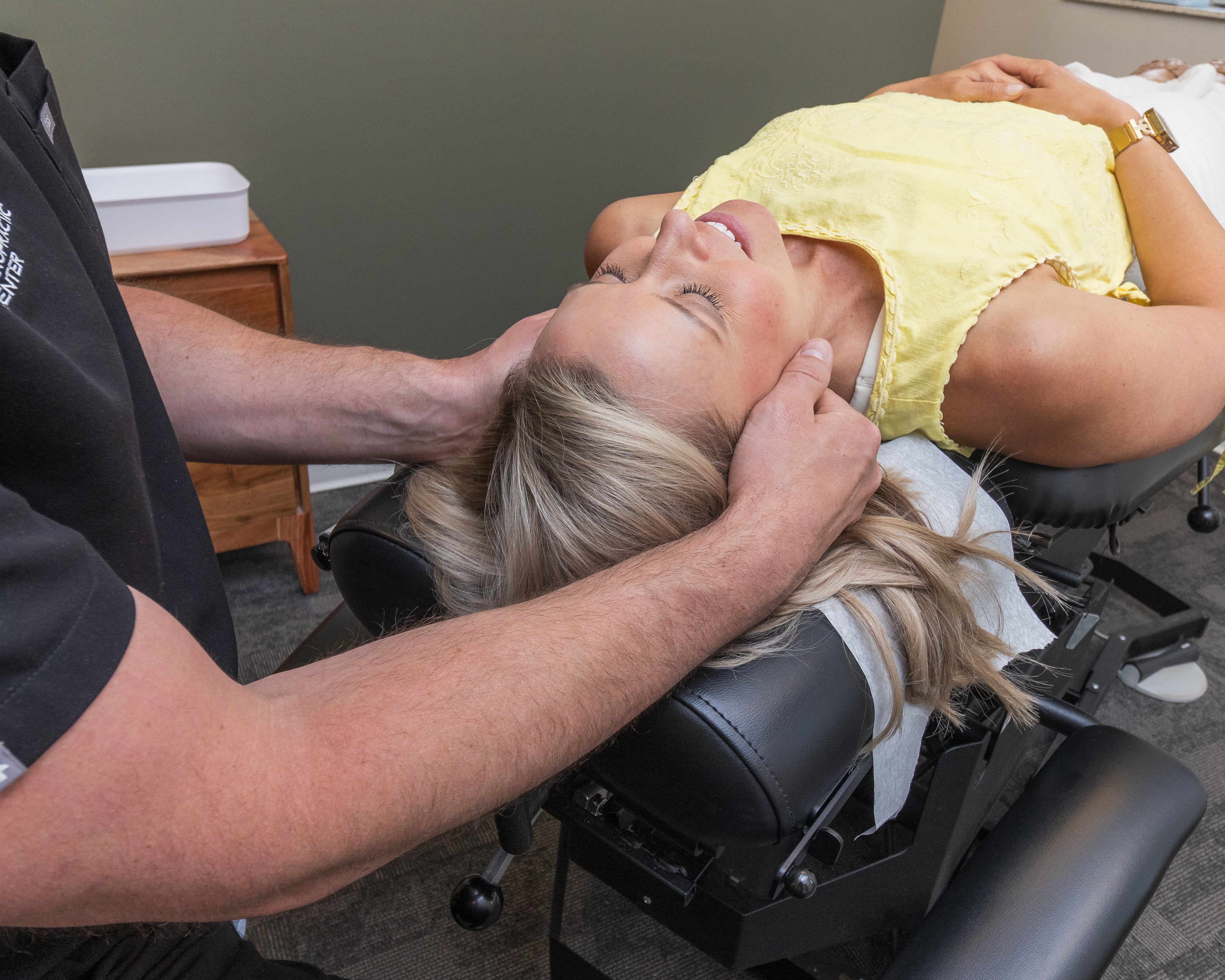
Chiropractic care offers a non-invasive, drug-free approach to addressing the musculoskeletal causes of neck pain. At Family Chiropractic Center in McKees Rocks, PA, Dr. Kevin Hartung takes a thorough look at each patient’s posture, spinal alignment, muscle function, and daily habits before developing a care plan. This individualized approach is central to what makes chiropractic care effective for ergonomic neck pain — because no two people sit the same way, work the same job, or carry tension in exactly the same places.
Chiropractic adjustments to the cervical and upper thoracic spine can help restore proper joint motion in areas that have become restricted due to sustained poor posture. When joints in the neck are not moving freely, surrounding muscles tend to tighten further in a protective response, which perpetuates the cycle of pain and stiffness. Restoring motion to those joints can interrupt that cycle. Evidence from organizations like the National Center for Complementary and Integrative Health (NCCIH) and the American Chiropractic Association suggests that spinal manipulation is a reasonable conservative care option for neck pain.
Beyond adjustments, Dr. Kevin Hartung may incorporate soft tissue work to address muscle tension, postural education to correct the underlying habits driving the problem, and specific rehabilitative exercises designed to strengthen the deep cervical muscles that support proper head and neck alignment. These stabilizing muscles are often underactive in people with chronic forward head posture, and reactivating them is an important part of lasting improvement.
Chiropractic care does not treat neck pain in isolation. At Family Chiropractic Center, we look at the whole person — how you move, how you sit, what your work environment looks like, and what your lifestyle demands. That context shapes the care you receive and the guidance we provide. For many patients in the McKees Rocks community, just a few sessions paired with ergonomic changes at home or work can make a meaningful difference in how their neck feels day to day.
Practical Tips to Protect Your Neck
You do not have to overhaul your entire life to start protecting your neck. Small, consistent changes in your daily habits can add up to significant relief over time. Here are some straightforward adjustments worth making right away.
Position your monitor so that the top of the screen is roughly at eye level, with the screen about an arm’s length away. This keeps your head in a more neutral position rather than forcing it forward or downward. If you use a laptop exclusively, consider pairing it with an external keyboard and elevating the screen with a stand — this single change can dramatically reduce the forward head posture that drives so much neck pain.
Be mindful of how you hold your phone. Rather than dropping your chin to look down at your screen, try bringing the phone up toward eye level. It feels a little awkward at first, but your cervical spine will thank you. Set a reminder to take short movement breaks every thirty to forty-five minutes if you work at a desk. Even a brief walk to refill your water or a few gentle neck stretches can give your muscles the reset they need.
Your sleeping position matters more than most people realize. Sleeping on your back or side with a supportive, appropriately sized pillow encourages a more neutral spinal position. Stomach sleeping, on the other hand, requires rotating your head to one side for hours at a time — a position that is particularly hard on the cervical joints and muscles. If you are a habitual stomach sleeper, transitioning to side sleeping gradually is worth the effort.
Strengthening the muscles that support your posture — particularly the deep neck flexors, the rhomboids, and the lower trapezius — is one of the most effective long-term strategies for reducing ergonomic neck pain. Dr. Kevin Hartung can guide you through exercises that are appropriate for your specific situation and fitness level.
When to See a Chiropractor
Many people wait far longer than necessary before seeking care for neck pain, often hoping it will resolve on its own. While mild, short-term stiffness from an unusual day of activity often does resolve with rest and gentle movement, pain that persists beyond a week or two — or that keeps returning — deserves professional attention.
Consider scheduling an evaluation with Dr. Kevin Hartung at Family Chiropractic Center if your neck pain is interfering with your sleep, your work, or your ability to enjoy daily activities. Recurring headaches, persistent muscle tightness, and limited range of motion are all signs that the underlying issue needs to be addressed rather than simply managed with over-the-counter pain relievers.
Certain symptoms warrant more urgent evaluation and possible medical referral. These include severe neck pain following trauma such as a car accident or fall, radiating pain or numbness down both arms, loss of coordination, difficulty walking, or any change in bladder or bowel function. These can indicate involvement of the spinal cord or other serious conditions, and they require prompt medical assessment. A well-trained chiropractor will recognize these red flags and ensure you receive the appropriate level of care.
|
Ergonomic Mistake |
Effect on the Neck |
Correction |
|---|---|---|
|
Monitor too low (laptop on desk) |
Forward head posture, increased cervical load |
Raise screen to eye level with a stand; use external keyboard |
|
Chair too low or no lumbar support |
Flattened lumbar curve, slouched thoracic spine, head drift forward |
Adjust seat height so hips are at 90°; add lumbar support |
|
Phone held at lap level |
Sustained cervical flexion, upper trapezius strain |
Hold phone closer to eye level; take frequent breaks |
|
Sleeping on stomach |
Prolonged cervical rotation, joint and muscle stress |
Transition to back or side sleeping with proper pillow support |
|
No movement breaks during desk work |
Sustained static muscle contraction, fatigue, joint stiffness |
Move for 2–3 minutes every 30–45 minutes |
Myths vs. Facts About Neck Pain and Ergonomics
Myth: Neck pain from sitting is just a normal part of getting older.
Fact: While some degree of age-related change in spinal joints is normal, chronic neck pain from poor posture is not inevitable. It is largely a product of sustained mechanical stress — which means it is responsive to mechanical solutions like posture correction, exercise, and chiropractic care. Patients of all ages, including younger adults and teenagers, experience ergonomic neck pain, which underscores that this is a habits issue, not simply an age issue.
Myth: If you don’t feel immediate pain, your ergonomic setup is fine.
Fact: Ergonomic strain accumulates silently over time. Many patients at Family Chiropractic Center report that their pain “came out of nowhere,” when in reality it built up over months or years of repetitive poor positioning. By the time symptoms appear, the underlying postural pattern is often well established. Proactive ergonomic assessment is far more effective than waiting for pain to appear.
Myth: Chiropractic adjustments to the neck are dangerous.
Fact: Cervical chiropractic adjustments, when performed by a licensed and trained chiropractor, are considered a safe and well-tolerated treatment for neck pain by major health organizations. Serious adverse events are exceedingly rare. Dr. Kevin Hartung performs a thorough evaluation before any care is initiated to ensure it is appropriate and safe for each individual patient.
Myth: You just need to stretch more and the pain will go away.
Fact: Stretching can provide temporary relief and is a valuable part of a broader strategy, but it does not address joint restriction, muscular imbalance, or the postural habits that are generating the problem in the first place. A comprehensive approach — combining ergonomic correction, targeted exercise, and professional evaluation — tends to produce more lasting results than stretching alone.
Myth: Surgery or medication is the only real solution for chronic neck pain.
Fact: Clinical guidelines from organizations including the American College of Physicians recommend conservative, non-pharmacological care as a first-line approach for most cases of neck and back pain. Chiropractic care falls squarely within those conservative care recommendations. Many patients find meaningful, lasting relief without the need for medications or surgical intervention.
Final Thoughts from Family Chiropractic Center
Living with neck pain is frustrating, but it does not have to be your normal. Here in McKees Rocks, PA, our team at Family Chiropractic Center sees patients every day who have accepted neck pain as part of their routine — and who are genuinely surprised by how much better they feel with the right care and a few targeted changes to their daily habits. Dr. Kevin Hartung brings both clinical expertise and genuine care for each patient’s well-being to every appointment. Our goal is not just to help you feel better in the short term, but to help you understand your body well enough to keep it healthy long-term.
If you have been dealing with neck stiffness, tension headaches, or that familiar ache that sets in halfway through your workday, we encourage you to come in and have a conversation. You do not need to be in severe pain to benefit from a chiropractic evaluation. The sooner you understand what is driving your discomfort, the sooner you can start doing something meaningful about it. We are proud to serve the McKees Rocks community and the surrounding Pittsburgh area, and we look forward to being a trusted part of your health and wellness journey.
Frequently Asked Questions
How long does it take to feel better from ergonomic neck pain with chiropractic care?
Recovery time varies depending on how long the problem has been present, its severity, and how consistently ergonomic changes are implemented. Some patients notice improvement after just a few visits, while others with longer-standing issues may require a more extended course of care. Dr. Kevin Hartung will give you a realistic assessment based on your specific situation during your evaluation.
Can chiropractic care help with headaches caused by neck tension?
Cervicogenic headaches — those originating from the neck — are a recognized condition that chiropractic care has been shown to help address. Research suggests that spinal manipulation and related therapies can be beneficial for headaches that stem from cervical dysfunction. If your headaches follow the pattern of starting at the base of the skull and radiating forward, an evaluation is worthwhile.
Is it normal for my neck to crack or pop during an adjustment?
The sound associated with a chiropractic adjustment is typically caused by a change in pressure within the joint, similar to the sound made when knuckles are cracked. It is generally not a cause for concern and is not an indicator of damage. Not all adjustments produce an audible sound, and the presence or absence of sound does not determine the effectiveness of the treatment.
Do I need a referral to see Dr. Kevin Hartung at Family Chiropractic Center?
In most cases, you do not need a referral to see a chiropractor in Pennsylvania. You can contact Family Chiropractic Center in McKees Rocks directly to schedule an appointment. It is always a good idea to let your primary care provider know you are seeking chiropractic care so your providers can coordinate effectively.
What should I do about neck pain if I work from home?
Working from home often means makeshift workstations that were not designed with ergonomics in mind — kitchen tables, sofas, and beds are common culprits. Start by ensuring your screen is at eye level, your back is supported, and you are taking regular movement breaks. If pain persists despite these changes, a professional evaluation can help identify what else may be contributing to your discomfort.
How is chiropractic different from massage therapy for neck pain?
Both chiropractic care and massage therapy can be beneficial for neck pain, and they often complement each other well. Chiropractic care focuses on restoring proper joint motion and spinal alignment, while massage therapy primarily addresses soft tissue tension and circulation. Dr. Kevin Hartung can help determine which approach — or combination of approaches — is most appropriate for your specific presentation.
TL;DR
-
Neck pain from poor ergonomics is caused by sustained poor posture habits, especially during desk work, phone use, and sleep — not just sudden injury.
-
Common symptoms include stiffness, upper trapezius tension, limited range of motion, and cervicogenic headaches, which can sometimes radiate into the arms.
-
Simple ergonomic changes — like raising your monitor, adjusting your chair, and taking movement breaks — can significantly reduce strain on the cervical spine.
-
Chiropractic care, as provided by Dr. Kevin Hartung at Family Chiropractic Center in McKees Rocks, PA, offers a non-invasive, individualized approach to restoring joint motion, reducing muscle tension, and correcting postural patterns.
-
Most cases of ergonomic neck pain respond well to conservative care — you do not have to accept the discomfort as permanent or resort to medication as your only option.