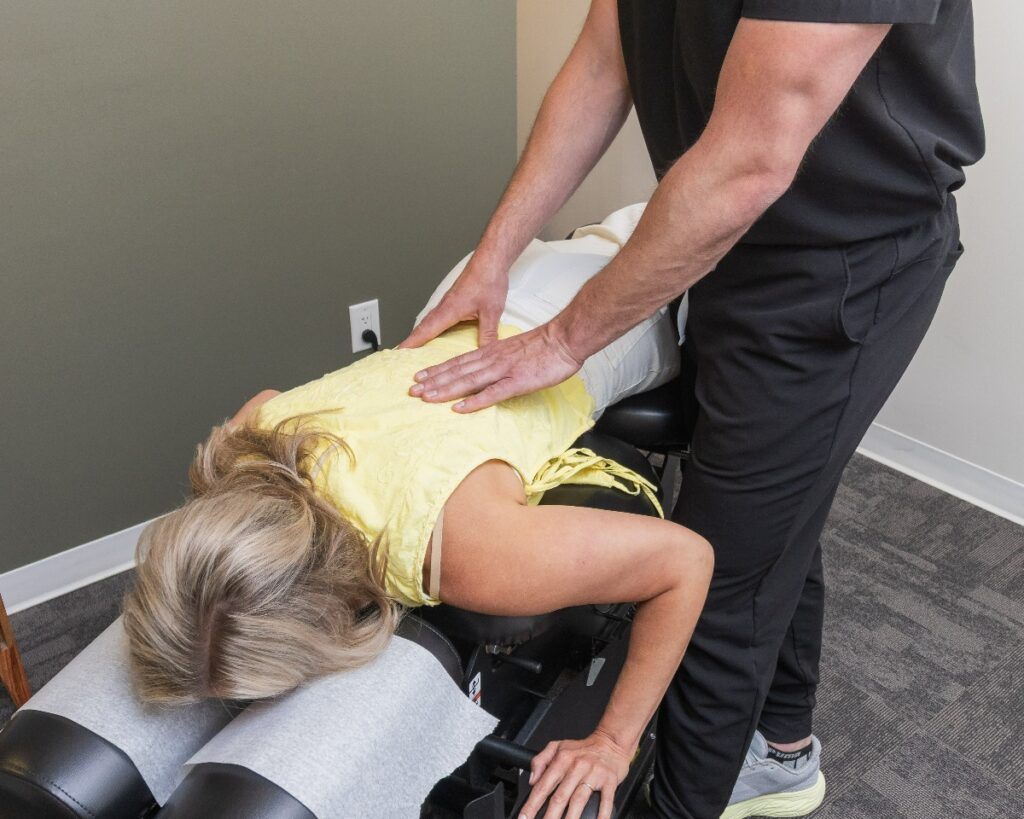

In today’s fast-paced work environment, maintaining proper posture often gets overlooked, which can lead to discomfort and reduced productivity. Many people are unaware of how their daily habits—like slumping over a computer or hunching while on a phone call—can negatively affect their wellbeing. By prioritizing posture correction, you can significantly improve not only your own workplace wellness but also inspire a healthier atmosphere for your colleagues.
As a local chiropractor, I believe that proper spinal alignment is key to achieving optimal health. Here are some simple strategies you can implement to enhance your posture and overall wellness in the workplace:
- Ergonomic Workspace Setup: Ensure your desk and chair are set up to support good posture. Your computer screen should be at eye level, and your chair should support your lower back. Consider using a chair that promotes an upright sitting position and supports your spine’s natural curve.
- Regular Breaks: Make it a habit to stand up and stretch every hour. This helps relieve tension and can improve your circulation. Simple stretches can also help reset your posture and keep your spine healthy throughout the day.
- Mindful Sitting: Practice sitting with your back straight and shoulders relaxed. Keep your feet flat on the floor and avoid crossing your legs. This simple adjustment can dramatically reduce strain on your back and neck.
- Strengthening Exercises: Incorporate exercises that strengthen your core and back muscles. A strong core helps support your spine, reducing the risk of pain and discomfort. Simple activities like planks, bridges, and even yoga can be beneficial.
- Chiropractic Care: Regular chiropractic adjustments can play a crucial role in maintaining spinal health and improving posture. A chiropractor can help identify misalignments and provide tailored treatments to boost your overall well-being.
By adopting these strategies and considering chiropractic care, you can create a healthier work environment that promotes natural healing and wellness. Remember, small changes in your daily habits can lead to significant improvements in your health and productivity. Let’s prioritize posture and pave the way for a more vibrant workplace!
Key Takeaways
- Maintaining proper posture is essential for reducing strain on your muscles and joints. This simple adjustment can prevent chronic pain and enhance your overall comfort while working, making your day more enjoyable and productive.
- Utilizing adjustable ergonomic furniture, such as sit-stand desks and supportive chairs, plays a crucial role in promoting spinal alignment. These tools encourage healthier working positions, which can significantly contribute to your well-being.
- Engaging in core-strengthening exercises is a fantastic way to support your posture. Not only do these exercises help alleviate discomfort, but they can also boost your productivity throughout the workday. A strong core is vital for maintaining a healthy spine.
- Don’t underestimate the power of regular movement breaks! Simple activities like stretching or taking short walks can relieve tension and keep your energy levels up. Making time for these breaks can lead to a more vibrant and productive work environment.
- A decluttered workspace can make a big difference in your focus and reduce stress levels. By organizing your area, you foster a sense of calm, which complements good posture practices and overall wellness.
Remember, chiropractic care is an excellent resource for achieving optimal health and pain relief. Regular adjustments can help maintain proper spinal alignment, allowing you to enjoy the benefits of a healthy posture. Prioritizing your spinal health is a natural way to support your overall wellness and enhance your quality of life.
Understanding the Importance of Posture in the Workplace
You might often overlook how essential good posture is in the workplace, but it plays a significant role in your overall health and productivity. As a chiropractor, I want to emphasize that proper alignment of your spine can make a world of difference.
When you sit or stand correctly, your body functions better, reducing strain on muscles and joints, which can help alleviate discomfort and pain.
Good posture not only minimizes aches and pains but also enhances your breathing and circulation. When your spine is aligned, it allows for better oxygen flow to your brain, boosting your concentration and creativity.
This means you can tackle your tasks more effectively, free from the distractions of discomfort.
Moreover, maintaining an upright position not only benefits your health but also projects confidence and professionalism. This can positively influence how your colleagues and clients perceive you, creating a more successful work environment.
Here are some simple tips to help you maintain good posture at work and support your spine’s health:
- Adjust Your Workspace: Ensure that your chair and desk are set up to promote good posture. Your feet should be flat on the floor, and your computer screen should be at eye level to avoid straining your neck.
- Take Breaks: Stand up, stretch, and move around every hour. This can help relieve tension and keep your muscles engaged.
- Strengthen Your Core: Incorporate exercises that strengthen your core muscles. A strong core supports your spine and can improve your overall posture.
- Be Mindful: Regularly check in with your body throughout the day. Are you slouching? Are your shoulders tense? Adjust your posture as needed.
- Consider Chiropractic Care: Regular visits to a chiropractor can help ensure your spine remains aligned and can assist in addressing any discomfort you may be experiencing.
By focusing on your posture and considering chiropractic care, you can achieve a healthier, more productive work life.
Common Causes of Poor Posture Among Employees
Even though many employees understand the importance of maintaining good posture, it can still be a challenge throughout the workday. One major contributor to poor posture is the design of your workspace. If your desk, chair, or computer setup isn’t ergonomically designed, it’s all too easy to slip into unhealthy habits. Sitting for long periods can lead to slouching, particularly if you aren’t taking regular breaks to stretch or move around.
Another factor is a lack of awareness. You may not even realize how often you hunch your shoulders or lean your neck forward while concentrating on your screen. Stress and fatigue can also play a significant role, leading to unconscious tension that results in poor posture.
Improper footwear can further exacerbate the issue. Wearing shoes that lack adequate support can cause you to shift your weight or adopt awkward positions. Understanding these common causes is the first step towards improving your posture and enhancing your overall wellbeing.
As a chiropractor, I encourage you to be proactive about your posture. Here are some helpful tips to incorporate into your daily routine:
- Adjust Your Workspace: Ensure that your chair and desk are at the right height. Your feet should be flat on the floor, and your screen should be at eye level to avoid straining your neck.
- Take Regular Breaks: Stand up, stretch, and move around every hour. This not only helps your posture but also promotes better circulation and reduces fatigue.
- Be Mindful of Your Posture: Regularly check in with yourself to ensure you’re not hunching your shoulders or leaning forward. Consider setting reminders to help you maintain awareness throughout the day.
- Choose Supportive Footwear: Invest in shoes that provide proper arch support and cushioning. This can make a big difference in how you carry your body throughout the day.
- Consider Chiropractic Care: Regular visits to a chiropractor can help address any misalignments in your spine and provide personalized advice on maintaining good posture. Chiropractic care is a natural and effective way to enhance your overall health and wellbeing.
The Health Risks Associated With Poor Posture
Many people often overlook the significant impact that poor posture can have on their overall health and wellness. Slouching or hunching your shoulders can lead to muscle strain, resulting in chronic back and neck pain. This discomfort can also lead to tension headaches and fatigue as your body works harder to cope with misalignment. Over time, maintaining poor posture can affect the structure of your spine, increasing the risk of serious conditions like herniated discs.
But the effects of poor posture extend beyond just pain. It can also interfere with your respiratory function, making it challenging to take deep breaths and limiting the oxygen flow your body needs. This lack of oxygen can lead to decreased energy levels and focus, which can ultimately impact your productivity at work. Additionally, poor posture can compress your internal organs, leading to digestive issues.
As a chiropractor, I want to emphasize the importance of addressing these posture-related issues now to prevent long-term health complications. Chiropractic care is an effective way to achieve optimal spinal alignment and overall wellness. By visiting a chiropractor, you can receive personalized adjustments that help relieve pain, enhance your body’s natural healing abilities, and promote healthier living.
Here are some simple tips and tricks to improve your posture:
- Mind Your Posture: Be aware of your posture throughout the day—especially while sitting at a desk. Sit up straight with your shoulders back.
- Ergonomic Setup: Ensure your workspace is ergonomically designed. Adjust your chair and computer screen to maintain a neutral spine position.
- Take Breaks: Stand up, stretch, and move around every hour to relieve tension and reset your posture.
- Strengthening Exercises: Incorporate exercises that strengthen your core and back muscles, which can help support a healthier posture.
- Chiropractic Care: Regular chiropractic visits can help maintain your spinal health, alleviate pain, and encourage proper alignment.
Benefits of Good Posture for Employee Wellbeing
Good posture is essential not only for your physical health but also for enhancing employee wellbeing. As a chiropractor, I want to emphasize that maintaining proper posture can significantly reduce strain on your muscles and joints, leading to a more comfortable workday. When you feel comfortable, you can focus better on your tasks, free from the distractions of aches and pains, ultimately boosting your productivity.
Moreover, good posture can have a positive impact on your mood and energy levels. By promoting better blood circulation and oxygen flow, you’re likely to experience increased alertness and reduced fatigue. This not only benefits you individually but also fosters a more collaborative and creative work environment among your colleagues.
Standing or sitting up straight can also enhance your confidence. When you have good posture, you project a stronger presence, which can improve your interactions with coworkers and clients. This self-assurance is vital for creating a positive atmosphere at work.
To help you maintain good posture throughout the day, here are some tips:
- Ergonomic Setup: Ensure that your workstation is ergonomically designed. Your chair and desk should be at the right heights to keep your body aligned.
- Regular Breaks: Take short breaks to stretch and move around. This will help relieve any tension and reset your posture.
- Mindful Sitting and Standing: Be conscious of your posture while sitting or standing. Keep your shoulders relaxed and back, with your head aligned with your spine.
- Strengthening Exercises: Incorporate exercises that strengthen your core and back muscles. A strong core supports good posture and reduces the risk of discomfort.
- Chiropractic Care: Consider regular chiropractic adjustments to ensure your spine is aligned and functioning optimally. Chiropractic care is a natural way to promote wellness and alleviate pain without the need for medications or surgeries.
Ergonomic Solutions for Posture Correction
Maintaining good posture is essential for your overall health, and incorporating ergonomic solutions into your workspace can play a significant role in supporting your body. As a chiropractor, I believe that thoughtful adjustments and the right tools can help you reduce discomfort and improve your well-being without relying on surgeries or medications.
Here are some effective ergonomic tips to consider:
- Adjustable chairs: Choose chairs that allow you to adjust the height and lumbar support. A chair that fits your body properly can help maintain the natural curve of your spine, reducing strain and promoting comfort.
- Desk height: Consider using a sit-stand desk. Alternating between sitting and standing throughout the day can encourage better posture and keep your spine aligned.
- Monitor positioning: Position your monitor at eye level, about an arm’s length away. This helps to minimize neck strain, which can lead to discomfort and tension.
- Keyboard and mouse placement: Keep your keyboard and mouse at elbow height. This allows your arms to rest in a relaxed position, reducing the risk of developing repetitive strain injuries.
- Footrests: If your feet don’t comfortably reach the ground, using a footrest can promote better circulation and support your lower back, enhancing your overall posture.
By embracing these ergonomic solutions, you can create a healthier and more comfortable work environment. Remember, chiropractic care is also an excellent way to alleviate pain and support your journey to optimal health.
Simple Exercises to Improve Posture at Work
To enhance your posture at work and support your overall well-being, simple exercises can be incredibly beneficial. As a chiropractor, I emphasize natural healing and the importance of maintaining a healthy spine. Incorporating desk stretching techniques, chair exercises, and standing posture adjustments can help alleviate tension and improve comfort throughout your day.
Here are some easy activities you can do to boost your posture and promote spinal health:
- Desk Stretches: Take short breaks to stretch your neck, shoulders, and back. For a simple neck stretch, gently tilt your head to one side, holding for a few seconds, then switch sides. This relieves tension and improves flexibility.
- Chair Exercises: While seated, try seated marches by lifting one knee at a time. This not only engages your core but also encourages better spinal alignment. Another great chair exercise is seated torso twists, where you gently rotate your upper body side to side to improve mobility.
- Standing Posture Adjustments: When standing, make a conscious effort to keep your shoulders back and your head aligned over your spine. Try shifting your weight from one foot to the other every few minutes to promote circulation and reduce fatigue.
Remember, these quick activities can significantly boost your comfort and well-being throughout the day. By prioritizing your spinal health through regular movement and stretches, you not only enhance your posture but also reduce the risk of pain and discomfort.
Chiropractic care can play a vital role in achieving optimal health by addressing underlying issues and supporting your body’s natural healing abilities. Make these simple exercises a part of your daily routine, and consider visiting a chiropractor for personalized care and guidance on maintaining your spinal health.
Desk Stretching Techniques
As a chiropractor, I understand how important it’s to maintain good posture and comfort while you work at your desk. Small stretches can significantly enhance your spinal health and overall well-being, helping to alleviate tension and prevent stiffness. By incorporating these simple desk stretching techniques into your daily routine, you’re taking a proactive step towards optimal health:
- Neck stretches: Gently tilt your head to one side, holding for a few seconds, then switch sides. This can help relieve tension in your neck, which is essential for spinal alignment.
- Shoulder rolls: Roll your shoulders forward and backward. This simple movement helps release built-up tension in your upper back and shoulders, promoting better posture.
- Wrist stretches: Extend one arm, and with the opposite hand, gently pull back your fingers to stretch your wrist. This can help prevent discomfort from repetitive motions, ensuring your spine remains well-aligned.
- Torso twists: Sit up straight and rotate your torso to one side, then the other. This movement encourages flexibility in your spine and can help improve your overall posture.
- Leg extensions: While seated, extend one leg out straight and hold for a few seconds before switching. This can improve circulation and support your lower back.
Chair Exercises Benefits
Incorporating chair exercises into your daily routine can be a fantastic way to enhance your posture and overall health, especially if you spend long hours sitting. As a chiropractor, I emphasize the importance of maintaining a strong core and back, which are vital for good posture and spinal health. Simple chair exercises can help you achieve this without needing to leave your workspace.
For example, consider incorporating seated leg lifts into your routine. This exercise engages your abdominal muscles, helping to support your spine. Seated twists are another great option, as they can improve your spinal flexibility and promote better alignment. Additionally, desk push-ups can strengthen your arms and shoulders, further contributing to a well-aligned posture.
Taking just a few minutes every hour to perform these exercises can significantly reduce tension and fatigue, allowing you to stay energized and focused throughout your day. Remember, these exercises can be done right from your chair, making them accessible and easy to integrate into your work life.
Standing Posture Adjustments
Improving your standing posture is essential for your overall comfort and health, especially when you’re at work. As a chiropractor, I want to share some simple yet effective adjustments and exercises that can help alleviate tension, enhance your focus, and support your spine’s natural alignment.
Here are some useful tips to get you started on your journey to better posture and wellness:
- Feet Position: Stand with your feet shoulder-width apart. This stance provides better stability and support for your spine.
- Weight Distribution: Make sure to distribute your weight evenly on both feet. This helps prevent unnecessary strain and discomfort.
- Engage Your Core: Activating your core muscles is key to supporting your spine. A strong core helps maintain proper alignment and reduces the risk of pain.
- Shoulder Alignment: Roll your shoulders back and down. This simple adjustment opens up your chest and encourages a more upright posture.
- Regular Breaks: Don’t forget to take breaks! Standing for long periods can lead to stiffness. Use these breaks to stretch and reset your posture, promoting better circulation and comfort.
Incorporating these adjustments into your daily routine can lead to a noticeable improvement in how you feel and perform at work.
Remember, prioritizing your posture isn’t just about comfort; it’s about enhancing your overall health. If you’re experiencing pain or discomfort, consider visiting a chiropractor who can provide tailored care and guidance.
Natural healing through chiropractic care is a powerful way to achieve optimal health and wellness without the need for medications or surgeries. Embrace these tips, and watch your productivity soar while taking care of your spine!
Creating a Posture-Friendly Workplace Environment
Creating a posture-friendly workplace is essential for maintaining a healthy spine and overall well-being. As a chiropractor, I want to emphasize the importance of using ergonomic furniture that supports your body in a natural alignment. Choose chairs that promote good posture and desks that allow you to work comfortably without straining.
When setting up your workspace, it’s vital to ensure that your computer screen is at eye level, your keyboard is positioned so your wrists are straight, and your chair provides proper support for your lower back. These small adjustments can make a significant difference in how you feel throughout the day.
Additionally, I can’t stress enough the importance of taking regular breaks. Set reminders to stand up, stretch, and reset your posture every hour. Movement is key to preventing stiffness and discomfort, and it also helps keep your spine healthy.
Lastly, consider incorporating chiropractic care into your wellness routine. Regular chiropractic adjustments can help maintain proper spinal alignment, alleviate pain, and improve your overall quality of life. By prioritizing your posture and seeking natural healing through chiropractic, you can achieve optimal health and well-being in your workplace and beyond.
Ergonomic Furniture Selection
Choosing ergonomic furniture is crucial for creating a workplace that supports your spine and overall well-being. A comfortable and supportive environment can’t only enhance your productivity but also help prevent discomfort and pain that can lead to serious spinal issues.
As a chiropractor, I want to share some essential tips on selecting ergonomic furniture that will help you maintain good posture and keep your spine healthy throughout your workday:
- Adjustable chairs are vital. Look for one that offers lumbar support to cradle your lower back and allows you to customize the height so your feet rest flat on the floor.
- Sit-stand desks can be a game changer. They give you the flexibility to switch between sitting and standing, which can reduce strain on your spine and improve circulation.
- Footrests are often overlooked but are important for maintaining proper posture. They help keep your feet flat, which can alleviate pressure on your legs and lower back.
- Monitor stands ensure your screen is at eye level, helping to prevent neck strain. Positioning your monitor correctly can make a significant difference in how your neck and spine feel at the end of the day.
- Keyboard trays can help you maintain a neutral wrist position while typing. This simple adjustment can prevent discomfort in your hands and wrists, which is especially important for those who spend long hours on the computer.
Investing in ergonomic furniture is a step towards a healthier work environment. However, remember that furniture alone won’t solve all issues related to spinal health.
Regular chiropractic care can help ensure your spine remains aligned and functioning optimally. Incorporating these ergonomic principles along with routine chiropractic visits can lead to enhanced well-being and a more productive work experience.
Your spine deserves the best care possible, and with these tips, you can take proactive steps towards achieving that!
Desk Setup Guidelines
Creating a posture-friendly workplace environment starts with your desk setup, which is essential for your overall health and well-being. As a chiropractor, I want to emphasize how proper organization can significantly reduce discomfort and enhance your productivity.
First, ensure your computer monitor is at eye level. This simple adjustment helps prevent neck strain, which is vital for maintaining a healthy spine. Your chair should provide excellent support for your lower back, allowing your feet to rest flat on the floor or on a footrest; this position promotes better circulation and spinal alignment.
Next, keep your keyboard and mouse close enough so that your elbows stay close to your body and your wrists remain straight. This is crucial in preventing repetitive strain injuries that can lead to chronic pain. Position frequently used items within arm’s reach to minimize stretching—this reduces the risk of strain and keeps you comfortable throughout the day.
Lastly, decluttering your workspace can have a profound impact on your focus and mental clarity. A tidy desk promotes a calm environment, which can further aid in reducing stress—a known contributor to spinal issues.
Regular Break Reminders
Regularly taking breaks is vital for maintaining good posture and overall health in the workplace, especially when it comes to preventing spinal issues. Many people don’t realize that sitting for extended periods can lead to discomfort and misalignment of the spine. By incorporating short breaks into your daily routine, you can rejuvenate your body and mind, while also promoting spinal health.
Here are some effective break reminders that can make a significant difference:
- Set a Timer: Every hour, take a moment to stand up and stretch. This simple act can help alleviate tension in your muscles and promote better alignment.
- Take a Walk: A brief walk around the office or outside not only improves circulation but also encourages natural movement that’s essential for a healthy spine.
- Neck and Shoulder Exercises: Perform gentle neck and shoulder stretches during your breaks. This can help relieve tension and prevent discomfort that often arises from poor posture.
- Stay Hydrated: Drinking water regularly not only keeps you hydrated but also encourages you to get up and move, which is beneficial for your spine.
- Practice Deep Breathing: Use your break to engage in deep breathing exercises. This can help relax both your mind and body, reducing stress that can contribute to tension in your spine.
Implementing these reminders can help you stay mindful of your posture and promote a healthier work environment. Remember, taking care of your spine is crucial for overall wellness, and chiropractic care can play a significant role in achieving optimal health. Your body will thank you for it!
Encouraging a Culture of Posture Awareness
A strong culture of posture awareness can significantly improve employee well-being and productivity, and as a chiropractor, I want to emphasize how vital this is for your spinal health.
To foster an environment that prioritizes good posture, start by encouraging open conversations about posture among your team. Share simple tips for maintaining proper posture, such as ensuring your chair is at the right height and your desk is set up ergonomically.
Consider hosting workshops or lunch-and-learns where I can provide insights into the benefits of posture awareness. These sessions can be both educational and engaging, helping everyone understand how good posture can prevent pain and promote overall health.
Lead by example—demonstrate good posture habits in your daily routine and remind your colleagues to check in with their posture throughout the day. You might even create a friendly competition to see who can maintain the best posture, rewarding those who show improvement. This not only makes posture awareness fun but also encourages everyone to be mindful of their bodies.
In addition, consider providing ergonomic resources, such as supportive chairs or desk accessories, to empower employees to create healthier workspaces. When everyone actively participates in maintaining good posture, you’ll cultivate a supportive environment that enhances spinal health and overall workplace wellness.
The Role of Technology in Posture Correction
Technology can greatly assist you in improving your posture at work, but it’s important to remember that the best approach to achieving optimal health and wellness often starts with chiropractic care.
Wearable posture tracking devices, ergonomic software solutions, and even virtual reality training programs are tools that can help you become more aware of your posture. However, they should complement, not replace, the benefits of a good chiropractic adjustment.
Chiropractic care focuses on the health of your spine and nervous system, which is essential for maintaining proper posture and overall well-being.
Regular visits to your chiropractor can help align your spine, relieve tension, and reduce discomfort, making it easier for you to maintain good posture throughout the day.
Here are some simple tips to support your posture and spinal health at work:
- Set Up Your Workspace Ergonomically: Ensure your chair supports your lower back, your feet are flat on the floor, and your screen is at eye level.
- Take Regular Breaks: Stand up, stretch, and walk around every hour to keep your muscles relaxed and your blood flowing.
- Practice Good Sitting Habits: Sit all the way back in your chair, keep your knees at a right angle, and avoid crossing your legs.
- Strengthen Your Core: Engage in exercises that strengthen your abdominal and back muscles, as a strong core supports your spine and improves posture.
- Stay Hydrated: Drinking plenty of water can help keep your discs hydrated and your muscles functioning optimally.
Remember, while technology can provide support in tracking and correcting your posture, nothing compares to the natural healing and holistic approach of chiropractic care.
Regular adjustments can help you achieve a pain-free, healthier lifestyle. If you’re struggling with your posture, consider visiting a chiropractor who can help guide you on your journey to better spinal health.
Wearable Posture Tracking Devices
As a local chiropractor, I want to share how wearable posture tracking devices can complement your journey toward optimal health and wellness. While these innovative tools offer real-time feedback to help you stay aware of your posture throughout the day, it’s essential to remember that chiropractic care is your best ally in achieving lasting pain relief and spinal health.
These devices can alert you when you slouch or hunch, which is a great first step. However, the real magic happens when you pair this awareness with regular chiropractic adjustments. A chiropractor can help realign your spine, ensuring that your body is in the best position to function properly.
When your spine is aligned, you may experience reduced discomfort and improved posture naturally.
Here are some benefits of wearable posture trackers:
- They can track your posture habits over time, giving you insight into patterns that might lead to discomfort.
- These devices can offer personalized recommendations, which can be a helpful complement to the tailored advice you receive during your chiropractic visits.
- Many of them sync with your smartphone, making it easy to monitor your progress and stay accountable to your wellness goals.
While posture tracking devices are beneficial, they shouldn’t replace the hands-on care that chiropractic provides. By integrating these tools into your routine, along with regular chiropractic adjustments, you can enhance your overall productivity and health at work.
Here are a few tips to improve your posture and promote spinal health:
- Practice Mindful Sitting: Make sure your chair supports your lower back. When sitting, keep your feet flat on the ground and avoid crossing your legs.
- Take Regular Breaks: Stand up, stretch, and walk around every 30 minutes to keep your spine flexible and reduce strain.
- Strengthen Your Core: Engaging in exercises that strengthen your core muscles can help support your spine and improve posture.
- Stay Hydrated: Drinking plenty of water helps maintain the elasticity of your spinal discs and supports overall spinal health.
Ergonomic Software Solutions
As a local chiropractor, I want to emphasize the importance of maintaining proper posture, especially in our modern workplace. Ergonomic software solutions are a fantastic tool that can help you assess your sitting habits and identify poor posture. However, while these tools can provide real-time feedback and suggestions, nothing beats the hands-on care and expertise that chiropractic adjustments can offer for achieving optimal spinal health.
By regularly visiting your chiropractor, you can address any misalignments in your spine that may be contributing to discomfort or poor posture. Chiropractic care focuses on natural healing, helping your body to function at its best without the need for medications or invasive procedures. Alongside using ergonomic software to track your sitting habits, consider incorporating regular chiropractic visits into your wellness routine.
When using ergonomic solutions, pay attention to your body’s feedback. If you notice discomfort, it’s essential to listen to those signals. Your chiropractor can offer personalized advice and adjustments to help you maintain a healthier posture and alleviate any pain you may be experiencing.
In addition to chiropractic care, here are some general tips to improve your posture and overall well-being:
- Take Frequent Breaks: Set reminders to stand up, stretch, and walk around every hour. This helps reduce strain on your spine and muscles.
- Mind Your Chair: Ensure your chair supports the natural curve of your spine. If possible, opt for chairs that promote good posture.
- Monitor Your Screen Height: Your computer screen should be at eye level to avoid straining your neck.
- Strengthen Your Core: A strong core supports your spine. Incorporate exercises like planks and bridges into your routine.
- Stay Hydrated: Drinking plenty of water can help keep your discs hydrated and support overall spinal health.
Embrace these tips along with regular chiropractic care to cultivate a healthier work environment and maintain proper posture throughout your day. Your spine will thank you!
Virtual Reality Training Programs
Stepping into the world of virtual reality (VR) can be a game changer for anyone looking to improve their posture and overall spinal health. As a chiropractor, I understand the importance of proper posture for maintaining a healthy spine and preventing pain. VR training programs provide immersive experiences that help you visualize and correct your posture in real-time, making it easier to develop good habits.
Here are some benefits of using VR for posture correction, along with tips for maintaining a healthy spine:
- Interactive Feedback: VR provides real-time corrections as you adjust your posture, helping you become more aware of your alignment. This feedback can complement regular chiropractic visits, where your chiropractor can assess your posture and suggest specific adjustments.
- Personalized Training: Many VR programs can be tailored to fit your specific needs and goals. This personalized approach can enhance the benefits of chiropractic care by focusing on the areas that need the most attention.
- Motivational Environment: Engaging in VR exercises can make practicing good posture fun and enjoyable. This positive experience encourages you to stay consistent, which is crucial for long-term spinal health.
- Enhanced Awareness: By participating in virtual scenarios, you can increase your body awareness. This is essential for recognizing poor posture habits—something that I frequently address in my practice.
- Progress Tracking: Many VR programs allow you to monitor your improvements over time with measurable data. Tracking your progress can motivate you to continue working on your posture, and sharing this information with your chiropractor can help them tailor your care even further.
Incorporating VR into your posture correction routine can lead to lasting changes and improved workplace wellness. However, remember that while technology can be a helpful tool, regular chiropractic care is the best way to ensure your spine remains healthy and aligned.
Here are some additional tips for maintaining good posture throughout your day:
- Set Up Your Workspace: Ensure your desk, chair, and computer are ergonomically arranged to support good posture. Your screen should be at eye level, and your chair should support your lower back.
- Take Breaks: Stand up, stretch, and move around every hour to prevent stiffness and keep your spine healthy.
- Practice Mindfulness: Regularly check in with your body to assess your posture. Are your shoulders rounded? Is your head jutting forward? Make small adjustments as needed.
- Strengthen Core Muscles: Engage in exercises that strengthen your core, as a strong core supports good posture and spinal alignment.
Measuring the Impact of Posture Correction on Workplace Productivity
As a local chiropractor, I want to emphasize the importance of proper posture for enhancing workplace productivity and overall well-being. Correcting your posture is not just about looking good; it can significantly improve how you feel and perform at work. When you sit or stand correctly, you experience less discomfort, which in turn leads to improved focus and efficiency. In fact, studies indicate that individuals who maintain good posture can be up to 20% more productive.
Let’s break down how posture can impact your work life and how chiropractic care can help you achieve optimal spinal health:
| Aspect | Poor Posture Impact | Improved Posture Benefits |
|---|---|---|
| Energy Levels | Fatigue and lethargy | Increased energy and alertness |
| Concentration | Frequent distractions | Enhanced focus |
| Communication | Strained body language | Confident and clear expression |
| Team Dynamics | Reduced collaboration | Improved teamwork |
| Job Satisfaction | Increased frustration | Greater job enjoyment |
Tips for Better Posture at Work:
- Ergonomic Setup: Ensure your workspace is ergonomically friendly. Your chair should support your lower back, and your computer monitor should be at eye level.
- Take Breaks: Remember to take regular breaks to stretch and move around. This helps relieve tension in your spine and boosts circulation.
- Strengthen Your Core: Engage in exercises that strengthen your core muscles. A strong core supports better posture and reduces strain on your back.
- Stay Mindful: Be aware of your posture throughout the day. Set reminders to check in with your body and adjust as needed.
- Chiropractic Care: Regular visits to a chiropractor can help maintain spinal health, alleviate discomfort, and ensure your body is functioning optimally. Chiropractic adjustments can improve your posture and enhance your overall well-being.
Conclusion
Incorporating posture correction into your workplace is not just important—it’s essential for enhancing overall wellness and maintaining spinal health. When you prioritize good posture, you can significantly reduce discomfort and improve productivity. A supportive environment that promotes proper alignment helps employees maintain focus and energy throughout the day.
As a chiropractor, I encourage you to embrace simple and effective ergonomic solutions. This can include adjusting your chair and desk height, using supportive cushions, and ensuring your computer screen is at eye level. Regular movement is also crucial—take breaks to stretch and walk around, which can alleviate tension and improve circulation.
Utilizing technology to monitor your posture can be beneficial, but remember that cultivating a culture of posture awareness starts with education. Share information about the importance of spinal health and how it impacts overall well-being.
By prioritizing posture and spinal care, you not only foster a healthier workplace but also promote a culture of natural healing. Chiropractic care is an excellent choice for those seeking pain relief and a pathway to optimal health. Your team’s well-being and productivity will flourish when they are supported in their journey toward better posture and spinal health. Let’s work together to create a thriving, engaged workforce that understands the value of good posture!