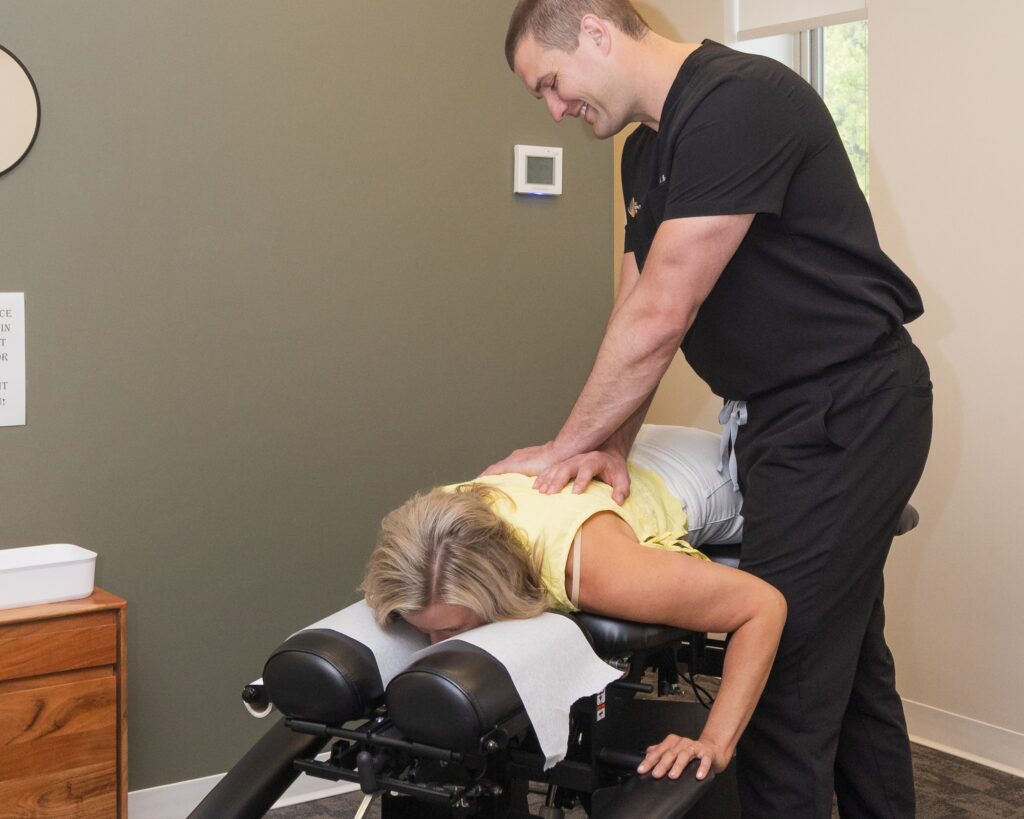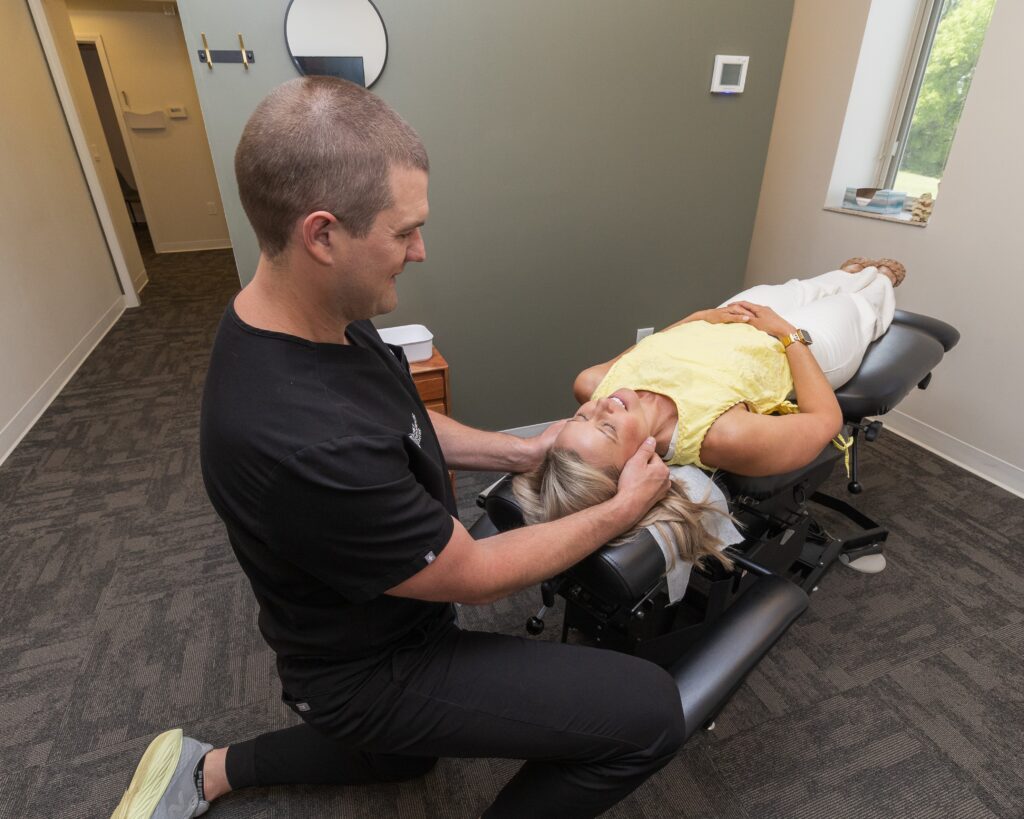

Stress can often feel overwhelming, but there are effective natural strategies to help you regain control and enhance your overall well-being. As a chiropractor, I want to emphasize the importance of integrating chiropractic care into your stress management routine. Regular chiropractic adjustments not only help alleviate pain but also promote relaxation and balance within your body.
Incorporating mindfulness techniques and physical activity into your daily routine can work wonders for calming your mind and body. Activities like yoga or simple stretching can complement your chiropractic care by improving your spinal alignment and enhancing your body’s natural ability to heal.
Don’t underestimate the healing power of nature. Spending time outdoors can significantly reduce stress levels and improve your mood. Whether it’s a walk in the park or simply sitting in your backyard, connecting with nature is a wonderful way to recharge.
Aromatherapy can also play a role in enhancing your well-being. Essential oils, such as lavender or chamomile, can create a soothing environment that complements the relaxation you experience from chiropractic care.
Nutrition and social connections are also vital components of stress management. Eating a well-balanced diet rich in whole foods can support your body’s stress response, while maintaining strong social ties can provide emotional support.
By prioritizing chiropractic care and adopting these natural strategies, you can pave the way for a healthier, more balanced life. Remember, managing stress is about creating a holistic approach that nurtures both your body and mind. Take these tips to heart, and consider scheduling a visit to your chiropractor to explore how they can assist you on your journey to optimal health.
Key Takeaways
- Embrace mindfulness meditation by concentrating on your breath. If distractions arise, gently acknowledge them and return your focus. As you become more comfortable, gradually increase the length of your sessions to achieve deeper relaxation, which can complement chiropractic care by easing tension in your body.
- Incorporate regular physical activity into your routine, such as walking or practicing yoga. These activities not only boost your endorphins and elevate your mood but also work in harmony with chiropractic adjustments to reduce anxiety and enhance your overall well-being.
- Utilize breathing exercises like diaphragmatic breathing and the 4-7-8 method to calm your mind. These techniques can be beneficial alongside chiropractic treatment, helping to promote relaxation and further alleviate stress.
- Spend time outdoors in nature, which can enhance mindfulness and relieve stress. Engaging in outdoor activities can complement your chiropractic care, supporting your body’s natural healing processes and improving your overall health.
- Pay attention to your posture throughout the day; maintaining proper alignment not only benefits your spine but can also help reduce tension and stress. Regular chiropractic care can support your spinal health, making it easier for your body to manage stress effectively. Prioritize visits to your chiropractor to keep your spine aligned and functioning optimally, ensuring that you feel your best.
Mindfulness Meditation Techniques
Incorporating mindfulness meditation techniques into your daily routine can be a powerful tool for reducing stress and promoting overall wellness, especially when paired with chiropractic care. As a chiropractor, I understand the importance of a healthy mind-body connection in achieving optimal health.
To get started, find a quiet space where you can relax without interruptions. Sit comfortably, close your eyes, and take a few deep breaths. Focus on your breath as it flows in and out, anchoring your thoughts. If distractions arise, simply acknowledge them and gently return your focus to your breathing. This practice can help relieve tension in your body, which may enhance the benefits of your chiropractic adjustments.
You don’t need to spend long periods on mindfulness meditation to see its benefits. Start with just a few minutes each day and gradually increase the time as you feel more comfortable. Consider using guided meditations or apps that can assist you in staying focused. Remember, the key is to be present in the moment rather than striving for perfection.
By dedicating time to mindfulness, you’ll cultivate a greater awareness of your thoughts and emotions, which can help you manage stress more effectively. This awareness can also complement your chiropractic care, as understanding how stress affects your body can lead to better outcomes in your treatment.
In addition to mindfulness meditation, maintaining good posture, staying active, and practicing relaxation techniques can further enhance your spinal health and overall well-being. Embrace these mindfulness techniques alongside your chiropractic care, and you’ll likely experience a calmer, more focused mindset throughout your day, paving the way for a healthier life.
The Benefits of Physical Activity
Engaging in physical activity is one of the simplest and most effective ways to enhance your mood naturally.
As a chiropractor, I want to emphasize that when you exercise, your body releases endorphins, which are natural mood lifters. This can significantly help reduce feelings of anxiety and promote a sense of well-being.
Whether you choose a brisk walk, a yoga session, or a dance class, moving your body can create a noticeable difference in how you feel.
Incorporating regular physical activity into your routine not only boosts your mood but also supports your spinal health.
Maintaining a strong and flexible spine is essential for overall wellness. Here are some tips to keep in mind:
- Start Small: If you’re new to exercise, begin with short sessions and gradually increase the duration and intensity to avoid strain on your body.
- Focus on Posture: Pay attention to your posture during physical activities. Proper alignment helps prevent injuries and supports your spine.
- Mix It Up: Engage in a variety of activities that you enjoy. This keeps your routine interesting and works different muscle groups, which is beneficial for your spinal health.
- Listen to Your Body: If you feel any discomfort or pain while exercising, it’s important to stop and assess. Consider consulting with a chiropractor to ensure your spine is in optimal condition.
- Stay Consistent: Aim for at least 30 minutes of physical activity most days of the week. Consistency is key to reaping the benefits of exercise.
Remember, chiropractic care can play a vital role in your journey to better health.
Regular adjustments can help keep your spine aligned, improve your range of motion, and enhance your overall physical performance.
Boosts Mood Naturally
Incorporating physical activity into your daily routine isn’t only great for your body; it can also uplift your mood naturally. As a chiropractor, I often see how regular movement can lead to improved overall well-being. Engaging in exercise releases endorphins, often referred to as the “feel-good” hormones, which can elevate your happiness and sense of well-being.
Here’s how physical activity can enhance your mood and contribute to a healthier lifestyle:
- Boosts Energy Levels: Regular movement increases your energy, helping you feel more vibrant throughout the day.
- Enhances Self-Esteem: Achieving fitness goals, no matter how small, can significantly improve your confidence and self-image.
- Creates Community: Participating in group classes or local fitness activities fosters a sense of belonging and support.
- Provides Healthy Distractions: Physical activity offers a constructive way to shift your focus away from daily stressors.
- Improves Sleep Quality: Better sleep is essential for emotional balance, and regular exercise can help you achieve more restful nights.
As you pursue a more active lifestyle, remember that chiropractic care can support your journey to optimal health. By ensuring your spine is properly aligned, you can experience reduced pain, improved mobility, and enhanced overall wellness.
Consider regular chiropractic adjustments to complement your physical activity, as they can help prevent injuries and keep your body functioning at its best.
Incorporate these tips into your routine and watch how both your mood and health improve naturally!
Reduces Anxiety Levels
Physical activity is an excellent way to combat anxiety and promote overall wellness, and it pairs perfectly with the benefits of chiropractic care. When you incorporate regular exercise into your routine, your body releases endorphins—natural chemicals that boost your mood and enhance your sense of well-being. Whether it’s a gentle walk, a fun dance class, or a more vigorous workout, moving your body can help take your mind off anxious thoughts.
Engaging in physical activity not only helps alleviate stress, but it can also improve your sleep patterns, which is crucial for managing anxiety. A well-rested body and mind are better equipped to handle daily challenges. Plus, establishing a consistent exercise routine can foster a sense of control and accomplishment, further contributing to your mental wellness.
As a chiropractor, I encourage you to combine your physical activities with chiropractic care. Regular adjustments can help ensure that your spine is aligned, allowing your body to function optimally and reducing any physical discomfort that may contribute to anxiety. When your body feels good, your mind often follows suit.
Harnessing the Healing Power of Nature
Harnessing the Healing Power of Nature for Optimal Health
Connecting with nature is a fantastic way to relieve stress and promote overall wellness. Whether you’re strolling through a local park or sitting quietly under a tree, immersing yourself in the natural world can have a profoundly soothing effect on both your mind and body.
Nature offers a peaceful setting that encourages mindfulness and relaxation, which are essential for maintaining spinal health and overall well-being. Here are some simple ways to harness nature’s healing power while supporting your chiropractic care:
- Take a nature walk: Feel the ground beneath your feet as you walk. This not only gets you moving but also helps improve your posture and spinal alignment. Plus, the fresh air can do wonders for your mood!
- Practice mindfulness outdoors: Find a quiet spot surrounded by trees or a gentle stream. Focus on your breathing while taking in the natural beauty. This practice can help reduce tension in your body, supporting a healthier spine.
- Engage in gardening: Digging in the soil and nurturing plants allows you to connect with the earth. Gardening isn’t only therapeutic but also encourages physical activity, which supports your spinal health.
- Watch the sunrise or sunset: Take a moment to appreciate the beauty of the natural world. These moments of tranquility can help you unwind and relieve stress, which is vital for maintaining a healthy spine.
- Unplug from technology: Spend time outside without your devices. Disconnecting from screens allows you to fully engage with your surroundings and foster a sense of peace, essential for your overall wellness.
By incorporating these activities into your routine, you can alleviate stress and rejuvenate your spirit while supporting your chiropractic care.
Aromatherapy and Essential Oils
Aromatherapy and essential oils can be valuable allies in your journey toward better health and wellness, especially when paired with chiropractic care. As a chiropractor, I understand the importance of managing stress and promoting a balanced lifestyle for optimal spinal health. Using essential oils can enhance your overall well-being, and I’m excited to share how they can complement your chiropractic treatments.
Different essential oils offer a variety of benefits. For example, lavender is renowned for its calming properties, which can help reduce tension in both the mind and body. When you feel relaxed, your spine can benefit too, as tension often manifests in tight muscles and discomfort. Additionally, peppermint oil can invigorate your senses and help alleviate headaches, providing a natural method for relief.
Incorporating essential oils into your daily routine can be easy and enjoyable. You might try diffusing your favorite oil in your home to create a calming atmosphere, or adding a few drops to your bath for a soothing soak after a chiropractic adjustment. Creating your own blends at home allows you to customize the experience to suit your personal preferences and needs.
Remember, while aromatherapy is a great way to support your wellness journey, it should complement, not replace, the regular chiropractic care you receive. Consistent chiropractic adjustments can help realign your spine, improve your posture, and relieve tension, which can enhance the effectiveness of the essential oils you use.
Benefits of Essential Oils
As a chiropractor, I understand the importance of holistic approaches to health and wellness. One natural method that can complement your chiropractic care is the use of essential oils. These concentrated plant extracts can significantly enhance your well-being by alleviating stress and promoting relaxation, which is vital for maintaining a healthy spine and overall health.
Here are some key benefits of incorporating essential oils into your routine alongside regular chiropractic adjustments:
- Reduces anxiety: Oils like lavender can have calming effects that help ease anxiety. Reducing stress is crucial for maintaining proper spinal alignment and overall health.
- Improves mood: Citrus oils such as lemon and orange can elevate your spirits, supporting a positive mindset that’s beneficial for your overall health journey.
- Enhances sleep: Oils like chamomile can promote restful sleep and relaxation. Quality sleep is essential for your body’s healing process, especially after chiropractic adjustments.
- Boosts focus: Peppermint oil can sharpen concentration and mental clarity, which helps you stay engaged in your wellness journey and adhere to your chiropractic care plan.
- Soothes tension: Eucalyptus oil can help relieve physical tension, promoting a sense of calm that complements the relief you may experience from chiropractic care.
Incorporating these natural remedies can enhance your overall wellness and support your journey toward optimal health. Remember, the combination of chiropractic care and essential oils can be a powerful ally in achieving a balanced lifestyle. Give them a try and see how they can work alongside your chiropractic treatment to help you feel your best!
Popular Aromatherapy Techniques
Many people seek out various aromatherapy techniques to enhance their overall well-being and support stress relief, which can be especially beneficial when combined with chiropractic care.
One popular method is diffusing essential oils, which fills your space with calming scents that may uplift your mood and promote relaxation. This practice can complement your chiropractic treatments by creating a soothing environment that encourages healing.
Another effective approach is using a personal inhaler. This allows you to carry your favorite aroma with you, giving you a quick stress-relief option during your day.
Additionally, adding essential oils to a warm bath can create a serene atmosphere, perfect for unwinding after a chiropractic adjustment.
You can also try applying diluted essential oils topically, which not only provides localized relief but also stimulates your senses. This can be particularly helpful in easing muscle tension that may arise from misalignments in your spine.
Lastly, consider incorporating aromatherapy into your meditation or yoga practice. This can enhance your experience while helping you center your mind, making it a perfect complement to the mindfulness often encouraged in chiropractic care.
DIY Aromatherapy Blends
Creating your own DIY aromatherapy blends can be a delightful and health-promoting practice that supports your overall well-being.
By mixing essential oils, you can craft unique aromas that not only uplift your mood but also promote relaxation and assist in natural healing. A well-balanced blend may complement the benefits of chiropractic care by enhancing your mental and emotional state, which is an important aspect of holistic health.
To get started, choose a base oil that works well for you, such as jojoba or coconut oil.
Then, add your favorite essential oils to create a blend that resonates with your needs. Here are some popular essential oils to consider for their wellness benefits:
- Lavender: Known for its calming and soothing properties, lavender can help relieve stress and tension, creating a peaceful environment that enhances recovery from chiropractic adjustments.
- Peppermint: This invigorating oil can help clear your mind and improve focus, which is beneficial for maintaining good posture and spinal health.
- Eucalyptus: Often used for its cleansing properties, eucalyptus can help ease breathing and promote relaxation, making it a great addition to your wellness routine.
- Bergamot: With its uplifting and citrusy scent, bergamot can help combat feelings of anxiety, allowing you to approach your chiropractic care with a positive mindset.
- Frankincense: Known for its grounding effects, frankincense can promote inner peace, which is essential for overall wellness and recovery.
Experimenting with these oils can be an enjoyable way to support your health journey.
Remember, while aromatherapy can enhance your well-being, regular chiropractic care is pivotal for maintaining optimal spinal health and relieving pain naturally.
Always listen to your body and consult with your chiropractor if you have any specific health concerns or questions about incorporating these practices into your routine.
Enjoy the process of blending and the benefits it brings!
Herbal Remedies for Stress Relief
Harnessing the power of natural remedies can be an effective approach to alleviating stress, which is essential for maintaining overall wellness and supporting a healthy spine. As a chiropractor, I believe that addressing stress is crucial for achieving optimal health and can complement chiropractic care beautifully. While many people turn to various methods for relief, incorporating calming herbs into your daily routine can be a gentle way to support your body’s natural healing processes.
Here’s a quick overview of some herbs that can help promote relaxation and reduce stress:
| Herb | Benefits |
|---|---|
| Chamomile | Promotes relaxation and aids sleep |
| Lavender | Reduces anxiety and enhances mood |
| Ashwagandha | Helps balance stress hormones |
| Valerian Root | Improves sleep quality |
Integrating these herbs into your daily life—whether through teas, tinctures, or capsules—can provide added support and help you feel more at ease. Remember, though, it’s always wise to consult with a healthcare professional if you’re on medication or have specific health concerns.
In addition to using herbal remedies, consider these general tips for managing stress and promoting a healthier lifestyle:
- Stay Active: Regular physical activity, such as walking or stretching, can reduce stress and improve spinal health.
- Practice Mindfulness: Techniques like deep breathing, meditation, or yoga can help calm your mind and body.
- Ensure Good Posture: Maintaining proper posture throughout your day can alleviate physical stress on your spine and reduce tension.
- Stay Hydrated and Nourished: A balanced diet and staying hydrated support your overall health and well-being.
- Regular Chiropractic Care: Regular visits to your chiropractor can help keep your spine aligned, reduce tension, and enhance your body’s ability to handle stress.
Embrace these natural methods alongside chiropractic care as part of your journey to a calmer, healthier you!
Breathing Exercises to Calm the Mind
While stress can sometimes feel overwhelming, practicing breathing exercises can be an effective and natural way to help calm your mind and support your overall well-being. By focusing on your breath, you can shift your attention away from stressors, allowing your body to relax and your thoughts to clear. This is especially important for maintaining spinal health, as stress can contribute to tension and discomfort in your body.
Here are some effective breathing techniques you can try to promote relaxation and enhance your health:
- Diaphragmatic Breathing: Inhale deeply through your nose, allowing your diaphragm to expand fully, then exhale slowly through your mouth. This technique not only calms the mind but also helps improve oxygen flow to your body, supporting your overall vitality.
- 4-7-8 Method: Inhale for 4 seconds, hold your breath for 7 seconds, and then exhale for 8 seconds. This simple method promotes relaxation and can help reduce the tension that often affects your spine and posture.
- Box Breathing: Inhale for 4 seconds, hold for 4 seconds, exhale for 4 seconds, and hold again for 4 seconds. This rhythmic practice can create a sense of calm and is great for grounding yourself, which is beneficial for maintaining a healthy posture.
- Mindful Breathing: Focus solely on your breath, noticing its rhythm and sensations without judgment. This mindfulness practice can help you become more aware of how stress affects your body, including your spine.
- Progressive Relaxation: Combine your breathing with the practice of tensing and then relaxing different muscle groups. This technique helps reduce muscle tension that can lead to discomfort and misalignments in the spine.
Incorporating these simple breathing exercises into your daily routine can help you achieve a calmer mind and support your journey towards optimal health. Remember, chiropractic care is also a fantastic way to address any physical discomfort and promote natural healing.
The Role of Nutrition in Stress Management
Stress management isn’t just about practicing relaxation techniques; it also involves paying close attention to your nutrition. The food you consume can significantly influence how your body reacts to stress. A balanced diet that includes whole grains, fresh fruits, and vibrant vegetables can help stabilize your mood and energy levels, making it easier to cope with everyday stressors.
Incorporating omega-3 fatty acids, which are found in fish and walnuts, may help reduce feelings of anxiety. Additionally, foods rich in complex carbohydrates, such as oatmeal and brown rice, can boost serotonin production—the feel-good hormone that promotes a sense of calmness.
However, it’s important to be mindful of what you consume. Too much sugar and caffeine can lead to increased stress levels, leaving you feeling jittery and on edge. Make sure to drink plenty of water throughout the day as well; dehydration can contribute to feelings of fatigue and irritability, which can exacerbate stress.
Yoga and Stretching for Relaxation
Yoga and stretching provide incredible benefits for relaxation and stress relief, which can be especially important for maintaining spinal health and overall well-being. As a chiropractor, I want to emphasize that these practices not only enhance your flexibility but also help calm your mind and relieve tension in your body, particularly in the spine.
Incorporating yoga and stretching into your daily routine can greatly complement chiropractic care. When your muscles are relaxed and your body is flexible, it allows for better alignment of the spine, which is crucial for optimal health. Here are some tips to help you get started:
- Start Slow: If you’re new to yoga or stretching, begin with gentle movements. This will help you avoid injury while allowing your body to adjust.
- Focus on Your Breathing: Deep, controlled breathing can enhance relaxation and help relieve stress. This also supports better oxygen flow to your muscles, promoting healing.
- Incorporate Basic Stretches: Simple stretches like neck rolls, shoulder shrugs, and gentle back bends can alleviate tension and improve your overall spinal health.
- Listen to Your Body: Pay attention to how your body feels during different poses. If something causes discomfort, modify the movement or consult your chiropractor for guidance.
- Make It a Routine: Dedicate a few minutes each day to yoga or stretching. Consistency can lead to significant improvements in both flexibility and stress levels.
- Combine with Chiropractic Care: Regular visits to your chiropractor can help maintain spinal alignment and enhance the benefits of your yoga and stretching practice.
Benefits of Yoga
Incorporating yoga into your daily routine can significantly enhance your overall well-being and relaxation, complementing the benefits of chiropractic care.
While chiropractic adjustments focus on aligning the spine and improving nervous system function, yoga can further support your journey towards optimal health. Here are some key benefits of yoga that can work hand-in-hand with chiropractic treatment:
- Reduced Stress: Practicing yoga promotes mindfulness, which can help you manage stress and tension more effectively. This is important because stress can contribute to spinal misalignments and discomfort.
- Improved Flexibility: Regular yoga practice increases your flexibility, which is vital for maintaining a healthy spine. This can alleviate muscle tension and enhance the effectiveness of chiropractic adjustments.
- Enhanced Focus: Mindful breathing techniques taught in yoga can improve concentration and mental clarity. This focus can help you stay engaged in your wellness journey, making it easier to follow through with chiropractic care recommendations.
- Better Sleep: Yoga promotes relaxation, making it easier for you to fall asleep and stay asleep. A good night’s rest is crucial for recovery and maintaining spinal health.
- Emotional Balance: Yoga helps regulate emotions, fostering a sense of calm and stability. This emotional balance can complement the physical benefits of chiropractic care, helping you feel better both physically and mentally.
Integrating yoga into your lifestyle, alongside regular chiropractic adjustments, can truly elevate your approach to pain relief and natural wellness.
Here are a few simple tips to get started:
- Set a Routine: Try to practice yoga at the same time each day to create a habit.
- Start Small: If you’re new to yoga, begin with short sessions and gradually increase the duration as you become more comfortable.
- Listen to Your Body: Pay attention to how your body feels during and after yoga practice. If something doesn’t feel right, consult your chiropractor for guidance.
- Combine with Chiropractic Care: Consider scheduling your yoga sessions around your chiropractic appointments to maximize the benefits of both practices.
Stretching Techniques Overview
Incorporating stretching techniques into your daily routine can significantly boost your relaxation and overall well-being, especially when paired with chiropractic care.
Stretching not only enhances flexibility and alleviates muscle tension, but it also encourages mindfulness, allowing you to reconnect with your body and listen to its needs.
Yoga is a wonderful way to blend stretching with breath control, which can help you release built-up stress.
Simple poses such as Child’s Pose or Cat-Cow can be particularly beneficial for easing tension in your back and shoulders—areas often affected by poor posture and spinal misalignments.
In addition to yoga, consider adding dynamic stretches like arm circles or gentle twists throughout your day.
These movements can help keep your body limber and relaxed, making it easier to maintain proper spinal alignment.
The key to reaping the benefits of stretching is consistency.
Just a few minutes of stretching each day can make a noticeable difference in your stress levels and overall health.
So, roll out your mat, take some deep breaths, and allow yourself to let go of the day’s worries.
Remember, chiropractic care is an excellent partner in your wellness journey.
Regular adjustments can enhance the effects of stretching by addressing any underlying spinal issues, ensuring that your body functions optimally.
Together, stretching and chiropractic care can help you achieve a healthier, pain-free life.
Creating a Stress-Free Environment
Creating a stress-free environment is essential for maintaining optimal health and wellness, and chiropractic care plays a key role in this process.
A clutter-free space can significantly reduce feelings of overwhelm and promote relaxation, which is vital for your overall well-being. Start by organizing your belongings and removing items you no longer need; this not only clears physical space but also helps clear your mind.
Next, consider the atmosphere of your environment. Here are some simple tips to enhance your space:
- Opt for calming colors like soft blues or greens, which can create a serene setting.
- Bring in some plants; they not only beautify your space but also improve air quality and boost your mood.
- Ensure your space is well-lit, preferably with natural light, to create an uplifting ambiance.
- Incorporate soothing scents, such as lavender or eucalyptus, which can help alleviate stress and promote relaxation.
- Play soft background music to further enhance tranquility and create a peaceful environment.
It’s also important to set boundaries with technology. Limit distractions by creating tech-free zones where you can focus on relaxation and self-care.
Personalizing your space with items that inspire you can evoke positive emotions, which are essential for managing stress.
Remember, chiropractic care is an excellent way to support your journey toward a stress-free life. Regular adjustments can help alleviate pain, improve your posture, and enhance your body’s natural ability to heal.
Building a Supportive Social Network
Creating a peaceful environment is just one aspect of managing stress effectively; equally important is surrounding yourself with a supportive social network. Connecting with friends and family not only provides emotional support but also encourages healthier living habits that can enhance your overall well-being. Strong relationships can act as a buffer against stress, helping you navigate life’s challenges with greater ease.
As a chiropractor, I encourage you to reach out and engage with those who bring positivity into your life. Consider joining community clubs, participating in local events, or volunteering—these activities can introduce you to like-minded individuals who share your commitment to wellness. Don’t shy away from expressing your feelings; being open and vulnerable can lead to deeper connections and insightful conversations about stress management and coping strategies.
Additionally, remember that regular chiropractic care can play a crucial role in your journey toward optimal health. Chiropractic adjustments can help reduce tension, improve spinal alignment, and promote natural healing, all of which can alleviate stress and enhance your well-being. By prioritizing your physical health through chiropractic care, you’re also making a proactive choice for your mental and emotional health.
Conclusion
Incorporating these natural stress relief strategies into your daily routine can significantly enhance your overall well-being, especially when complemented by regular chiropractic care. By practicing mindfulness, engaging in physical activity, and connecting with nature, you’ll cultivate a sense of calm amidst life’s challenges. These practices help reduce tension in your body, which is crucial for maintaining spinal health.
Don’t underestimate the power of proper nutrition and aromatherapy in your journey to wellness. A balanced diet supports your nervous system and can alleviate stress, while soothing scents can enhance your relaxation. Additionally, fostering a supportive social network can provide emotional stability and contribute to your healing process.
Chiropractic care plays a pivotal role in your health by addressing spinal alignment and improving your body’s functionality. Regular adjustments can relieve pain and reduce stress, making it easier for you to adopt new healthy habits. Start small by integrating these natural strategies into your life, and soon you’ll likely notice a positive shift in your stress levels and overall happiness. Remember, your spine is the foundation of your health—taking care of it is essential for achieving optimal wellness.