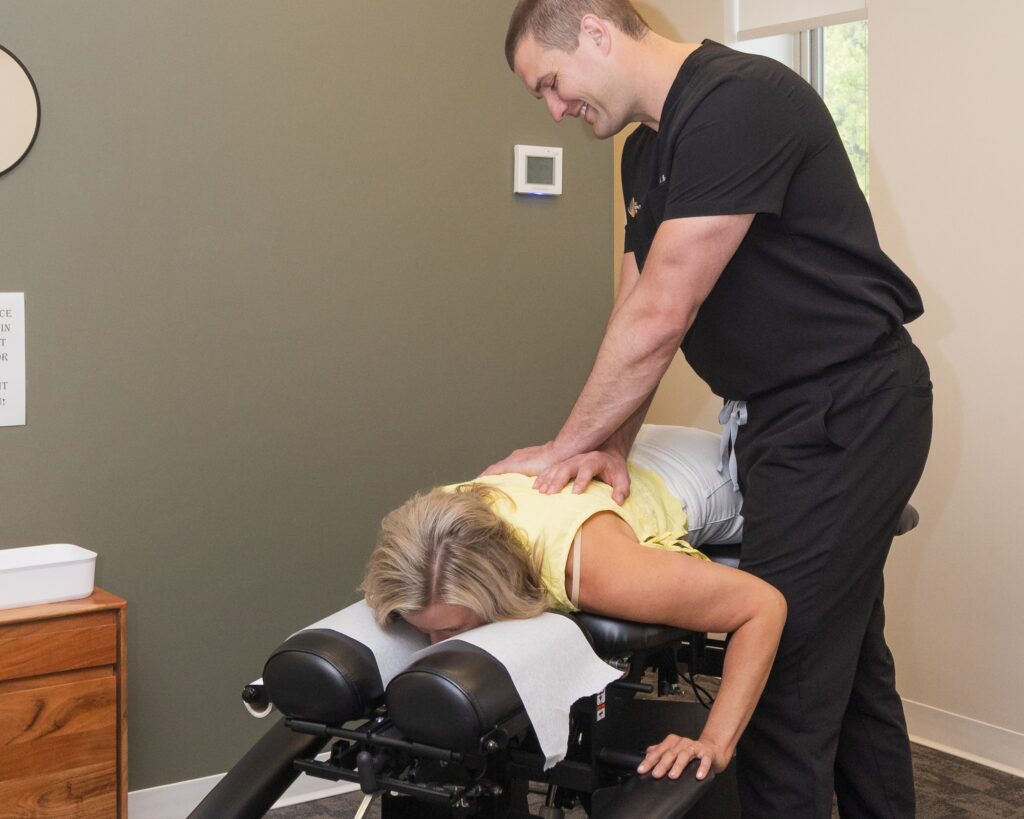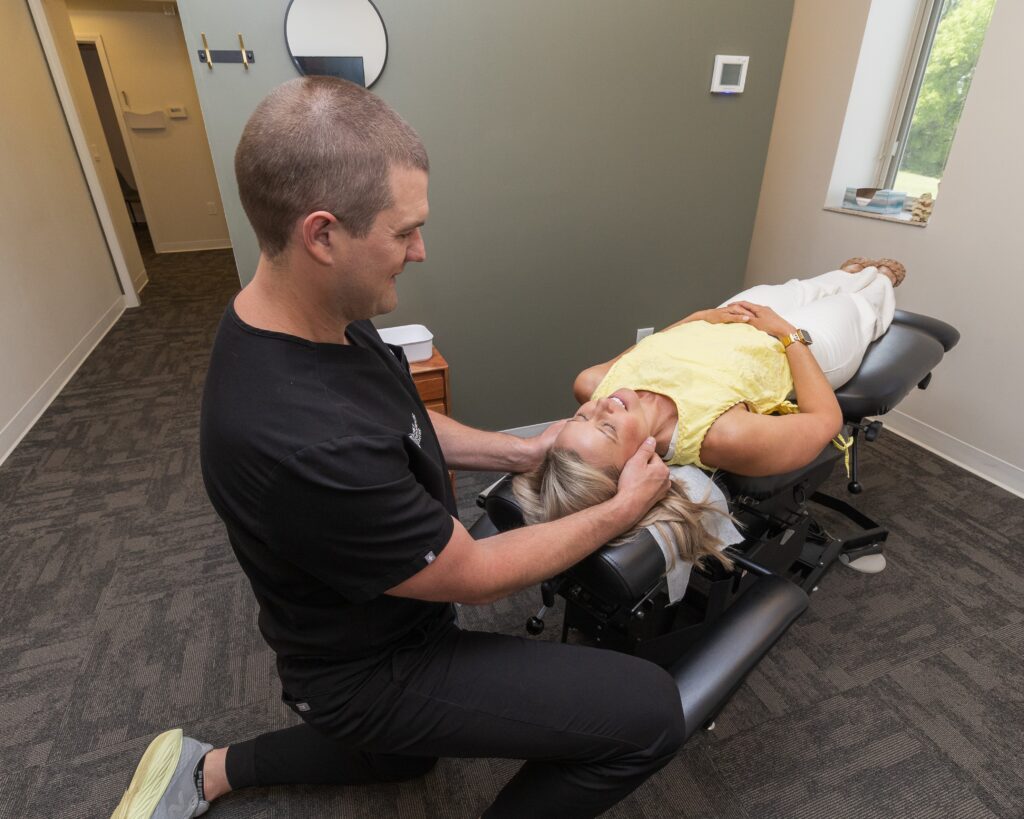

When it comes to managing stress, it’s important to explore the benefits of natural relief methods, especially through chiropractic care. As a chiropractor, I believe that aligning your spine can significantly contribute to your overall well-being and help you manage stress effectively. Unlike traditional methods that often rely on medications or invasive procedures, chiropractic care offers a holistic approach that targets the root causes of discomfort.
Choosing the right path for your unique situation means considering how your body feels and how stress impacts your daily life. Chiropractic adjustments can help relieve tension, improve your posture, and enhance your body’s natural ability to heal. This not only provides immediate relief but also promotes long-term wellness.
In addition to regular chiropractic care, here are some simple tips to help you manage stress naturally:
- Stay Active: Regular physical activity, like walking or yoga, can help to reduce stress and improve your mood.
- Practice Deep Breathing: Take a few minutes each day to focus on your breath. Deep, slow breaths can help calm your mind and relax your body.
- Stay Hydrated: Drinking plenty of water is essential for your overall health and can help reduce feelings of fatigue and stress.
- Maintain Good Posture: Be mindful of your posture throughout the day. Poor posture can contribute to tension and discomfort, so try to sit and stand tall.
- Prioritize Sleep: Ensure you’re getting enough rest each night. Quality sleep is crucial for your body to recover and manage stress effectively.
By focusing on these natural methods, especially through chiropractic care, you can create a balanced strategy that addresses both the symptoms and the underlying causes of stress. Remember, the best fit for you is one that supports your journey towards optimal health and well-being.
Key Takeaways
Natural stress relief methods, such as exercise, mindfulness, and proper nutrition, play a vital role in promoting overall well-being without the unwanted side effects commonly associated with medications. Unlike traditional methods that often rely on medications to alleviate symptoms—which can lead to issues like drowsiness or dizziness—chiropractic care offers a holistic, non-invasive approach to managing stress and enhancing spinal health.
By focusing on the alignment of your spine, chiropractic care can help improve your body’s natural ability to cope with stress, allowing you to feel more balanced and at ease. Integrating mindfulness practices, such as meditation and deep breathing, can further complement your journey towards relaxation and mental clarity, enhancing the benefits of chiropractic treatments.
Maintaining an active lifestyle and prioritizing restorative sleep are essential components of natural stress relief. Regular exercise not only strengthens your body but also helps release endorphins, which can elevate your mood and reduce stress. Additionally, ensuring you get enough restorative sleep can significantly impact your stress levels and overall health.
In summary, chiropractic care stands out as an effective choice for pain relief and natural wellness. By focusing on your spine’s health and incorporating simple lifestyle changes, you can achieve optimal health and a more stress-free life. Remember, taking small steps towards better health can lead to significant improvements in your overall well-being!
Understanding Stress and Its Impact
While stress is a common part of life, it can significantly impact your physical and mental well-being. Many people experience headaches, fatigue, and muscle tension, which can disrupt daily routines.
Stress activates your body’s fight-or-flight response, releasing hormones that prepare you for perceived danger. However, when this response becomes chronic, it can lead to anxiety, depression, and a range of health issues.
You might notice that stress affects your sleep quality, appetite, and even your immune system. When under stress, it can be challenging to concentrate or make decisions, leading to a cycle of frustration and increased stress.
Identifying your stressors—whether they’re related to work, relationships, or financial concerns—is essential. Understanding what triggers your stress can empower you to seek effective solutions.
Chiropractic care is an excellent way to help manage stress and its physical manifestations. Regular chiropractic adjustments can help alleviate muscle tension, headaches, and discomfort, promoting relaxation and overall well-being.
Additionally, chiropractic care can enhance your body’s ability to cope with stress by improving spinal alignment and nervous system function, which can lead to better sleep and improved mood.
Here are some general tips to help you manage stress effectively:
- Stay Active: Regular physical activity can help reduce stress. Consider incorporating gentle exercises like walking, yoga, or stretching into your daily routine.
- Practice Mindfulness: Techniques such as meditation, deep breathing, or simply taking a moment to pause and reflect can help calm your mind.
- Maintain Good Posture: Pay attention to your posture, especially if you work at a desk. Poor posture can contribute to stress and physical discomfort.
- Connect with Others: Spend time with friends and family. Talking about your feelings can provide relief and support.
- Seek Chiropractic Care: Regular visits to your chiropractor can help keep your spine healthy and reduce the physical effects of stress.
By recognizing the impacts of stress on your body and mind, and by incorporating these strategies into your life, you can take steps toward a healthier, more balanced existence.
Chiropractic care is a powerful ally in achieving optimal health and natural wellness, helping you navigate life’s stresses with greater ease.
Traditional Methods of Stress Relief
When stress takes its toll, many people seek traditional methods of relief that have long been recognized for their effectiveness. These approaches not only provide comfort but also help you regain a sense of control over your well-being. Among these methods, chiropractic care stands out as a holistic option that promotes natural healing and overall wellness.
Here’s a quick overview of some traditional stress relief methods, along with the benefits of incorporating chiropractic care into your routine:
| Method | Benefits |
|---|---|
| Chiropractic Care | Alleviates pain, improves spinal alignment, enhances overall health |
| Exercise | Releases endorphins, boosts mood |
| Meditation | Promotes relaxation, increases mindfulness |
| Deep Breathing | Reduces anxiety, calms the mind |
| Social Interaction | Provides support, enhances happiness |
Chiropractic care not only addresses physical discomfort but also helps reduce stress by improving your body’s function. Regular adjustments can enhance your nervous system, leading to better stress response and overall health.
In addition to seeing your chiropractor, here are some tips to help manage stress naturally:
- Stay Active: Incorporate regular exercise into your routine to boost your mood and energy levels. Even a daily walk can make a significant difference.
- Practice Mindfulness: Take a few moments each day to meditate or simply focus on your breathing. This can help clear your mind and promote relaxation.
- Connect with Loved Ones: Spend quality time with friends and family. Their support can be invaluable during stressful times.
- Prioritize Sleep: Ensure you’re getting enough restorative sleep each night. A well-rested body is better equipped to handle stress.
- Consider Chiropractic Care: Make regular visits to your chiropractor part of your wellness routine. They can help maintain your spinal health, which is essential for your overall well-being.
The Role of Medication in Stress Management
When it comes to managing stress, many people are often tempted to turn to medication for relief. While certain medications can help alleviate stress symptoms for some, they may come with unwanted side effects and don’t address the root causes of stress.
As a chiropractor, I believe in fostering natural healing and promoting overall wellness through holistic approaches. Chiropractic care focuses on the health of your spine and nervous system, which can significantly impact your body’s ability to manage stress. By aligning your spine, we can improve your body’s function, enhance its natural healing abilities, and reduce stress levels.
Here are a few tips to consider for managing stress naturally:
- Regular Chiropractic Adjustments: Keeping your spine aligned can reduce tension in your body, leading to a more relaxed state of mind.
- Exercise: Physical activity is a fantastic stress reliever. It releases endorphins, which boost your mood and overall well-being.
- Mindfulness and Relaxation Techniques: Practices like yoga, meditation, or deep breathing can help calm your mind and reduce stress.
- Healthy Nutrition: Eating a balanced diet rich in fruits, vegetables, and whole grains can help your body cope better with stress.
- Adequate Sleep: Ensure you get enough restful sleep, as this is crucial for stress management and overall health.
Types of Stress Medications
Understanding how to manage stress naturally can significantly enhance your overall well-being.
Instead of relying on medications, many people find that chiropractic care offers a holistic approach to alleviating stress and its physical manifestations.
Chiropractic care focuses on the spine and nervous system, which play a crucial role in how your body responds to stress.
By ensuring your spine is aligned, you can improve your body’s ability to handle stress effectively.
Regular chiropractic adjustments can help reduce tension in your muscles, improve your posture, and enhance your overall physical health, all of which contribute to a calmer state of mind.
In addition to chiropractic care, here are some simple tips to manage stress naturally:
- Stay Active: Engaging in regular physical activity, such as walking, yoga, or other exercises, can boost your mood and reduce stress levels.
- Practice Deep Breathing: Deep breathing exercises can help calm your nervous system and reduce feelings of anxiety.
- Maintain a Balanced Diet: Eating whole foods, plenty of fruits and vegetables, and staying hydrated can improve your mood and energy levels.
- Get Enough Sleep: Prioritizing sleep is essential for your body to recover and manage stress effectively.
- Connect with Others: Building strong relationships and talking about your feelings can provide support and help alleviate stress.
Remember, chiropractic care can be a vital part of your journey to optimal health.
By focusing on natural healing methods and making lifestyle adjustments, you can effectively manage stress and enhance your quality of life without the need for medications.
Always consult with your chiropractor to explore the best approach tailored to your individual needs.
Potential Side Effects
While managing stress is important for your overall health, relying solely on medications can sometimes lead to unwanted side effects. Many people may experience drowsiness, dizziness, or gastrointestinal issues, which can interfere with daily life. Additionally, some medications can create dependence or lead to withdrawal symptoms, making it crucial to use them carefully and as directed.
Instead of turning to medications, consider exploring natural methods to alleviate stress. Chiropractic care, for instance, focuses on the health of your spine and nervous system, which plays a vital role in your overall well-being. Regular chiropractic adjustments can help relieve tension, improve your mood, and enhance your body’s ability to handle stress.
Incorporating simple lifestyle changes can also make a significant difference. Make time for physical activity, practice mindfulness or meditation, and ensure you have a balanced diet rich in nutrients to support your body’s natural healing processes. Additionally, good sleep hygiene is essential; try to establish a consistent sleep routine to improve your rest quality.
Benefits of Therapy and Counseling
Chiropractic care provides invaluable support for your overall health and wellness, especially when stress and discomfort feel overwhelming.
By visiting a chiropractor, you can discover effective techniques to relieve tension and promote relaxation, tailored specifically to your body’s needs. During your sessions, your chiropractor will help you understand how spinal health influences your entire wellbeing, offering insights into natural healing methods that empower you to take charge of your health.
Addressing your concerns with a chiropractic professional allows you to gain clarity on how your body functions and find healthier ways to manage stress and discomfort without relying on medications or invasive procedures. Remember, maintaining a healthy spine is crucial for optimal health, and chiropractic adjustments can help restore balance and alleviate pain.
Here are a few tips to enhance your wellness journey:
- Practice good posture: Be mindful of your sitting and standing positions to reduce strain on your spine.
- Stay active: Regular physical activity strengthens your muscles and supports spinal health.
- Incorporate stretching: Simple stretches can relieve tension and improve flexibility.
- Stay hydrated: Proper hydration is essential for maintaining spinal disc health.
- Prioritize rest: Ensure you get quality sleep to help your body recover and rejuvenate.
Emotional Support and Guidance
Emotional well-being is closely tied to our physical health, and maintaining a healthy spine can play a vital role in how we handle life’s challenges. When stress feels overwhelming, it’s essential to have effective coping mechanisms, and chiropractic care can provide that support.
Chiropractic adjustments not only help alleviate pain but can also enhance your overall wellness by improving your nervous system function. This can lead to better emotional regulation and resilience during stressful times. Here’s a quick overview of how chiropractic care can benefit your mental and emotional health:
| Benefits | Description |
|---|---|
| Improved spinal alignment | Helps your nervous system function optimally, reducing stress. |
| Enhanced mobility | Increases physical comfort, which can positively impact mood. |
| Stress reduction | Chiropractic care can alleviate tension in the body, promoting relaxation. |
| Better sleep | Regular adjustments may lead to improved sleep quality, enhancing emotional health. |
| Holistic approach | Chiropractic care addresses the whole person, fostering a balanced lifestyle. |
In addition to chiropractic adjustments, here are some general tips to support your emotional well-being:
- Stay Active: Regular physical activity can boost your mood and reduce stress.
- Practice Mindfulness: Techniques like deep breathing or meditation can help calm your mind.
- Connect with Nature: Spending time outdoors can improve your mental health.
- Maintain a Healthy Diet: Eating well supports both your body and mind.
- Seek Community: Connecting with others can provide emotional support and enhance your overall well-being.
Coping Strategies Development
Enhancing your emotional well-being is crucial for managing stress and overcoming life’s challenges, and chiropractic care can play a vital role in this process. By focusing on spinal health, we can help improve your overall wellness, which in turn supports your emotional resilience. Regular chiropractic adjustments can help relieve tension in your body, which often contributes to feelings of stress and anxiety.
Incorporating chiropractic care into your routine can provide a supportive environment where you can’t only address physical discomfort but also enhance your mental clarity and emotional balance. As you receive adjustments, you may find that your body feels more relaxed, allowing you to approach life’s challenges with a clearer mind and better problem-solving skills.
To complement your chiropractic visits, consider implementing some simple coping strategies into your daily life. Here are a few tips to help you manage stress naturally:
- Stay Active: Engage in regular physical activity to release endorphins, which can boost your mood and reduce stress.
- Practice Deep Breathing: Take a moment to breathe deeply and focus on your breath. This can help calm your mind and reduce feelings of anxiety.
- Maintain a Healthy Diet: Eating nutritious foods can impact your mood and energy levels, so prioritize whole foods that nourish your body.
- Stay Connected: Talk to friends and family about your experiences. Sharing your thoughts with someone who understands can help you feel less isolated.
- Prioritize Sleep: Ensure you get enough restful sleep each night. Quality sleep is essential for emotional regulation and overall health.
Exploring Natural Stress Relief Techniques
In a world where stress often feels unavoidable, exploring natural relief techniques can provide a refreshing way to manage anxiety and tension.
As a chiropractor, I believe in the power of holistic approaches to health, and integrating these methods into your daily routine can help cultivate a sense of calm and balance while supporting your overall well-being.
Here are some effective techniques worth considering:
- Herbal Teas: Enjoying calming herbal teas like chamomile or lavender can help soothe your nerves and promote a sense of relaxation. This simple ritual can be a lovely addition to your self-care routine.
- Breathing Exercises: Practicing deep, controlled breaths is a powerful way to reduce immediate stress. Focus on inhaling deeply through your nose and exhaling slowly through your mouth. This can help calm your mind and support spinal health by decreasing tension in your body.
- Physical Activity: Regular exercise is a fantastic way to manage stress. Whether it’s walking, yoga, or dancing, moving your body releases endorphins that boost your mood and can support your spinal alignment. Remember, the better aligned your spine is, the better your body functions!
- Nature Immersion: Spending time outdoors in green spaces can significantly lower stress levels and improve mental clarity. Nature has a healing effect that can be incredibly beneficial for both your mind and body, supporting your overall health.
Incorporating these natural techniques into your lifestyle can enhance your well-being and complement the benefits of chiropractic care.
Mindfulness and Meditation Practices
Amid the hustle and bustle of everyday life, mindfulness and meditation practices can be incredibly beneficial for managing stress and enhancing overall well-being, especially when combined with chiropractic care. As a chiropractor, I emphasize the importance of a holistic approach to health that includes both physical alignment and mental clarity. Taking just a few minutes each day to focus on your breath or engage in guided meditation can complement your chiropractic treatments by helping to ground you in the present moment, reducing anxiety, and promoting a sense of calm.
When you practice mindfulness, try to observe your thoughts without judgment, allowing them to pass like clouds in the sky. This simple act can help create mental clarity and shift your perspective, making it easier to address physical discomfort. Incorporating mindfulness into daily activities, such as eating or walking, not only enhances your awareness but also helps foster gratitude for your body and its capabilities.
As you develop these mindfulness habits alongside your chiropractic care, you may notice a reduction in stress levels and an increase in overall happiness. Remember, consistency is crucial. The more you practice mindfulness, the more natural it becomes, transforming how you respond to daily challenges and pain.
In addition to mindfulness, consider these general tips for maintaining optimal health:
- Stay Active: Regular movement, whether through gentle stretching, walking, or other physical activities, supports spinal health and overall wellness.
- Maintain Good Posture: Be mindful of your posture throughout the day, especially if you sit for long periods. Proper alignment can help reduce strain on your back and neck.
- Stay Hydrated: Drinking plenty of water is essential for overall health and can aid in the healing process.
- Focus on Nutrition: A balanced diet rich in whole foods supports your body’s natural healing processes.
Herbal Remedies for Stress Reduction
Many individuals experience stress in their daily lives, and while there are various methods to alleviate it, chiropractic care is an effective way to address stress and promote overall wellness.
In addition to regular chiropractic adjustments, incorporating natural herbal remedies can further enhance your relaxation and well-being. Here are some popular herbs that may help you unwind:
- Chamomile: This herb is well-known for its calming effects. Enjoying a warm cup of chamomile tea can be a soothing ritual to help you destress, especially before bedtime.
- Lavender: Utilizing lavender oil in aromatherapy can create a peaceful atmosphere. Its soothing aroma may help reduce anxiety and improve sleep quality, making it a great addition to your bedtime routine.
- Ashwagandha: Recognized as an adaptogen, ashwagandha can support your body in managing stress. Regularly incorporating this herb into your wellness plan can enhance your overall health.
- Passionflower: Often used for its calming effects, passionflower can be beneficial for those dealing with insomnia or anxiety, helping you feel more relaxed.
Combining these herbal remedies with regular chiropractic care can provide a holistic approach to managing stress and achieving optimal health.
Remember, chiropractic adjustments align your spine, which can enhance your body’s ability to deal with stress and pain. Always consult with your chiropractor before starting any new herbal regimen, especially if you have specific health concerns or are under care.
Incorporating simple practices into your daily life can also help reduce stress. Consider stretching, practicing deep breathing exercises, or taking regular breaks to create a more balanced lifestyle.
The Importance of Physical Exercise
When it comes to relieving stress, incorporating regular exercise into your routine is a powerful tool that shouldn’t be overlooked. Not only does it boost your mood, but it also plays a crucial role in reducing anxiety. Various types of workouts, whether they’re gentle yoga sessions, invigorating runs, or strength training exercises, can significantly impact how you manage stress.
As a chiropractor, I want to emphasize that physical activity not only benefits your mental health but also supports your spinal health. Proper exercise can help maintain a healthy spine and improve your overall wellbeing. When your body is aligned and functioning well, you’re better equipped to handle stress and discomfort.
Here are some simple tips to help you incorporate exercise into your daily life while also supporting your spinal health:
- Start Slowly: If you’re new to exercise, begin with short sessions and gradually increase the duration and intensity. This approach helps prevent strain and injury.
- Focus on Form: Pay attention to your posture during workouts. Proper alignment is essential to protect your spine and enhance the effectiveness of your exercises.
- Incorporate Stretching: Include stretching in your routine to improve flexibility and reduce tension in your muscles. This can also help prevent injuries.
- Listen to Your Body: If you feel pain or discomfort while exercising, it’s important to stop and assess. Pushing through pain can lead to further issues, so always prioritize your body’s signals.
- Stay Hydrated: Proper hydration supports muscle function and overall health, making your workouts more effective.
- Seek Chiropractic Care: Regular visits to your chiropractor can enhance your exercise routine by ensuring your spine is properly aligned and functioning optimally. Chiropractic adjustments can help alleviate discomfort and improve mobility, making it easier for you to stay active.
Benefits of Regular Exercise
Regular exercise significantly enhances your physical and mental well-being, and it plays a crucial role in maintaining a healthy spine. As a local chiropractor, I want to emphasize that it’s not just about building muscle; it’s about improving your overall quality of life and supporting your spine’s health.
Engaging in regular physical activity can lead to several benefits:
- Increased energy levels, helping you manage daily activities with ease.
- Improved mood, thanks to the endorphins released during exercise, which can also help alleviate discomfort often associated with spinal issues.
- Better sleep, allowing your body to recover and recharge effectively, which is vital for maintaining spinal health.
- Enhanced cognitive function, aiding in focus and clarity throughout the day, which can be affected by pain or discomfort.
Incorporating exercises that strengthen your core and back can also help reduce stress and anxiety, making it an essential tool for achieving balance in your life. Remember, a healthy spine is key to optimal health.
Whether you enjoy jogging, yoga, or dancing, find what you love and make it a regular part of your lifestyle! Additionally, consider integrating gentle stretches and spine-friendly exercises into your routine to support your chiropractic care.
Always listen to your body and consult with your chiropractor about the best exercises for your individual needs. By prioritizing your spine health through regular exercise and chiropractic care, you can pave the way for a happier, healthier life!
Exercise Types for Stress
Exercise types for stress relief are not only diverse but can also complement your journey to optimal health through chiropractic care. Whether you enjoy high-energy workouts or calming activities, there’s something that can fit seamlessly into your routine. Here are some effective options to consider that also promote spinal health:
| Exercise Type | Benefits | Duration |
|---|---|---|
| Yoga | Improves flexibility, reduces anxiety, and promotes proper spinal alignment | 30-60 minutes |
| Running | Boosts endorphins, clears the mind, and strengthens core muscles which support your spine | 20-40 minutes |
| Strength Training | Builds confidence, enhances mood, and strengthens the muscles that protect your spine | 30-50 minutes |
| Dancing | Promotes joy, encourages social interaction, and improves coordination, benefiting overall body mechanics | 30-60 minutes |
Incorporating these activities into your week can help you manage stress effectively while also supporting your spinal health. Remember, a well-aligned spine is crucial for overall wellness and can enhance your ability to enjoy these exercises to their fullest potential.
Consider visiting your chiropractor for personalized advice on how to integrate these activities into your lifestyle. They can help ensure you’re moving in a way that supports your health and helps prevent injury. So, find what you enjoy, make it a regular part of your life, and you’ll feel the difference—not just in stress relief but in your overall well-being!
Comparing Effectiveness: Natural vs. Traditional
While both natural stress relief methods and traditional approaches aim to alleviate tension, chiropractic care stands out as a holistic option that promotes overall wellness and pain relief.
Each person is unique, so it’s essential to find what works best for you. Here’s a quick comparison to help you understand how chiropractic care can be an effective choice:
- Natural methods such as chiropractic adjustments not only promote relaxation but also support spinal health and improve overall body function without the side effects associated with medications.
- Traditional methods, like medications or therapy, might offer quick fixes but can lead to unwanted side effects. Chiropractic care, on the other hand, focuses on the root cause of discomfort and helps your body heal naturally.
- Accessibility: Chiropractic care is often more accessible than traditional treatments, as many chiropractors offer flexible appointment times and don’t require prescriptions.
- Personalization: Chiropractic care is tailored to each individual. Your chiropractor will assess your specific needs, creating a customized plan that suits your lifestyle and promotes your well-being.
Incorporating regular chiropractic visits into your wellness routine can help you manage stress effectively and enhance your overall quality of life.
Additionally, consider these general tips for natural stress relief:
- Stay Active: Regular physical activity can help reduce stress. Aim for at least 30 minutes of movement each day.
- Practice Mindfulness: Techniques like deep breathing, meditation, or yoga can help calm your mind and body.
- Get Plenty of Sleep: Quality sleep is vital for stress management. Aim for 7-9 hours each night.
- Stay Hydrated and Eat Well: A balanced diet and adequate hydration can improve your mood and energy levels.
- Social Connections: Spend time with friends and family to foster supportive relationships that can help alleviate stress.
Ultimately, exploring chiropractic care along with these lifestyle tips can lead to a more balanced and healthier life.
Making the Right Choice for Your Well-Being
Choosing the right approach for your well-being can feel overwhelming, especially with so many options available. As a chiropractor, I want to emphasize the importance of spinal health and how chiropractic care can be a powerful tool in achieving optimal wellness.
When considering your options for stress relief and overall well-being, think about what resonates with you. Chiropractic care focuses on the relationship between your spine and nervous system, helping to restore balance and promote natural healing. Many people find that regular chiropractic adjustments not only alleviate pain but also enhance their overall quality of life.
Consider your lifestyle and personal preferences. Chiropractic care often promotes long-term wellness by addressing the root causes of discomfort rather than just masking symptoms. While other methods may offer quick fixes, they often come with unwanted side effects. In contrast, chiropractic care is a natural, non-invasive approach that can help you achieve lasting relief and improved function.
It’s essential to listen to your body and mind. If you’re experiencing discomfort or stress, I encourage you to explore chiropractic care as a viable option. In addition to adjustments, there are simple tips you can incorporate into your daily routine to support your well-being:
- Stay Active: Regular physical activity enhances spinal health and boosts your mood. Simple activities like walking or stretching can make a significant difference.
- Maintain Good Posture: Be mindful of your posture, especially if you spend long hours sitting. Proper alignment reduces strain on your spine.
- Practice Relaxation Techniques: Incorporate deep breathing, meditation, or gentle yoga to help reduce stress and promote relaxation.
- Stay Hydrated: Drinking enough water supports your overall health and helps maintain spinal disc hydration.
- Get Enough Sleep: Quality sleep is crucial for recovery and overall wellness. Aim for a restful sleep environment to promote healing.
Ultimately, your well-being is unique, and making an informed choice is key to effectively managing stress and pain. Consider incorporating chiropractic care into your wellness journey, and remember that you don’t have to face this alone. Your path to better health and natural wellness starts with taking that first step towards chiropractic care.
Conclusion
When it comes to managing stress relief, there are plenty of options at your fingertips. Traditional methods may offer quick fixes, but they often come with risks and may not tackle the underlying issues causing your stress. That’s where natural stress relief techniques shine, especially when combined with chiropractic care.
Chiropractic care focuses on aligning your spine and ensuring your nervous system operates effectively, which can have a profound impact on your overall well-being. Regular adjustments can help alleviate physical tension, improve your body’s ability to cope with stress, and enhance your mood.
In addition to chiropractic adjustments, incorporating practices like exercise, mindfulness, and a balanced diet can greatly foster long-term resilience without any unwanted side effects. Movement, whether it’s a gentle walk or more vigorous exercise, can release endorphins that naturally lift your spirits. Mindfulness techniques, such as deep breathing or meditation, can help calm your mind and center your thoughts.
Nutrition also plays a vital role in stress management. Eating a balanced diet rich in whole foods can support your body’s stress response and overall health.
By integrating these holistic practices with regular chiropractic sessions, you can create a balanced approach that empowers you to manage stress effectively. Remember, it’s all about finding what feels right for you and prioritizing your health. Take small steps every day towards a healthier lifestyle, and don’t hesitate to reach out to your chiropractor for guidance on how to achieve optimal health and wellness.