

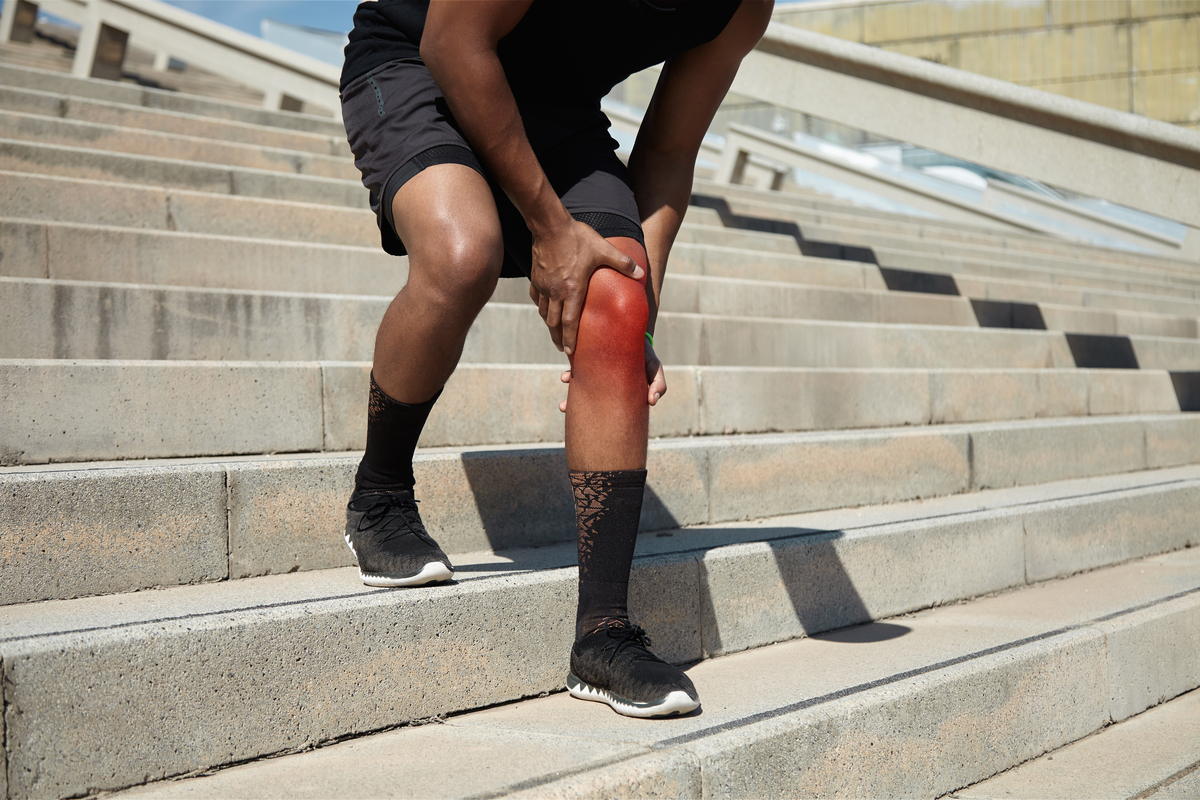
Knee pain has a way of sneaking up on you. One day you’re moving through your morning routine without a second thought, and the next, you’re wincing every time you climb the stairs or get up from the couch. What’s surprising to many patients here in McKees Rocks, PA is that the culprit isn’t always an old injury or a diagnosed condition — sometimes it’s the everyday habits you’ve been repeating for years without realizing the damage they’re quietly causing. Understanding what those habits are is the first step toward feeling better.
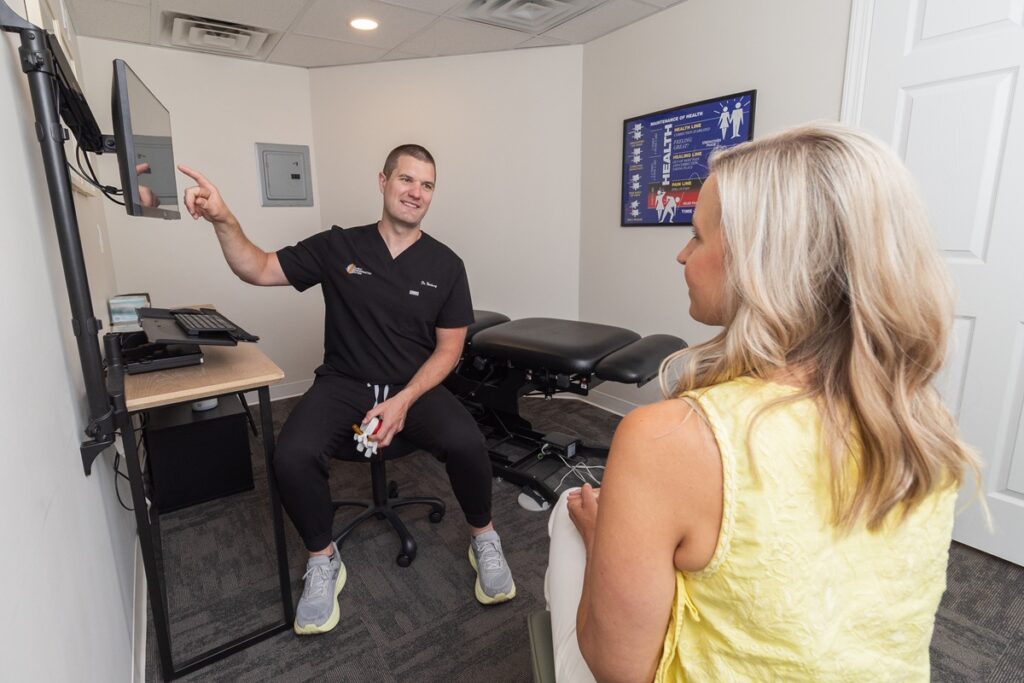
At Family Chiropractic Center, Dr. Kevin Hartung works with patients across the McKees Rocks community who are struggling with persistent knee pain. Time and time again, a conversation about daily routines reveals small but significant habits that are silently loading stress onto the knee joints, surrounding muscles, and connective tissues. The good news? Many of these habits are completely changeable. This article is here to help you identify them.
What Is Causing My Knee Pain?
Knee pain can have many sources, but daily habits are often an overlooked contributor. The knee is a complex, weight-bearing joint that depends on balanced muscle support, proper alignment, and healthy movement patterns. When everyday routines disrupt any of those elements — even gradually — the result is often inflammation, stiffness, and chronic discomfort that worsens over time.
How Sitting Habits Hurt Your Knees
If you spend the majority of your day seated — whether at a desk, in a car, or on the couch — your knees may be paying a price you haven’t noticed yet. Prolonged sitting keeps the knee joint in a flexed position for extended periods. Over time, this shortens the muscles at the back of the thigh (the hamstrings) and weakens the quadriceps at the front of the thigh. Both of these muscle groups are critical for proper knee function, and when they’re out of balance, the knee bears stress unevenly.
One particularly damaging habit is crossing your legs while seated. This position rotates the hip and shifts the alignment of the entire lower limb chain, placing asymmetrical tension on the knee joint. Many people don’t even realize they’re doing it — it becomes automatic. Similarly, sitting with your feet tucked beneath you or perched on the edge of a chair with knees deeply bent for hours at a time creates ongoing compression that can irritate the soft tissues around the joint.
There’s also the issue of how you get up from a seated position. If you’re pushing up with one leg more than the other, or if you’re relying heavily on your hands rather than engaging your leg muscles, you’re placing sudden, uneven force on one knee repeatedly throughout the day. These micro-stresses add up over months and years into real, noticeable pain.
The Footwear Problem You’re Probably Ignoring
Your shoes are doing far more mechanical work than most people appreciate. The foot is the foundation of every step you take, and the way that foundation is supported — or not — travels all the way up through the ankle, knee, hip, and spine. Worn-out shoes that have lost their structural support are one of the most common hidden contributors to knee pain that Dr. Kevin Hartung sees in patients at Family Chiropractic Center.
When the midsole of a shoe breaks down, your arch loses support and the foot begins to pronate (roll inward) more than it should. This inward roll causes the tibia — the lower leg bone — to rotate inward as well, which in turn places a twisting stress on the knee with every single step. For someone who walks several thousand steps per day, that’s an enormous cumulative load on a joint that was never designed to absorb it at that angle.
High heels present their own unique problem. Heels shift your body weight forward and increase the load on the front of the knee, including the area behind the kneecap. Even modest heel height, worn regularly, can contribute to patellar tracking issues and chronic anterior knee discomfort. Flip-flops and completely flat shoes without arch support can also create problems for some individuals, particularly those whose feet have a natural tendency to overpronate.
Movement Patterns That Load the Wrong Muscles
How you move matters just as much as how much you move. Many people develop compensatory movement patterns over years of sitting, injury avoidance, or simply poor postural habits. These patterns often mean that the knee is absorbing stress that should be distributed more evenly across the hip, core, and ankle.
One of the most common examples is the tendency to let the knees collapse inward during activities like squatting, climbing stairs, or even just walking. This is often called “valgus collapse,” and it places significant strain on the inner structures of the knee, including the medial collateral ligament and the cartilage. It typically happens because the glutes and hip abductors are not activating properly to keep the knee tracking over the toes.
Another problematic pattern involves the way people descend stairs. Many individuals lead with the knee — allowing it to shoot forward past the toes and essentially “dump” body weight into the joint rather than controlling the descent with the glutes and hamstrings. Over time, this wears on the cartilage at the front of the knee and can contribute to the kind of aching pain that people often feel going downstairs more than going up.
Interestingly, a lack of movement is just as problematic as poor movement. Sedentary behavior allows the synovial fluid inside the knee joint to stagnate. This fluid is what lubricates and nourishes the cartilage. When you move regularly, that fluid circulates efficiently. When you stay still for long periods, the joint stiffens and nutrient delivery to the cartilage is impaired. This is one reason why many people notice their knees are most stiff and painful first thing in the morning or after sitting for a long time.
How Body Weight and Diet Quietly Amplify Knee Stress
The knee joint carries a significant portion of your body weight with every step, and research consistently indicates that even modest increases in body weight can meaningfully increase the load on the knees. Biomechanical estimates suggest that for every pound of body weight, the knee experiences several times that amount of force during walking, and significantly more during activities like stair climbing or squatting. This is not meant to shame anyone — it’s simply useful information for understanding why weight management is genuinely relevant to knee health.
Diet plays a role that often goes entirely overlooked. Chronic low-grade inflammation is a known contributor to joint pain, and certain dietary patterns are strongly associated with increased inflammatory markers in the body. Diets high in processed foods, refined sugars, and trans fats have been linked to greater systemic inflammation. Conversely, diets rich in vegetables, fruits, omega-3 fatty acids, and whole grains are associated with lower inflammatory levels. While nutrition is a nuanced topic that goes beyond the scope of chiropractic care, it’s worth having a conversation with your healthcare team about how your eating habits may be influencing your pain levels.
Hydration is another underappreciated factor. Cartilage is largely composed of water, and staying well-hydrated supports its integrity and resilience. Chronic mild dehydration — the kind many people experience without realizing it — may compromise cartilage health gradually over time.
How Chiropractic Care Fits Into Knee Pain Relief
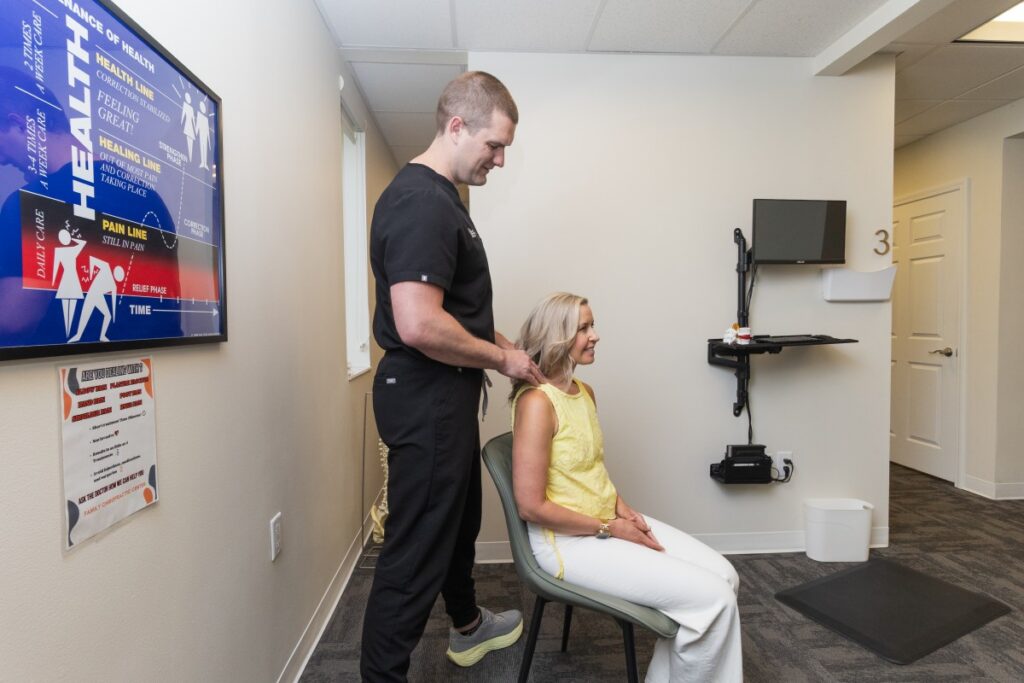
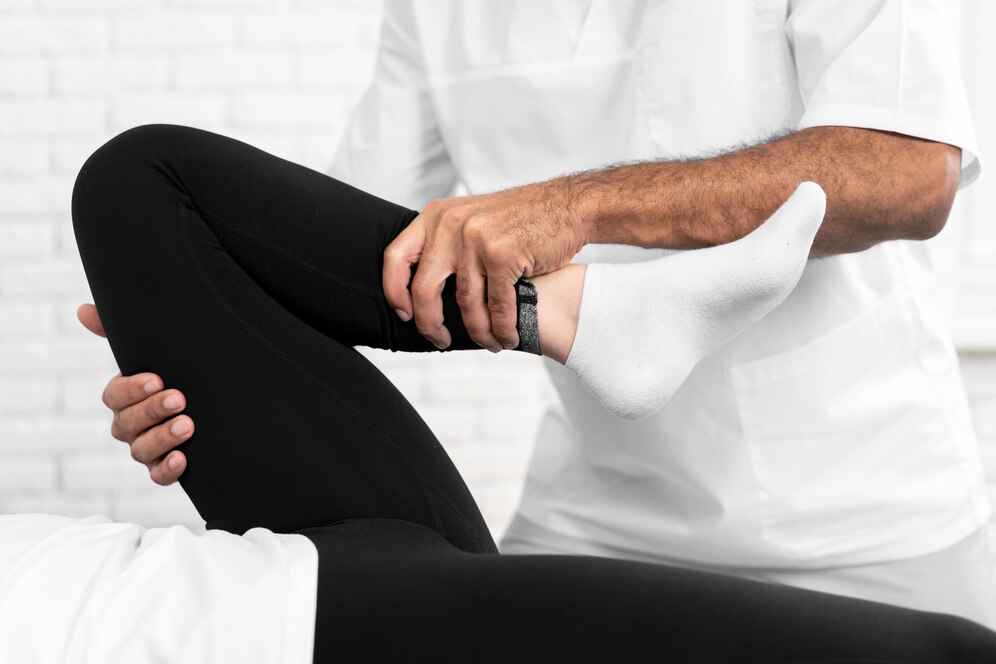
When most people think of chiropractic care, they think of the spine. And while spinal health is certainly a cornerstone of what chiropractors do, chiropractic evaluation extends well beyond the back. At Family Chiropractic Center in McKees Rocks, PA, Dr. Kevin Hartung takes a whole-body approach to musculoskeletal health, which means looking at how the alignment and function of the spine, pelvis, hips, and lower extremities may be contributing to knee symptoms.
Misalignments in the lower spine and pelvis can alter the mechanics of the entire lower limb. When the pelvis is uneven or the sacroiliac joints are restricted, it can shift the way force travels through the hip, knee, and ankle. Over time, this altered force transmission can create wear patterns and inflammation in the knee that don’t resolve on their own — because the root cause isn’t in the knee itself.
Chiropractic adjustments to the spine and, when appropriate, to the knee and surrounding joints, can help restore proper alignment and joint mobility. Evidence from organizations like the National Institutes of Health and the American Chiropractic Association supports the use of conservative, non-invasive care for musculoskeletal pain management. Dr. Kevin Hartung may also incorporate soft tissue work, rehabilitative movement guidance, and postural corrections to address the contributing factors identified during your evaluation.
The goal is never to simply mask the pain. It’s to understand why the knee is under stress and address that upstream. This kind of conservative, drug-free care is a meaningful option for many patients before considering more invasive interventions.
Practical Daily Tips to Protect Your Knees
Small changes made consistently can produce real results over time. One of the most impactful things you can do is build more intentional movement into your day. Set a timer to stand and walk briefly every 30 to 45 minutes if you work at a desk. Even a short walk to the kitchen or around the office helps restore circulation to the joint and keeps the surrounding muscles engaged.
Pay attention to how you sit. Keep both feet flat on the floor, knees at roughly a 90-degree angle, and avoid crossing your legs. If your chair doesn’t support this position, a small footrest or a folded towel under your feet can make a genuine difference.
Invest in quality footwear. Replace athletic shoes every 300 to 500 miles of use, and look for footwear that provides genuine arch support and cushioning appropriate for your foot type. If you’ve dealt with chronic knee or foot issues, a gait analysis or custom orthotic consultation may be worth exploring.
Strengthen your hips and glutes. These muscles are the primary protectors of the knee joint, and when they’re weak or inactive, the knee compensates. Simple exercises like glute bridges, clamshells, and standing hip abductions can make a meaningful difference in knee stability over time. Ask Dr. Kevin Hartung or your healthcare provider which exercises are appropriate for your current condition before beginning any new routine.
When to See a Chiropractor for Knee Pain
Many people wait too long before seeking care for knee pain, hoping it will resolve on its own. While minor soreness after unusual activity often does settle down, pain that persists for more than two to three weeks, returns consistently with certain activities, or is gradually worsening deserves a professional evaluation. The sooner contributing factors are identified, the easier they typically are to address.
Knee pain accompanied by significant swelling, warmth, redness, locking of the joint, or a sensation of the knee giving way warrants prompt medical attention and may indicate a structural issue such as a ligament tear or significant meniscal damage. In these cases, chiropractic care may still be part of the recovery process, but imaging and medical assessment should come first.
If your pain is more of a dull ache, stiffness, or discomfort that worsens with activity and improves with rest — particularly if it’s been building gradually over months — a chiropractic evaluation is a sensible, non-invasive starting point. At Family Chiropractic Center in McKees Rocks, PA, the approach is always to listen carefully, assess thoroughly, and create a plan that makes sense for your specific situation.
Common Knee-Damaging Habits vs. Healthier Alternatives
|
Habit That Harms the Knee |
Healthier Alternative |
Why It Matters |
|---|---|---|
|
Sitting for hours without breaks |
Standing or walking briefly every 30-45 minutes |
Keeps synovial fluid circulating and muscles engaged |
|
Crossing legs while seated |
Both feet flat on the floor, knees at 90° |
Reduces asymmetrical tension on knee ligaments |
|
Worn-out or unsupportive shoes |
Supportive footwear replaced regularly |
Prevents excessive pronation and altered knee tracking |
|
Letting knees collapse inward during movement |
Consciously tracking knees over toes |
Reduces medial knee stress and cartilage wear |
|
Chronic dehydration |
Consistent daily water intake |
Supports cartilage hydration and joint resilience |
|
High-inflammation diet |
Whole foods, omega-3s, reduced processed sugar |
Lowers systemic inflammation that aggravates joint pain |
Myths vs. Facts About Knee Pain
Myth: Knee pain is just part of getting older and there’s nothing you can do about it.
Fact: While the risk of joint degeneration does increase with age, knee pain is not an inevitable or untreatable condition. Many older adults experience significant improvement through conservative care, movement correction, and lifestyle adjustments. Age alone does not determine your quality of life or level of pain.
Myth: You should rest completely when your knees hurt.
Fact: Complete rest is rarely the best approach for most types of knee pain. Gentle, appropriate movement helps maintain circulation, keeps surrounding muscles strong, and supports cartilage nutrition. The key is choosing the right type and amount of movement, which is something a chiropractor can help guide.
Myth: Cracking or popping in the knee means something is seriously wrong.
Fact: Occasional popping or clicking in the knee, known as crepitus, is extremely common and is often harmless. It can result from gas bubbles in the joint fluid, tendons moving over bony structures, or minor surface irregularities. However, if popping is accompanied by pain, swelling, or instability, it should be evaluated.
Myth: Chiropractic care is only for back pain and can’t help with knees.
Fact: Chiropractic care addresses musculoskeletal health throughout the body, not just the spine. Chiropractors are trained to evaluate and manage dysfunction in peripheral joints, including the knee, hip, and ankle. Whole-body alignment assessment is a key part of understanding why knee symptoms develop in the first place.
Myth: If it doesn’t hurt all the time, it doesn’t need attention.
Fact: Intermittent knee pain can be an early sign of an underlying mechanical issue that will worsen with time if left unaddressed. Catching and correcting contributing habits early — before the pain becomes constant — is far easier than managing a chronic condition that has been building for years.
Final Thoughts From Family Chiropractic Center in McKees Rocks
Knee pain doesn’t have to be something you simply live with or push through. The habits discussed in this article — the way you sit, the shoes you wear, the way your body moves, and what you eat — are all within your ability to influence. That’s genuinely encouraging news. You don’t have to overhaul your entire life at once. Start by noticing one or two patterns that feel familiar, and make small, intentional changes from there.
Here in McKees Rocks, PA, the team at Family Chiropractic Center is here to support exactly that kind of journey. Dr. Kevin Hartung takes the time to understand the full picture of what’s happening in your body, not just the symptom you walked in with. If you’ve been dealing with nagging knee discomfort and you’re not sure where to start, a conversation and evaluation is always a reasonable first step. You deserve to move through your day comfortably, and that goal is far more achievable than you might think.
Frequently Asked Questions About Knee Pain
Can a chiropractor actually treat knee pain?
Yes. Chiropractors are trained to evaluate and address musculoskeletal issues throughout the entire body, including the knee joint. Dr. Kevin Hartung at Family Chiropractic Center takes a whole-body approach, assessing spinal, pelvic, and lower extremity alignment as contributing factors to knee symptoms. Care may include joint adjustments, soft tissue therapy, and movement guidance.
How long does it take for knee pain caused by bad habits to improve?
This varies depending on how long the habits have been present, the degree of tissue involvement, and how consistently positive changes are made. Many patients notice meaningful improvement within several weeks of beginning care and making lifestyle adjustments. Chronic conditions that have developed over years may require more time and consistent effort.
Is walking good or bad for knee pain?
For most types of knee pain, walking is beneficial in appropriate amounts. It promotes circulation, supports cartilage health, and keeps the surrounding muscles active. The key is choosing supportive footwear, maintaining good posture, and gradually building activity levels rather than dramatically increasing them all at once.
Can poor posture really contribute to knee pain?
Absolutely. Postural imbalances in the spine and pelvis can alter the mechanics of the lower limbs, shifting how force travels through the knee. When the pelvis is tilted or one hip is higher than the other, it changes the angle at which the femur sits in relation to the tibia, which affects knee tracking and load distribution.
What’s the difference between knee pain from arthritis and knee pain from a mechanical issue?
Arthritis-related knee pain is often associated with morning stiffness that gradually eases with movement, a deep ache that worsens in damp or cold weather, and gradual onset over time. Mechanical knee pain tends to correlate more directly with specific movements, positions, or activities. Both can benefit from conservative care, though the approach may differ. A proper evaluation is the best way to distinguish between them.
Should I use ice or heat on a sore knee?
Ice is generally recommended for acute pain, swelling, or inflammation — particularly in the first 24 to 72 hours after a flare-up or injury. Heat can be helpful for chronic stiffness and muscle tightness around the joint. When in doubt, ask Dr. Kevin Hartung or your healthcare provider which is most appropriate for your specific situation.
TL;DR — Key Takeaways
-
Many common daily habits — prolonged sitting, poor footwear, collapsed movement patterns, and inflammatory diets — contribute to knee pain without people realizing it.
-
The knee depends on balanced muscle support and proper alignment throughout the entire lower limb and pelvis; a problem elsewhere often shows up as knee pain.
-
Chiropractic care addresses the whole body, not just the knee itself, making it a valuable tool for identifying and correcting root causes of knee discomfort.
-
Small, consistent habit changes — better shoes, intentional movement breaks, hip strengthening — can meaningfully reduce knee stress over time.
-
Knee pain that persists beyond two to three weeks, or that is accompanied by swelling, instability, or worsening symptoms, warrants a professional evaluation at Family Chiropractic Center in McKees Rocks, PA.