
Have you ever thought about how your spine could affect your mental well-being? It’s a connection that many people may not realize, but spinal alignment plays a crucial role in managing anxiety. When your spine is properly aligned, it can support your nervous system, help to relieve tension, and even improve your posture — all of which can contribute to a calmer state of mind.
So, how does this physical alignment relate to emotional balance? The spine houses the spinal cord, which is a key part of your nervous system. A well-aligned spine allows for better communication between your brain and body, helping to regulate stress responses. This means that by maintaining good spinal health through chiropractic care, you might find yourself feeling less anxious and more at ease.
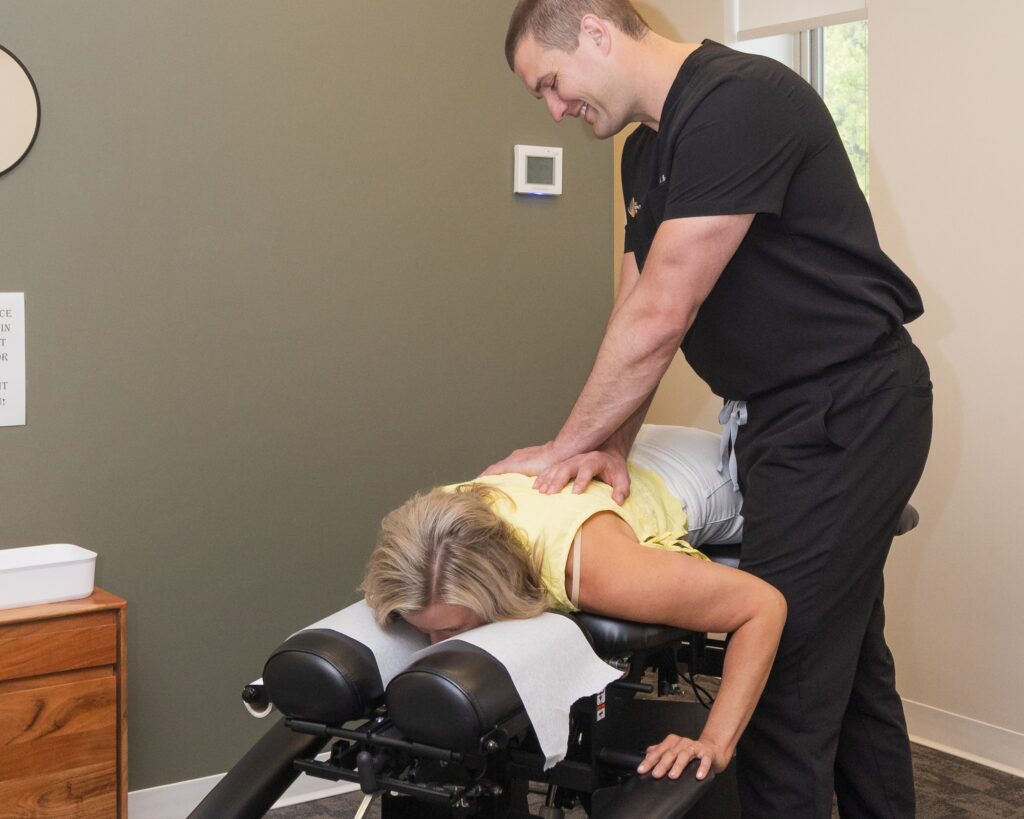
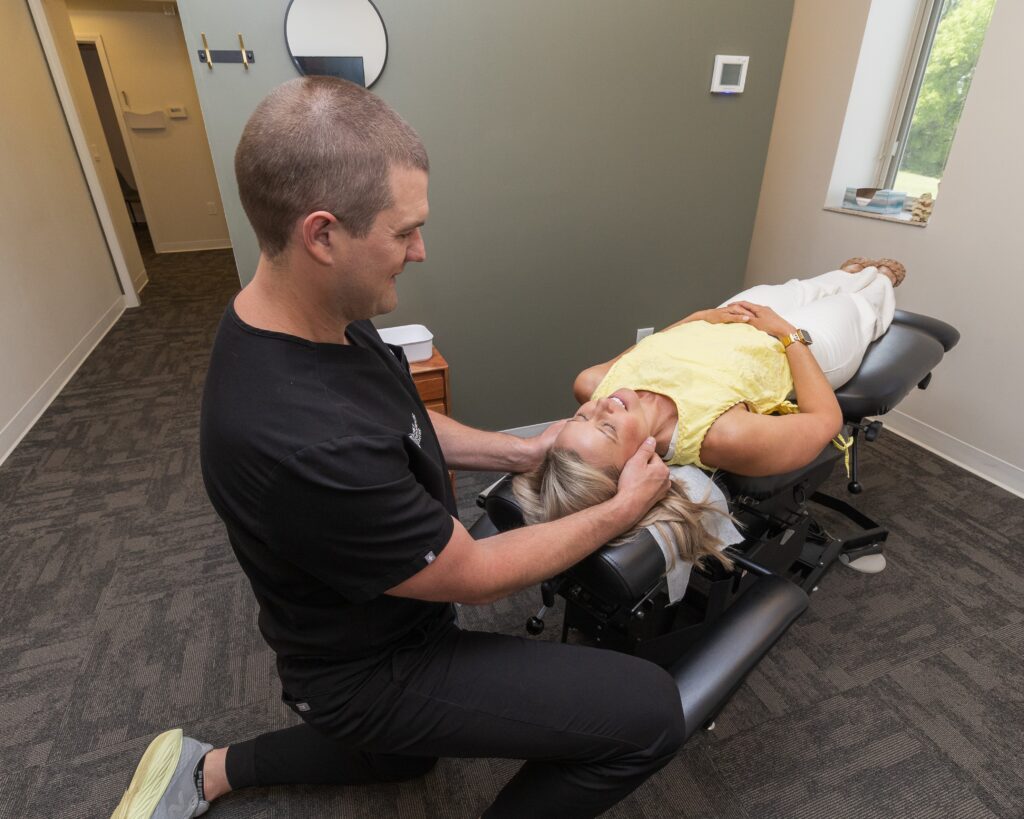
As a chiropractor, I can’t emphasize enough the importance of regular spinal adjustments. These adjustments help realign your spine, relieving pressure on the nerves and promoting better overall health. This isn’t just about pain relief; it’s about enhancing your quality of life.
Here are a few simple tips to support your spinal health and, in turn, your emotional well-being:
- Stay Active: Regular physical activity strengthens your muscles, supports your spine, and helps reduce anxiety. Aim for at least 30 minutes of exercise most days.
- Practice Good Posture: Whether you’re sitting at a desk or standing in line, maintaining good posture can significantly impact your spinal alignment and overall mood.
- Take Breaks: If you find yourself sitting for long periods, take breaks to stretch and move around. This can help prevent tension from building up in your spine.
- Stay Hydrated: Drinking plenty of water is essential for maintaining healthy spinal discs and overall body function.
- Consider Chiropractic Care: Regular visits to your chiropractor can help keep your spine aligned and your nervous system functioning optimally, which can lead to a reduction in anxiety and stress.
By focusing on your spinal health, you can take a proactive step towards better mental wellness. Chiropractic care is a natural, effective way to achieve both pain relief and overall wellness. Embrace the connection between your spine and your mind, and consider making chiropractic care a part of your health routine. Your body and mind will thank you!
Key Takeaways
- Proper spinal alignment plays a crucial role in enhancing nerve function, which can help reduce anxiety and boost your mood by regulating important chemicals in your brain, like serotonin. By ensuring your spine is in alignment, you may find yourself feeling calmer and more balanced emotionally.
- Did you know that slouched posture can contribute to increased feelings of anxiety and stress? On the other hand, sitting or standing up straight can help you feel more confident and at ease. It’s amazing how something as simple as posture can impact how we feel.
- Regular visits to a chiropractor can be a game-changer in relieving tension and lowering stress levels. Chiropractic adjustments can help your body relax, which in turn can have a positive effect on your mental health. It’s a natural, drug-free way to feel better.
- Maintaining good spinal health through practices like proper posture and staying physically active can greatly contribute to your emotional well-being. Small changes in your daily routine can lead to significant improvements in how you handle anxiety.
- Many patients share personal stories about how spinal adjustments have noticeably improved their mood and energy levels. If you’re experiencing anxiety, consider giving chiropractic care a try—it might just help alleviate those feelings and enhance your overall wellness.
By prioritizing your spinal health, you’re taking a proactive step toward achieving optimal health and wellness in your life. Remember, small adjustments can lead to big changes!
The Spine-Mind Connection: Understanding the Basics
Your spine is more important to your mental well-being than you might think. It serves as the protective housing for your spinal cord, which acts as a vital communication pathway for nerve signals between your brain and body. When your spine is properly aligned, it allows for optimal nerve function, which can have a positive impact on your mood and stress levels. Conversely, misalignment can lead to nerve compression, which may cause physical discomfort and contribute to feelings of anxiety or tension.
Your posture plays a significant role in how you feel mentally. If you’re slouched or experiencing discomfort, it can create a feedback loop that increases stress and anxiety. This understanding empowers you to make proactive choices for your health. By prioritizing a healthy spine through good posture and regular movement, you can enhance both your physical health and your mental clarity.
Here are some simple tips you can implement to support your spine and overall well-being:
- Maintain Good Posture: Keep your back straight and shoulders relaxed, especially when sitting for extended periods. Consider using a chair that supports the natural curve of your spine.
- Stay Active: Engage in regular physical activity. Even simple exercises like stretching, walking, or yoga can promote spinal health and help reduce tension.
- Visit Your Chiropractor: Regular chiropractic adjustments can help ensure your spine stays aligned, supporting both your physical and mental health.
- Mind Your Movements: Be conscious of how you lift and carry objects. Use your legs for lifting, not your back, to prevent strain.
- Create a Relaxing Environment: A calm space can help reduce stress. Incorporate elements like plants, soft lighting, and comfortable seating to create a soothing atmosphere.
How Posture Affects Mental Health
Your posture plays a significant role in your mental health and emotional well-being. When you slouch or hunch over, it can lead to feelings of stress and sadness. On the other hand, standing tall not only helps alleviate physical strain but also boosts your confidence and improves your mood. It’s incredible how the way you carry your body can reflect your mental state and, in turn, influence it.
As a chiropractor, I want to emphasize that maintaining proper posture is essential for both your spinal health and your overall wellness. Here’s a quick look at how different postures can impact how you feel:
| Posture Type | Mental Effect |
|---|---|
| Slouched | Increased anxiety, sadness |
| Relaxed | Calmness, reduced stress |
| Upright | Confidence, assertiveness |
| Crossed arms | Defensive, closed-off |
| Open posture | Approachability, positivity |
To help improve your posture and enhance your mental wellness, consider these simple tips:
- Be Mindful of Your Posture: Regularly check in with yourself throughout the day to ensure you are standing or sitting up straight. Think about aligning your ears, shoulders, and hips.
- Strengthen Your Core: Engaging in exercises that strengthen your core can help support your spine and improve your posture. A strong core is key to maintaining good alignment.
- Stretch Regularly: Incorporate stretching into your daily routine to relieve tension in your muscles and promote flexibility. Stretching can help counteract the effects of prolonged sitting.
- Practice Deep Breathing: Deep, intentional breaths not only relax your body but can also help you maintain an open and upright posture.
- Consider Chiropractic Care: Regular visits to a chiropractor can help address any spinal misalignments and improve your posture, leading to better mental health and emotional well-being.
Expert Insights: Chiropractors and Mental Wellness
As a chiropractor, I’m passionate about sharing the vital connection between spinal health and mental wellness. It’s fascinating how proper spinal alignment can greatly influence our emotional states. When your spine is aligned, it’s not just about feeling physically comfortable; it can also lead to an uplifted mood and reduced anxiety levels. At our practice, we emphasize the importance of caring for both your body and mind, advocating for a holistic approach to overall wellness.
Regular chiropractic adjustments can be key in relieving tension, reducing stress, and promoting relaxation. This not only helps you physically but can also clear your mind, making it easier to manage daily stressors. By focusing on spinal health, you may find yourself feeling more balanced emotionally and better equipped to tackle life’s challenges.
Here are a few simple tips to enhance your mental wellness through spinal care:
- Maintain Good Posture: Whether sitting at a desk or standing, keeping your spine aligned can prevent unnecessary strain and promote better mental clarity.
- Stay Active: Incorporate gentle exercises like stretching or walking into your daily routine to keep your spine healthy and reduce stress.
- Practice Relaxation Techniques: Techniques such as deep breathing or mindfulness can complement your chiropractic care by helping to relieve tension.
- Schedule Regular Adjustments: Consistency is key. Regular visits to your chiropractor can help maintain your spinal health and overall well-being.
If you’re interested in enhancing your emotional well-being, I invite you to consult with me for guidance on how chiropractic care can support your journey to optimal health. Together, we can create a plan that prioritizes your spinal health and promotes natural healing for a happier, healthier you.
Scientific Studies Linking Spinal Health to Anxiety Relief
Research increasingly shows that spinal health plays a vital role in relieving anxiety, emphasizing the often-overlooked mind-body connection. As a chiropractor, I want to share how proper spinal alignment can positively impact your mental well-being. Here are some key insights:
- Neurotransmitter Regulation: When your spine is aligned, it helps regulate crucial neurotransmitters like serotonin, which are essential for maintaining a stable mood. This means that keeping your spine healthy can contribute to a happier mindset.
- Stress Response: A well-aligned spine can significantly reduce your body’s stress response. By minimizing stress, you can lower your anxiety levels and feel more at ease throughout your day.
- Pain Reduction: Numerous studies link spinal health to a decrease in chronic pain. Since pain can often lead to heightened anxiety, addressing any spinal issues can be a game-changer for your mental health.
- Improved Breathing: Proper spinal alignment enhances your respiratory function. This improvement allows for better oxygen flow, which promotes relaxation and can help you manage anxiety more effectively.
These findings highlight the importance of maintaining spinal health for overall anxiety management. By focusing on your spinal alignment through chiropractic care, you can open the door to a calmer, more balanced state of mind.
Tips for Maintaining Spinal Health:
- Stay Active: Regular exercise strengthens your back and core, supporting proper alignment.
- Practice Good Posture: Be mindful of your posture while sitting, standing, and walking to reduce strain on your spine.
- Stretch Daily: Incorporate stretches that target the back and neck to keep your spine flexible and healthy.
- Regular Chiropractic Visits: Schedule routine check-ups with your chiropractor to ensure your spine remains aligned and to address any issues before they escalate.
Personal Stories: Transformative Experiences With Spinal Alignment
Many individuals have discovered remarkable improvements in their lives through enhanced spinal alignment. Take, for instance, a friend who once struggled with anxiety, feeling overwhelmed by everyday stressors. After just a few sessions of spinal adjustments, they experienced a noticeable shift in their mood and energy levels. It was as if a heavy burden had been lifted, allowing them to feel lighter both physically and mentally.
Another inspiring story comes from someone who’d battled anxiety for many years. When they began spinal alignment therapy, they realized that their body was retaining tension, which played a significant role in their anxious feelings. Through consistent adjustments, they found not only relief but also greater emotional stability.
These personal experiences underscore the profound connection between spinal health and mental well-being. It’s astonishing how something as fundamental as spinal alignment can lead to transformative changes in how you feel, empowering you to live more fully and with less anxiety.
As a local chiropractor, I encourage you to reflect on your own spinal health and consider its impact on your emotional state. Here are a few tips to enhance your spinal health and overall well-being:
- Stay Active: Engage in regular physical activity. Simple exercises like walking, stretching, and yoga can help keep your spine flexible and strong.
- Practice Good Posture: Be mindful of your posture when sitting, standing, or using electronic devices. Proper alignment can reduce strain on your spine.
- Stay Hydrated: Drinking plenty of water supports spinal disc health and overall bodily function.
- Schedule Regular Adjustments: Consider regular chiropractic adjustments to maintain spinal alignment and support your nervous system, promoting better health and emotional balance.
Conclusion
To sum up, maintaining spinal alignment is vital not just for your physical health but also for your mental well-being. A well-aligned spine supports your nervous system and can significantly reduce tension, helping to ease anxiety and promote a sense of calm. By focusing on good posture, you can create a more balanced state of mind.
As a chiropractor, I encourage you to incorporate mindful movement into your daily routine. Simple practices like stretching, yoga, or even taking short walks can enhance your spinal health. Additionally, seeking care from a chiropractic professional can offer tailored strategies to maintain alignment and improve your overall wellness.
Remember, prioritizing your spinal health could lead you to a clearer path towards emotional balance and a more relaxed state of mind. Listen to your body, and don’t hesitate to reach out for chiropractic care—it’s a natural and effective way to achieve optimal health and well-being.