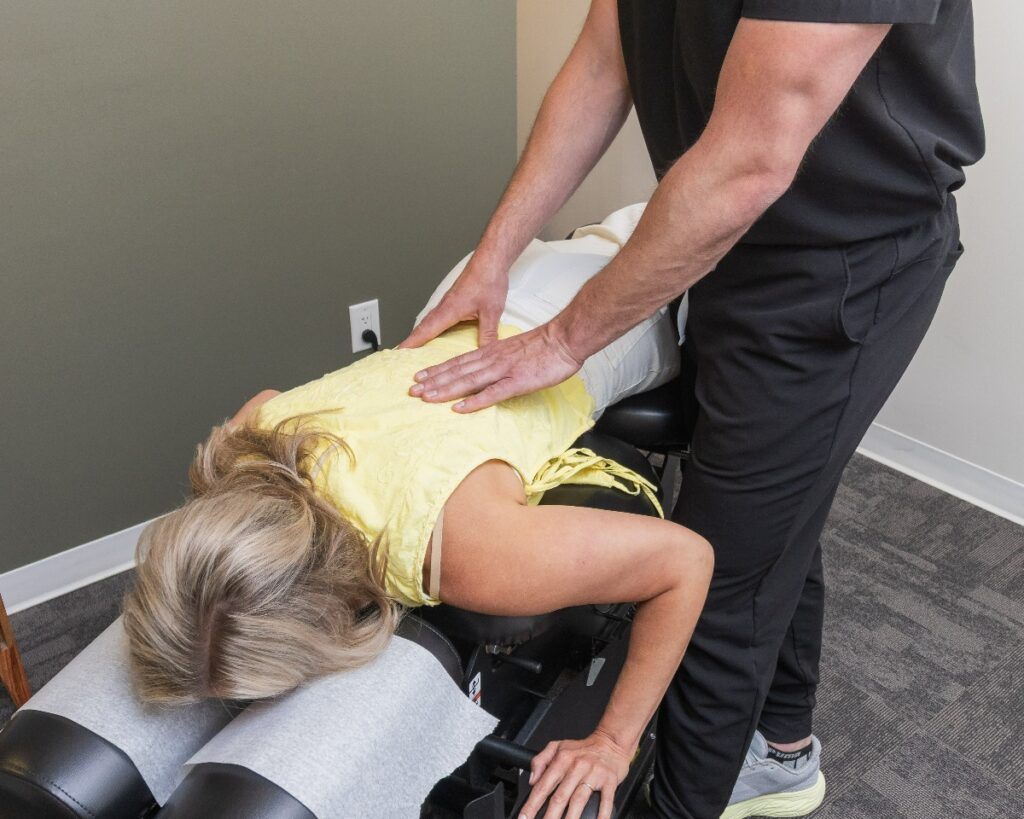

If you’re looking for a natural way to manage anxiety, chiropractic care could be the perfect solution for you. Understanding the connection between spine health and mental well-being can empower you to take meaningful steps toward feeling calmer and more balanced. By choosing the right chiropractor and embracing self-care practices, you can create a personalized plan to address your anxiety.
Here are some helpful tips to consider:
- Find a Trusted Chiropractor: Look for a chiropractor who specializes in anxiety relief and has a solid understanding of how spinal health affects mental wellness. Building a good relationship with your chiropractor can lead to more effective treatment.
- Regular Adjustments: Consistent chiropractic adjustments can help realign your spine, which may improve your nervous system function and reduce anxiety symptoms. Make it a part of your routine for optimal results.
- Posture Awareness: Pay attention to your posture throughout the day. Poor posture can lead to tension and stress, which may exacerbate anxiety. Your chiropractor can provide tips on how to maintain good posture.
- Breathing Exercises: Incorporate deep breathing techniques into your daily routine. This can complement your chiropractic care and help activate your body’s relaxation response.
- Stay Active: Regular physical activity is essential for overall health and can significantly reduce anxiety. Your chiropractor can recommend exercises that are safe and effective for you.
- Nutritional Support: A healthy diet plays a crucial role in mental health. Discuss dietary choices with your chiropractor to ensure you’re fueling your body with the right nutrients.
- Mindfulness Practices: Consider integrating mindfulness practices such as meditation or yoga into your life. These can enhance the benefits of chiropractic care and promote relaxation.
- Hydration is Key: Staying well-hydrated supports overall health and can help keep your body functioning optimally. Make sure you’re drinking enough water throughout the day.
- Sleep Hygiene: Prioritize good sleep habits. Quality sleep is vital for managing anxiety, and your chiropractor can provide tips on creating a restful sleep environment.
- Stay Connected: Don’t hesitate to reach out to your chiropractor with any concerns or questions. Open communication can enhance your treatment experience and ensure you stay on track with your anxiety management.
By embracing these strategies and prioritizing chiropractic care, you can take control of your anxiety and work towards achieving optimal health and wellness. Remember, your spine is the foundation of your overall health, so caring for it is essential for your mental well-being.
Key Takeaways
- Make it a priority to schedule regular chiropractic adjustments. This helps keep your spine aligned, which in turn enhances your nervous system function and can lead to reduced anxiety levels.
- For a more comprehensive approach to anxiety relief, consider combining your chiropractic visits with complementary therapies. Treatments like massage and craniosacral therapy work well alongside chiropractic care to promote overall wellness.
- Pay attention to your posture throughout the day. Good posture not only supports spinal health but also contributes to reducing anxiety. Regular exercise is also essential; it strengthens your back muscles and supports optimal spinal alignment.
- Incorporate simple breathing exercises into your daily routine. These can help calm your nervous system and boost the benefits you experience from chiropractic care.
- Openly discuss your anxiety concerns with your chiropractor. This communication allows us to tailor your treatment plan specifically to improve your emotional balance and overall wellness.
Chiropractic care is an excellent choice for those seeking natural ways to achieve optimal health and well-being. By focusing on spinal health and integrating these simple practices into your life, you can work towards a more balanced and anxiety-free existence.
Understand the Connection Between Spine Health and Anxiety
When you think about your overall health, you mightn’t immediately connect your spine with your emotional well-being, but these two are closely linked. Your spine is home to the central nervous system, which is essential for how your body handles stress and anxiety. When your spine is out of alignment or restricted, it can disrupt the signals sent through your nerves, leading to increased tension and feelings of anxiety.
If you’re experiencing discomfort in your back or neck, it can amplify your stress, creating a challenging cycle that may seem difficult to escape. This is where chiropractic care comes into play. By ensuring your spine is properly aligned, we can help restore the natural flow of nerve signals, alleviating tension and promoting a sense of calm.
Here are some simple tips to help you maintain your spine health and potentially reduce anxiety:
- Stay Active: Regular exercise can strengthen your back muscles and improve your posture, which supports spinal health. Activities like walking, yoga, or swimming are great choices.
- Practice Good Posture: Be mindful of how you sit and stand throughout the day. Keeping your back straight and your shoulders back can help prevent strain on your spine.
- Manage Stress: Incorporate relaxation techniques into your daily routine, such as deep breathing, meditation, or gentle stretching. These practices can help ease both physical and mental tension.
- Regular Chiropractic Visits: Schedule routine check-ups with your chiropractor. Regular adjustments can help keep your spine aligned, reduce discomfort, and support your overall health.
- Listen to Your Body: If you feel pain or discomfort, don’t ignore it. Consult with your chiropractor to address any issues before they escalate.
Choose the Right Chiropractor for Your Needs
Choosing the right chiropractor is crucial for your journey towards managing anxiety and achieving optimal spine health. Here are some important factors to consider to ensure you find the best fit for your needs:
- Credentials: It’s important to check the qualifications of your chiropractor. Look for someone who’s a solid educational background and specializes in chiropractic care.
- Experience: Seek out a chiropractor who’s experience in treating anxiety and related conditions. Their expertise can make a significant difference in your treatment journey.
- Techniques: Familiarize yourself with the chiropractic techniques they employ. Make sure their methods resonate with your preferences and comfort level.
- Reviews: Take the time to read patient testimonials or ask friends and family for recommendations. Positive feedback can give you confidence in your choice.
- Comfort Level: Trust your instincts when it comes to comfort. Building a good rapport with your chiropractor is vital for effective treatment and healing.
By considering these factors, you can select a chiropractor who aligns with your unique health needs. Remember, chiropractic care focuses on not only your physical well-being but also acknowledges the mental aspects of anxiety.
This holistic approach can enhance your journey towards relief and overall wellness.
As you seek relief, here are some general tips to keep in mind:
- Stay Active: Regular physical activity can help reduce anxiety and improve spine health. Simple exercises or stretches can make a big difference.
- Practice Good Posture: Maintaining proper posture can alleviate unnecessary strain on your spine and contribute to a healthier nervous system.
- Mindfulness and Relaxation Techniques: Incorporating mindfulness practices, like deep breathing or meditation, can complement your chiropractic care and help manage anxiety.
- Stay Hydrated and Nourished: Proper nutrition and hydration can support your body’s healing processes and enhance your overall health.
- Communicate Openly: Be open with your chiropractor about your symptoms and concerns. This will help them tailor a treatment plan that’s right for you.
Embracing chiropractic care can be a powerful step towards achieving natural wellness and pain relief. Your journey to better health starts with the right support!
Incorporate Regular Chiropractic Adjustments Into Your Routine
Incorporating regular chiropractic adjustments into your lifestyle can significantly boost your overall well-being and help manage anxiety. By making it a habit to visit your chiropractor consistently, you can keep your spine aligned, which in turn supports better nervous system function. This alignment not only eases physical discomfort but also plays a crucial role in reducing stress levels.
During your visits, don’t hesitate to share your concerns about anxiety with your chiropractor. They can customize your treatment to meet your individual needs, creating a more focused and effective approach. Many patients find that regular adjustments lead to better sleep quality and increased energy levels, both of which are vital for effectively managing anxiety.
To seamlessly integrate chiropractic care into your routine, consider setting reminders for your appointments or pairing them with other self-care activities, like meditation or yoga. Consistency is essential, so find a schedule that feels right for you. By prioritizing these adjustments, you’re taking important steps toward achieving a healthier, more balanced life.
Explore Different Chiropractic Techniques for Anxiety Relief
When it comes to managing anxiety, chiropractic techniques can offer a natural and effective pathway to improved mental health. By focusing on your spine and overall wellness, these methods promote a sense of calm and balance. Here are some chiropractic techniques that may help alleviate anxiety:
- Spinal Adjustments: By realigning the spine, we enhance the function of your nervous system, which can reduce stress and anxiety levels. This technique aims to restore proper communication between your brain and body, helping you feel more at ease.
- Craniosacral Therapy: This gentle approach involves manipulating the skull and spine to release tension and promote relaxation. It can help alleviate physical manifestations of stress, allowing your mind to relax.
- Massage Therapy: Incorporating various massage styles can significantly reduce muscle tension and promote relaxation. Regular massage not only helps your physical body but also calms your mind, making it a great complement to chiropractic care.
- Activator Technique: This technique uses a handheld instrument to apply gentle pressure to specific points on your body. It’s a comfortable way to make adjustments that can help improve your overall sense of well-being.
- Neuro Emotional Technique (NET): This innovative approach addresses emotional blockages that may be linked to physical discomfort. By clearing these blockages, NET can help you feel more emotionally balanced and reduce anxiety.
Each of these techniques works towards reducing anxiety and enhancing your overall health. If you’re looking for a natural way to feel more balanced and centered, consider consulting with your chiropractor. They can help identify the approach that suits you best.
Tips for Managing Anxiety with Chiropractic Care:
- Stay consistent with your chiropractic visits to maintain optimal spinal health.
- Combine chiropractic care with regular physical activity to further reduce anxiety.
- Practice good posture and ergonomic habits in your daily life to alleviate physical stress.
- Consider incorporating relaxation techniques, such as deep breathing or meditation, to complement your chiropractic treatments.
Chiropractic care stands out as a powerful option for achieving not just pain relief, but also overall wellness. Embrace this holistic approach to improve your mental and physical health naturally!
Combine Chiropractic Care With Breathing Exercises
Incorporating breathing exercises into your chiropractic care can significantly enhance your journey toward natural wellness and pain relief. These exercises help calm your nervous system, making your chiropractic adjustments more effective. By focusing on your breath, you activate the relaxation response, which can counteract feelings of anxiety and tension.
One simple technique you can try is deep diaphragmatic breathing. Inhale slowly through your nose, allowing your abdomen to expand fully. Then, exhale gently through your mouth. This process not only helps reduce stress but also increases oxygen flow throughout your body, supporting its natural healing capabilities.
Consider practicing these breathing exercises before or after your chiropractic sessions. This combination can help you become more attuned to your body’s needs and foster a deeper connection with your chiropractic treatment.
Additionally, making breathing exercises a regular part of your daily routine can cultivate a sense of calm and help you manage anxiety more effectively. When combined with regular chiropractic care, these techniques can empower you to reclaim your peace of mind and enhance your overall well-being.
Utilize Chiropractic Care to Improve Sleep Quality
Improving your sleep quality can significantly impact your overall health and well-being, especially when it comes to managing anxiety. As a local chiropractor, I want to share how chiropractic care can be a powerful ally in your journey to better sleep. Regular chiropractic adjustments can help restore balance to your body, making it easier for you to achieve deeper, more restful sleep.
Here are some ways chiropractic care can enhance your sleep:
- Reduce Tension: Muscle tightness can keep you awake at night. By alleviating this tension through gentle adjustments, you can relax more easily before bedtime.
- Enhance Circulation: Chiropractic care improves blood flow, which helps deliver oxygen more effectively to your brain and body. This can lead to a calmer state, conducive to sleep.
- Regulate the Nervous System: Adjustments help balance your autonomic nervous system, which plays a key role in relaxation. When your nervous system is in harmony, it’s easier to unwind and drift off to sleep.
- Decrease Pain: Chronic pain can be a major barrier to a good night’s sleep. By addressing the root causes of pain, chiropractic care can help reduce sleep disruptions and increase your comfort.
- Promote Relaxation: The overall benefits of chiropractic adjustments work together to calm your mind and body, making it easier for you to fall asleep and stay asleep.
Incorporating chiropractic care into your wellness routine can pave the way for improved sleep and, in turn, lower anxiety levels. Remember, a well-aligned spine is essential for optimal health.
Along with chiropractic adjustments, consider adopting a calming bedtime routine, such as reading or practicing deep breathing exercises, to further enhance your sleep quality. By prioritizing natural healing methods like chiropractic care, you’re taking a significant step towards a healthier, happier life.
Address Posture Issues Through Chiropractic Treatments
Your posture is crucial for your overall health, and as a local chiropractor, I want to emphasize how chiropractic care can enhance your spinal alignment. When your spine is properly aligned, you’ll likely notice improvements in your breathing, which can help reduce anxiety and promote a sense of calm.
By addressing posture issues through chiropractic adjustments, you can experience a more balanced mind and body. Proper spinal alignment not only alleviates discomfort but also supports your body’s natural ability to heal itself.
Here are some simple tips to improve your posture at home:
- Be Mindful of Your Sitting Position: When sitting at a desk, keep your feet flat on the ground and your back straight. Consider using a chair that supports your lower back.
- Strengthen Your Core: Engaging in exercises that strengthen your core muscles can help support your spine and maintain good posture.
- Take Regular Breaks: If you’re sitting for long periods, take breaks to stand up, stretch, and move around. This will help reduce tension and keep your spine healthy.
- Sleep Right: Ensure your mattress and pillows provide adequate support. Sleeping on your back or side with proper spinal alignment can make a significant difference.
- Stay Active: Regular physical activity can promote better posture by keeping your muscles strong and flexible.
Improve Spinal Alignment
Chiropractic care is a powerful tool for enhancing spinal alignment, which is essential for maintaining good posture and overall well-being. Poor posture can lead to stress and discomfort, but when your spine is aligned, you’ll likely feel more relaxed and centered.
Here are some simple yet effective ways chiropractic care can help improve your posture and support your journey to better health:
- Regular adjustments ensure your spine stays in alignment, which can significantly reduce tension and discomfort.
- Personalized exercises are designed to strengthen your core, providing the support your spine needs to maintain its natural position.
- Ergonomic tips can help you set up a healthier workspace, making it easier to sit and work comfortably without straining your back.
- Gentle stretching routines can enhance your flexibility, helping to alleviate stiffness and promote easier movement throughout your day.
- Education on body mechanics empowers you to move correctly, reducing the risk of injury and strain in your everyday activities.
Enhance Breathing Techniques
Proper spinal alignment is essential for good posture and plays a significant role in enhancing your breathing techniques. When your spine is aligned correctly, your rib cage can expand fully, which allows for deeper, more refreshing breaths. This deeper breathing not only makes you feel more relaxed but also helps to reduce feelings of anxiety.
Chiropractic adjustments are a natural and effective way to address any misalignments in your spine that could be impacting your posture and, consequently, your lung capacity. By prioritizing your spinal health through regular chiropractic care, you can improve your overall well-being and enjoy the benefits of better breathing.
To further enhance your breathing, consider incorporating deep breathing exercises into your daily routine. Focus on inhaling deeply through your nose and exhaling through your mouth, all while maintaining a straight posture. This practice, combined with proper spinal alignment from chiropractic care, can significantly reduce anxiety and promote a sense of calm.
Consider Nutritional Support Alongside Chiropractic Care
When looking for relief from anxiety, combining nutritional support with chiropractic care can significantly boost the effectiveness of your treatment. Chiropractic care is designed to help your body function at its best, and nutrition is a vital piece of that puzzle. By focusing on a balanced diet, you can empower your body to better manage stress and anxiety.
Here are some simple nutritional tips to consider that align well with your chiropractic journey:
- Omega-3 Fatty Acids: Include foods like fish, flaxseeds, and walnuts in your diet. These healthy fats are known to help reduce anxiety symptoms and promote a healthy brain function.
- Magnesium-Rich Foods: Foods such as leafy greens, nuts, and whole grains are great for supporting nerve function. Magnesium can help soothe your nervous system, making it easier for you to cope with stress.
- Antioxidant-Rich Fruits: Berries, oranges, and spinach are packed with antioxidants that fight oxidative stress, which is often linked to anxiety. Including these in your meals can help support overall wellness.
- Stay Hydrated: Water is essential for keeping your body functioning optimally. Aim to drink plenty throughout the day to support your overall health.
- Limit Caffeine and Sugar: Both can ramp up anxiety levels, so it’s wise to consume them in moderation. Instead, opt for herbal teas or natural sweeteners for a healthier choice.
Stay Consistent With Follow-Up Appointments
Regularly attending your follow-up appointments is crucial for getting the most out of your chiropractic care. These sessions are your opportunity to allow your chiropractor to evaluate your progress and make any necessary adjustments to your treatment plan. Skipping appointments can slow your recovery and decrease the effectiveness of the natural healing techniques we use.
By sticking to a consistent schedule, you create a beneficial routine that helps ease anxiety and stress. This routine also strengthens your relationship with your chiropractor, which fosters open communication about your symptoms and any concerns you may have. Together, we can ensure you’re on the right path toward optimal health and wellness.
Make it a priority to attend every follow-up appointment. If your schedule gets hectic, consider setting reminders on your phone or marking them on your calendar. Staying consistent not only enhances your chiropractic experience but also supports your overall well-being. Remember, your journey toward improved health is a partnership—fully commit to it for the best results.
Here are a few tips to help you stay on track:
- Schedule Your Appointments Ahead: Make a habit of scheduling your follow-up appointments at the end of each visit.
- Create a Reminder System: Use your phone, calendar, or planner to set reminders a day before each appointment.
- Keep a Journal: Document your progress and any changes you notice in your body. This can be shared during your appointments and will help you stay engaged in your healing process.
- Be Open with Your Chiropractor: Share your symptoms and concerns honestly. This collaboration is key to your success in achieving pain relief and improved health.
Embrace the chiropractic approach to wellness, and together we’ll work toward a healthier, pain-free life!
Monitor Your Progress and Adjust as Necessary
After attending your follow-up appointments, the next step is to actively monitor your progress and make adjustments as necessary. This process helps you understand how your body responds to chiropractic care and allows you to maximize its benefits for anxiety relief and overall wellness.
Here are some effective ways to track your progress and enhance your chiropractic journey:
- Keep a journal: Write down your symptoms, mood, and any changes you notice. This will help you and your chiropractor see patterns and make the right adjustments to your treatment.
- Set specific goals: Think about what you want to achieve with chiropractic care. Whether it’s reducing anxiety, improving your sleep quality, or enhancing your overall well-being, having clear goals will help guide your progress.
- Communicate with your chiropractor: Share your observations during your appointments. Open communication is key to tailoring your chiropractic plan to best suit your needs.
- Evaluate your lifestyle: Look at your diet, exercise routine, and stress management techniques. These factors can significantly impact your anxiety levels and overall health. Consider incorporating more whole foods, regular physical activity, and relaxation techniques into your daily routine.
- Be open to change: If something isn’t working, don’t hesitate to adjust your approach. Chiropractic care is highly personalized, and sometimes small changes can lead to big improvements.
By actively monitoring your progress and staying engaged in your chiropractic care, you can unlock the full potential of natural healing and achieve optimal health.
Conclusion
Integrating chiropractic care into your daily routine is a powerful way to manage anxiety and promote overall wellness. By prioritizing your spinal health, you can enhance your body’s natural ability to heal and function optimally. Regular adjustments not only help align your spine but also improve your nervous system function, which is crucial for managing stress and anxiety.
Here are some simple yet effective strategies to incorporate chiropractic care into your journey toward a calmer life:
- Stay Consistent with Adjustments: Committing to regular chiropractic visits allows you to maintain spinal alignment and prevent tension that can contribute to anxiety.
- Communicate Openly with Your Chiropractor: Share your feelings and concerns with your chiropractor. This open dialogue helps tailor your care to address anxiety specifically.
- Practice Good Posture: Focus on maintaining good posture throughout the day. This can alleviate physical tension that may exacerbate anxiety and improve your overall mood.
- Incorporate Breathing Techniques: Deep breathing exercises can calm your nervous system. Try taking a few minutes each day to practice deep, slow breaths.
- Adopt a Nutritious Diet: Fuel your body with wholesome foods that nourish your system. A balanced diet can have a positive impact on your mood and energy levels.
- Track Your Progress: Keep a journal of your experiences with chiropractic care and any changes in your anxiety levels. This can help you and your chiropractor make necessary adjustments to your care plan.
- Stay Active: Engage in regular physical activity to release endorphins, which can boost your mood and reduce anxiety.
- Explore Relaxation Techniques: Consider incorporating yoga or meditation into your routine to complement your chiropractic visits and enhance your relaxation.
- Stay Hydrated: Drinking plenty of water is essential for overall health and can support your body in managing stress.
- Focus on a Holistic Approach: Embrace a well-rounded approach to health that includes chiropractic care, self-care strategies, and lifestyle changes for optimal wellness.
By focusing on these tips and consistently incorporating chiropractic care into your life, you can cultivate a sense of calm and balance. Remember, you’re not just treating the symptoms of anxiety; you’re addressing the root causes and supporting your body’s natural healing processes. Embrace this journey towards a healthier, more peaceful life!