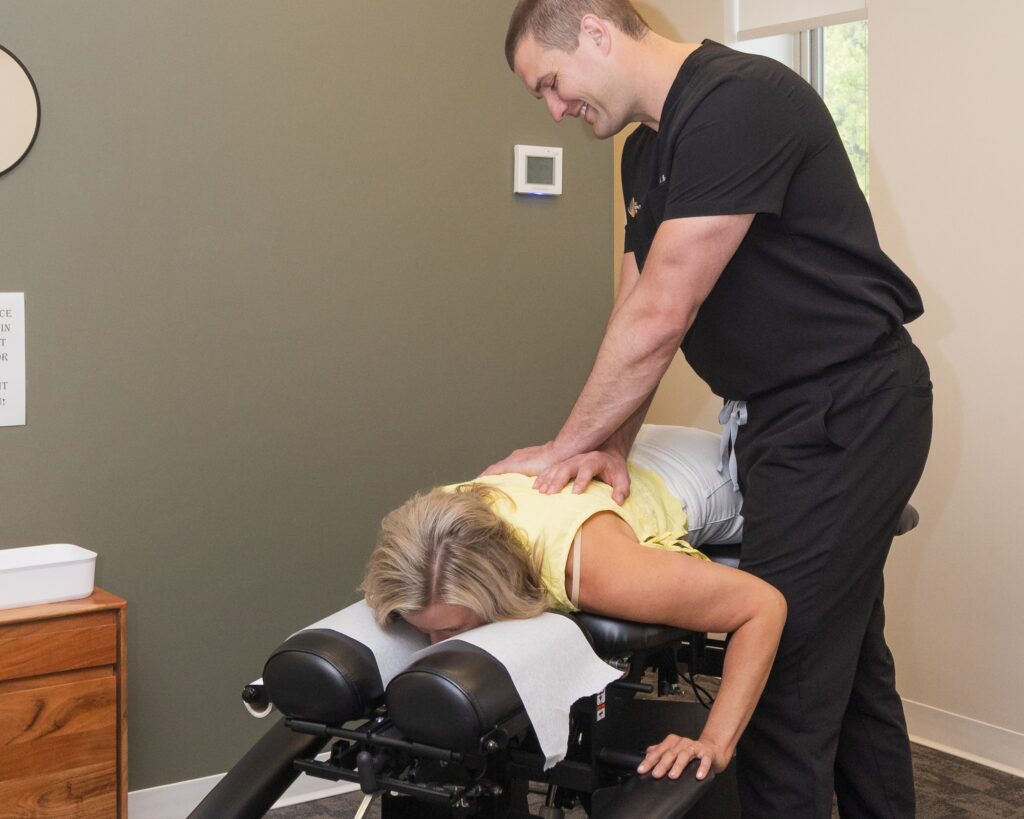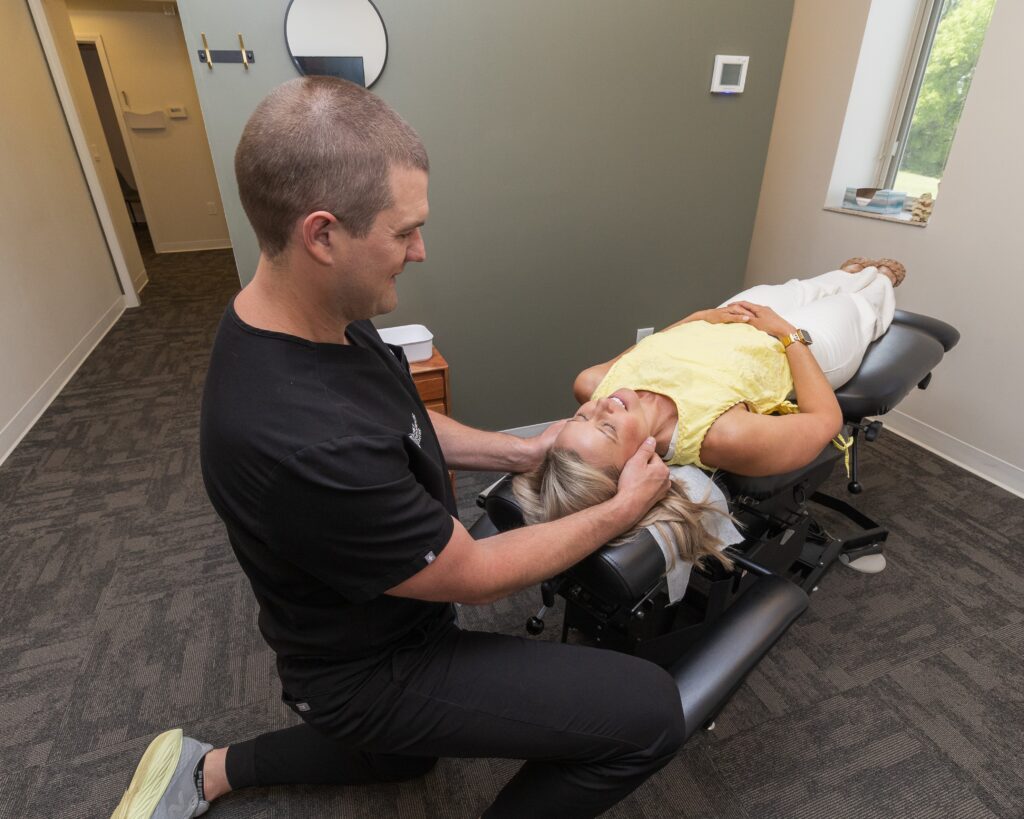

Improving your flexibility goes beyond just stretching—it’s a comprehensive approach that involves various techniques and lifestyle changes, with chiropractic care at the forefront. By integrating targeted stretching, strength training, and regular visits to your chiropractor, you can significantly enhance your range of motion while reducing discomfort.
So, how can you create a routine that effectively supports your flexibility goals? Here are some essential strategies to help you achieve long-lasting mobility and comfort, all while prioritizing your natural wellness through chiropractic care:
- Regular Chiropractic Adjustments: Consistent chiropractic care can help align your spine and improve your overall mobility. When your spine is in proper alignment, your muscles and joints work more efficiently, allowing for better flexibility.
- Targeted Stretching: Incorporate stretches that focus on the major muscle groups, particularly those that tend to be tight, such as the hamstrings, hip flexors, and shoulders. Hold each stretch for at least 20-30 seconds, and remember to breathe deeply to enhance relaxation.
- Strength Training: Building strength in your muscles can support your joints and improve flexibility. Focus on low-impact exercises that promote stability, such as bodyweight squats or resistance band exercises.
- Stay Hydrated: Drinking plenty of water is essential for muscle health. Hydration helps maintain elasticity in your muscles and joints, making it easier to stretch and move.
- Listen to Your Body: Pay attention to how your body feels during stretching and exercise. If you experience pain, it may be a sign that you need to adjust your routine or consult your chiropractor for guidance.
- Incorporate Movement into Your Day: Simple activities like walking, climbing stairs, or even doing household chores can help keep your body active and flexible.
- Consult with Your Chiropractor: Your chiropractor can provide personalized advice on exercises and stretches that suit your specific needs and goals, ensuring you stay on the path toward optimal health.
By embracing these strategies and prioritizing chiropractic care, you can not only improve your flexibility but also enhance your overall well-being. Remember, flexibility is key to a healthy lifestyle—so take the first step today!
Key Takeaways
- To enhance your flexibility and ease muscle tension, aim to incorporate a stretching routine into your week at least three times. Simple stretches can be done at home and are a great way to help your body feel more relaxed and limber.
- For best results, try dynamic stretches during your warm-ups before activities, and follow up with static stretches afterward. This approach not only improves flexibility but also helps prevent injuries by preparing your muscles for action and calming them down afterward.
- Strength training is another key to improving flexibility. By building up your muscles, you can enhance their elasticity, making it easier to stretch and move freely. Remember, stronger muscles support better overall flexibility.
- Regular visits to your chiropractor can also play a significant role in maintaining your body’s flexibility. Chiropractic care focuses on spinal alignment, which is crucial for preventing stiffness and reducing the risk of injuries, allowing you to move with greater ease.
- Don’t forget to stay hydrated! Drinking enough water is essential for your muscles and joints to function well. Proper hydration supports muscle function and helps keep your joints lubricated, which is vital for optimal flexibility.
By integrating these practices, especially chiropractic care, you can naturally improve your flexibility and overall health without the need for surgeries or medications. Your body will thank you!
Understanding Flexibility and Its Benefits
Flexibility isn’t just about reaching for your toes; it’s a vital aspect of your overall health and well-being. As a chiropractor, I want to emphasize that improving your flexibility can significantly enhance your range of motion, making everyday activities easier and more comfortable. This increase in flexibility can also help reduce your risk of injuries, as your muscles and joints become more resilient and adaptable.
When you work on your flexibility, you may also notice improvements in your posture, which can alleviate back pain and discomfort. Proper alignment is essential for spinal health, and enhanced flexibility allows your body to move freely and correctly, supporting your spine’s natural curves.
Moreover, flexibility plays an important role in athletic performance. As you become more flexible, you’ll find that you can move more efficiently and effectively in your favorite sports or physical activities. This is especially important for maintaining a healthy lifestyle and staying active without pain.
Beyond the physical benefits, engaging in flexibility-promoting activities, such as yoga or gentle stretching, can also have a positive impact on your mental health. These practices often lead to relaxation and stress relief, which are essential components of overall wellness.
To incorporate flexibility into your routine, consider simple strategies like daily stretching, using foam rollers, or practicing deep breathing techniques. These not only aid in flexibility but also promote spinal health and overall wellness.
The Role of Stretching in Flexibility Enhancement
While many people underestimate the importance of stretching, it’s one of the most effective ways to enhance flexibility and support overall spinal health.
Regular stretching can provide significant benefits for your mobility, performance, and even your posture. Not only does it help improve your range of motion, but it also plays a crucial role in preventing injuries and reducing muscle tension.
Here are some key aspects of stretching that can enhance your flexibility and promote wellness:
- Increases Blood Flow: Stretching boosts circulation to your muscles, which aids in faster recovery after physical activities. This can be particularly beneficial if you’re experiencing tightness or discomfort in your back.
- Lengthens Muscle Fibers: By stretching, you help lengthen muscle fibers, which can lead to better movement patterns and more fluid motion in your daily activities. This is especially important for maintaining spinal alignment and preventing strain.
- Improves Posture: Regular stretching can enhance your posture by loosening tight muscles that may be pulling your spine out of alignment. Good posture not only alleviates discomfort but also supports overall spinal health.
- Enhances Athletic Performance: If you engage in physical activities, incorporating stretching can make those activities feel easier and more enjoyable. A flexible body is less likely to suffer from injuries, allowing you to stay active longer.
- Boosts Mental Relaxation: Stretching isn’t just beneficial for your body; it can also promote mental relaxation. Taking a few moments to stretch can help you feel more centered and reduce stress, contributing to your overall well-being.
As a chiropractor, I encourage you to incorporate stretching into your daily routine as a natural and effective way to enhance your flexibility and support your spine.
Here are some simple tips to get you started:
- Start Slowly: If you’re new to stretching, begin with gentle stretches and gradually increase the intensity as your body adapts.
- Consistency is Key: Aim to stretch at least a few times a week. Consistency is essential for seeing improvements in flexibility.
- Listen to Your Body: Pay attention to how your body responds to stretching. If you feel pain, ease off and adjust your technique.
- Focus on Major Muscle Groups: Target areas that are commonly tight, such as your hamstrings, hip flexors, and back muscles, to help improve your overall flexibility.
- Combine with Chiropractic Care: Consider regular chiropractic adjustments to complement your stretching routine. This holistic approach can help align your spine and enhance your flexibility further.
By prioritizing stretching and chiropractic care, you can take significant steps toward achieving optimal health and wellness.
Incorporating Yoga Into Your Routine
Incorporating yoga into your routine can be a wonderful way to enhance flexibility and support your overall well-being, especially when combined with chiropractic care. Just a few minutes of yoga each day can make a significant difference in your body’s range of motion, allowing you to feel more comfortable and agile in your daily activities.
Begin with gentle poses like Downward-Facing Dog or Cat-Cow to stretch and awaken your muscles. These movements can also complement the benefits of chiropractic adjustments by improving spinal alignment and mobility. As you grow more comfortable, consider progressing to poses like Warrior II or Tree pose, which not only enhance flexibility but also build strength and balance—key components in maintaining a healthy spine.
To truly benefit from yoga, aim to practice at least three times a week. This consistency won’t only enhance your flexibility but also allow your body to adapt and respond positively to chiropractic care. You might also find it helpful to join a class or follow online sessions to keep your motivation high and learn new techniques.
Remember to listen to your body; never push yourself into pain. Chiropractic care works best when your body is in harmony, and yoga can help create that balance. With regular practice, you’ll notice that your flexibility improves, making everyday activities easier and more enjoyable.
Embrace this journey of self-care and healing, and watch as both your body and mind transform for the better. By incorporating yoga into your routine alongside chiropractic care, you’re taking a proactive step towards achieving optimal health and wellness.
Strength Training for Improved Flexibility
Strength training isn’t just about building muscle; it can also play a significant role in enhancing your flexibility. As a chiropractor, I want to emphasize that incorporating effective stretching techniques into your strength training routine can improve both your strength and your range of motion. This combination not only supports muscle growth but also helps maintain a healthy spine, which is essential for overall wellness.
When you engage in strength training, it can lead to tighter muscles if not balanced with proper stretching. This is where chiropractic care comes in. Regular chiropractic adjustments can help ensure that your spine is aligned, allowing your muscles to function optimally and promoting better flexibility. By maintaining spinal health, you can enhance your body’s natural ability to stretch and move freely.
Here are some general tips to help you improve your flexibility while supporting your overall health:
- Incorporate Stretching: After your strength training sessions, dedicate time to stretching the muscles you’ve worked. This can help prevent muscle tightness and increase your range of motion.
- Stay Hydrated: Drinking plenty of water supports muscle function and helps keep your joints lubricated, which is essential for flexibility.
- Focus on Core Strength: A strong core supports your spine and helps maintain proper posture, which can improve your flexibility and reduce the risk of injury.
- Regular Chiropractic Visits: Make chiropractic care a part of your wellness routine. Regular adjustments can help keep your spine in alignment, allowing for better movement and flexibility.
- Listen to Your Body: Pay attention to how your body feels during and after workouts. If you experience discomfort or tightness, consider consulting with a chiropractor to address any underlying issues.
Benefits of Strength Training
Releasing your flexibility isn’t just about stretching; it can also be significantly improved through strength training. By adding strength exercises to your routine, you’re not only building muscle but also enhancing your overall flexibility, which can lead to better spinal health.
Here are some benefits of strength training, particularly when combined with chiropractic care:
- Increases Muscle Elasticity: Strength training helps improve the elasticity of your muscles, allowing for a greater range of motion. This is crucial for maintaining a healthy spine and preventing stiffness.
- Strengthens Stabilizing Muscles: By targeting the muscles that support your spine, strength training reduces the risk of injury and can alleviate pain. Strong stabilizing muscles are essential for good posture and spinal alignment.
- Enhances Posture: Proper strength training can improve your posture, which is vital for optimal spinal health. Good posture minimizes strain on your back and helps keep your spine aligned.
- Supports Dynamic Movements: A strong body can handle dynamic movements better, which is important for everyday activities. This not only makes daily tasks easier but also reduces the likelihood of injuries.
- Boosts Functional Fitness: Strength training contributes to overall functional fitness, making it easier for you to perform daily activities comfortably and efficiently.
Combining strength training with regular chiropractic care can enhance your flexibility and improve your overall well-being. As you engage in strength exercises, you’ll likely notice smoother, more fluid movements, which can greatly benefit your daily life.
Remember, incorporating strength training into your routine is just one aspect of achieving optimal health. Make sure to consult with your chiropractor to develop a comprehensive plan tailored to your needs. They can guide you on the best exercises to complement your treatment and help you on your journey to natural healing and wellness.
Embrace the power of strength training along with chiropractic care for a healthier, more active lifestyle!
Effective Stretching Techniques
As a local chiropractor, I want to emphasize the importance of effective stretching techniques in achieving optimal health and wellness, especially when combined with chiropractic care. Strength training is fantastic for building muscle, but adding stretching into your routine can greatly enhance your flexibility and overall well-being.
To begin, I recommend incorporating dynamic stretches into your warm-up before workouts. Simple movements like leg swings and arm circles can prepare your muscles and joints for activity, making them less prone to injury. After your sessions, focus on static stretches, holding each position for 15-30 seconds. Be sure to target major muscle groups such as your hamstrings, quadriceps, and shoulders.
Foam rolling is also a great way to release muscle tightness and improve blood flow, which can complement the benefits you receive from chiropractic adjustments. Remember to breathe deeply during your stretches; this helps relax your body and can enhance the effectiveness of your routine.
Consistency is key! Aim to stretch at least three times a week. By integrating these stretching techniques with regular chiropractic care, you’ll likely notice significant improvements in your flexibility, pain relief, and overall performance. Your journey to a healthier lifestyle is supported by both chiropractic adjustments and effective stretching, helping you achieve the best version of yourself.
The Importance of Hydration and Nutrition
While stretching and exercises are important for improving your flexibility, it’s essential not to overlook the significant roles that hydration and nutrition play in your overall health and wellness. Proper hydration keeps your joints lubricated and your muscles functioning optimally, which can help reduce the risk of injuries. Similarly, nutrition provides your body with the vital nutrients it needs for muscle recovery and flexibility.
As a chiropractor, I want to emphasize that maintaining a balanced approach to hydration and nutrition can enhance your chiropractic care, leading to better outcomes in pain relief and overall wellness. Here are some practical hydration and nutrition tips to support your health and flexibility:
- Stay Hydrated: Make it a habit to drink water throughout the day. This simple practice is crucial for keeping your body functioning well.
- Add Fruits and Vegetables: These foods are packed with vitamins and minerals that support muscle health and overall body function. Think of colorful options like berries, leafy greens, and bell peppers.
- Choose Lean Proteins: Incorporating lean proteins into your meals can aid in muscle repair and growth. Options like chicken, fish, beans, and legumes are excellent choices.
- Include Healthy Fats: Foods rich in healthy fats, such as avocados, nuts, and olive oil, can help reduce inflammation and promote joint health, which is beneficial for your spine and overall mobility.
- Limit Processed Foods: Reducing your intake of processed foods can help you avoid unnecessary additives that might interfere with your health and wellness goals.
Techniques for Mental Flexibility
To thrive in a constantly changing world, developing mental flexibility is essential for navigating challenges and adapting to new situations. Just as maintaining a healthy spine is crucial for overall well-being, a flexible mindset can enhance your ability to cope with life’s ups and downs. Start by embracing a growth mindset; believe that you can learn and improve, much like how regular chiropractic adjustments can help improve your body’s function over time.
When you encounter obstacles, try to view them as opportunities for growth rather than setbacks. This approach is similar to how chiropractic care addresses the root causes of discomfort, helping you to see challenges as a chance to better understand your body and mind. Practicing mindfulness can also be beneficial; by staying present and aware of your thoughts and emotions, you can respond thoughtfully rather than react impulsively, leading to better overall health.
Engage in diverse activities that challenge your usual thinking patterns—just as you might try new exercises to strengthen your spine, consider taking up a new hobby or reading about unfamiliar topics to stimulate your mind. This variety can enhance your mental flexibility and broaden your perspective, much like chiropractic care helps you see things from a new angle in terms of your health.
Seeking feedback from others can offer fresh viewpoints that may reveal blind spots in your understanding, similar to how a chiropractor can provide insights into your posture and movement patterns. Finally, maintaining a positive attitude towards change can significantly improve your resilience. Just as accepting that spinal health is a lifelong journey can motivate you to stay proactive, recognizing that change is a natural part of life will open you up to different possibilities.
Creating a Consistent Flexibility Routine
To enhance your flexibility and overall wellness, it’s essential to set specific goals that will guide your journey. Incorporating daily stretching into your routine not only fosters commitment but also supports your body’s natural healing processes. Regular stretching can alleviate tension and promote spinal health, which is crucial for overall well-being.
As a chiropractor, I encourage you to consider how your flexibility impacts your spine and overall health. A flexible body reduces the risk of injury and helps maintain proper alignment, allowing your nervous system to function optimally. Let’s discuss how to create a flexible schedule for your stretching routine that fits seamlessly into your daily life.
- Start Small: Aim for just 5-10 minutes of stretching each day. This manageable goal keeps you consistent without feeling overwhelmed.
- Listen to Your Body: Pay attention to how your body feels during stretching. If you experience pain, ease back. Your body knows best, and gentle stretches can lead to significant improvements over time.
- Focus on Your Spine: Incorporate stretches that promote spinal flexibility, such as gentle twists and side bends. This practice can help alleviate back pain and improve your overall posture.
- Stay Committed: Set aside a specific time each day for stretching, making it a non-negotiable part of your routine. Whether it’s in the morning, during your lunch break, or before bed, consistency is key.
- Engage Your Core: While stretching, remember to engage your core muscles. A strong core supports your spine and enhances your flexibility.
- Consider Chiropractic Care: Regular visits to a chiropractor can significantly enhance your flexibility by addressing any underlying spinal issues. Chiropractic adjustments can help restore proper alignment, allowing for better movement and flexibility.
Setting Clear Goals
Establishing clear goals is vital for creating a consistent flexibility routine that promotes overall wellness and supports your spinal health. When you define what you want to achieve, it becomes easier to stay committed and track your progress toward optimal health. Consider setting specific, measurable, and realistic objectives to guide your practice.
Here are some effective goal-setting tips that align with maintaining a healthy spine and enhancing your natural flexibility:
- Assess your current flexibility level and identify areas where you want to improve. This can help you understand how your spine and muscles are functioning together.
- Set achievable milestones, such as gradually increasing your reach in specific stretches or holding positions longer to promote better alignment and muscle health.
- Schedule regular check-ins to assess your progress. This is a great opportunity to reflect on how your flexibility routine is supporting your overall well-being and spinal health.
- Don’t hesitate to adjust your goals as you advance. Keeping your routine challenging helps your body adapt and improves your flexibility, which can alleviate tension and discomfort.
- Celebrate small victories along the way! Recognizing your progress keeps you motivated and reinforces the importance of maintaining a healthy, flexible body.
Incorporating Daily Stretching
Daily stretching is a vital component of a consistent flexibility routine that can significantly enhance your overall health and well-being. As a chiropractor, I encourage you to dedicate just 10 to 15 minutes each day to this practice. Choose a time that fits your schedule—whether it’s in the morning to energize your muscles or in the evening to help you relax and unwind.
When stretching, it’s beneficial to focus on major muscle groups, such as your hamstrings, hips, and shoulders. Incorporating both static and dynamic stretches can improve your range of motion, which is crucial for maintaining a healthy spine. Remember, always listen to your body; stretching should feel good, not painful. Pushing too hard can lead to injury, which is why gentle movements are key.
Consistency is vital in developing this healthy habit. To help you stay on track, consider keeping a stretching log or setting reminders on your phone. This won’t only encourage you to stick with it but also allow you to track your progress over time.
Conclusion
Incorporating chiropractic care into your daily routine can significantly enhance your flexibility and overall well-being. By focusing on gentle adjustments, targeted stretching techniques, and guidance on proper nutrition, chiropractic care helps improve your range of motion and alleviate discomfort. Staying hydrated and practicing mindfulness can further support your healing process and enhance your mobility.
Consistency is essential—regular chiropractic visits and a commitment to your wellness routine will lead to long-term benefits for your body. Remember, your spine plays a crucial role in your overall health, and keeping it aligned can make a world of difference in how you feel every day.
Start your journey towards improved flexibility and mobility today by consulting with your local chiropractor. You’ll be amazed at how chiropractic care can transform your everyday life, making you feel more agile and pain-free!