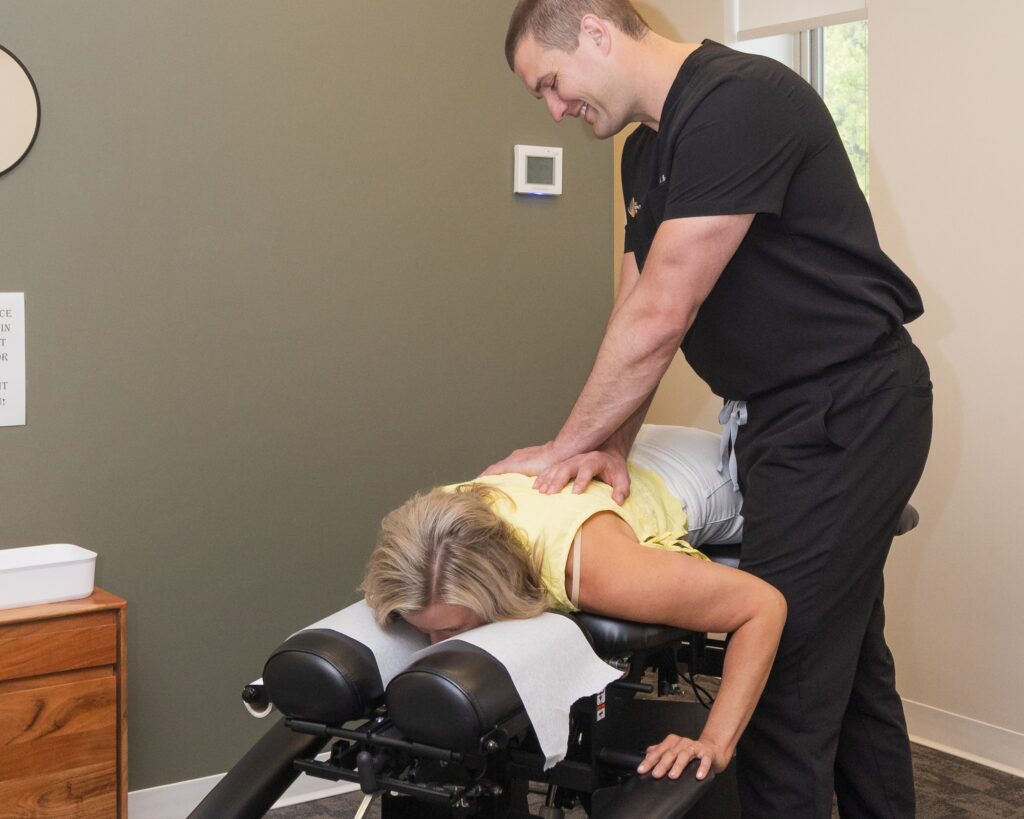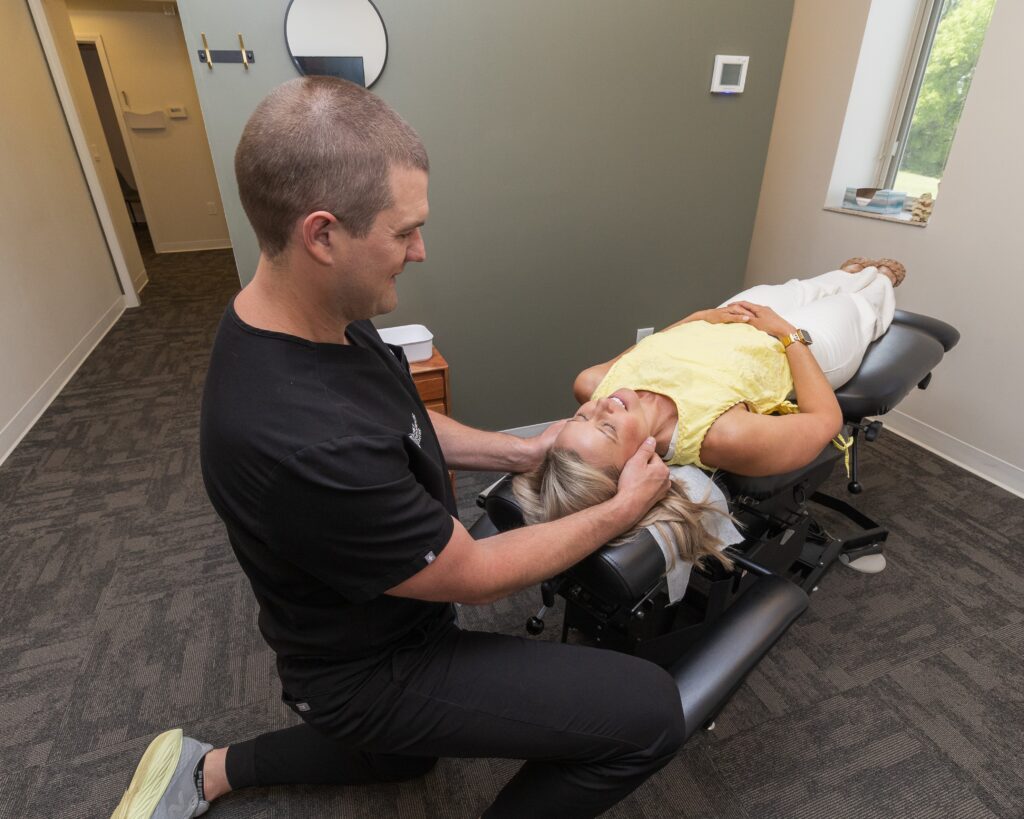

Have you ever noticed how your body feels when you’re stressed or anxious? The truth is that spinal care can significantly enhance your emotional well-being by addressing the physical aspects of stress. When your spine is aligned correctly, it can help reduce pain and tension, allowing your mood to improve and your mind to feel clearer.
But what exactly happens in your body to create this positive change? When your spine is misaligned, it can lead to discomfort that affects your overall mood and emotional state. By receiving chiropractic adjustments, you can restore proper alignment, which helps your nervous system function optimally. This connection between your spine and emotions is vital to understand, as it paves the way for natural healing.
Here are a few tips to keep in mind for better spinal health and emotional well-being:
- Stay Active: Engage in regular physical activity to keep your spine strong and flexible. Simple exercises like walking, stretching, and yoga can do wonders.
- Mind Your Posture: Pay attention to how you sit and stand. Good posture not only supports your spine but can also improve your mood.
- Manage Stress: Incorporate relaxation techniques such as deep breathing, meditation, or gentle stretches to help reduce stress levels.
- Stay Hydrated: Drinking enough water is essential for keeping your body, including your spine, healthy and functioning well.
- Schedule Regular Check-ups: Regular visits to your chiropractor can help maintain spinal alignment and prevent issues before they arise.
By choosing chiropractic care, you are opting for a natural and effective approach to not only relieve pain but also enhance your emotional well-being. Embrace this pathway to healing, and you may find that a healthy spine leads to a happier, more balanced life.
Key Takeaways
- When your spine is properly aligned, it helps reduce pressure on your nerves, which can enhance the way your nervous system functions. This improvement can lead to better emotional stability, making you feel more balanced and at ease.
- Chiropractic adjustments are a fantastic way to alleviate pain. When you’re not in pain, it’s easier to relax and manage stress, which can significantly enhance your emotional well-being.
- Regular visits to your chiropractor can also improve your sleep quality. A good night’s sleep is crucial for keeping your emotions balanced and supporting your mental health.
- Taking care of your spine can improve your posture, which in turn can boost your self-esteem and confidence. Feeling good about how you carry yourself can positively influence your social interactions and overall emotional state.
- Combining chiropractic adjustments with mind-body techniques, such as deep breathing or meditation, can promote relaxation and mindfulness, which are great for supporting your emotional health.
Incorporating these tips into your routine can help you achieve a more balanced emotional state and highlight the importance of chiropractic care as a natural and effective path to overall wellness. Remember, prioritizing your spinal health is a key step toward feeling your best!
The Anatomy of the Spine and Its Role in Overall Health
The spine, often called the backbone, is a crucial component of your overall health. It not only supports your body but also protects your spinal cord, which is essential for sending signals between your brain and the rest of your body. Made up of 33 vertebrae, your spine provides the structure and flexibility you need to stand tall, bend, and twist with ease. Each vertebra is cushioned by discs, which absorb shock and help you move smoothly.
Maintaining proper alignment of the spine is vital for optimal health. When your spine is in alignment, your body functions better, allowing for improved mobility and reducing the risk of discomfort. A healthy spine ensures that the nerves branching from your spinal cord can transmit signals freely, promoting effective communication within your nervous system.
If you’re experiencing pain or limited mobility, it’s important to consider how your spinal health may be affecting your well-being. Poor spinal health can lead to a range of issues, including discomfort and even organ dysfunction. This is where chiropractic care comes into play. Chiropractic adjustments can help restore proper alignment to your spine, alleviating pain and enhancing your overall quality of life.
Here are some simple tips to help you care for your spine and promote better health:
- Practice Good Posture: Whether you’re sitting at a desk or standing, maintaining good posture can help prevent strain on your spine. Keep your shoulders back and your head aligned over your spine.
- Stay Active: Regular exercise strengthens the muscles that support your spine. Activities like walking, swimming, or yoga can enhance flexibility and reduce tension.
- Use Ergonomic Furniture: Invest in ergonomic chairs and desks that support your spine while you work or relax at home.
- Stretch Regularly: Incorporate stretching into your daily routine to keep your muscles flexible and reduce stiffness in your back.
- Consider Regular Chiropractic Care: Regular visits to a chiropractor can help maintain spinal alignment and promote overall wellness. They can provide personalized adjustments and advice tailored to your needs.
How Spinal Misalignment Affects Mood and Emotions
When your spine is misaligned, it can significantly affect not only your physical well-being but also your mood and emotions. Many people may not realize that spinal misalignment can disrupt the nervous system, which is crucial for regulating how we feel emotionally. Here’s how it can influence your emotional state and some tips on how chiropractic care can help:
- Increased Stress: A misaligned spine can lead to physical discomfort, which can elevate your stress levels. Regular chiropractic adjustments can help realign your spine, reducing discomfort and promoting relaxation.
- Anxiety: When pressure builds up on your nerves due to misalignment, it can lead to feelings of anxiety, making you feel more irritable and restless. Chiropractic care works to relieve this pressure, helping to calm your nervous system and reduce anxiety.
- Fatigue: Poor spinal alignment can drain your energy, making you feel tired and down. By receiving consistent chiropractic care, you can improve your posture and spinal health, which can boost your energy levels and lift your spirits.
- Depressed Mood: Chronic discomfort from misalignment can create a cycle of negative emotions, affecting your overall mental health. Chiropractic adjustments not only alleviate pain but also enhance your overall sense of well-being, helping to combat feelings of sadness and promote a more positive outlook.
General Tips for Healthier Living:
- Stay Active: Regular physical activity can help maintain a healthy spine and improve your mood.
- Practice Good Posture: Being mindful of your posture throughout the day can prevent misalignment and reduce physical stress.
- Manage Stress: Incorporate relaxation techniques such as deep breathing or meditation into your routine to support mental well-being.
Chiropractic care is an excellent way to achieve optimal health naturally. By focusing on spinal alignment, you can enhance both your physical health and emotional well-being, paving the way for a happier, healthier life.
The Connection Between Chronic Pain and Mental Health
Chronic pain often goes hand in hand with mental health challenges, impacting your emotional state and overall quality of life. Living with persistent discomfort can be exhausting and may lead to feelings of frustration, anxiety, or even depression. This ongoing struggle creates a cycle where emotional distress can make your physical symptoms worse, making it even tougher to cope.
As pain lingers, you may find that your mood swings or irritability increase, affecting your relationships and daily activities. Additionally, the isolation that frequently accompanies chronic pain can deepen feelings of sadness or loneliness. It’s important to recognize this connection; by addressing your physical pain through natural methods like chiropractic care, you may also improve your mental well-being.
Chiropractic care focuses on aligning your spine and improving your overall body function, which can relieve pain and enhance your quality of life. When your body is in balance, you’re better equipped to handle stress and emotional challenges. Here are some tips to help manage chronic pain and support your mental health:
- Stay Active: Gentle movement, like walking or stretching, can help alleviate pain and boost your mood. Talk to your chiropractor about exercises that are safe and effective for you.
- Practice Mindfulness: Techniques such as meditation or deep breathing can help calm your mind and reduce stress, which may ease your pain.
- Prioritize Sleep: Quality rest is essential for healing. Establish a calming bedtime routine to help you relax and get the restorative sleep your body needs.
- Eat Well: A balanced diet rich in nutrients can support your overall health. Foods high in anti-inflammatory properties, like fruits, vegetables, and healthy fats, may help reduce pain.
- Seek Support: Connecting with friends, family, or support groups can help combat feelings of isolation and provide encouragement on your healing journey.
The Impact of Posture on Emotional Well-Being
Your posture plays a significant role in your mood and emotional well-being. Did you know that standing tall can boost your confidence and energy levels, while slumping can lead to feelings of sadness or fatigue? This connection between posture and emotions is an important aspect of overall health.
As a local chiropractor, I want to emphasize the importance of maintaining a healthy spine and posture. When your spine is aligned properly, it not only improves your physical health but also enhances your emotional state. By focusing on your body language and making small adjustments to your posture, you can foster a more positive mindset and improve your overall well-being.
Here are some simple tips to help you maintain good posture and support your emotional health:
- Practice Good Posture: Be mindful of how you sit and stand. Keep your shoulders back, head up, and spine straight. This not only helps you look more confident but can also make you feel better emotionally.
- Take Breaks: If you work at a desk, take regular breaks to stretch and move around. This can help relieve tension in your spine and boost your mood.
- Stay Active: Regular exercise strengthens your core muscles and supports your spine, which is essential for maintaining good posture. Activities like yoga or Pilates can also improve your awareness of body alignment.
- Visit Your Chiropractor: Regular chiropractic care can help keep your spine aligned, reduce pain, and improve your overall health. A well-aligned spine can lead to better posture and, in turn, a more positive emotional state.
Posture and Mood Connection
As a local chiropractor, I want to share some insights about how your posture can significantly impact your mood and overall well-being.
It may surprise you, but the way you hold your body plays a crucial role in how you feel mentally and emotionally.
By adopting a positive posture, you can enhance your emotional health, and chiropractic care can help you achieve that.
Here’s how good posture connects with your mood:
1. Boost Your Confidence: Standing tall not only improves your physical alignment but also enhances your self-esteem, making you feel more empowered.
Regular chiropractic adjustments can help maintain a strong, upright posture.
2. Increase Your Energy: An open posture allows for better oxygen flow throughout your body, helping you feel more alert and engaged.
Chiropractic care can address any spinal misalignments that may be hindering your energy levels.
3. Relieve Stress: Good posture reduces tension in your body, leading to less anxiety and stress.
Chiropractic adjustments can alleviate muscle tightness and spinal pressure, promoting relaxation.
4. Enhance Connections: A positive posture can improve how you interact with others, which is vital for your social support system.
When you’re feeling good physically, it shows in your demeanor, making social engagements more enjoyable.
To support your posture and mood, here are some simple tips you can incorporate into your daily routine:
– Practice Mindful Sitting: When sitting, ensure your back is straight, shoulders relaxed, and feet flat on the floor.
This promotes better spinal health and comfort.
– Take Regular Breaks: If you’re sitting for long periods, get up every hour to stretch and move around.
This helps maintain good posture and keeps your energy up.
- Strengthen Your Core: Focus on exercises that strengthen your core muscles, as a strong core supports better posture.
- Schedule Regular Chiropractic Visits: Regular adjustments can help keep your spine aligned, ensuring you maintain good posture and overall wellness.
By focusing on your posture, you can positively influence your mood and emotional state.
Body Language Effects
Posture plays a crucial role not only in how you feel but also in how others perceive you, and it’s closely tied to your spinal health. When you stand tall or sit up straight, you project confidence and openness, which can enhance your interactions with others and boost your emotional well-being. This is where chiropractic care comes into play; maintaining a healthy spine can help you achieve that ideal posture.
On the flip side, slouching or hunching can indicate insecurity or negativity. Poor posture can lead to discomfort and pain, affecting both your self-image and how others view you. By focusing on your posture and seeking chiropractic adjustments, you can alleviate tension in your spine and muscles, helping you to stand and sit more confidently.
Adjusting your posture can actively shift your mood and the energy in a room. Chiropractic care not only addresses pain relief but also promotes overall wellness by ensuring your spine is aligned.
Benefits of Chiropractic Care for Emotional Balance
Chiropractic care goes beyond just relieving physical pain; it can significantly enhance your emotional well-being. By focusing on spinal alignment and optimizing nervous system function, chiropractic adjustments can help elevate your mood and support emotional health. Here are some fantastic benefits you might notice:
- Stress Relief: Regular chiropractic adjustments can help lower cortisol levels in your body, leading to a more relaxed and calm state of mind. This can help you better manage daily stresses.
- Better Sleep: When your spine is aligned properly, it can improve your sleep quality. Good sleep is essential for maintaining emotional balance and overall mental clarity.
- Mood Enhancement: Chiropractic care can stimulate the release of endorphins, which are natural mood lifters. This may lead to an increased sense of happiness and well-being.
- Boosted Energy Levels: With reduced pain and discomfort, you’re likely to feel more energetic and motivated. This can lead to a more active lifestyle, which further contributes to emotional health.
By incorporating chiropractic care into your regular wellness routine, you can take a significant step toward achieving not just relief from pain, but also emotional balance and overall wellness.
Tips for Optimal Benefits:
- Schedule regular chiropractic visits to maintain spinal health.
- Practice stress-reducing techniques such as deep breathing or meditation.
- Ensure you’re getting enough quality sleep each night.
- Stay active with gentle exercises or stretches to keep your body moving and your mind clear.
Choosing chiropractic care is a natural and effective way to support both your physical and emotional health. Remember, your spine is the foundation of your overall wellness, so taking care of it’s crucial!
Mind-Body Techniques to Support Spinal Health
To enhance your spinal health, incorporating mind-body techniques can significantly benefit you. Breathing exercises, meditation, and yoga not only support your spine but also promote emotional balance, which is essential for overall well-being. By integrating these practices into your daily routine, you can strengthen the connection between your mind and body, leading to a healthier lifestyle.
As a chiropractor, I want to emphasize that maintaining a healthy spine is crucial for pain relief and natural wellness. Chiropractic care focuses on aligning the spine to improve nerve function and overall health. When you combine chiropractic adjustments with mind-body techniques, you create a powerful approach to healing and wellness.
Here are some simple tips to help you improve your spinal health:
- Practice Deep Breathing: Spend a few minutes each day focusing on your breath. Deep breathing can reduce stress and tension in your back muscles, promoting relaxation and better spinal alignment.
- Incorporate Gentle Yoga: Look for beginner-friendly yoga classes or online videos that focus on stretching and strengthening the back. Poses like Child’s Pose and Cat-Cow can be particularly beneficial for spinal health.
- Meditate Regularly: Set aside a few minutes each day to meditate. This can help reduce stress and improve your mental clarity, which can translate into better posture and spinal alignment.
- Stay Active: Regular physical activity is essential for a healthy spine. Simple activities like walking or swimming can keep your body moving and your spine happy.
- Schedule Regular Chiropractic Visits: Regular adjustments can help maintain spinal alignment and prevent discomfort. Your chiropractor can also provide personalized advice on exercises and stretches that support your spine.
Breathing Exercises Benefits
Breathing exercises are powerful tools for enhancing your spinal health, promoting relaxation, and alleviating tension.
By integrating these exercises into your daily routine, you can experience a variety of benefits that complement chiropractic care, specifically:
- Improved Posture: Practicing proper breathing mechanics can help you maintain better spinal alignment, which is essential for overall health. Good posture not only supports your spine but also contributes to your body’s natural ability to heal.
- Reduced Muscle Tension: Focused breathing helps to relax tight muscles surrounding your spine. By releasing this tension, you can enhance your comfort and mobility, making it easier to engage in activities you love.
- Enhanced Circulation: Deep, intentional breathing promotes the flow of oxygen-rich blood throughout your body. This improved circulation supports spinal health and aids the healing process, making it a perfect complement to chiropractic adjustments.
- Stress Relief: Engaging in deep breathing exercises signals your body to relax, which can significantly lower stress levels. Since stress can negatively affect your spine, finding ways to manage it through breathing can help you maintain a healthy spine.
General Tips and Tricks:
- Try taking a few moments each day to practice deep breathing. Inhale slowly through your nose, letting your abdomen expand, then exhale gently through your mouth.
- Pair your breathing exercises with gentle stretches to further release tension in your spine.
- Consider setting aside time each day for mindfulness or meditation, focusing on your breath to enhance relaxation.
- Always remember that chiropractic care is a holistic approach that works hand in hand with these natural techniques to promote optimal health and wellness.
Meditation for Spinal Health
Incorporating meditation into your daily routine can significantly boost your spinal health while complementing the benefits of chiropractic care. When you meditate, you become more aware of your posture and alignment, which can help relieve tension in your spine. This awareness is essential, as many of us develop habits that may lead to discomfort or pain. By practicing mindfulness, you can reduce stress, a common culprit behind muscle tightness that often affects the spine.
Regular meditation promotes relaxation, which is crucial for maintaining a healthy spine. As you cultivate a calmer state of mind, you may notice less tightness in your back and neck, allowing your chiropractic adjustments to be more effective. Moreover, meditation enhances body awareness, helping you recognize and correct any harmful habits that could contribute to spinal issues over time.
In addition to these physical benefits, meditation fosters emotional resilience, which can further improve your overall well-being. A balanced emotional state often leads to better physical health, making meditation a powerful ally in your journey toward wellness.
To support your spinal health through meditation, consider these simple tips:
- Start Small: Dedicate just a few minutes each day to sit quietly and focus on your breath. Gradually increase the time as you become more comfortable.
- Posture Counts: While meditating, pay attention to your posture. Sit up straight, aligning your spine, which reinforces the benefits of your chiropractic care.
- Combine with Chiropractic Care: Schedule regular visits to your chiropractor to ensure your spine is properly aligned, and use meditation as a complementary practice for lasting relief.
- Mindful Movement: Incorporate gentle stretches or yoga into your meditation practice to further enhance flexibility and support spinal alignment.
Yoga for Emotional Balance
Practicing yoga can be a valuable complement to chiropractic care, helping you achieve emotional balance while also supporting your spinal health. By incorporating specific poses and breathing techniques, you can enhance your emotional well-being and strengthen your spine.
Here are four key benefits of yoga for emotional balance, along with how chiropractic care plays a crucial role in your overall wellness journey:
- Stress Reduction: Yoga promotes relaxation, which is essential for managing stress effectively. Regular chiropractic adjustments can also help reduce physical tension in your body, making it easier to relax and enjoy your yoga practice.
- Increased Awareness: Mindful practices in yoga improve your connection to your body and emotions. When paired with chiropractic care, which helps align your spine and nervous system, you can gain an even deeper understanding of how your body feels and functions.
- Enhanced Mood: Regular yoga practice can boost serotonin levels, lifting your spirits. Chiropractic care complements this by addressing any physical discomfort that might affect your mood, allowing you to fully enjoy the benefits of your yoga sessions.
- Improved Posture: Stronger spinal alignment from both yoga and chiropractic adjustments leads to greater confidence and emotional stability. Good posture not only supports your spine but also positively impacts how you feel about yourself.
Embrace yoga as a holistic approach to support your spine and cultivate a healthier emotional state, but remember that chiropractic care is your best ally in achieving optimal health. By focusing on both your physical and emotional well-being, you’ll find that both your body and mind thrive through these practices.
Here are a few tips to integrate into your routine:
- Combine Practices: Try doing gentle yoga stretches after your chiropractic adjustments to enhance the benefits.
- Stay Mindful: Pay attention to your body during both yoga and chiropractic sessions; awareness is key to understanding your health.
- Listen to Your Body: If something doesn’t feel right during yoga, consult your chiropractor for guidance on how to proceed safely.
Lifestyle Changes for a Healthier Spine and Mind
As a local chiropractor, I want to share how your daily choices can greatly influence both your spinal health and emotional well-being. By making simple lifestyle adjustments, you can experience significant benefits.
First and foremost, incorporating regular physical activity into your routine is crucial. Even taking short walks can help strengthen your back and lift your mood. Movement is your spine’s best friend! Also, pay close attention to your posture throughout the day. Whether you’re sitting at a desk or using your phone, maintaining good alignment can prevent unnecessary strain and discomfort.
Nutrition is another key player in your spine health. A balanced diet that includes plenty of anti-inflammatory foods—think colorful fruits, fresh vegetables, and whole grains—can do wonders for your body. Don’t forget to drink enough water, as staying hydrated is vital for keeping your spinal discs healthy and functioning well.
Prioritizing quality sleep is essential for both recovery and emotional balance. Establishing a calming bedtime routine can help you achieve better sleep, which in turn supports your overall health.
Remember, chiropractic care is an excellent way to address any spinal discomfort you may be experiencing. Regular adjustments can help align your spine and improve your body’s natural healing processes.
Conclusion
Incorporating spinal care into your daily routine can significantly boost your emotional well-being. As a local chiropractor, I want to emphasize that addressing misalignments and relieving pain through chiropractic adjustments not only helps you feel physically better, but it can also lead to improvements in your mood and resilience.
Practices like posture correction and gentle movements are essential for supporting your mental health. A healthy spine is closely linked to a healthy mind, so prioritizing spinal care is key for achieving a balanced, happier life. Here are a few simple tips you can incorporate into your routine:
- Practice Good Posture: Whether sitting or standing, keep your spine aligned. Consider using ergonomic furniture if you spend long hours sitting.
- Stay Active: Engage in gentle exercises like walking or stretching regularly. Movement helps keep your spine healthy and can lift your spirits.
- Mindful Breathing: Take a moment each day to focus on your breathing. Deep, mindful breaths can reduce stress and improve your overall mood.
- Regular Chiropractic Visits: Schedule regular check-ups with your chiropractor. Consistent care can help maintain spinal health and prevent issues before they arise.
You deserve to feel your best, both physically and emotionally. By choosing chiropractic care, you can achieve optimal health naturally, without the need for surgeries or medications. Let’s work together to create a healthier, happier you!