
You might not realize it, but your posture plays a crucial role in your overall health and well-being. Poor alignment can lead to discomfort, fatigue, and even a dip in your confidence. As a local chiropractor, I want to emphasize that understanding common posture problems and making simple adjustments can vastly improve your quality of life.
By focusing on your posture, you can relieve tension, reduce pain, and promote a healthier spine – which is fundamental to your overall health. Have you ever wondered how to assess your posture or what exercises can help? Let’s explore some effective strategies that can get you on the right track toward optimal health.
First, take a moment to assess your posture when standing and sitting. Are your shoulders rounded? Is your head leaning forward? These are common issues that can lead to discomfort over time. Simple adjustments, like sitting up straight and keeping your feet flat on the floor, can make a big difference.
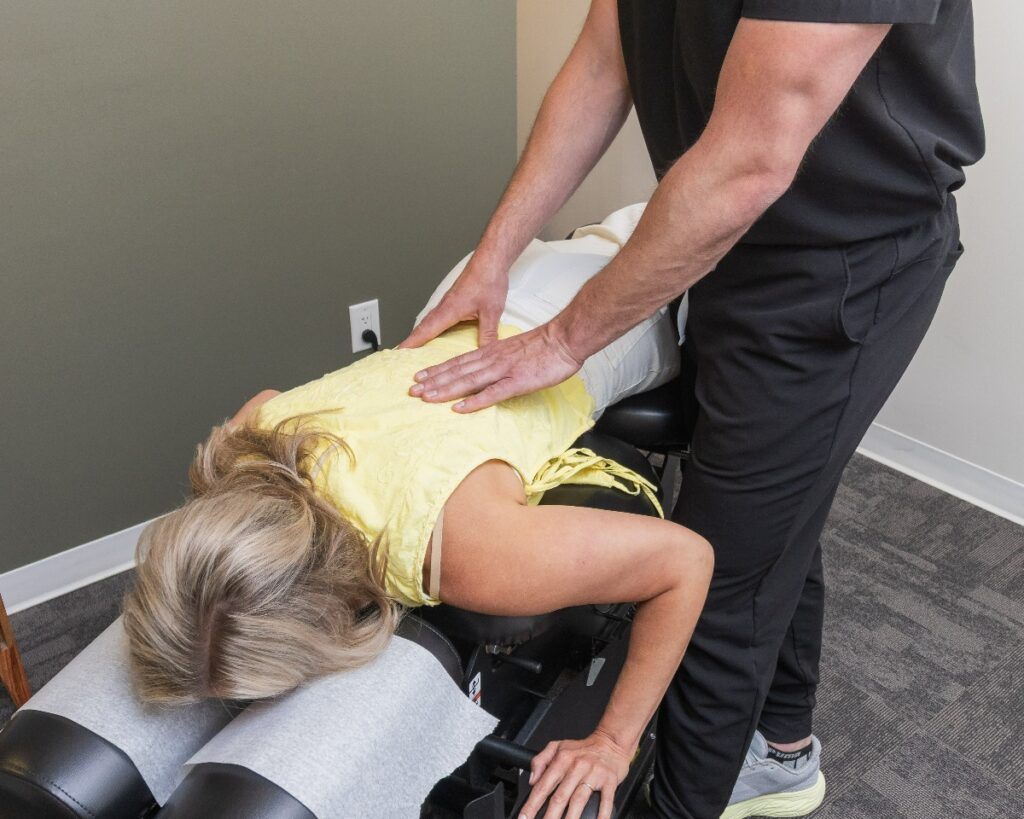
Incorporating regular chiropractic care into your routine can help address these posture issues at their source. Chiropractic adjustments can realign your spine, alleviate pain, and enhance your body’s natural healing abilities.
Additionally, here are some practical tips you can easily implement:
- Take Breaks: If you sit for long periods, stand up and stretch every 30 minutes to prevent stiffness and promote better alignment.
- Strengthen Your Core: Engaging in exercises that strengthen your core muscles can provide better support for your spine.
- Mind Your Ergonomics: Ensure your workspace is set up to support good posture. Your computer screen should be at eye level, and your chair should provide proper lumbar support.
- Stay Active: Regular physical activity can help keep your muscles strong and your joints flexible, making it easier to maintain good posture.
By focusing on these strategies and making chiropractic care a part of your wellness journey, you can achieve better posture and overall health. Remember, a healthy spine is a foundation for a healthy life!
Key Takeaways
- To maintain proper alignment, regularly check the position of your head, shoulders, and spine. This simple practice can significantly reduce strain and discomfort, helping you feel your best.
- Strengthening your core is essential for supporting your spine and improving your posture. Incorporate exercises like planks and bridges into your routine to build a strong foundation for your health.
- Make ergonomic adjustments in your workspace to promote optimal alignment. Ensure your chair and monitor are set up correctly; this can make a world of difference in your comfort and overall well-being.
- Practicing mindfulness techniques, such as deep breathing and body scanning, can enhance your awareness of posture. These methods can help you recognize tension in your body and promote relaxation, which aligns beautifully with chiropractic principles.
- Set clear goals for your posture improvement and track your progress through logs or photos. This will not only keep you motivated but also help you understand how chiropractic care can further assist you on your journey to better health.
Remember, chiropractic care is a natural and effective way to achieve optimal health and alleviate pain. With the right knowledge and practices, you can pave the way for a healthier, more balanced life.
Understanding the Importance of Good Posture
Good posture goes beyond just looking confident; it plays a crucial role in your overall health and well-being. As a chiropractor, I want to emphasize that maintaining proper alignment can significantly reduce strain on your muscles, joints, and ligaments, helping to prevent discomfort and injuries.
You mightn’t realize it, but good posture also supports better breathing and digestion. When you’re slumped over, your organs can become compressed, but standing or sitting tall allows them to function optimally.
Additionally, good posture can give you a boost in energy levels. By aligning your body properly, you can minimize fatigue and enhance your focus on daily tasks.
Many of my patients notice that when they maintain good posture, they feel less tired and more productive throughout the day.
Moreover, having good posture can uplift your mood. Standing straight can lead to feelings of confidence and happiness, empowering you to face challenges with a more positive mindset.
Here are a few simple tips to help you improve your posture:
- Be Mindful: Regularly check in with your posture throughout the day. Are your shoulders back? Is your spine aligned?
- Strengthen Your Core: Engage in exercises that strengthen your core muscles, as a strong core supports your spine.
- Stretch It Out: Incorporate stretches into your routine to relieve tension that can lead to poor posture.
- Ergonomic Setup: If you sit for long periods, make sure your workstation is set up ergonomically. Your chair should support your lower back, and your computer screen should be at eye level.
- Chiropractic Care: Regular visits to a chiropractor can help maintain your spinal alignment and address any issues before they become painful problems.
Take a moment to assess how you’re sitting or standing, and make the necessary adjustments.
Embracing good posture not only contributes to a healthier spine but also leads to a happier and more fulfilling life. Remember, chiropractic care is here to support you on your journey to optimal health!
Common Posture Problems and Their Effects
Many people unknowingly develop poor posture habits that can lead to a range of health issues. Slouching is a common problem that strains the back and neck, often leading to chronic pain. If you find yourself leaning forward, especially while using your phone or computer, you may experience tension headaches and shoulder discomfort. Rounded shoulders can create tightness in your chest and weakness in your upper back, which affects overall strength and mobility.
As a chiropractor, I see how sitting for long periods without proper support can contribute to lower back pain and decreased flexibility. Even standing with your weight shifted to one side can create imbalances that lead to joint pain over time. Recognizing these posture problems is crucial for improving your health and well-being.
Here are some tips to help you maintain good posture:
- Be Mindful: Pay attention to your posture throughout the day. Set reminders on your phone to check in with your body.
- Use Ergonomic Furniture: If you spend a lot of time at a desk, invest in an ergonomic chair that supports your lower back and encourages good posture.
- Stretch Regularly: Incorporate simple stretches into your daily routine to relieve tension and strengthen your back and core muscles.
- Practice Good Alignment: When sitting, keep your feet flat on the ground, and your back straight. When standing, distribute your weight evenly on both feet.
- Visit Your Chiropractor: Regular chiropractic care can help address posture-related issues, relieve pain, and promote overall wellness.
Assessing Your Current Posture
To assess your current posture, let’s take a moment to tune into your body. Stand against a wall and feel how your head, shoulders, back, and heels align. Pay attention to any areas of tension or discomfort.
Here are some essential points to consider:
- Head position: Is your head jutting forward or aligned with your spine? Ideally, it should sit comfortably above your shoulders, helping to reduce strain.
- Shoulder alignment: Are your shoulders rounded or squared? Rounded shoulders can lead to discomfort and are a common sign of poor posture.
- Spinal curve: Is your lower back excessively arched or too flat? A healthy spine has natural curves that support your overall posture.
- Knee alignment: Do your knees point straight ahead or cave inward? Proper alignment here is crucial for maintaining balance and preventing injuries.
Take your time to assess these areas honestly. Recognizing any misalignments is the first step toward making positive changes. Regular self-assessments can help you track your progress and motivate you on your journey to better posture and overall health.
Remember, maintaining good posture not only helps alleviate pain but also promotes overall wellness. If you’re experiencing discomfort or misalignment, consider consulting with a chiropractor. Chiropractic care focuses on natural healing and can help realign your spine, relieve pain, and improve your posture.
Incorporating simple habits into your daily routine can also make a big difference. Here are a few tips to help you maintain healthy posture:
- Ergonomic workspace: Ensure your desk and chair are set up to promote good posture. Your screen should be at eye level, and your chair should support your lower back.
- Take breaks: If you sit for long periods, stand up, stretch, and move around every hour to keep your muscles engaged.
- Mindful movements: Be conscious of your body alignment when walking or lifting. Proper technique can prevent strain and injury.
Exercises for Strengthening Core Muscles
Strengthening your core muscles is vital for maintaining good posture and ensuring your body remains stable and balanced. A strong core not only supports your spine but also helps prevent injuries, making it a key component of overall wellness. As a chiropractor, I emphasize the importance of core strength in achieving optimal health without the need for surgeries or medications. Here are some effective exercises you can easily incorporate into your daily routine to help strengthen your core:
| Exercise | Reps/Sets | Benefits |
|---|---|---|
| Plank | 3 sets of 30 sec | Builds endurance and stability |
| Russian Twist | 3 sets of 12 | Enhances rotational strength |
| Bicycle Crunch | 3 sets of 15 | Engages multiple core muscles |
| Dead Bug | 3 sets of 10 | Improves coordination |
| Side Plank | 3 sets of 30 sec | Strengthens obliques |
These exercises target various areas of your core, promoting a well-rounded approach to stability and strength. As you start, take it slow and focus on maintaining proper form. This will help you avoid strain and maximize the benefits of each exercise. Gradually increase the intensity as your strength improves.
In addition to these exercises, here are some general tips to support your core health:
- Stay Active: Regular physical activity contributes to overall core strength. Aim for a mix of cardio and strength training.
- Maintain Good Posture: Be mindful of your posture throughout the day, whether sitting at a desk or standing. Good posture helps support your spine and core.
- Listen to Your Body: If you experience discomfort or pain while exercising, stop and consult a chiropractor. We can help assess your condition and guide you toward safe practices.
- Incorporate Core Engagement: Throughout your daily activities, consciously engage your core muscles. This can help reinforce strength and stability.
Stretching Techniques to Improve Flexibility
Incorporating stretching techniques into your daily routine can significantly improve your flexibility and overall mobility, which are essential for a healthy spine and body.
As a chiropractor, I often emphasize that regular stretching not only helps prevent injuries but also alleviates muscle tension, making everyday activities more manageable.
Here are some effective techniques to consider that align with a natural approach to health and wellness:
- Static Stretching: After your workout, take a moment to hold stretches for 15-30 seconds. This helps to lengthen your muscles and can be particularly beneficial for spinal health.
- Dynamic Stretching: Before engaging in physical activity, incorporate controlled movements to warm up your muscles. This prepares your body for action and can help protect your spine from strains.
- Foam Rolling: This technique is great for self-myofascial release. By targeting tight muscles, foam rolling can enhance blood flow and aid in recovery, which is crucial for maintaining a healthy back.
- Yoga: Practicing yoga not only improves flexibility but also promotes relaxation and mindfulness. It’s a wonderful way to connect your body and mind, which is essential for overall health.
Remember, while these techniques can be very beneficial, regular chiropractic care is the best way to ensure that your spine is in optimal condition.
A well-aligned spine can enhance your overall movement, reduce pain, and improve your quality of life.
Prioritizing both stretching and chiropractic care can lead to a healthier, more active lifestyle. Always listen to your body, and consider incorporating these simple practices into your routine for better overall wellness.
Ergonomic Adjustments for Your Workspace
Creating an ergonomic workspace is vital for maintaining good posture and overall health, especially during long hours spent at a desk. As a chiropractor, I want to emphasize that proper ergonomics can be a significant factor in preventing back pain and other discomforts, making chiropractic care an essential part of your wellness routine.
Start by adjusting your chair to ensure your feet rest flat on the ground, with your knees at a 90-degree angle. This position helps to support your spine and keeps you sitting upright without strain. A well-supported back is crucial for spinal health, so choose a chair that molds to your back’s natural curve.
Next, let’s talk about your desk and monitor placement. The top of your screen should be at eye level, about an arm’s length away. This setup helps to prevent neck strain and encourages a more natural alignment of your spine. Consider using a keyboard tray to keep your arms parallel to the floor or slightly angled downward, which can help avoid tension in your shoulders and wrists.
Your mouse should be close to your keyboard to minimize reaching and promote a more relaxed posture. Remember to take breaks and move around; this can help alleviate tension and improve circulation, which is essential for spinal health.
If possible, think about incorporating a standing desk or alternating between sitting and standing throughout your day. This can promote movement and reduce the risk of developing discomfort or pain.
Daily Habits to Promote Better Posture
Consistently practicing good daily habits can have a profound impact on your posture and overall health. As a chiropractor, I believe that integrating simple adjustments into your routine can help you achieve better posture naturally, without the need for medications or invasive procedures.
Here are some habits to consider adopting:
- Set reminders: Use your phone or sticky notes to remind you to check in on your posture throughout the day. Regularly reminding yourself to sit or stand tall can lead to lasting improvements.
- Strengthen your core: Engaging in exercises such as planks or bridges can build your core strength. A strong core is essential for supporting your spine and maintaining good posture, which can alleviate discomfort and prevent pain.
- Take breaks: It’s important to stand up and stretch every hour. This practice helps release tension in your muscles and resets your posture. Gentle stretches can be very effective in keeping your body aligned and comfortable.
- Mind your footwear: Choosing supportive shoes is crucial for promoting proper alignment. Opt for footwear that offers support and comfort, and try to avoid high heels or unsupportive designs that can throw off your alignment.
Incorporating these habits into your daily life not only enhances your posture but also boosts your energy levels and overall well-being. Remember, chiropractic care is an excellent option for maintaining optimal health and addressing any discomfort you may experience.
Start today, and over time, you’ll notice positive changes that contribute to a healthier, happier you!
Mindfulness and Body Awareness Practices
Practicing mindfulness and body awareness can significantly improve your posture and overall health, especially when combined with chiropractic care. By tuning into your body’s sensations and signals, you can become more aware of how you hold yourself throughout the day, which is essential for preventing pain and discomfort. Simple practices like deep breathing, meditation, and gentle stretching can enhance this awareness, helping you to identify areas of tension and misalignment that may benefit from chiropractic adjustments.
To support your journey toward better posture and wellness, here’s a handy reference table for mindfulness practices that pair well with chiropractic care:
| Practice | Benefits | Frequency |
|---|---|---|
| Deep Breathing | Reduces stress and tension | 5-10 minutes daily |
| Body Scanning | Enhances body awareness | Once a day |
| Mindful Walking | Improves posture and focus | 10-15 minutes daily |
| Gentle Stretching | Increases flexibility | 3-4 times a week |
| Meditation | Promotes relaxation | 10-20 minutes daily |
Incorporating these practices into your daily routine can make a significant difference in your posture and overall health. Remember, chiropractic care works hand-in-hand with these mindfulness techniques to support your body’s natural healing process. Regular chiropractic adjustments can help align your spine, reduce tension, and enhance your body’s ability to maintain proper posture.
For optimal results, consider scheduling regular visits with your chiropractor, who can provide personalized adjustments and guidance tailored to your unique needs. Together, mindfulness practices and chiropractic care can pave the way for a healthier, pain-free life.
Tracking Your Progress and Staying Motivated
Tracking your progress and staying motivated are vital steps on your journey toward better posture and overall health. By keeping a log of your posture practices and noting any changes you feel or observe, you can celebrate your successes and pinpoint areas that may need a bit more work. This approach not only helps you stay accountable but also reinforces the importance of maintaining proper spinal alignment, which is where chiropractic care truly shines.
Here are some effective strategies to keep you on track as you work toward improved posture:
- Set Clear Goals: Define specific short-term and long-term objectives for correcting your posture. For instance, aim to sit with better alignment for a certain number of hours each day.
- Take Progress Photos: Regularly capture your posture through photos. This visual documentation can help you see the improvements over time and motivate you to continue your journey.
- Use Reminders: Set alarms on your phone or place sticky notes in visible areas to remind you to check your posture throughout the day. This habit can lead to better awareness of your body alignment.
- Reward Yourself: Celebrate your milestones with small rewards. Whether it’s treating yourself to a relaxing evening or enjoying a favorite snack, acknowledging your progress can boost your motivation.
Remember, chiropractic care is an excellent resource for achieving optimal spinal health and posture. Regular visits to your chiropractor can help realign your spine, relieve discomfort, and support your overall wellness journey.
Embrace these tips, and you’ll be on your way to a healthier, pain-free life!
Conclusion
By prioritizing good posture, you can significantly enhance your overall health and well-being. Regularly check in on your posture—it’s easier than you think! Strengthening your core is essential, as a strong core supports your spine and helps maintain proper alignment. Incorporate gentle stretching into your daily routine to keep your muscles flexible and reduce tension.
Mindfulness plays a crucial role in improving body awareness, so take a moment each day to check in with how you’re sitting or standing. Celebrate your small victories—each little improvement counts! And remember, chiropractic care is a fantastic option for long-term support. A chiropractor can help ensure your spine is aligned and functioning optimally, which can lead to reduced pain and increased energy.
With dedication and the right strategies, you’ll not only feel better but also boost your confidence. Start integrating these practices today, and embrace the journey to a healthier tomorrow through the natural healing power of chiropractic care!