
Share this episode:
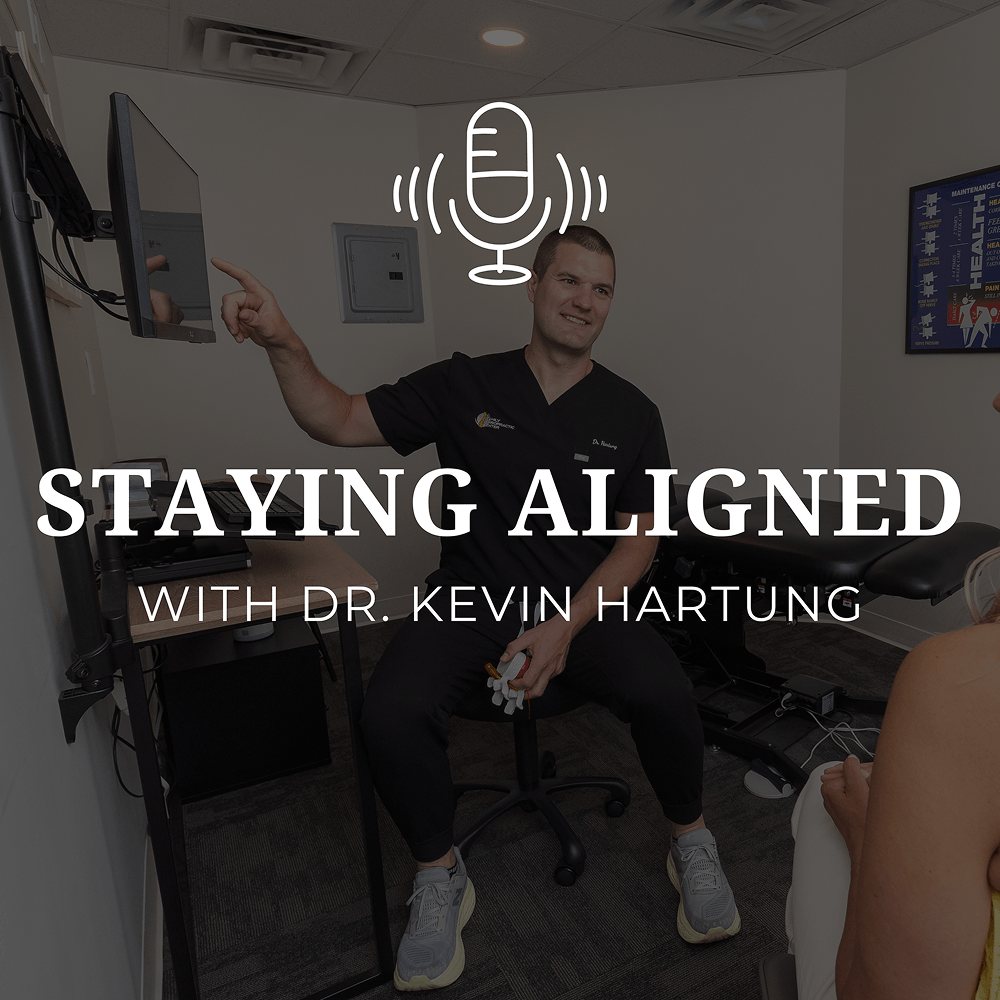
In this episode, Dr. Hartung of Family Chiropractic Center in Robinson Township answers one of the most common questions he hears: when should you actually see a chiropractor?
Dr. Hartung walks listeners through the key warning signs that something may be going on with your spine or nervous system, and explains why so many people make the mistake of waiting too long to seek care.
Whether you’re dealing with nagging discomfort or just want to be proactive about your health, this episode gives you the practical guidance you need to know when it’s time to make that call to Dr. Kevin Hartung and the team at Family Chiropractic Center.
Hey there, and welcome back. I’m Doctor Hartung, and you’re listening to the Family Chiropractic Center podcast, coming to you from right here in Robinson Township. Today we’re talking about something I get asked about all the time. When should you actually see a chiropractor? And what are the warning signs that something might be going on with your spine or your nervous system that you really shouldn’t ignore?
Here’s the thing. A lot of people wait way too long. They think, oh, it’ll go away on its own. And sometimes it does. But sometimes that little ache or that stiff neck in the morning is your body trying to tell you something. And the sooner you listen, the easier it is to help you.
So let’s walk through some of the big ones. The signs that, in my experience, really do mean it’s time to come in and get checked out.
First up, and this is probably the most common one I see, is pain that just keeps coming back. You tweak your back, you rest for a few days, it feels better. Then a few weeks later it’s back again. Then again. That cycle is really important to pay attention to. Recurring pain usually means there’s an underlying issue with how your spine is moving, or how it’s aligned, that isn’t getting addressed. Resting helps the inflammation calm down, but it doesn’t fix the root cause. That’s where chiropractic care comes in.
Now here’s something a lot of people don’t connect to their spine. Headaches. Especially headaches that start at the base of your skull and work their way up, or headaches that seem to come on after a long day at a desk. A significant number of headaches are actually linked to tension and restriction in the neck. The joints up there, when they’re not moving the way they should, can refer pain right into your head. I’ve had so many patients come in for neck pain and mention, almost as an afterthought, that their headaches went away too. It’s one of those things that genuinely surprises people.
Another big one, and please don’t brush this off, is any kind of tingling, numbness, or weakness going down your arm or your leg. That kind of symptom can mean a nerve is being compressed or irritated somewhere along the spine. It doesn’t always mean something serious, but it absolutely means you need to get evaluated. Don’t wait on that one. Get it checked.
And then there’s posture. I know, I know. You’ve heard it before. But here’s what’s interesting. When your posture starts to change, when your head drifts forward, when one shoulder sits higher than the other, when you notice you’re leaning to one side without realizing it, that’s often a sign that your spine is compensating for something. Your body is incredibly smart. It’ll adapt and shift to protect itself. But over time, those compensations create their own problems. And that’s when people start feeling pain in places they didn’t expect.
One more, and this one catches people off guard. If you feel like you just can’t get comfortable. Standing hurts, sitting hurts, lying down hurts. Or if you notice that you’re moving differently to avoid pain, like favoring one side when you walk, or turning your whole body instead of just your neck. Those movement patterns are worth paying attention to.
So what can you do right now, today? Start paying attention to your body. Notice if your pain is getting better, staying the same, or getting worse over time. Notice if it’s showing up more often. Gentle movement, staying hydrated, and not sitting for hours without getting up are all simple things that support a healthier spine.
But if any of what I described today sounds familiar, I really want to encourage you to come in and let us take a look. Getting evaluated doesn’t mean you’re committing to anything. It just means you’ll have a clearer picture of what’s going on and what your options are. That’s always a good thing.
We are here for you at Family Chiropractic Center in Robinson Township. Give us a call, stop by, or visit our website to schedule a time to come in. My team and I would love to meet you and help you feel your best. Thanks so much for listening today, and we’ll talk again soon.

Amazing experience, everyone there is so kind and hospitable! They have helped my back and neck tremendously and as a result benefited my overall health. Highly recommend.

Been going there for several years. Recommend them for great relief.

Dr Hartung and the team at Family Chiropractic Center are excellent and currently helping me with my sciatic nerve pain.

This is a very nice office. The girls working in front are so friendly and efficient especially with scheduling. The girls in therapy are very friendly, hard working and i feel like they really care about how im feeling and responding to the treatment. I see Dr Hartung and he always takes time to explain his recommendations for my treatment and makes sure i understand everything. Im half way done with my sessions and i am starting to see results after having back pain for most of my life. My husband talked me into going after Dr Hartung healed his jaw pain and im glad he did. We both have seen Dr Peters also and i would recommend him as well. I highly recommend this practice.

Very professional, explains every step, makes a wellness plan for you! Entire staff is friendly, make you want to go back!!!

I couldn’t recommend this these guys more, i’ve had lasting back pain for years and after a few weeks with Dr. Peters, i rarely notice the pain at all. I look forward to each session and would suggest trying them out yourself, especially with the first session being free.

When I first walked in to Family Chiropractic Center a couple years ago (via a friend's recommendation), I could barely walk without any pain in my lower back and hip area, and the sciatica pain was keeping me up all night! Within a few weeks of Dr. Kevin Hartung starting my adjustments, my sciatic & hip issues have been kept at bay and I can walk pain-free. I now go regularly to Family Chiropractic to keep my hip & spine aligned correctly. There is a newer doctor, Dr. Sean Peters, who did an adjustment on me a couple times when Dr. Kevin could not be there, and he is excellent also! The staff at the Family Chiropractic Center is kind and caring, and all so friendly! We are always laughing about something and I feel like I have been their friend forever! They all make you feel so welcomed from the time you walk in until you walk out! If you have to adjust an appointment, or need to cancel/change for any reason, they always are very accommodating & can always find you an open spot that will work for you! The new facility where they recently relocated to is beautiful! So bright, cheerful and open. I highly recommend Family Chiropractic Center, it's doctors, and staff! If I could give them more than 5 stars, I would!

I had an excellent experience with Dr. Hartung and the entire chiropractic team. I came here for neck pain. Dr. Hartung took the time to thoroughly understand my concerns, explained the treatment plan clearly, and ensured I was comfortable every step of the way. The team also explained the cost upfront so there are no surprises later. I noticed significant improvement in my mobility and overall comfort after few sessions. I highly recommend Dr. Hartung to anyone looking for knowledgeable and attentive chiropractor team

I’ve been going to Family Chiropractic Center for a couple years now and they are amazing! Their staff is always friendly, attentive, and ready to help you where you’re at. Even during my pregnancy, they checked in on me and made sure they were conducting safe practices for me. I needed a chiropractor that I could trust and I found that at Family Chiropractic Center.

Great experience from beginning to end! All of the staff are knowledgeable, welcoming, and accommodating! Highly recommend!!

Family Chiropractic is very good for my health. Every one is so helpful from the doctors to the assistants. Doctor Sean Peter's is very good to me and he explained everything to me and made me feel much better. Everyone with health concerns has to try this place. I will certainly come back in the future for more adjustments to my back,neck,and shoulders. Thank you to your whole team!

Great team who makes you feel very welcome and comfortable.