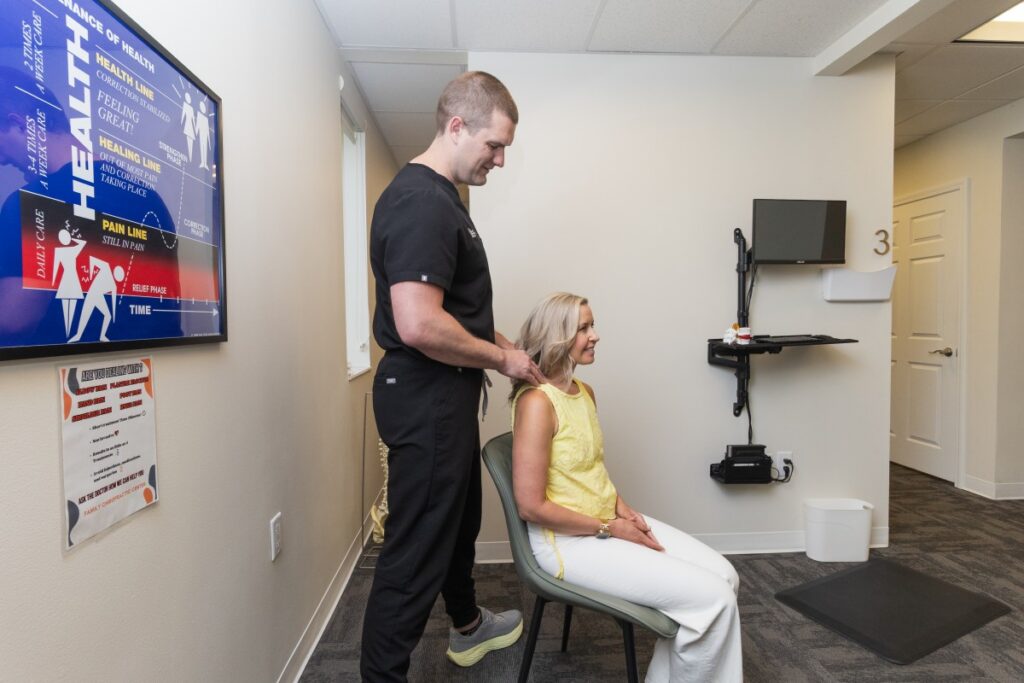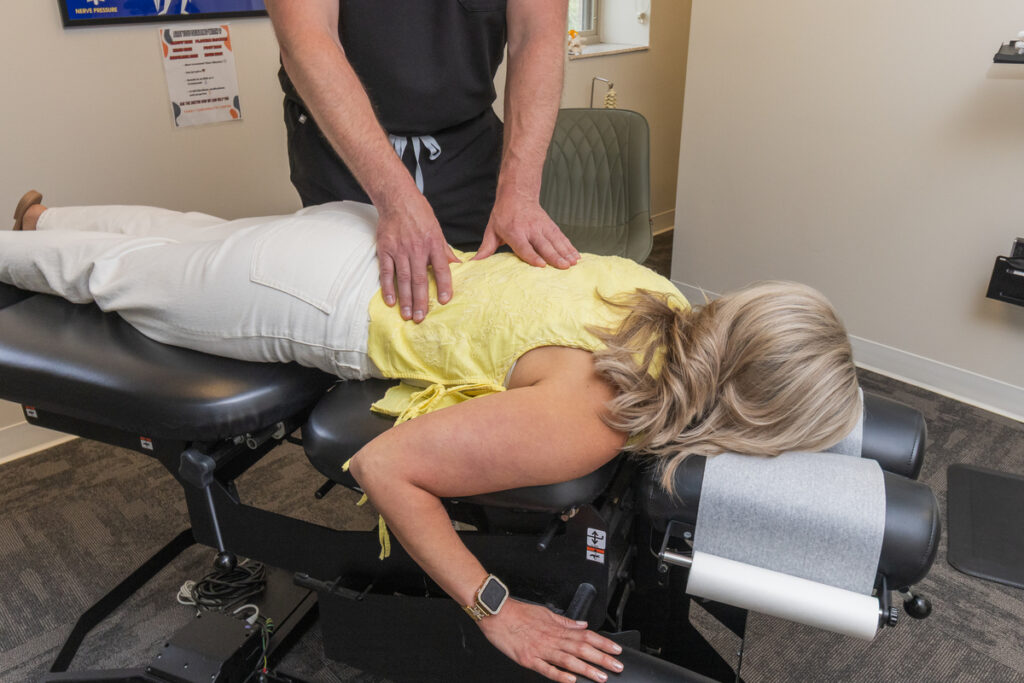

You may not realize it, but your posture plays a crucial role in your overall health and well-being. Poor posture habits can lead to discomfort, chronic pain, and even long-term health issues. By making small adjustments in how you sit and stand, you can greatly enhance your quality of life.
As a chiropractor, I want to emphasize the importance of maintaining a healthy spine and how it is fundamental to your overall wellness. Proper alignment of your spine not only alleviates pain but also supports your nervous system, which is vital for your body’s function.
Are you curious about the common pitfalls of poor posture and effective strategies for improvement? Here are some tips you can incorporate into your daily routine:
- Mind Your Sitting Position: When sitting, make sure your feet are flat on the floor and your back is straight. Use a chair that supports your lower back, and take breaks to stand or walk around.
- Stand Tall: Keep your shoulders back and down, and distribute your weight evenly on both feet. Engaging your core muscles can also help maintain good posture.
- Screen Height Matters: If you spend a lot of time on the computer, ensure your monitor is at eye level to reduce strain on your neck and back.
- Stretch Regularly: Incorporate stretching into your daily routine to relieve tension and improve flexibility. Simple stretches can go a long way in supporting your spine.
- Consider Chiropractic Care: Regular visits to a chiropractor can help address misalignments in your spine and provide you with personalized strategies for maintaining better posture. Chiropractic care is a natural approach to pain relief and overall wellness.
By focusing on these simple yet effective strategies, you can transform your daily routine and significantly improve your posture. Remember, a healthy spine is the foundation of a healthy life, and chiropractic care is your partner in achieving optimal health.
Key Takeaways
Enhance Your Health Through Better Posture with Chiropractic Care
- Good posture not only enhances your appearance but also projects confidence, which can have a positive impact on your mental and emotional well-being. When you stand tall and aligned, you feel more empowered and ready to take on the day.
- Maintaining proper spinal alignment is crucial for reducing the risk of strain and chronic pain. Chiropractic care focuses on aligning the spine, which promotes overall physical health and can alleviate discomfort that may arise from poor posture.
- Improved posture supports your body’s natural functions, making daily activities feel easier and less painful. With the help of a chiropractor, you can learn techniques to maintain good posture throughout your day, from sitting at your desk to lifting objects safely.
- By strengthening your core muscles and practicing good posture, you can experience long-term pain relief and increased energy levels. A chiropractor can guide you through exercises that specifically target these areas, helping you feel your best every day.
- Regular posture checks and ergonomic adjustments in your workspace are essential for maintaining comfort and preventing injury. Your chiropractor can provide personalized advice on how to set up your workspace to support your spine, ensuring you stay aligned while you work.
Remember, chiropractic care is a natural and effective way to achieve optimal health. By focusing on your posture and spinal alignment, you can enjoy a pain-free life and improve your overall well-being. Take the first step today and consult with your chiropractor to discover how you can enhance your health through better posture!
The Importance of Posture in Daily Life
Good posture is vital for your daily life, not only enhancing your appearance but also significantly contributing to your overall health.
When you stand or sit tall, you radiate confidence and professionalism, creating a favorable impression on those around you. However, the benefits of good posture extend well beyond aesthetics.
Maintaining proper alignment of your spine and joints is crucial for reducing the risk of strain and injury. As a chiropractor, I emphasize that good posture can prevent discomfort and promote a healthier lifestyle.
When your body is aligned, it functions more efficiently, helping you avoid the aches and pains that can hinder your daily activities.
Here are some simple tips to improve your posture:
- Be Mindful of Your Position: Whether you’re sitting at a desk or standing, make a conscious effort to keep your shoulders back and your spine straight.
- Adjust Your Workspace: Ensure that your chair and desk are at the right height to encourage a comfortable sitting position. Your feet should be flat on the floor, and your screen should be at eye level.
- Take Breaks: Don’t forget to stand up and stretch every once in a while. This can help alleviate tension and reset your posture.
- Strengthen Your Core: Engaging in exercises that strengthen your core can provide the support your spine needs for good posture.
- Consider Chiropractic Care: Regular chiropractic adjustments can help maintain proper spinal alignment, improve your posture, and enhance your overall wellness. Chiropractic care is a natural, effective way to alleviate pain and promote better health without the need for medications or surgeries.
By focusing on these tips and incorporating chiropractic care into your wellness routine, you can achieve optimal health and live a pain-free life.
Common Posture Problems and Their Effects
Did you know that slouching can lead to significant back pain over time? Many people don’t realize the impact of poor posture until discomfort sets in. Similarly, forward head posture can cause extra strain on your neck and spine, leading to persistent discomfort. The good news is that recognizing these common posture problems is the first step toward finding relief and improving your overall well-being.
As a chiropractor, I can tell you that addressing these posture issues is essential for maintaining a healthy spine. Regular chiropractic adjustments can help realign your spine, alleviate pain, and promote better posture.
Additionally, here are a few simple tips to improve your posture throughout the day:
- Be Mindful of Your Sitting Position: When sitting, ensure that your back is straight and your shoulders are relaxed. Use a chair that supports your lower back, and keep your feet flat on the ground.
- Take Frequent Breaks: If you’re sitting for long periods, make it a habit to stand up, stretch, and move around every 30 minutes. This helps relieve tension and promotes better circulation.
- Strengthen Your Core: Engaging in exercises that strengthen your core muscles can provide better support for your spine, helping you maintain good posture.
- Adjust Your Workstation: Ensure your computer screen is at eye level to reduce forward head posture. Your keyboard should be positioned so your arms can rest comfortably at your sides.
- Consider Chiropractic Care: Regular visits to a chiropractor can help keep your spine aligned and address any discomfort caused by poor posture. Chiropractic care offers a natural, effective way to achieve optimal health and wellness.
Slouching and Back Pain
When slouching becomes a habit, it can lead to significant back pain and discomfort, often without you even realizing it. The toll it takes on your body can escalate until the pain becomes unbearable. Poor posture strains your muscles and ligaments, making even simple, everyday tasks feel like a challenge.
Here are some common effects of slouching and how chiropractic care can help:
- Muscle Fatigue: Slouching causes your back muscles to work overtime, leading to fatigue and soreness. Regular chiropractic adjustments can help relieve this strain by ensuring your spine is aligned properly, allowing your muscles to relax and recover.
- Reduced Flexibility: When you slouch, your muscles can become tight, limiting your range of motion. A chiropractor can help restore your flexibility through targeted adjustments and exercises that promote better posture and muscle balance.
- Increased Pressure on the Spine: Poor alignment puts extra pressure on your spinal discs, which can lead to long-term issues. Chiropractic care focuses on correcting spinal alignment, reducing this pressure, and helping you maintain a healthy spine for years to come.
To combat slouching and its effects, consider these simple tips:
- Mind Your Posture: Be conscious of your posture throughout the day. When sitting, keep your back straight and shoulders relaxed. Use a chair that supports your lower back.
- Take Breaks: If you work at a desk, take regular breaks to stand up, stretch, and walk around. This helps relieve tension and keeps your muscles engaged.
- Strengthen Your Core: A strong core supports your spine. Incorporate exercises that strengthen your abdominal and back muscles into your routine.
- Visit Your Chiropractor: Regular chiropractic check-ups can help maintain your spinal health and address any issues before they become serious. Your chiropractor can provide personalized advice and treatments tailored to your needs.
By focusing on these strategies and integrating chiropractic care into your wellness routine, you can alleviate back pain, improve your posture, and enhance your overall quality of life.
Embrace a healthier way of living and let chiropractic care guide you on your journey to optimal health!
Forward Head Posture
Forward head posture (FHP) is a common issue that can sneak up on you, especially if you spend long hours in front of screens or have a workspace that isn’t set up just right. When your head shifts forward, it puts extra strain on your neck and shoulders, which can lead to discomfort, headaches, and even reduced lung capacity. Recognizing FHP is essential, as it’s the first step on the path to improvement and better health.
Symptoms, Causes, and Solutions for Forward Head Posture
| Symptoms | Causes | Solutions |
|---|---|---|
| Neck pain | Prolonged screen time | Adjust your screen height to eye level and take breaks every 20 minutes to stretch. |
| Headaches | Poor ergonomic setups | Invest in a supportive chair that promotes good posture and consider using a lumbar roll for added support. |
| Reduced mobility | Weak neck muscles | Incorporate gentle neck exercises and stretches into your daily routine to strengthen those muscles. |
Chiropractic care can be a fantastic way to address FHP and its related symptoms. A chiropractor can help realign your spine, relieve tension in your neck and shoulders, and provide personalized advice tailored to your specific needs. By focusing on natural healing, chiropractic adjustments can enhance your overall wellness and help you achieve a balanced posture.
General Tips for Maintaining Good Posture
- Ergonomic Workspace: Make sure your workspace is set up to support good posture. Your computer screen should be at eye level, and your chair should support your lower back.
- Take Breaks: Remember to take regular breaks. Stand, stretch, and move around every 20 to 30 minutes to reduce strain on your body.
- Strengthen Your Neck: Simple neck exercises, like chin tucks or gentle stretches, can help strengthen the muscles around your neck and improve mobility.
- Stay Active: Engage in regular physical activity. Activities such as yoga or Pilates can improve your core strength and overall posture.
- Seek Chiropractic Care: If you’re experiencing symptoms related to FHP, consider visiting a chiropractor. They can provide tailored adjustments and techniques to support your journey to better health.
How Poor Posture Impacts Health
How Poor Posture Impacts Your Health and How Chiropractic Care Can Help
As a chiropractor, I want to emphasize how poor posture can significantly impact your overall health. Many people don’t realize that slouching or sitting incorrectly can lead to discomfort and long-term complications that affect daily life.
Here are some common ways that poor posture might be affecting you:
- Back Pain: When you have slumped shoulders and a forward head position, it can put a lot of strain on your spine, resulting in chronic back pain. Chiropractic adjustments can help realign your spine and alleviate this discomfort.
- Reduced Lung Capacity: Slouching compresses your diaphragm, making it harder to breathe deeply and efficiently. By improving your posture, you can enhance your lung capacity and increase your oxygen intake—something that chiropractic care can support through spinal alignment.
- Digestive Issues: Poor posture can put pressure on your abdominal organs, leading to digestive discomfort. Maintaining a healthy spine can encourage better digestion and overall health.
Improving your posture is vital for your well-being, and chiropractic care is an excellent way to achieve this.
Here are a few simple tips to help you start:
- Be Mindful of Your Posture: Whether you’re sitting at a desk or standing, try to keep your shoulders back and your head aligned over your spine.
- Take Breaks: If you’re sitting for long periods, make sure to take short breaks to stretch and move around. This can help relieve tension and prevent poor posture from becoming a habit.
- Strengthen Your Core: A strong core supports your spine. Incorporate exercises that strengthen your abdominal and back muscles into your routine.
- Consider Chiropractic Care: Regular visits to a chiropractor can help maintain your spinal health, reduce pain, and improve your posture over time.
By recognizing the impact of poor posture on your health, you can take proactive steps to correct it. Let’s work together to help you stand tall and feel better!
Tips for Maintaining Good Posture
Maintaining good posture is crucial for your overall health, and as a chiropractor, I can tell you that proper alignment can significantly enhance your well-being. Incorporating simple habits into your daily routine can lead to a healthier spine and reduced pain. Start by being mindful of your posture throughout the day. Whether you’re sitting, standing, or walking, remember to keep your shoulders back, chest open, and head aligned over your spine. This alignment helps in reducing strain on your back and neck.
Using ergonomic furniture at work is essential to support your spine. Make sure your computer screen is adjusted to eye level to prevent slouching. When you’re sitting, keep your feet flat on the floor, and consider using a small cushion to maintain the natural curve of your lower back. Taking regular breaks to stretch and change positions is vital, especially if your job involves long hours of sitting.
If you spend time in the car, adjust your seat to ensure you’re relaxed yet supported—this can make a big difference in how your back feels during and after driving. Additionally, practicing deep breathing can promote body awareness and alignment, which are key to maintaining good posture.
Exercises to Strengthen Postural Muscles
To build a strong foundation for good posture and overall spinal health, it’s crucial to incorporate exercises that specifically target your postural muscles. Strengthening these muscles not only helps you maintain an upright position but also reduces strain on your body, supporting your natural alignment. As a chiropractor, I believe that engaging in these exercises can complement your chiropractic care and promote a healthier lifestyle. Here are three effective exercises to help you get started on your journey to better posture:
- Plank: This exercise is fantastic for strengthening your core, which plays a vital role in supporting your spine. Start by engaging your core and keeping your body straight from head to heels. Hold this position for 30 seconds to a minute, making sure to breathe deeply throughout. This will help enhance your stability and posture.
- Wall Angels: This exercise is great for opening up your chest and shoulders, areas that often get tight from poor posture. Stand with your back against a wall and raise your arms to form a “W.” Slowly extend your arms upward while ensuring they and your back remain in contact with the wall. This movement helps promote proper shoulder alignment and can ease discomfort.
- Bird Dog: This exercise not only strengthens your core but also improves your balance. Begin on all fours, then extend one arm forward while simultaneously extending the opposite leg back. Hold this position for a few seconds and then switch sides. This exercise encourages coordination and stability, both of which are essential for maintaining good posture.
Incorporating these exercises into your daily routine can greatly benefit your spinal health. Remember, chiropractic care is an excellent way to align your body and relieve pain naturally.
Pairing these exercises with regular chiropractic adjustments will provide a holistic approach to achieving optimal health and wellness. Always listen to your body, and consult with your chiropractor for personalized advice tailored to your specific needs. Together, we can work towards a healthier, pain-free lifestyle.
Long-term Benefits of Improved Posture
Improving your posture isn’t just about looking more confident; it’s a vital step towards better overall health. As a chiropractor, I want to share how good posture can significantly enhance your respiratory function, making it easier for you to breathe deeply and efficiently. When your spine is aligned correctly, your lungs have more room to expand, allowing for optimal oxygen intake.
Moreover, maintaining proper posture can alleviate chronic pain, which many people experience due to poor alignment over time. By reducing the stress on your muscles and joints, you can minimize discomfort and improve your quality of life. This is where chiropractic care shines—by focusing on spinal alignment, we can help you achieve long-term pain relief and wellness.
Here are some simple tips to improve your posture every day:
- Be Mindful of Your Sitting Position: Ensure your feet are flat on the ground, and your back is straight against the chair. This can prevent slouching and strain on your spine.
- Use Ergonomic Equipment: Invest in a chair that supports your lower back and promotes a healthy sitting posture. If you work at a desk, consider a standing desk to change your position throughout the day.
- Take Breaks and Move: Make it a habit to stand up and stretch or walk around every hour. This helps relieve tension and keeps your muscles engaged.
- Strengthen Your Core: Incorporate exercises that strengthen your core muscles, as a strong core supports your spine and helps maintain proper posture.
- Consider Chiropractic Care: Regular chiropractic adjustments can help maintain your spine’s alignment, reduce pain, and improve your posture over time. A chiropractor can provide personalized guidance tailored to your needs.
Enhanced Respiratory Function
When you sit or stand with better posture, you naturally open up your chest and allow your lungs to expand fully. This leads to enhanced respiratory function, enabling you to take deeper breaths. With improved oxygen intake, you’ll experience a range of benefits that can elevate your overall health—benefits that can be further supported by chiropractic care.
Consider these advantages that come with better posture and how chiropractic adjustments can help you achieve it:
- Increased Energy Levels: When your spine is aligned and your posture is improved, your body can better utilize oxygen. This natural boost in energy can help you feel more vibrant and active throughout the day.
- Improved Focus: Better oxygen flow enhances your mental clarity and concentration. Chiropractic care can help reduce tension and stress in your body, which allows your mind to stay sharp and focused.
- Stronger Immune System: A well-aligned spine promotes better overall health. With improved oxygenation and circulation, your body can effectively fight off illness, making chiropractic adjustments a valuable tool in maintaining your wellness.
Tips for Enhancing Your Respiratory Function:
- Practice Good Posture: Make a conscious effort to sit and stand tall. Keep your shoulders back and your head aligned over your spine. This not only helps your lungs expand but also reduces strain on your back.
- Incorporate Breathing Exercises: Take a few minutes each day to practice deep breathing. Inhale deeply through your nose, allowing your abdomen to expand, and then exhale slowly. This can help improve lung capacity and relaxation.
- Stay Active: Regular physical activity promotes better lung function and overall health. Whether it’s walking, yoga, or stretching, find activities that you enjoy and make them a part of your routine.
- Consult with Your Chiropractor: Regular chiropractic check-ups can help maintain your spinal health, improve your posture, and support your respiratory function. Your chiropractor can also provide tailored advice specific to your needs.
By prioritizing good posture and considering chiropractic care, you can enhance your respiratory function and experience these health benefits naturally.
Embrace these simple changes for a healthier, more energetic you!
Reduced Chronic Pain
As you begin to improve your posture, you may experience a noticeable decrease in chronic pain over time. When your spine and joints are aligned correctly, your muscles can work more efficiently, which helps to reduce strain and tension. This often results in less discomfort in common areas like your back, neck, and shoulders.
By focusing on maintaining proper posture, you also encourage better blood circulation. This is important because improved circulation can support healing and recovery from muscle injuries. Over time, you may find that everyday activities become easier and less painful, allowing you to enjoy life more fully.
Additionally, good posture can enhance your overall sense of well-being, leaving you with more energy throughout the day. It’s important to remember that by prioritizing your posture, you’re not just tackling immediate pain; you’re making an investment in your long-term comfort and health.
Here are some simple tips to help you improve your posture:
- Be Mindful of Your Sitting Position: When sitting at your desk, make sure your feet are flat on the ground and your back is straight. Use a chair that supports your lower back.
- Take Regular Breaks: If you sit for long periods, take breaks every hour to stand up, stretch, and walk around. This helps to relieve tension in your muscles.
- Strengthen Core Muscles: Engage in exercises that strengthen your core, as a strong core supports proper posture.
- Use Ergonomic Tools: Consider using ergonomic chairs and desks that promote better posture, especially if you work at a computer.
- Practice Good Standing Posture: When standing, distribute your weight evenly on both feet and keep your shoulders back and relaxed.
Conclusion
Improving your posture goes beyond simply enhancing your appearance; it plays a crucial role in your overall health and wellness. As a chiropractor, I want to emphasize that by making minor yet impactful adjustments to your sitting, standing, and movement habits, you can significantly alleviate pain and increase your energy levels.
Incorporating gentle exercises and stretches into your daily routine can help strengthen your muscles and provide better support for your spine. Simple activities like neck rolls, shoulder shrugs, and back stretches can go a long way in promoting better posture and spinal alignment. Remember, consistency is vital—commit to these small changes, and you’ll reap the long-term benefits for your body.
Additionally, regular chiropractic care can be an invaluable part of your journey toward improved posture and overall health. Our treatments focus on aligning your spine and enhancing your body’s natural ability to heal itself, leading to effective pain relief and improved function.
Start today—take charge of your health through better posture and consider incorporating chiropractic care into your routine for optimal wellness. Your body will thank you!