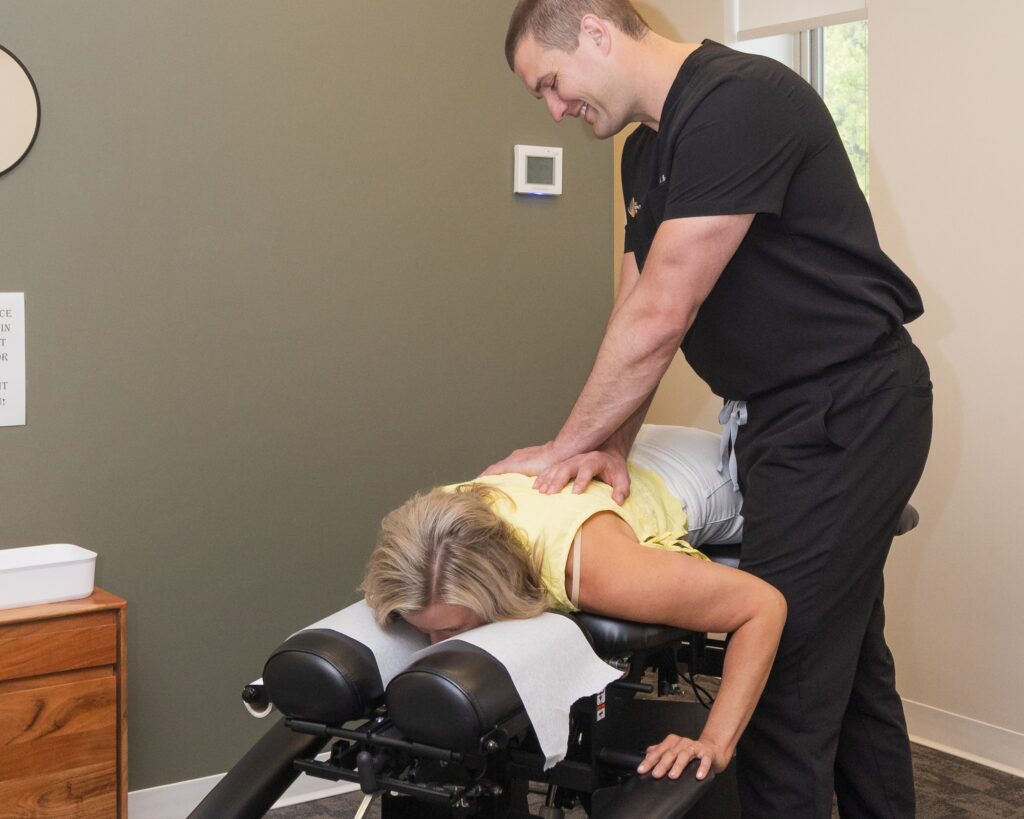

Chiropractic adjustments are a powerful tool for managing anxiety and enhancing your overall mental health. By alleviating physical tension and ensuring proper spinal alignment, chiropractic care directly supports the function of your nervous system. This relief from discomfort and muscle tightness allows you to move more freely and engage fully in your daily activities, which can significantly reduce stress levels.
But how do chiropractic adjustments fit into a broader strategy for achieving emotional well-being? Let’s dive into some additional elements that can complement your journey to feeling your best.
First and foremost, regular chiropractic care can help create a solid foundation for your health. When your spine is aligned, your body can communicate more effectively, leading to better overall function and a more balanced mood. It’s essential to view chiropractic not just as a solution for pain relief but as a proactive approach to maintaining wellness.
Incorporating relaxation techniques such as deep breathing, meditation, or yoga can further enhance the benefits of your chiropractic adjustments. These practices can help calm your mind and reduce anxiety, working synergistically with the physical benefits of chiropractic care.
Additionally, staying active in daily life is crucial. Engage in activities that you enjoy and that get your body moving. Whether it’s walking, dancing, or playing a sport, regular physical activity can elevate your mood and support your mental health while complementing the effects of chiropractic adjustments.
Finally, consider making mindful dietary choices. Eating a balanced diet rich in whole foods can fuel your body and mind, contributing to your overall well-being. Hydration is also key, as staying well-hydrated can influence your mood and energy levels.
Remember, chiropractic care is an excellent choice for those seeking natural pain relief and a holistic approach to health. By focusing on your spinal health and incorporating these tips into your lifestyle, you can take significant steps toward achieving optimal health and emotional resilience. Your journey to wellness starts here!
Key Takeaways
Chiropractic adjustments play a crucial role in restoring spinal alignment, which can significantly reduce physical tension and stress. When your spine is aligned, it not only alleviates discomfort but also enhances mental clarity and emotional well-being. This makes chiropractic care an excellent choice for anyone looking to improve their overall health naturally.
Regular chiropractic adjustments support the nervous system, which helps promote relaxation and ease symptoms associated with anxiety. Many people experience issues like a racing heart or trouble concentrating when they are anxious. By keeping your spine in alignment, chiropractic care can help minimize these symptoms, allowing you to feel more at ease in your daily life.
To maximize the benefits of chiropractic care, consider pairing your adjustments with mindfulness and breathing techniques. These practices can enhance the therapeutic effects of chiropractic treatments, making it easier to manage anxiety and improve mental health outcomes.
Additionally, addressing physical discomfort through chiropractic care can lead to greater engagement in daily activities. When you’re free from pain, you’re more likely to connect with others and participate in the things you love, which can have a profoundly positive impact on your mental health.
Incorporating gratitude practices alongside your chiropractic adjustments can further boost your emotional resilience. Taking a moment each day to acknowledge the positive aspects of your life can help create a more balanced emotional state.
In summary, chiropractic care is a natural and effective way to achieve optimal health and wellness. By focusing on spinal health, you can alleviate pain, reduce anxiety, and enhance your overall quality of life. Remember to incorporate simple practices like mindfulness and gratitude to further enrich your journey toward better health.
Understanding Anxiety and Its Impact on Daily Life
When you experience anxiety, it can feel overwhelming and impact various aspects of your daily life, including your routines and relationships. You might find yourself constantly worrying about small tasks, like getting to work on time or engaging in social activities. This persistent unease can lead to procrastination, where you may avoid situations that trigger your anxiety. You might also experience physical symptoms, such as a racing heart or difficulty concentrating, which can further disrupt your daily routine.
It’s important to recognize that anxiety can also affect your relationships. Friends and family may not fully understand what you’re experiencing, which can lead to withdrawal or pushing them away. This isolation can, in turn, intensify your feelings of anxiety, creating a challenging cycle. Understanding these patterns is crucial for making positive changes in your life.
One effective way to manage anxiety is through chiropractic care. Chiropractic adjustments can help restore balance to your nervous system, which may alleviate some of the physical symptoms of anxiety, such as tension and discomfort. By ensuring proper spinal alignment, chiropractic care can support your overall well-being and promote a sense of calm.
In addition to chiropractic care, consider incorporating some simple lifestyle tips to help manage anxiety:
- Practice Deep Breathing: Take a few minutes each day to focus on your breath. Deep, slow breaths can help calm your mind and reduce anxiety.
- Stay Active: Regular physical activity can boost your mood and energy levels. Even a short walk can be beneficial.
- Establish a Routine: Having a structured daily routine can provide a sense of stability and control, reducing feelings of anxiety.
- Connect with Others: Reach out to friends or family members, even if it’s just for a quick chat. Connecting with loved ones can provide support and reduce feelings of isolation.
- Prioritize Sleep: Aim for a consistent sleep schedule and create a restful environment to improve the quality of your sleep.
The Role of Mindfulness in Reducing Anxiety
Mindfulness can be a valuable addition to your wellness journey, especially when it comes to alleviating anxiety and promoting overall health. Practicing present-moment awareness alongside your chiropractic care can enhance your mental and physical well-being. By focusing on your breath and engaging in simple mindfulness exercises, you can calm your mind and body, creating a harmonious balance that supports your spinal health.
Incorporating daily mindfulness practices into your routine, such as deep breathing or gentle stretches, can help reduce tension in your body, which is often linked to anxiety. These practices work hand-in-hand with chiropractic adjustments, allowing for better alignment and improved nervous system function.
When your spine is aligned, your body can communicate more effectively, leading to less stress and a clearer mind.
Here are a few tips to help you integrate mindfulness into your daily life:
- Start Small: Dedicate just a few minutes each day to focus on your breathing. Inhale deeply, hold for a moment, and exhale slowly. This simple practice can help reduce stress and anxiety.
- Mindful Movement: Combine your chiropractic exercises with mindfulness. As you stretch or move, pay attention to how your body feels. This awareness can enhance the benefits of your chiropractic care.
- Create a Routine: Set aside time each day for mindfulness. Consistency can help reinforce the positive effects on both your mental and physical health.
- Stay Present: During your chiropractic visits, focus on how your body responds to adjustments. This mindfulness can deepen your connection to your health journey.
Practicing Present-Moment Awareness
Practicing present-moment awareness is an excellent way to reduce anxiety and improve your overall mental health. By focusing on the here and now, you can quiet those racing thoughts that often contribute to stress and discomfort. Engaging fully in your current experience—whether it’s enjoying a meal, having a conversation, or taking in your surroundings—can help ground you in the moment. This shift in focus can pull your attention away from worries about the future or regrets from the past, helping to alleviate tension in your mind and body.
Acknowledging your thoughts and feelings without judgment can empower you to respond more calmly to stressors, which can be particularly beneficial for those dealing with chronic pain or discomfort. Incorporating mindfulness techniques into your daily routine, such as deep breathing or gentle stretching, can enhance your sense of peace and resilience.
In addition to these strategies, regular chiropractic care plays a vital role in achieving optimal health and wellness. Chiropractic adjustments can help relieve pain, improve mobility, and support your body’s natural healing processes, allowing you to engage more fully in the present moment. By maintaining a healthy spine, you set the foundation for better physical and mental well-being.
Breathing Techniques for Calm
Harnessing the power of breathing techniques can significantly enhance your ability to stay calm and centered, especially when faced with stress or discomfort. As a chiropractor, I understand that maintaining a balanced body is essential for overall wellness. When anxiety strikes, take a moment to focus on your breath. Inhale deeply through your nose for a count of four, hold for four, and then exhale slowly through your mouth for a count of six. This simple exercise not only helps regulate your heart rate but can also alleviate tension in your spine and muscles, promoting a sense of relief.
You might also consider trying the 4-7-8 technique, where you inhale for four, hold for seven, and exhale for eight. These breathing methods ground you in the present, allowing your body to relax and recover from daily stresses. Alongside regular chiropractic care, integrating these breathing techniques into your routine can help you manage pain and enhance your overall well-being.
Daily Mindfulness Exercises
Incorporating daily mindfulness exercises into your routine can greatly enhance your overall well-being, especially when it comes to managing anxiety and stress. As a chiropractor, I understand that stress can often lead to physical tension and discomfort. By dedicating just a few minutes each day to mindfulness, you can’t only train your mind to stay present but also help alleviate tension in your body.
Simple techniques such as focusing on your breath, observing your surroundings, or engaging in gentle, mindful movements can help ground you and promote relaxation. For instance, when you’re taking a break, try a brief meditation or a leisurely walk while paying attention to how your body feels and the sounds you hear around you. This mindfulness practice can shift your focus away from anxious thoughts and allow your body to release built-up tension.
Consistency is key, so aim to make mindfulness a daily habit. This not only supports your mental health but can also lead to better spinal health, as reduced stress often translates to less physical strain. Remember, chiropractic care can play a vital role in your journey toward optimal health by addressing any misalignments in your spine that may be contributing to your discomfort. By integrating mindfulness into your daily routine alongside regular chiropractic adjustments, you can experience a more balanced, healthier life.
Exercise: A Natural Antidote to Stress
When you’re feeling stressed, engaging in physical activity can be one of the best solutions to help you feel better. Exercise isn’t just about breaking a sweat; it significantly boosts your mood and enhances the mind-body connection, allowing you to manage anxiety more effectively. As a chiropractor, I understand how important it’s to maintain a healthy spine and nervous system, which play crucial roles in your overall well-being.
Incorporating regular exercise into your routine can help alleviate stress and tension in your body. Activities like walking, yoga, or even gentle stretching can promote relaxation and improve your posture, which is vital for spinal health. A well-aligned spine can enhance your body’s ability to cope with stress, making chiropractic care an essential part of your wellness journey.
Here are some simple tips to help you integrate exercise into your life and support your spinal health:
- Start Small: If you’re new to exercising, begin with just 10-15 minutes a day. This could be a short walk or some gentle stretching exercises at home.
- Stay Consistent: Aim to make exercise a regular part of your routine. Consistency is key to reaping the benefits of physical activity and reducing stress.
- Listen to Your Body: Pay attention to how your body feels during and after exercise. If you experience any discomfort, it might be a sign to adjust your activity or seek chiropractic care to ensure your spine and muscles are in proper alignment.
- Incorporate Movement Throughout the Day: Find ways to stay active even when you’re busy. Take the stairs instead of the elevator or do some stretches during breaks at work.
- Combine Exercise with Chiropractic Care: Regular chiropractic adjustments can enhance your physical activity by ensuring that your spine is aligned and your nervous system is functioning optimally. This can lead to improved performance and reduced discomfort during exercise.
Physical Activity Benefits
Regular exercise plays a vital role not just in managing stress, but also in enhancing your overall health and wellness, especially when combined with chiropractic care.
When you engage in physical activity, your body releases endorphins—these are the feel-good hormones that elevate your mood and help alleviate anxiety. Even a simple walk or a quick workout can lead to a more positive mindset.
Moreover, consistent exercise can improve your sleep quality, which is essential for maintaining mental well-being. As you engage in physical activities and work on your strength and endurance, you may find that your self-confidence increases, making you better equipped to handle life’s stressors.
Incorporating regular movement into your daily routine not only gives you a sense of control but also complements the benefits of chiropractic care. Chiropractic adjustments can help align your spine, reduce tension, and enhance your body’s ability to move freely, which is important for any exercise routine.
To get the most out of your exercise and chiropractic care, here are some tips:
- Start Small: If you’re new to exercise, begin with short, manageable activities like walking or gentle stretching.
- Stay Consistent: Aim for a regular routine. Consistency is key in both exercise and chiropractic visits for achieving optimal health.
- Listen to Your Body: Pay attention to how your body feels during and after exercise. If you experience pain, consult your chiropractor for guidance.
- Combine Activities: Consider integrating exercises that promote flexibility and strength, such as yoga or resistance training, alongside your chiropractic adjustments.
- Hydration and Nutrition: Drinking plenty of water and eating a balanced diet will support your exercise efforts and overall health.
Remember, prioritizing physical activity is an excellent way to boost your mental health and work towards a pain-free life.
Mind-Body Connection
Understanding the mind-body connection is key to recognizing how exercise can be a powerful ally against stress, and as your local chiropractor, I want to emphasize the importance of this connection in achieving optimal health. When you engage in physical activity, your body releases endorphins—natural chemicals that help elevate your mood and diminish feelings of anxiety. This positive response not only enhances your mental well-being but also supports spinal health, creating a beneficial cycle between your mind and body.
Here’s a quick overview of how exercise can reduce stress and improve your overall health:
| Benefit | Physical Impact | Mental Impact |
|---|---|---|
| Reduces tension | Lowers muscle tension, benefiting your spine | Promotes relaxation and mental clarity |
| Boosts energy levels | Increases stamina, helping you stay active | Enhances focus and productivity |
| Improves sleep | Regulates sleep cycles, crucial for recovery | Reduces anxiety and improves mood |
| Enhances mood | Releases endorphins, which can alleviate discomfort | Elevates overall mood and outlook |
| Increases resilience | Builds physical strength, supporting your spine | Improves coping skills and emotional resilience |
As a chiropractor, I recommend incorporating regular physical activity into your routine alongside your chiropractic care. This combination can optimize your health and well-being. Remember to focus on activities that you enjoy, whether it’s walking, yoga, or dancing—these can help keep you motivated and engaged.
Additionally, here are some general tips to enhance your mind-body connection and support your spinal health:
- Stay Hydrated: Drink plenty of water before, during, and after exercise to keep your body functioning optimally.
- Practice Good Posture: Whether you’re exercising or sitting at your desk, maintaining good posture can protect your spine.
- Listen to Your Body: Pay attention to how your body feels during exercise. If you experience pain, it’s important to consult with your chiropractor to prevent injury.
- Incorporate Stretching: Gentle stretching before and after workouts can improve flexibility and reduce muscle tension.
- Mindfulness Practices: Consider incorporating mindfulness or meditation into your routine to further enhance your mental well-being.
Nutrition and Mental Health: What to Eat for Better Mood
Eating right can greatly enhance your mood and support overall mental health, which is essential for achieving optimal wellness. As a chiropractor, I believe that a balanced diet plays a crucial role in your overall health, including your spinal health. By focusing on whole foods like fruits, vegetables, lean proteins, and whole grains, you can nourish your body and mind.
Incorporating omega-3 fatty acids, found in fatty fish, walnuts, and flaxseeds, can be particularly beneficial for brain health. These nutrients support cognitive function and may help alleviate feelings of stress or anxiety.
Don’t overlook the importance of gut health! Probiotics found in foods like yogurt and fermented vegetables can positively impact your mood by enhancing gut health, which is closely linked to emotional well-being. A healthy gut can contribute to a healthy spine, as inflammation in the body can lead to discomfort and misalignments.
It’s also wise to limit processed foods and sugar, as these can lead to mood swings and increased anxiety. Instead, opt for natural foods that fuel your body and mind. Staying hydrated is vital too; drinking enough water supports overall brain function and can help prevent discomfort that may arise from dehydration.
The Importance of Quality Sleep for Mental Well-Being
Quality sleep is often overlooked, yet it plays an essential role in maintaining your mental well-being and overall health. As a chiropractor, I can’t stress enough how important proper sleep is for your spine and nervous system. When you don’t get enough rest, your mood can become unstable, leading to increased anxiety and stress. Sleep helps your brain process emotions and strengthens your ability to cope with challenges.
It’s during these hours of deep sleep that your body repairs itself, and your mind organizes memories, which is critical for clear thinking.
If you find yourself tossing and turning, consider establishing a bedtime routine that supports not just sleep, but also your spinal health. Here are some simple tips to get you started:
- Limit Screen Time: The blue light from screens can interfere with your sleep cycle. Try to avoid screens for at least an hour before bedtime.
- Create a Calming Environment: Make your bedroom a peaceful space. Consider using comfortable pillows and a good mattress that supports your spine.
- Try Relaxation Techniques: Techniques like deep breathing or gentle stretches can help relax your body and prepare you for a restful night. Remember to focus on maintaining good posture even while you’re winding down.
- Chiropractic Care: Regular chiropractic adjustments can help align your spine, which may improve your sleep quality. A properly aligned spine supports your nervous system, aiding in relaxation and overall health.
Aim for seven to nine hours of quality sleep each night. Remember, prioritizing sleep isn’t a luxury; it’s essential for your mental health and physical well-being.
The next time you’re feeling overwhelmed or experiencing discomfort, ask yourself if you’re getting enough rest and if your spine is in alignment. Improving your sleep and spinal health can be the first step in enhancing your overall mental well-being and achieving optimal health.
Building a Strong Support System
Building a strong support system is essential not only for managing anxiety but also for enhancing overall wellness, including spine health. Surrounding yourself with supportive, understanding individuals can greatly impact your mental and physical health, helping you feel connected and empowered.
Here are three ways to cultivate that support system, with an emphasis on holistic wellness:
1. Connect with Friends and Family: Reach out to those who genuinely care about your well-being. Sharing your feelings and experiences can provide emotional relief and allow you to discuss how stress can impact your spine and body.
Having supportive loved ones can give you the strength to prioritize your health and make better lifestyle choices.
2. Join Wellness Groups: Look for local or online groups focused on health and wellness. Engaging with others who prioritize natural healing and healthy living can foster a sense of community.
You might find groups centered around activities like yoga or meditation, which can complement chiropractic care by promoting relaxation and flexibility, further enhancing your spinal health.
3. Seek Chiropractic Care: Don’t hesitate to consult with a chiropractor. They can assess your spine and overall health, providing natural techniques and adjustments that can alleviate pain and improve your well-being.
A chiropractor can help you understand how stress and anxiety can affect your body, offering personalized advice and strategies to support a healthier lifestyle.
The Benefits of Journaling for Emotional Clarity
While navigating the challenges of anxiety and mental health, journaling can be a valuable tool to enhance emotional clarity and overall wellness. By putting your thoughts on paper, you create a safe space to explore your feelings without judgment. This practice can help you identify patterns in your emotions, making it easier to understand what triggers your feelings and responses.
Writing about your day can clear your mind, making way for deeper insights. It’s not just about jotting down events; it’s about reflecting on how those events make you feel. As you write, you may uncover underlying concerns that contribute to your anxiety, allowing you to address them more effectively.
In addition to the emotional benefits, journaling can also serve as a form of self-therapy, helping you articulate feelings that might be difficult to express verbally. This increased self-awareness can foster personal growth and improve your overall emotional well-being.
If you’re looking for a holistic approach to managing anxiety and enhancing your wellness, consider incorporating chiropractic care into your routine. Chiropractic adjustments can help relieve physical tension in the body, which often accompanies stress and anxiety. By promoting spinal health, chiropractic care can support your nervous system, leading to improved mental clarity and emotional stability.
To enhance your journaling practice and overall health, here are a few simple tips:
- Set aside a dedicated time each day for journaling to establish a routine.
- Focus on your feelings rather than just the events of the day to deepen your understanding of your emotional state.
- Consider pairing your journaling with a chiropractic visit to address any physical tension that may be contributing to your emotional challenges.
Setting Boundaries: Protecting Your Mental Space
Setting boundaries is a vital step in protecting your mental space and enhancing your overall wellness. Just like caring for your spine is essential for physical health, setting limits can help you maintain emotional balance and reduce stress. Here are three practical ways to establish healthy boundaries while prioritizing your well-being:
- Communicate Clearly: Just as you might discuss your back pain with a chiropractor to find the best treatment, be open about your needs and limits with others. Let them know what you can handle and where you may need support. Clear communication fosters understanding and helps maintain healthy relationships.
- Learn to Say No: Don’t hesitate to decline requests that feel overwhelming. Just as you’d avoid activities that strain your back, saying no to obligations that drain your energy is crucial for your mental health. Remember, protecting your well-being isn’t selfish; it’s necessary for your overall wellness.
- Limit Exposure to Negativity: Similar to how poor posture can lead to spinal issues, negative relationships can impact your mental health. Identify people or environments that bring you down and take steps to create a more positive atmosphere. Surround yourself with supportive individuals who uplift you, just like a good chiropractor supports your journey to optimal health.
By setting these boundaries, you not only protect your mental space but also create a foundation for a healthier, more balanced life.
Chiropractic care can further enhance your wellness journey by addressing physical discomfort and promoting natural healing, ensuring you feel your best as you navigate life’s challenges.
Embracing Gratitude: A Simple Shift in Perspective
After establishing healthy boundaries, you might find that embracing gratitude can further enhance not only your mental well-being but also your overall health. Shifting your focus to what you appreciate in life can transform your outlook and reduce anxiety, which is essential for maintaining a healthy spine and body. Start each day by reflecting on three things you’re thankful for, no matter how small. This simple practice can shift your mindset from scarcity to abundance and keep stress at bay, which is crucial for your spinal health.
When you’re feeling overwhelmed, take a moment to acknowledge the positives. It could be a supportive friend, a sunny day, or even a warm cup of coffee. Recognizing these moments helps reduce tension in your body, allowing for better spinal alignment and function. By training your brain to seek joy instead of dwelling on negativity, you not only improve your mood but also support a healthier nervous system.
Incorporate gratitude into your daily routine, whether through journaling or sharing with loved ones. This practice not only elevates your mood but also fosters resilience against stress, which can lead to tension in your muscles and spine. Embracing gratitude empowers you to cultivate a more fulfilling, balanced life and can enhance the benefits of chiropractic care.
Conclusion
Incorporating chiropractic adjustments into your routine can significantly boost your mental health and help reduce anxiety. By relieving physical tension and promoting proper spinal alignment, chiropractic care works hand-in-hand with other wellness practices like mindfulness, regular exercise, and a healthy diet.
To further enhance your emotional well-being, prioritize good sleep, build a strong support system, and consider journaling your thoughts. Setting healthy boundaries in your life is also crucial for maintaining emotional resilience. Embracing gratitude can help shift your mindset, allowing you to cultivate a sense of calm and balance.
Chiropractic care is a natural and effective way to achieve optimal health and wellness. By focusing on the spine and nervous system, we can help your body function at its best, which in turn can lead to improved mental clarity and emotional stability. Together, these strategies create a holistic approach to enhancing your overall well-being, helping you to feel more grounded and balanced in your daily life. Remember, chiropractic care is not just about pain relief; it’s about nurturing your entire body and mind for a healthier, happier you.