
When it comes to joint flexibility, understanding your current state is crucial for maintaining optimal health and wellness. A straightforward quiz can assist you in identifying tight areas and evaluating your range of motion. By gaining insights into your flexibility levels, you can better prioritize specific stretches and mobility exercises that cater to your needs.
However, what if the results indicate more than just a need for stretching? This is where chiropractic care can play a vital role. Chiropractors specialize in assessing and improving joint function, which can lead to enhanced flexibility and overall movement. By addressing misalignments in the spine and other joints, chiropractic adjustments can help alleviate discomfort, improve circulation, and support your body’s natural healing processes.
Here are some general tips to enhance your joint flexibility and movement:
- Regular Chiropractic Visits: Regular adjustments can help ensure your joints are functioning optimally, reducing stiffness and improving your range of motion.
- Incorporate Stretching: Gentle stretching exercises can be beneficial. Focus on areas that feel tight, and consider incorporating dynamic stretches into your routine.
- Stay Active: Engaging in regular physical activity, such as walking, swimming, or yoga, can promote flexibility and strengthen the muscles around your joints.
- Hydration is Key: Drink plenty of water to keep your joints lubricated. Proper hydration supports overall joint health.
- Listen to Your Body: If you experience pain or discomfort during movement, consult your chiropractor. They can provide tailored advice and treatment options to help you move better.
By taking these steps and considering chiropractic care, you can enhance your joint flexibility and overall movement, paving the way for a healthier, more active lifestyle.
Key Takeaways
- Begin your journey to enhanced flexibility by assessing your current abilities through simple stretches and movement tests. This will help you identify specific areas that may need a little extra attention.
- To achieve optimal joint flexibility, make sure to incorporate both dynamic and static stretching techniques into your daily routine. This balanced approach will promote better movement and support your overall well-being.
- Pay special attention to joint-specific stretches, especially for the shoulders, hips, and ankles. These areas often hold tension, and focusing on them can significantly improve your mobility.
- It’s important to regularly monitor your flexibility progress. Keeping track will allow you to adjust your routine as needed and target any tight areas effectively.
- Chiropractic care can be a fantastic addition to your flexibility efforts. By ensuring that your spine and joints are properly aligned, chiropractic adjustments can enhance your overall joint function and mobility. This natural approach to health promotes healing and can help alleviate discomfort, making it easier to engage in your flexibility routines.
Remember, achieving optimal health is a journey, and with the right practices, like chiropractic care, you can pave the way for a more flexible and pain-free life.
Understanding Flexibility and Its Importance
While many people think of flexibility as simply being able to touch their toes, it’s actually a vital component of overall health and physical performance.
Flexibility helps enhance your range of motion in your joints, which can make daily activities easier and significantly reduce the risk of injuries.
When you’re flexible, your muscles and tendons can stretch comfortably, allowing for smoother movements in sports and exercise.
Incorporating flexibility training into your routine can greatly benefit your overall wellness.
For instance, regular stretching can improve circulation and aid in muscle recovery.
This means that after a workout, you may experience less stiffness and be able to bounce back more quickly.
Additionally, improved flexibility promotes better posture and spinal alignment, which can alleviate back pain—a common issue that many people face.
As a chiropractor, I encourage patients to consider flexibility as part of their journey towards optimal health.
Here are a few simple tips you can incorporate into your daily routine:
- Start with Gentle Stretching: Take a few minutes each day to stretch major muscle groups. Focus on areas that tend to feel tight, such as your back, hips, and legs.
- Incorporate Yoga or Pilates: These practices not only improve flexibility but also strengthen the core and support spinal health.
- Stay Hydrated: Drinking plenty of water helps keep muscles and connective tissues hydrated, which can improve flexibility.
- Listen to Your Body: If you feel any pain while stretching or moving, it’s important to stop and consult with a chiropractor. They can assess your alignment and provide tailored advice.
- Regular Chiropractic Care: Visiting a chiropractor can help maintain your spinal health, improve flexibility, and reduce pain. They can provide specific exercises and adjustments to support your body’s needs.
Remember, flexibility isn’t just about reaching your toes—it’s about creating a healthier, more active lifestyle.
Assessing Your Current Flexibility Levels
Assessing your current flexibility levels is crucial for understanding your overall health and how chiropractic care can help improve it. Flexibility plays a significant role in your spine’s health and can impact your overall wellness. To get started, perform some simple stretches to gauge your range of motion. Focus on key muscle groups such as your hamstrings, quadriceps, and shoulders. While stretching, notice any areas where you feel tightness or discomfort; these could be signs that your flexibility is limited and may benefit from chiropractic adjustments.
Take note of how far you can reach during these stretches. For instance, can you touch your toes, or do you find it challenging? Documenting your observations won’t only help you track your progress but also assist your chiropractor in tailoring your treatment plan to enhance your flexibility and overall health.
Incorporating dynamic movements into your routine, such as arm circles or leg swings, can also provide insight into your flexibility in action. These movements can help identify stiff areas and improve mobility, which is essential for maintaining a healthy spine.
The Joint Flexibility Quiz
Understanding joint flexibility is essential for your overall health and mobility, and as a local chiropractor, I can’t emphasize enough how crucial it’s to incorporate flexibility into your daily routine. Stretching exercises not only enhance your flexibility but also promote better performance in your daily activities while reducing the risk of injury. With chiropractic care, we can help you achieve optimal health and wellness, supporting your flexibility journey.
Let’s explore some common methods to assess your flexibility and the benefits they bring. Simple tests like the sit-and-reach can provide insight into your hamstring and lower back flexibility, which are vital for maintaining a healthy spine. Remember, the spine plays a critical role in your overall mobility and wellbeing, and ensuring it’s aligned can greatly improve your flexibility.
Incorporating regular stretching into your routine can also be a game changer. Gentle stretches for your major muscle groups can significantly enhance your joint mobility. As a chiropractor, I often recommend dynamic stretching before physical activities to warm up your joints and static stretching afterward to cool down and maintain flexibility.
Additionally, chiropractic adjustments can help improve joint function, allowing for greater range of motion. By addressing misalignments in your spine, we can help your entire body function more smoothly, leading to a more flexible and pain-free life.
Here are some general tips to enhance your joint flexibility:
- Stay Hydrated: Proper hydration supports joint lubrication and elasticity.
- Warm-Up: Always warm up your muscles before stretching to prevent injury.
- Be Consistent: Regular stretching sessions yield the best results over time.
- Listen to Your Body: Pay attention to any discomfort and don’t push yourself too hard.
Importance of Joint Flexibility
Joint flexibility is often overlooked, but it is vital for your overall health and physical performance. As a chiropractor, I can’t stress enough how important it is for your joints to be flexible. When your joints have good flexibility, you can move freely and efficiently, which helps to reduce the risk of injury during daily activities and exercise. Whether it’s bending down to tie your shoes or reaching for items on a high shelf, flexibility makes these tasks easier and safer.
Here’s a closer look at how different joints contribute to our movement and what happens when flexibility is lacking:
| Joint | Importance | Effects of Poor Flexibility |
|---|---|---|
| Shoulders | Allow for smooth overhead movements | Limited range of motion, leading to discomfort |
| Hips | Essential for squats and lunges | Strain on the lower back, causing pain |
| Knees | Support walking and running | Increased risk of injuries, like sprains |
| Ankles | Aid in balance and stability | Difficulty navigating stairs, potentially leading to falls |
| Wrists | Enhance grip strength | Reduced hand function, impacting daily tasks |
Maintaining joint flexibility is essential for a healthy, active lifestyle, and chiropractic care can help you achieve this. Regular chiropractic adjustments not only help improve alignment but also enhance your body’s natural ability to maintain flexibility.
Here are some simple tips to improve your joint flexibility:
- Stretch Regularly: Incorporate gentle stretching exercises into your daily routine. Focus on all major joints, holding each stretch for about 15-30 seconds.
- Stay Active: Engage in regular physical activity that promotes movement, such as walking, swimming, or yoga. These activities not only improve flexibility but also boost overall health.
- Listen to Your Body: Pay attention to areas that feel tight or uncomfortable. Gentle movements and stretches can help relieve tension and improve flexibility over time.
- Stay Hydrated: Keeping your body well-hydrated is important for joint health. Drink plenty of water throughout the day.
- Consult a Chiropractor: Regular visits to a chiropractor can help maintain and improve your joint flexibility. They can provide personalized advice and adjustments to keep your body functioning optimally.
Benefits of Stretching Exercises
Stretching exercises are an essential part of maintaining healthy joints and enhancing your overall physical performance. As a chiropractor, I encourage my patients to incorporate stretching into their daily routine to experience a range of benefits that can improve their well-being.
Here are four key advantages of stretching that align with a holistic approach to health and wellness:
- Increased Range of Motion: Regular stretching can significantly enhance the mobility of your joints. This means you’ll be able to move more freely and perform daily activities with ease. Improved flexibility can also complement chiropractic adjustments, allowing for better alignment and function of the spine.
- Reduced Risk of Injury: When your muscles and joints are flexible, they’re less likely to become strained or injured during physical activities. Stretching can help prepare your body for movement, making it a great addition to any exercise routine. This preventative measure aligns with the chiropractic philosophy of maintaining a healthy, injury-free lifestyle.
- Improved Posture: Tight muscles can contribute to poor posture, which can lead to discomfort and spinal misalignments. Incorporating stretching into your daily routine can relieve muscle tension and promote better alignment, supporting the effectiveness of chiropractic care in correcting posture-related issues.
- Enhanced Blood Flow: Stretching encourages better circulation, which is crucial for delivering oxygen and nutrients to your muscles. Improved blood flow can aid in recovery and overall muscle health, enhancing the benefits of chiropractic adjustments and promoting natural healing.
Tips for Incorporating Stretching into Your Routine:
- Start with gentle stretches during your morning routine to wake up your muscles.
- Incorporate stretches into your warm-up and cool-down periods during exercise.
- Consider setting aside a few minutes each day to focus on areas that feel tight or tense.
- Pair your stretching with deep breathing to enhance relaxation and stress relief.
Common Flexibility Assessment Methods
Evaluating your flexibility is crucial for understanding how well your body can move and engage in physical activities, which in turn supports your overall health and wellness.
Here are some common flexibility assessment methods that can help you gauge your range of motion and identify areas for improvement.
One popular method is the sit-and-reach test. This classic assessment involves sitting with your legs straight in front of you and reaching for your toes.
Measuring how far you can reach gives you a good idea of your lower back and hamstring flexibility, which is essential for maintaining a healthy spine.
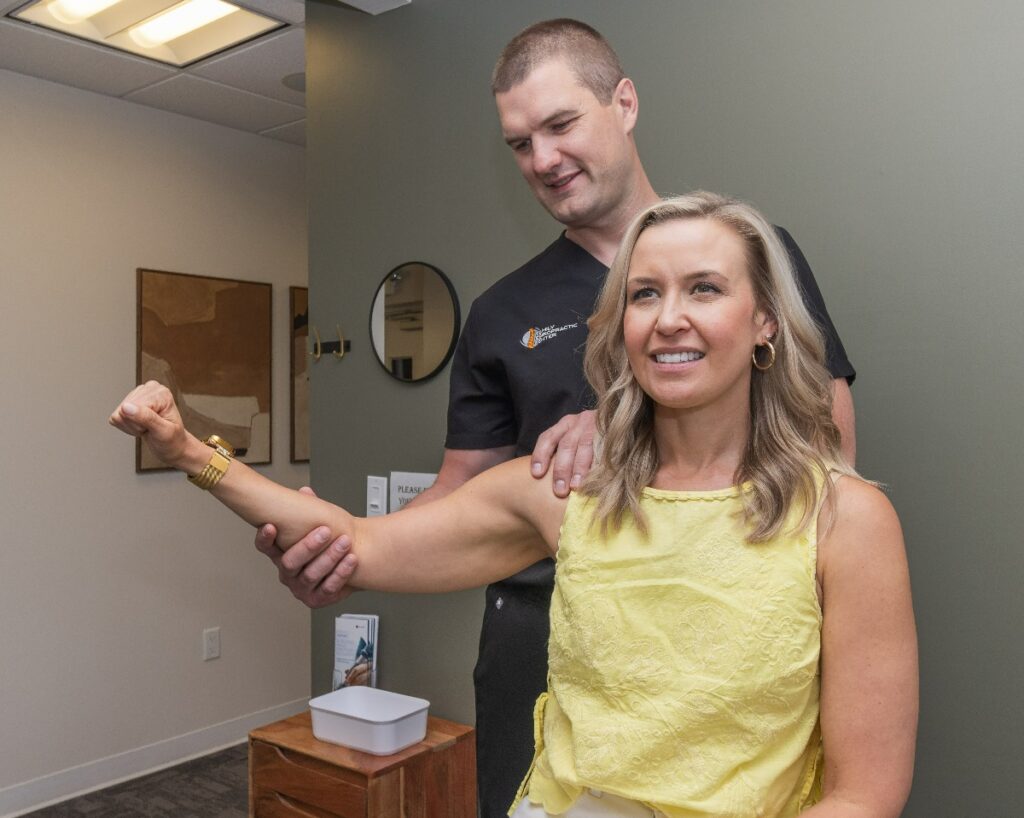
Another useful assessment is the shoulder flexibility test. In this test, you try to touch your hands behind your back.
This exercise can help you understand the flexibility of your shoulders, which plays a significant role in many daily activities.
The trunk rotation test is another important measure of flexibility.
This test checks how far you can twist your torso, which is vital for activities like turning and lifting.
Lastly, the hip flexor test evaluates your hip joint flexibility while lying down.
Flexible hips are crucial for maintaining proper posture and reducing strain on your spine.
By regularly assessing your flexibility and incorporating these simple tests into your routine, you can better understand your body’s needs.
This awareness allows you to tailor your stretching and mobility exercises to improve flexibility and support spinal health.
Remember, chiropractic care can be an excellent partner on your journey to optimal health.
Regular adjustments not only help to relieve pain but also enhance your overall mobility and flexibility, allowing you to enjoy a more active lifestyle.
Analyzing Your Quiz Results
As you dive into your quiz results, you’ll uncover valuable insights about your joint flexibility and discover areas where you can improve. Understanding these results is essential for recognizing how well your joints function and what adjustments you may need to boost your mobility—an important aspect of overall health.
Here’s what to focus on:
- Range of Motion: Check your scores for specific joints to identify where you’re doing well and where there’s room for improvement. This can guide you in knowing which areas may benefit from chiropractic adjustments.
- Symmetry: Compare the results between both sides of your body. If you notice unevenness, it could be a sign that certain joints are under strain or misaligned—making chiropractic care an excellent option to restore balance and function.
- Functional Movement: Consider how your flexibility impacts your daily activities. Are there tasks that challenge you? Chiropractic care can help enhance your flexibility and ease any discomfort, allowing you to move more freely.
- Progress Tracking: Use your results as a starting point. Regularly revisit them to see how changes in your routine, including chiropractic adjustments, can positively affect your scores and overall well-being.
Remember, chiropractic care is a natural and effective way to promote optimal joint health and enhance your flexibility. By focusing on these aspects, you can take actionable steps toward a healthier lifestyle and experience the benefits of improved mobility.
If you have any questions about your results or how chiropractic care can help you, don’t hesitate to reach out!
Tips for Improving Joint Flexibility
Improving your joint flexibility can significantly enhance your daily movement and overall well-being. As a chiropractor, I want to share some simple, effective ways to boost your flexibility naturally, emphasizing the importance of chiropractic care in maintaining optimal joint health.
Start by incorporating gentle movements into your daily routine. Dynamic stretches like arm circles and leg swings can help warm up your joints and prepare them for activity. Remember, good posture is crucial; maintaining proper alignment while sitting and standing can prevent stiffness and discomfort.
Engaging in low-impact exercises, such as swimming or cycling, is an excellent way to keep your joints mobile without causing strain. These activities promote circulation and help maintain flexibility. Always pay attention to how your body feels—if you notice tightness in any area, take a moment to gently stretch and relieve that tension.
Hydration is also key for joint health. Drinking plenty of water helps keep your joints lubricated, allowing for smoother movement. Additionally, consider incorporating practices like yoga or tai chi into your routine. These activities focus on flexibility, balance, and mindfulness, complementing the benefits of chiropractic care.
Chiropractic adjustments can further enhance your joint flexibility by ensuring proper alignment and function of your spine and joints. Regular visits to a chiropractor can help you achieve and maintain optimal health, allowing you to move freely and comfortably.
Incorporating Stretching Into Your Routine
Incorporating stretching into your daily routine can significantly enhance your flexibility and overall comfort, especially when paired with chiropractic care. As a chiropractor, I’ve seen firsthand how stretching can support spinal health and contribute to natural healing.
Here are some practical tips to seamlessly add stretching to your day and improve your wellness:
- Morning Stretch: Start your day with a gentle 5-10 minute stretching routine. This not only wakes up your muscles and joints but also prepares your spine for the day ahead, promoting better posture and reducing stiffness.
- Set Reminders: If you spend long hours sitting, set alarms or use apps to remind you to take stretching breaks every hour. This can help prevent tension buildup and keep your spine aligned, enhancing overall well-being.
- Incorporate into Workouts: Always include a warm-up and cool-down stretch in your exercise sessions. This practice not only enhances your performance but also aids in recovery, making it easier for your body to heal and function optimally.
- Explore Different Techniques: Experiment with various stretching methods—whether static, dynamic, or yoga—to keep your routine engaging. Different techniques can target various muscle groups and help maintain a balanced, healthy spine.
Remember, stretching is a vital component of a holistic approach to health. When combined with regular chiropractic care, you can achieve optimal health and wellness naturally.
Embrace these simple tips to enhance your daily life and support your spinal health!
Maintaining Long-Term Joint Health
Maintaining strong joints is essential for a healthy, active lifestyle, and as a chiropractor, I believe that natural methods can significantly enhance your joint health. To keep your joints in top shape, consider a holistic approach that includes regular chiropractic care, proper nutrition, and good posture.
Chiropractic adjustments can help align your spine and joints, reducing stress and improving mobility. Regular visits can aid in maintaining proper function, allowing your body to heal naturally and preventing future issues. In addition to chiropractic care, engage in low-impact activities like swimming or cycling. These exercises are gentle on your joints while helping to build strength and flexibility without added strain.
Incorporate strength training into your routine to support the muscles surrounding your joints. This can help reduce the risk of injury and improve overall joint stability. Don’t forget about the importance of nutrition! Including omega-3 fatty acids in your diet, found in foods like fish and flaxseeds, can help reduce inflammation and support joint health. Staying hydrated is also crucial; drinking plenty of water helps lubricate your joints and keep cartilage healthy.
Listen to your body. If you experience pain or discomfort, don’t hesitate to reach out to a chiropractor. Early intervention can address issues before they become more serious. By prioritizing these habits and incorporating chiropractic care into your wellness routine, you’ll be well on your way to maintaining long-term joint health and enjoying an active life for years to come. Remember, natural healing starts with a healthy spine!
Conclusion
Enhancing your joint flexibility is an important part of maintaining overall health and wellness, and chiropractic care can play a vital role in this journey. By prioritizing your spinal health, you can improve your body’s movement and flexibility, leading to a more active lifestyle. Taking our quiz is a great first step to identify areas where you might need to focus your efforts.
Remember, consistency is essential! Regular chiropractic adjustments can help align your spine, which in turn supports better flexibility and mobility. Incorporate targeted stretches into your daily routine, and consider scheduling regular visits with your chiropractor to keep your body in optimal condition.
As you work on improving your flexibility, here are a few simple tips to keep in mind:
- Warm-Up First: Always start with a gentle warm-up to prepare your muscles and joints for stretching.
- Listen to Your Body: It’s important to pay attention to how your body feels. If a stretch causes pain, ease off and try a gentler approach.
- Stay Hydrated: Drinking plenty of water helps keep your joints lubricated and supports overall joint health.
- Be Patient: Flexibility takes time to develop. Make stretching a regular part of your routine, and celebrate your progress along the way.
With dedication and the support of chiropractic care, you can enhance your flexibility, enjoy greater mobility, and reduce your risk of injury. Embrace this journey toward better health and wellness!