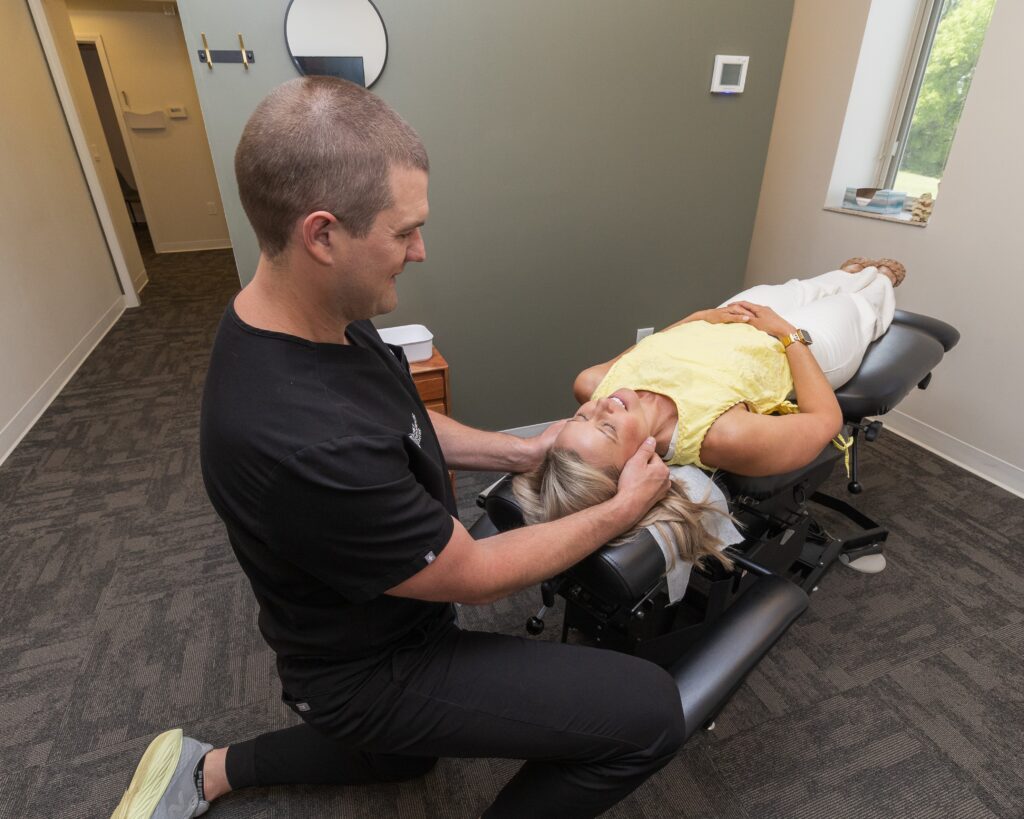

Navigating the challenges of fibromyalgia can feel daunting, but there is hope for relief through natural means, particularly with chiropractic care. Understanding your symptoms and exploring holistic treatment options can empower you to take charge of your health journey. Gentle movement plays a crucial role in managing fibromyalgia; consider incorporating light stretching and walking into your routine to promote overall wellness.
Chiropractic care is an excellent choice for pain relief and enhancing your quality of life. Regular adjustments can help alleviate tension in your muscles and joints, allowing your body to function optimally. Additionally, focusing on stress reduction techniques, such as deep breathing or mindfulness, can significantly impact your overall well-being.
Complementary therapies like massage and acupuncture can also be beneficial, but chiropractic care stands out as a natural, non-invasive approach to healing. It addresses the root causes of discomfort, helping to restore proper alignment and function to your spine, which is essential for overall health.
To enhance your daily life and manage flare-ups, consider these general tips:
- Stay Active: Engage in gentle exercises like yoga or tai chi to improve flexibility and reduce pain.
- Prioritize Sleep: Establish a calming bedtime routine to ensure restorative sleep each night.
- Stay Hydrated: Drink plenty of water to support overall bodily functions and reduce fatigue.
- Nourish Your Body: Focus on a balanced diet rich in whole foods to fuel your body with nutrients.
- Seek Support: Surround yourself with a network of friends, family, or support groups who understand your journey.
By embracing chiropractic care and these wellness practices, you can empower yourself to find relief and improve your quality of life. Remember, your health journey is unique, and taking proactive steps can lead you toward a brighter, healthier future.
Key Takeaways
Fibromyalgia is a condition that requires a personalized approach to treatment, and chiropractic care can play a crucial role in managing your symptoms and promoting overall wellness. By focusing on natural healing methods, we can help you find relief from pain without the need for medications or surgeries.
One of the best ways to improve mobility and manage fibromyalgia pain is through gentle, low-impact exercises. Activities like walking and yoga not only help keep your body moving but also promote relaxation and reduce tension. As a chiropractor, I often recommend incorporating these exercises into your daily routine to enhance your overall well-being.
Stress can exacerbate fibromyalgia symptoms, so it’s important to find effective ways to manage it. Techniques such as mindfulness and meditation can be incredibly beneficial for calming the mind and alleviating pain. By practicing these methods regularly, you can foster a sense of peace and balance in your life.
Getting a proper diagnosis is key to managing fibromyalgia effectively. Keeping track of your symptoms and sharing this information with your chiropractor can help us tailor a treatment plan that suits your unique needs. Our goal is to work alongside you to find the best strategies for your recovery.
In addition to chiropractic care, maintaining a balanced diet, staying hydrated, and practicing good sleep hygiene are vital for managing energy levels and reducing fatigue. Simple changes in your daily routine can make a significant difference in how you feel.
Chiropractic care promotes optimal health by addressing the root causes of pain and discomfort. With a focus on natural healing and holistic wellness, we can work together to help you achieve a healthier, more vibrant life. Remember, you don’t have to navigate fibromyalgia alone—there are effective, drug-free options available to support your journey toward relief.
Understanding Fibromyalgia: An Overview
Fibromyalgia is a complex condition that impacts countless individuals, leading to widespread pain, fatigue, and cognitive challenges. If you’re experiencing these symptoms, it’s understandable to feel overwhelmed and confused about what’s happening in your body. Gaining a better understanding of fibromyalgia is crucial for managing your experience and taking steps towards relief.
While the exact cause of fibromyalgia is still unclear, it’s thought that a mix of genetic, environmental, and psychological factors may contribute to its onset. One way to approach this condition is by recognizing that your nervous system might be amplifying pain signals, causing everyday sensations to feel more intense. Stress and trauma can also trigger or exacerbate symptoms.
As a chiropractor, I believe that natural healing and wellness can play a significant role in managing fibromyalgia. Chiropractic care focuses on spinal health and the overall function of your nervous system, which can help alleviate pain and improve your quality of life. By keeping your spine aligned and ensuring proper nerve function, you may find that your body can better handle the discomfort associated with fibromyalgia.
Here are some general tips to help you manage your symptoms and promote a healthier lifestyle:
- Stay Active: Gentle exercises, like walking or swimming, can help increase circulation and reduce stiffness. Always listen to your body and choose activities that feel good for you.
- Practice Stress Management: Techniques like deep breathing, meditation, or yoga can help calm your mind and reduce the impact of stress on your body.
- Prioritize Sleep: Aim for restful sleep by creating a calming bedtime routine. Quality sleep can significantly affect how you feel each day.
- Stay Hydrated and Nourished: Eating a balanced diet and drinking plenty of water can help support your body’s function and energy levels.
- Consider Chiropractic Care: Regular chiropractic adjustments can help improve spinal alignment, reduce pain, and enhance overall wellness. This natural approach can be a key part of your health journey.
Common Symptoms and Their Impact on Daily Life
Living with fibromyalgia can be challenging, as it presents a variety of symptoms that significantly affect your daily life. Many individuals experience chronic pain, fatigue, sleep disturbances, and cognitive issues often referred to as “fibro fog.” These symptoms can make even the simplest tasks feel daunting. You might find it difficult to rise from bed in the morning or struggle to maintain focus at work, which can lead to frustration and decreased productivity.
Social interactions may also become more complex. It’s common to feel isolated because friends and family may not fully understand what you’re going through. Everyday activities, such as grocery shopping or exercising, can become exhausting, making it harder to stick to a routine.
One effective way to manage these symptoms naturally is through chiropractic care. Chiropractic adjustments can help alleviate pain by improving spinal alignment, which in turn can enhance your overall well-being. Regular chiropractic visits can also support better sleep patterns, boost energy levels, and improve cognitive function.
In addition to chiropractic care, here are some helpful tips you can incorporate into your daily routine:
- Stay Active: Gentle exercises, like walking or stretching, can help manage pain and fatigue. Consult your chiropractor for personalized exercise recommendations.
- Prioritize Sleep: Create a restful sleep environment and establish a calming bedtime routine to improve your sleep quality.
- Practice Mindfulness: Techniques such as deep breathing, meditation, or yoga can help reduce stress and improve mental clarity.
- Nutrition Matters: Eating a balanced diet rich in whole foods can help support your body’s natural healing processes.
- Stay Hydrated: Drinking enough water is essential for overall health and can help combat fatigue.
- Communicate: Share your experiences with friends and family, so they can better understand your needs and support you.
Recognizing the impact of fibromyalgia on your life is an important first step. By embracing chiropractic care and incorporating these strategies, you can take proactive steps toward reclaiming your daily life and achieving optimal health. Remember, you don’t have to navigate this journey alone – your chiropractor is here to help you every step of the way.
The Importance of a Proper Diagnosis
Receiving a proper diagnosis for fibromyalgia is crucial for your overall well-being, and chiropractic care can play a significant role in this process.
Understanding the symptoms and diagnostic criteria is important, but so is recognizing how your spine and nervous system can impact your health.
As a chiropractor, I encourage you to consult with a specialist who understands the connection between spinal health and fibromyalgia.
Chiropractic adjustments can help relieve pain and improve function, making it easier for you to manage your symptoms naturally.
In addition to seeking chiropractic care, here are some helpful tips to support your journey to wellness:
- Stay Active: Gentle exercises like walking, swimming, or yoga can help reduce pain and improve your mood. Always listen to your body and start slow.
- Practice Good Posture: Maintaining proper posture can alleviate strain on your spine and reduce discomfort. Be mindful of your posture while sitting, standing, and sleeping.
- Manage Stress: Stress can exacerbate fibromyalgia symptoms. Techniques such as deep breathing, meditation, and mindfulness can help you relax.
- Prioritize Sleep: Aim for quality sleep to aid your body’s healing process. Create a calming bedtime routine and ensure your sleep environment is comfortable.
- Stay Hydrated and Eat Well: A balanced diet and proper hydration can support your body’s natural healing abilities. Focus on whole foods and stay away from processed options.
By integrating these practices into your daily life and prioritizing chiropractic care, you can work towards achieving optimal health and managing fibromyalgia more effectively.
Recognizing Fibromyalgia Symptoms
Recognizing fibromyalgia symptoms is crucial for anyone seeking natural pain relief and improved wellness. Many people experience widespread pain, fatigue, and sleep disturbances that often feel puzzling.
Common symptoms include cognitive issues, often referred to as “fibro fog,” which can impact your ability to concentrate and remember things. You might also notice increased sensitivity to pain, along with mood swings and anxiety.
It’s important to pay attention to these signs, as their intensity and duration can vary. One helpful tip is to keep a journal of your symptoms. This can help you identify patterns and triggers that may contribute to your discomfort. By sharing this information with your chiropractor, you can work together to create a clearer picture of your condition.
Chiropractic care offers a natural approach to managing fibromyalgia and alleviating pain. Through spinal adjustments and targeted therapies, chiropractors can help restore balance to your body, improve your overall function, and promote healing. Additionally, engaging in regular physical activity, maintaining a well-balanced diet, and practicing stress-reduction techniques can complement your chiropractic care and enhance your well-being.
Diagnostic Criteria Overview
Understanding how to accurately diagnose fibromyalgia is key to effective management, and as a local chiropractor, I want to help you navigate this process. The American College of Rheumatology (ACR) has established specific guidelines to assist in identifying fibromyalgia, which often manifests as widespread pain lasting more than three months. In addition to pain, you may experience other symptoms such as fatigue, sleep disturbances, and cognitive challenges.
When you visit your healthcare provider, they’ll assess for tenderness in at least 11 out of 18 designated tender points. However, it’s also crucial to rule out other conditions that may present similar symptoms. Familiarizing yourself with these criteria can empower you to communicate your experiences more effectively.
While it’s essential to obtain a precise diagnosis, I want to emphasize that chiropractic care can be an excellent option for managing fibromyalgia symptoms. By focusing on spinal health, we can enhance your overall well-being and alleviate pain naturally. Chiropractic adjustments can help improve your body’s function, reduce tension, and promote better sleep, all of which are vital for those experiencing fibromyalgia.
Here are some general tips to support your health:
- Stay Active: Gentle exercises like walking, swimming, or yoga can help reduce pain and improve your mood.
- Practice Good Sleep Hygiene: Aim for a consistent sleep schedule, and create a calming bedtime routine to enhance your sleep quality.
- Eat a Balanced Diet: Nourish your body with whole foods, plenty of fruits and vegetables, and stay hydrated to help manage symptoms.
- Consider Chiropractic Care: Regular chiropractic adjustments can help align your spine, relieve tension, and promote natural healing.
Importance of Specialist Evaluation
Managing fibromyalgia can be tough, but seeking the guidance of a specialist can be a game changer for your health journey. A healthcare professional who understands fibromyalgia can help differentiate it from other conditions that may mimic its symptoms, like chronic fatigue syndrome or rheumatoid arthritis. This accurate understanding is crucial for creating a personalized treatment plan that focuses on your unique needs.
While chiropractic care is an excellent option for addressing fibromyalgia symptoms naturally, working with a specialist can also provide valuable insights. They can keep you informed about the latest research and natural treatment options, helping you not only manage symptoms but also enhance your overall quality of life.
Chiropractic care focuses on spinal alignment and holistic healing, which can significantly reduce pain and improve functionality. Regular chiropractic adjustments can help alleviate tension, improve mobility, and promote relaxation, which is essential for anyone dealing with fibromyalgia.
Additionally, incorporating stress-reducing techniques, like gentle exercise, stretching, and mindfulness practices, can support your journey toward relief.
Medications for Fibromyalgia Management
Managing fibromyalgia can be challenging, but there are natural ways to find relief and improve your overall well-being. As a chiropractor, I believe in the power of holistic approaches, and chiropractic care is a great option for those seeking pain relief and better health without relying on medications.
Rather than turning to medications that may only mask symptoms, consider how chiropractic adjustments can help restore balance to your body and alleviate pain. By focusing on spinal health, we can improve nerve function, reduce tension, and enhance your body’s natural healing abilities.
Many patients report significant improvements in pain levels and overall mood through regular chiropractic care.
In addition to chiropractic treatments, here are some general tips to help manage fibromyalgia naturally:
- Stay Active: Gentle exercises, such as walking, swimming, or yoga, can help improve flexibility and reduce pain. Listen to your body and find an activity that feels good for you.
- Prioritize Sleep: Quality sleep is essential for recovery. Establish a relaxing bedtime routine and create a comfortable sleep environment to enhance your rest.
- Manage Stress: Stress can exacerbate fibromyalgia symptoms. Techniques such as deep breathing, meditation, or mindfulness can help you stay calm and centered.
- Eat Well: A balanced diet rich in whole foods can support your overall health. Focus on fruits, vegetables, lean proteins, and healthy fats to fuel your body.
- Stay Hydrated: Drink plenty of water throughout the day to keep your body hydrated and functioning optimally.
- Communicate: Keep an open line of communication with your chiropractor. Share your symptoms and progress, so we can adjust your care plan as needed.
Alternative Therapies: Exploring Complementary Options
Exploring alternative therapies can be a beneficial addition to your fibromyalgia care plan, especially when looking for natural ways to relieve persistent pain and fatigue. Among these therapies, chiropractic care stands out as a powerful option for improving your overall well-being. By focusing on spinal health and alignment, chiropractic adjustments can help alleviate pain, enhance mobility, and promote relaxation.
In addition to chiropractic care, therapies like massage can provide significant relief by easing muscle tension and improving circulation. Many individuals also find that gentle practices such as yoga and tai chi can reduce stress while boosting flexibility and strength—important factors for those managing fibromyalgia.
Mindfulness meditation is another excellent tool that can help you cope with pain by cultivating a sense of calm and awareness. You may also explore aromatherapy with essential oils to create a soothing environment that supports relaxation.
It’s important to remember that each therapy works differently for everyone, so don’t hesitate to try various options to find what best suits your needs. Embracing chiropractic care as part of your wellness journey could be key to achieving optimal health and enhancing your fibromyalgia management. Remember, focusing on your spinal health can lead to better overall wellness, making chiropractic care a top choice for those seeking natural pain relief.
The Role of Nutrition and Diet in Managing Symptoms
Incorporating a balanced diet is essential for managing fibromyalgia symptoms and promoting overall wellness. What you eat can significantly affect your energy levels, mood, and health. By focusing on nutrient-rich foods, you not only support your body but can also help reduce inflammation, which is key for anyone dealing with chronic pain.
Here are some straightforward dietary tips that can complement your chiropractic care and enhance your well-being:
- Boost omega-3 fatty acids: Foods like fatty fish, walnuts, and flaxseeds are great additions to your diet as they help in reducing inflammation.
- Choose whole foods: Make fruits, vegetables, whole grains, and lean proteins the foundation of your meals. These foods are packed with the nutrients your body needs.
- Cut back on processed foods: Limiting sugar and unhealthy fats can help decrease inflammation and provide you with more energy throughout your day.
- Stay hydrated: Drinking plenty of water is crucial for maintaining your overall health and preventing fatigue, especially when managing pain.
Physical Activity: Finding the Right Balance
When managing fibromyalgia, finding the right balance in physical activity is crucial for your health and well-being. As a chiropractor, I encourage you to explore gentle exercise options that suit your unique needs while also acknowledging the significance of rest and recovery. Activities like stretching, walking, or yoga can be beneficial, helping to alleviate tension in the body and improve mobility.
Incorporating chiropractic care into your routine can further enhance your physical activity efforts. Regular chiropractic adjustments help align your spine, which can reduce pain and improve your overall function. This natural approach not only provides relief but also supports your body’s ability to heal itself.
Remember, it’s important to listen to your body. Start with short, manageable exercise sessions and gradually increase the intensity as you feel comfortable. Rest is equally vital; ensure you give your body the time it needs to recuperate.
Here are some general tips:
- Focus on low-impact exercises that you enjoy to stay motivated.
- Consider incorporating mindfulness practices, like deep breathing or meditation, to help manage stress and promote relaxation.
- Stay hydrated and maintain a balanced diet to support your energy levels.
Gentle Exercise Options
Finding the right balance in physical activity is essential for managing fibromyalgia symptoms, and gentle exercise can be a key component. As a chiropractor, I encourage you to listen to your body and choose activities that promote movement without overexertion.
Here are some gentle exercise options to keep in mind, which can also complement your chiropractic care for optimal wellness:
- Walking: This simple, low-impact activity can significantly boost your mood and energy. It’s easy to incorporate into your day and can help alleviate pain by promoting circulation.
- Yoga: Practicing yoga enhances flexibility and reduces stress through gentle stretching and breathing techniques. It can also support spinal health by improving posture and alignment.
- Swimming: A fantastic way to engage in a full-body workout without putting strain on your joints. The buoyancy of the water can help ease discomfort while providing resistance for muscle strengthening.
- Tai Chi: This ancient practice improves balance and relaxation through slow, controlled movements. It’s a great way to connect your mind and body, which can be particularly beneficial for overall wellness.
Incorporating these exercises into your routine can help you feel better while respecting your body’s limits. Remember, consistency is key for managing fibromyalgia, and maintaining regular chiropractic adjustments can enhance your results.
Rest and Recovery Importance
Regularly prioritizing rest and recovery is crucial for effectively managing fibromyalgia, and as a chiropractor, I want to emphasize how this ties into overall spinal health and natural healing. Balancing physical activity with proper downtime allows your body, particularly your spine, to heal and can help reduce painful flare-ups.
Listening to your body is key—if you’re feeling fatigued or experiencing discomfort, it’s a sign to take a step back. Gentle activities like yoga, stretching, and deep breathing exercises can significantly enhance your recovery process, promoting relaxation and spinal alignment. These practices not only help alleviate pain but also support your overall well-being.
Don’t underestimate the power of quality sleep, as it plays a vital role in recharging your energy levels. Establishing a daily routine that incorporates designated rest periods will help maintain a healthy balance, ensuring your body has the time it needs to recover.
Valuing rest as much as physical activity can lead to better energy levels and a more positive outlook on your health journey. By prioritizing recovery, you empower yourself to manage fibromyalgia more effectively. Remember, chiropractic care is an excellent natural approach to achieving relief and wellness. It helps align your spine, reducing tension and enhancing your body’s ability to heal itself. Embrace these practices, and you’ll likely find improved overall health and vitality.
Mind-Body Techniques for Stress Relief
Mind-body techniques for stress relief can be powerful allies in managing fibromyalgia symptoms and achieving overall wellness. As a chiropractor, I believe in the importance of connecting your mental and physical states for optimal health.
By incorporating these gentle practices into your daily routine, you can promote relaxation and reduce tension, which are essential for a healthier lifestyle. Here are some techniques to consider:
- Meditation: Take a few minutes each day to focus on your breath. This simple practice helps clear your mind and reduces stress, creating a sense of calm that can enhance your overall well-being.
- Yoga: Gentle yoga is fantastic for improving flexibility and reducing pain. It encourages mindfulness and can be a great complement to chiropractic care, helping you maintain a balanced body and mind.
- Deep Breathing: Deep, slow breaths are a natural way to calm your nervous system. By practicing this technique, you can alleviate stress and promote a sense of peace, making it easier to cope with any discomfort you may experience.
- Progressive Muscle Relaxation: This technique involves tensing and then relaxing each muscle group. It helps release physical tension, which is crucial for those dealing with chronic pain conditions like fibromyalgia.
Incorporating these mind-body techniques alongside your chiropractic care can enhance your healing journey. Remember, chiropractic adjustments focus on aligning your spine to support your nervous system, which is essential for your body’s healing process.
Building a Support System: Connecting With Others
Connecting with others is essential for managing fibromyalgia, and one of the best ways to do this is through support systems that promote holistic wellness. Local support groups offer an opportunity for face-to-face interaction, allowing you to share experiences and gather valuable insights. Engaging with online communities can also expand your connections and provide a wealth of information from others who understand what you’re going through.
In addition to connecting with others, consider the benefits of chiropractic care as part of your journey to better health. Chiropractic adjustments can help alleviate pain and improve spinal function, which is crucial for those dealing with fibromyalgia. By focusing on spinal health, you can enhance your body’s natural healing abilities and promote overall wellness.
Here are a few tips you can easily incorporate into your routine:
- Stay Active: Gentle stretching and low-impact exercises can help manage pain and improve mobility. Always consult with your chiropractor for personalized exercise recommendations.
- Practice Good Posture: Maintaining proper posture can reduce strain on your spine and muscles, helping to alleviate discomfort.
- Stay Hydrated: Drinking plenty of water supports overall health and helps keep your muscles and joints functioning optimally.
- Prioritize Sleep: Quality sleep is vital for recovery and managing fibromyalgia symptoms. Establish a calming bedtime routine to improve your sleep quality.
- Regular Chiropractic Visits: Consistent chiropractic care can help you manage pain and maintain your body’s alignment, making it easier to engage in daily activities.
Finding Local Support Groups
Finding local support groups can greatly enhance your journey in managing fibromyalgia and improving your overall wellness. Connecting with others who share similar experiences not only alleviates feelings of isolation but also fosters a sense of community.
Here are some tips for finding a supportive group near you, along with how chiropractic care can play a role in your health journey:
- Check local hospitals or clinics: Many health facilities offer support groups for those dealing with chronic pain. These gatherings can be a great place to learn more about holistic approaches, including chiropractic care, which focuses on natural healing and pain relief.
- Search online directories: Websites like Meetup or local health organization sites often list nearby support groups. You can also find resources that emphasize natural wellness practices, including chiropractic exercises and lifestyle tips.
- Ask your healthcare provider: Your chiropractor or wellness practitioner may know of local support groups or community resources. They can provide insights into how chiropractic care can complement your journey toward better health.
- Visit community centers: Many community centers host meetings or events focused on health and wellness. These can be excellent opportunities to learn about chiropractic techniques that help manage fibromyalgia symptoms naturally.
Joining a local support group offers not only emotional support but also practical strategies for coping with daily challenges. Consider integrating chiropractic care into your wellness routine, as it focuses on aligning the spine and enhancing your body’s natural ability to heal.
Online Community Engagement
In today’s digital age, connecting with online communities can significantly enhance your overall wellness journey, especially when managing conditions like fibromyalgia. These platforms allow you to engage with others who understand your challenges and share valuable insights. While discussing your experiences, it’s also an excellent opportunity to learn about natural healing practices, including the benefits of chiropractic care.
| Platform | Benefits | Tips for Engagement |
|---|---|---|
| Group discussions | Join groups focused on wellness and natural healing | |
| Anonymous support | Ask questions about chiropractic care and holistic approaches | |
| Share your story | Use hashtags like #ChiropracticCare and #NaturalHealing | |
| Discord | Real-time chats | Join discussions about healthy living and wellness strategies |
| Forums | Long-form discussions | Start conversations about the benefits of chiropractic adjustments |
Engaging with these communities can provide comfort, knowledge, and support as you navigate your health journey. Remember, chiropractic care is a safe and natural way to manage pain and improve your overall wellness. Regular adjustments can help alleviate discomfort, enhance mobility, and promote a healthier lifestyle.
Here are some general tips to consider for maintaining your health:
- Stay Active: Gentle exercises, like stretching or yoga, can complement your chiropractic care and improve flexibility.
- Maintain Good Posture: Being mindful of your posture can alleviate stress on your spine and reduce pain.
- Hydrate: Drinking plenty of water aids in overall bodily function and health.
- Prioritize Sleep: Quality sleep is essential for recovery and managing pain; create a relaxing bedtime routine.
- Seek Regular Chiropractic Care: Consistent adjustments can help keep your spine aligned, reducing tension and pain.
Navigating the Healthcare System: Tips for Advocacy
Navigating the healthcare system can feel overwhelming, especially when dealing with conditions like fibromyalgia. However, there are proactive steps you can take to advocate for yourself and ensure you receive the care you need. Here are some tips to help you effectively navigate the system while considering the benefits of chiropractic care:
- Educate Yourself: Understanding fibromyalgia and various holistic treatment options, including chiropractic care, can empower you to engage in informed discussions with your healthcare providers. Chiropractic care focuses on the connection between the spine and overall health, which may lead to relief from pain and improved wellness.
- Keep Records: Maintain a detailed log of your symptoms, treatments, and how you’ve responded to different therapies. This information is vital for your chiropractor, as it allows them to tailor your treatment plan to address your specific needs effectively.
- Communicate Clearly: Be open and direct with your healthcare team about your symptoms and any concerns you have. If you’re exploring chiropractic care, don’t hesitate to ask how spinal health can play a role in managing fibromyalgia symptoms.
- Seek Support: You don’t have to navigate this journey alone. Involving family, friends, or support groups can help you articulate your needs better. They can also support your decision to explore natural healing options like chiropractic care.
- Embrace a Holistic Approach: Consider incorporating lifestyle changes that promote overall wellness, such as regular exercise, a balanced diet, and stress management techniques. These practices complement chiropractic care and can lead to better health outcomes.
Conclusion
In your journey through fibromyalgia care, remember that relief is not just a dream—it’s within reach. One of the best ways to achieve optimal health is through chiropractic care. By addressing spinal alignment and function, chiropractic adjustments can help alleviate pain and improve overall well-being.
Incorporating gentle movements, such as stretching and low-impact exercises, can complement your chiropractic treatments and enhance your recovery. These activities help to keep your body in motion and reduce stiffness. Alongside this, practicing stress reduction techniques, like deep breathing or meditation, can greatly benefit your mental and physical health.
Support from friends, family, or support groups can also play a vital role in your healing journey. Sharing your experiences and connecting with others who understand what you’re going through can provide emotional relief and motivation.
Always stay proactive about your health. Open communication with your chiropractor is key. Discuss your symptoms, progress, and any concerns you may have. This way, your treatment can be tailored specifically to your needs.
Don’t hesitate to explore the natural healing options that chiropractic care offers. Many patients find relief through adjustments, massage therapy, and lifestyle changes. With patience and persistence, you can improve your quality of life and reclaim the comfort you deserve. Remember, you’re not alone—embracing chiropractic care is a step towards a healthier, more vibrant you.